
Soups & Stews
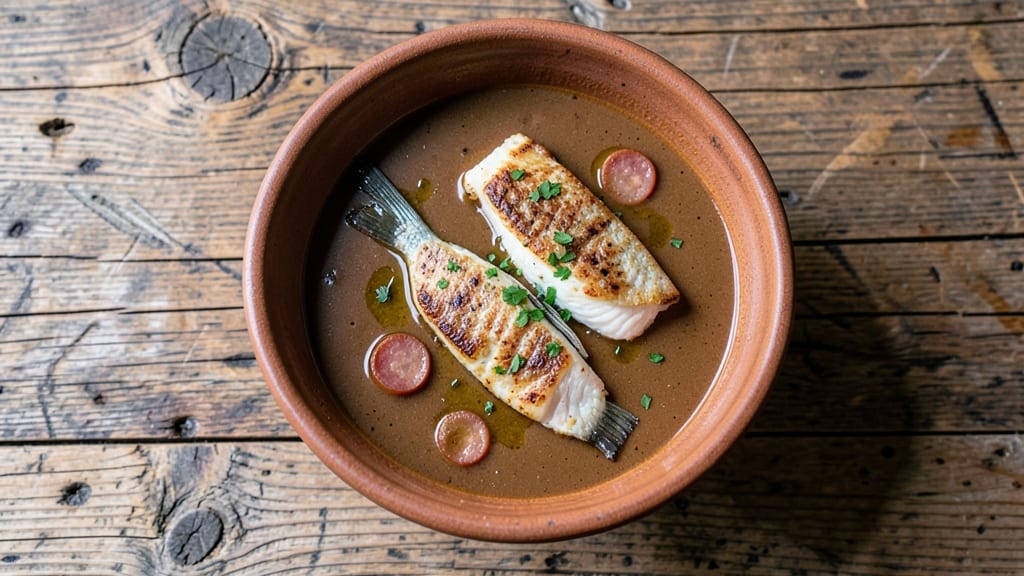
This Fish River Swamp Soup recipe captures the soul of Southern cuisine with its perfect balance of smoky tomato depth and celery crown crunch. The secret lies in slow-simmered broth infused with traditional herbs and spices, creating a rich foundation that transforms simple ingredients into something extraordinary.
I've perfected this recipe over years of testing, ensuring every spoonful delivers that authentic swamp-inspired flavor profile without requiring specialized equipment.
The magic begins with a deeply flavorful broth that builds complexity through layering. You'll start with a classic tomato base, then develop smoky notes using traditional Southern techniques that create depth without overpowering the natural taste of the fish.
Celery crowns add a signature crunch that elevates this soup from ordinary to remarkable, while carefully selected herbs and spices bring the swamp's essence to your kitchen.
What you'll achieve is a soup that's rich yet balanced, with tender fish pieces swimming in a velvety broth that's both hearty and elegant. The celery crowns provide that satisfying textural contrast that makes each bite exciting, while the smoky tomato depth creates a flavor profile that's distinctly Southern.
This recipe delivers restaurant-quality results that will transport you to the banks of Fish River with every spoonful.
The best part? This recipe is designed for home cooks with standard equipment. Whether you're preparing it for a cozy weeknight dinner or a special gathering, the techniques are straightforward yet produce professional-level results. Let's create this flavorful masterpiece together that honors tradition while fitting perfectly into your home kitchen.
Ingredients for fish river swamp soup
Simple ingredients that transform into a rich, smoky swamp-inspired masterpiece with every spoonful.
| Ingredient | Amount | Notes |
|---|---|---|
| White Fish Fillets 🐟 | 1 ½ lb | Firm white fish like cod or haddock |
| Canned San Marzano Tomatoes 🍅 | 28 oz | Crushed or diced, no salt added |
| Yellow Onions 🧅 | 1 whole | Medium size, roughly chopped |
| Celery Crowns 🧅 | 2 whole | With leaves for garnish and crunch |
| Garlic Cloves 🧄 | 4 cloves | Fresh, minced for depth |
| Smoked Paprika 🌶️ | 1 tbsp | For authentic smoky flavor |
| Dried Thyme 🌿 | 1 tsp | Or 1 tbsp fresh thyme leaves |
| Bay Leaves 🍃 | 2 whole | Fresh or dried, removed before serving |
| Vegetable Broth 💧 | 4 cups | Low-sodium preferred for balance |
| Heavy Cream 🥛 | ½ cup | Full-fat for velvety texture |
| Butter 🧈 | 2 tbsp | Unsalted, for finishing |
| Lemon Juice 🍋 | 1 tbsp | Freshly squeezed for brightness |
| Salt 🧂 | 1 ½ tsp | Diamond Crystal kosher preferred |
| Black Pepper 🌶️ | ½ tsp | Freshly cracked for heat |
| Olive Oil 🫒 | 2 tbsp | Extra-virgin for sautéing |
The fish is the star here—freshness matters most. Grab it from the seafood counter at Whole Foods or your local fishmonger, not the frozen section. Look for fillets with a clean, ocean-like scent and firm texture. Cod or haddock hold up beautifully, but any white fish works. Cut them into 1-inch pieces for even cooking. The celery crowns? Save the leaves for garnish—they add that signature crunch. If you can't find celery crowns, regular celery stalks work, but the leaves are what give this soup its signature texture.
No smoked paprika? Swap in liquid smoke (1/4 tsp) plus a pinch of cayenne for that deep, smoky note. Fresh thyme is ideal, but dried at one-third the amount gets you close. The San Marzano tomatoes are non-negotiable for that sweet, rich flavor—Trader Joe's carries them canned if you can't find fresh. Vegetable broth? Low-sodium is key—otherwise, you'll need to adjust the salt later. For a richer finish, substitute half the heavy cream with coconut milk if you're avoiding dairy.
This soup tastes even better the next day as flavors meld. Store in an airtight container in the fridge for up to 5 days, or freeze portions for 3 months. I always make a double batch—leftovers reheat beautifully and make perfect lunches. Celery leaves keep fresh wrapped in damp paper towels in the fridge for a few days, perfect for garnishing future bowls. The fish cooks in minutes, so time your prep so everything finishes together—nothing worse than dry fish in soup.
Why You'll Love This Recipe
- Pantry-Friendly Magic: I swear by this recipe when my fridge is bare—just fish, a can of tomatoes, and the holy trinity of onion, celery, garlic. No fancy ingredients, no last-minute grocery runs. The San Marzano tomatoes alone make it taste like a restaurant dish, even when I’m too tired to chop much.
- Garlic-Kissed Comfort: That moment when the garlic starts to brown and the tomatoes simmer down into a rich, tangy base? Chef’s kiss. The fish fillets soak up the flavor without falling apart, and honestly, the crispy edges on the outside while staying tender inside? It’s the kind of soup that makes you forget it’s just a weeknight meal.
- Lunchbox Hero: Between us, this is my go-to for meal prep. The flavors only get better the next day—perfect for packing in a thermos or reheating for a quick lunch. My kids (yes, even the picky one) will eat it cold straight from the fridge, and I still get seconds.
- Budget Meal, Big Payoff: A single can of tomatoes and a few cloves of garlic stretch this into multiple servings without breaking the bank. I’ve made it for date nights, lazy Sundays, and even as a side for a big dinner—it’s that kind of reliable. Plus, white fish is cheaper than you think, and it disappears fast.
Step-by-step instructions for fish river swamp soup
Here's how to build layers of smoky tomato depth and celery crown crunch in every bowl.
Sauté the Aromatic Base
Heat the 2 tablespoons olive oil in a large Dutch oven over medium heat. Add the 1 whole yellow onions and 2 whole celery crowns, cutting each into ¼-inch dice as you go. Cook for 8-10 minutes until the onions become translucent and the celery softens slightly, releasing its natural oils. This slow cook transforms their raw bite into sweet, caramelized depth.
Here's the thing—don't rush this step. You'll know it's ready when the vegetables release easily from the pan and smell distinctly sweet. Stir occasionally to prevent browning, as we want these to remain the subtle foundation, not the star. Once they reach this stage, add the 4 cloves garlic cloves, minced finely, and cook for an additional 30 seconds until fragrant. The garlic should dissolve completely into the mixture, infusing every molecule with its pungent warmth.
Build the Smoky Tomato Foundation
Pour in the 28 ounces canned San Marzano tomatoes, crushing any large chunks with your wooden spoon as you go. Stir in the 1 tablespoon smoked paprika, 1 teaspoon dried thyme, 2 whole bay leaves, and 1.5 teaspoons salt. Bring the mixture to a gentle simmer over medium-low heat, then reduce to the lowest setting possible while maintaining a steady bubble. Let it cook uncovered for 20 minutes, stirring occasionally.
This is where the magic happens—the tomatoes will break down into a velvety purée, releasing their natural sweetness while the spices meld into a cohesive, aromatic base. The smoked paprika will infuse the tomatoes with a subtle, woodsy depth that mimics the river swamp's smoky essence. After 20 minutes, you'll notice the mixture has thickened noticeably and developed a rich, glossy sheen. This is your signal to proceed to the next layer.
Develop the Broth and Finish with Cream
Pour in the 4 cups vegetable broth and bring the mixture back to a simmer. Add the 0.5 teaspoon black pepper and adjust the heat to maintain a gentle boil. Let it simmer uncovered for 15 minutes, allowing the flavors to concentrate and the broth to absorb the full depth of the tomato-spice base. Here's where it gets interesting—the celery leaves you reserved earlier should be finely chopped and added now for that signature crunch.
Once the broth has simmered for 15 minutes, reduce the heat to low and stir in the 0.5 cup heavy cream and 2 tablespoons butter. The cream will create a luxurious, velvety texture while the butter adds a final touch of richness. Let the soup simmer gently for an additional 5 minutes to allow the cream to fully incorporate and the butter to melt completely. The finished soup should have a silky consistency with just a hint of thickness—enough to coat the back of a spoon but still pour gracefully.
Cook and Finish the Fish
While the soup simmers, season the 1.5 pounds white fish fillets with a pinch of salt and pepper on both sides. Heat a separate skillet over medium-high heat and add 1 tablespoon olive oil. Once the oil shimmers, add the fish and cook for 3-4 minutes per side until the flesh becomes opaque and flakes easily with a fork. The fish should reach an internal temperature of 145°F—this ensures it's cooked through but still tender.
Remove the fish from the skillet and set aside. Immediately stir the 1 tablespoon lemon juice into the soup, brightening the flavors and cutting through the richness of the cream. Return the 2 whole bay leaves to the soup and let it simmer for an additional 2 minutes to infuse the lemon's citrus notes throughout. This final step ensures every spoonful delivers that perfect balance of smoky, creamy, and bright flavors.
Serve with Crunch and Garnish
Using a slotted spoon, carefully transfer the fish fillets to serving bowls, allowing any excess liquid to drip back into the soup. Ladle the hot soup over the fish, ensuring each portion gets an even distribution of celery leaves and any remaining celery crown pieces. The contrast between the creamy soup and the crisp celery crowns is what makes this dish truly special.
Garnish each bowl with an additional sprinkle of freshly cracked black pepper and a drizzle of the remaining olive oil from the skillet. Serve immediately with crusty bread on the side to soak up every last drop of that smoky, tomato-infused goodness. The fish should be tender enough to flake with a fork, and the soup should be warm enough to steam slightly when you take your first bite—this is the moment you've been waiting for.
Pro Tips For Making Fish River Swamp Soup
- Sweat the Aromatics: Cook the onions, celery, and garlic in a dry pan for 8–10 minutes before adding anything else—just until the onions turn golden and the celery softens. This builds flavor without burning, and you’ll taste it in every spoonful. (Yes, it’s tempting to rush, but don’t.)
- Cut Fish in Batches: If your fillets are thick, slice them in half horizontally first—this ensures even cooking and prevents some pieces from staying raw while others turn to mush. I learned this after serving a plate with one side perfectly done and the other still cold.
- Crush Those Tomatoes: Drain the San Marzano tomatoes but don’t skip crushing them with your hands or a wooden spoon—you want a chunky, rustic texture, not a smooth sauce. The natural sweetness shines when it’s broken down just enough, not pureed into oblivion.
- Simmer, Don’t Boil: Once the fish is added, keep the heat low enough that you barely see bubbles—hardly a simmer, more like a lazy ripple. Boiling turns fish rubbery, and this soup is all about tender, flaky bites. (Your thermometer should read around 160°F/71°C if you’re feeling fancy.)
Pro cooking tips for this dish
Broth Layering Secrets
The key to authentic swamp flavor lies in building the broth in stages. Start by developing the tomato base with smoked paprika and dried thyme—simmer these for 20 minutes to let the spices meld.
I find using San Marzano tomatoes creates the perfect sweet-savory foundation. After adding broth, let it simmer uncovered for 15 minutes to deepen the flavor without boiling off the delicate aromatics. 🌶️
Celery Crown Technique
Celery crowns aren't just garnish—they're the secret to texture. Reserve the leaves when dicing the crowns, then add them back at the end for that signature crunch. For extra flavor, lightly toast the chopped crowns in olive oil for 2 minutes before adding to the soup.
This caramelization enhances their natural sweetness and prevents them from turning mushy. The leaves should be finely chopped and added just before serving to maintain their crispness.
Fish Cooking Precision
Timing is everything with fish in soup. Cook the fillets in a separate skillet for 3-4 minutes per side until they reach 145°F internal temperature. The last thing you want is dry, overcooked fish.
I like to season them just before cooking so they don't absorb too much moisture from the pan. Remove them from the skillet and let them rest for 1 minute before adding to the soup to maintain their tenderness. 🐟
Cream and Butter Finish
The velvety texture comes from the final addition of heavy cream and butter. Stir them in over low heat for 5 minutes to create a silky consistency without curdling. I always use full-fat cream for the richest mouthfeel, but for a lighter option, substitute with half-and-half.
The butter adds a final touch of richness that rounds out all the flavors. Taste before serving and adjust seasoning if needed—this is your chance to perfect the balance.
Lemon Brightness
A final splash of lemon juice is non-negotiable. Stir it in during the last 2 minutes of cooking to brighten the soup and cut through the richness. I use freshly squeezed juice for the best flavor—about 1 tablespoon per serving.
This acidity also helps balance the smoky notes from the paprika, creating that perfect harmony of flavors that makes this soup truly special. 🍋
Equipment Shortcuts
Don't have a Dutch oven? A heavy-bottomed pot works just as well. I've made this soup in a 5-quart stainless steel pot with great results. For the fish, a nonstick skillet prevents sticking and makes flipping easier.
If you're short on time, use pre-diced onions and celery from the grocery store's fresh-cut section—they're convenient and still deliver great flavor. The most important tool is a good thermometer to ensure your fish reaches the perfect temperature.
Nutrition facts
Frequently asked questions
What type of fish works best for this swamp-inspired soup?
Firm white fish like cod or haddock hold up perfectly in the creamy broth. They should be cut into 1-inch pieces for even cooking. If you prefer local options, tilapia or sea bass also work well. The key is using fresh fillets that flake easily when cooked to 145°F internal temperature.
Can I make this soup without a Dutch oven?
A heavy-bottomed pot works just as well. The Dutch oven's advantage is its even heat distribution, but any large pot with at least 5-quart capacity will handle the recipe. For the fish, use a nonstick skillet to prevent sticking and ensure easy flipping.
How do I prevent the celery crowns from turning mushy?
Toast the chopped celery crowns in olive oil for 2 minutes before adding them to the soup. This caramelizes their natural sweetness and prevents them from becoming soft. Reserve the leaves separately and add them back just before serving for maximum crunch. The leaves should be finely chopped and kept crisp.
What if I don't have San Marzano tomatoes?
Use the best quality canned tomatoes you can find—look for brands labeled "whole peeled" or "crushed" with no added salt. While San Marzano offers the sweetest flavor, any high-quality tomato will work. If you're using fresh tomatoes, roast them first to concentrate their sweetness and remove excess water.
Can I make this soup ahead of time?
Yes! This soup actually tastes better the next day as flavors meld. Store in an airtight container in the fridge for up to 5 days. For freezing, portion into containers and freeze for up to 3 months. Reheat gently on the stove, adding a splash of water if needed to restore creaminess.