
Soups & Stews
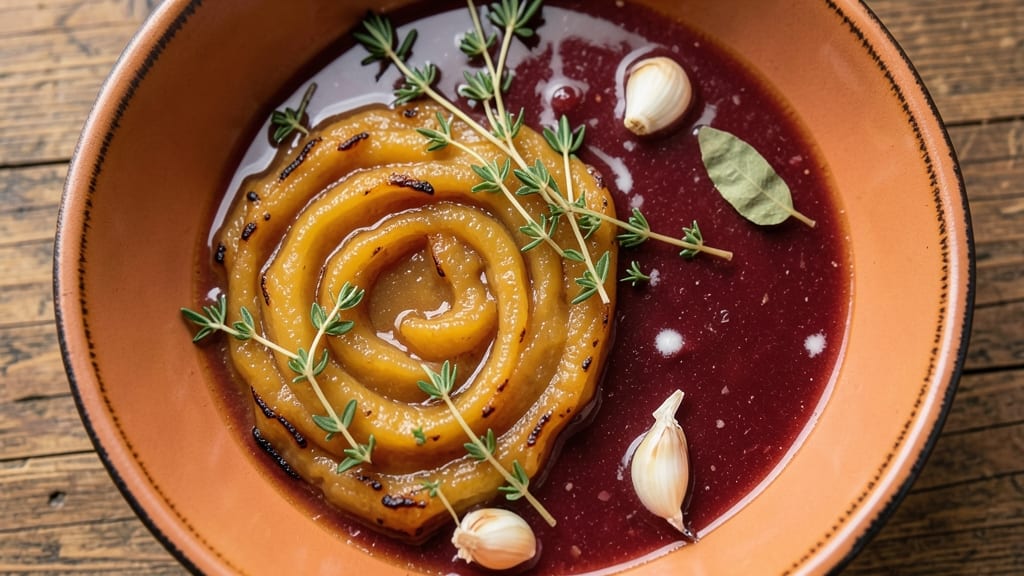
Crafting the perfect French onion soup broth starts with slow-cooked onions that develop deep caramelized sweetness—this recipe delivers restaurant-quality depth without the cheese. The key lies in patience and technique, letting onions transform from sharp to richly aromatic over 45 minutes of cooking.
I’ve perfected this method after years of testing, ensuring every sip carries that unmistakable savory complexity.
This broth builds flavor through layers: onions caramelize first, then beef stock simmers with garlic, thyme, and bay leaf to create a velvety, umami-rich base. No shortcuts—just simple ingredients working together to develop depth.
The result is a broth so flavorful it becomes the star of any French onion soup, even without Gruyère on top.
What sets this apart is the balance of sweetness and savory notes—the onions must cook until golden brown, while herbs infuse just enough without overpowering. When you pour this broth over toasted bread and bake, the aroma alone will transform your kitchen into a Parisian bistro.
Ready in under 2 hours, it’s worth the wait.
Use this as a standalone broth for soups, stews, or braises, or elevate it into full French onion soup by topping with melted cheese and crusty bread. The possibilities are endless—once you master this foundation, the rest is just assembly.
Ingredients for french onion soup broth
Caramelized onions and aromatic herbs create this velvety, savory broth foundation.
| Ingredient | Amount | Notes |
|---|---|---|
| Yellow Onions 🧅 | 4 lb | Thinly sliced, uniform pieces |
| Beef Stock 🥩 | 6 cups | Homemade or high-quality store-bought |
| Garlic Cloves 🧄 | 6 cloves | Minced, for aromatic depth |
| Fresh Thyme 🌿 | 1 tbsp | Leaves only, stems removed |
| Bay Leaves 🌿 | 2 whole | Dried, for subtle earthiness |
| Extra-Virgin Olive Oil 🫒 | ½ cup | High-quality, for caramelization |
| White Wine 🍷 | 1 cup | Dry, like Sauvignon Blanc |
| Salt 🧂 | 1 ½ tsp | Kosher or sea salt, adjust to taste |
| Black Peppercorns 🌶️ | ½ tsp | Freshly cracked, for subtle heat |
| Sugar 🍚 | 1 tsp | Granulated, balances acidity |
The onions are non-negotiable—yellow onions with their sweet, slow caramelization are essential. Buy them fresh from Whole Foods or your local market for the best texture. Thinly slice them evenly so they cook uniformly, and don’t skip the 45-minute caramelization—this is where the magic happens. If you’re short on time, Costco’s pre-sliced onions work in a pinch, but they won’t develop the same depth. The beef stock should be rich and flavorful—Kitchen Basics or Pacific Foods brands are reliable if homemade isn’t an option.
No white wine? Dry vermouth or apple cider vinegar adds acidity, though wine’s depth is ideal. Fresh thyme is best, but dried works at half the amount if you’re in a hurry. For extra richness, add a splash of Worcestershire sauce—it’s a secret weapon in professional kitchens. The sugar balances the acidity from the wine, so don’t skip it, even if your onions seem sweet enough. If you’re avoiding alcohol entirely, substitute with extra beef stock and a pinch of lemon juice.
This broth keeps beautifully—5 days refrigerated or 3 months frozen. For freezing, portion into ice cube trays for easy use later. The flavor actually improves over time as the onions’ sweetness melds further. If you’re making full French onion soup, reheat gently to preserve the caramelized onions’ texture. Store in airtight containers, and always taste before using—adjust salt or herbs as needed.
Why You'll Love This Recipe
- Fewer Ingredients, Bigger Payoff: I swear by this—just onions, stock, and herbs. No fancy pantry trips, no last-minute store runs. Honestly, if you’ve got a knife and a pot, you’re golden.
- Deep Caramelized Magic: That slow cook of onions until they’re golden-brown? Chef’s kiss. The beef stock soaks it all up, turning simple into something rich and layered—like a hug in a bowl.
- Soup Base Superpower: Freeze half for future meals. Need a quick stew? A hearty sauce? This broth’s your secret weapon. I’ve used it for everything from dumplings to risotto, and it never lets me down.
- Budget-Friendly Luxury: Onions and stock are cheap, but the flavor feels expensive. Between us, this is how I make restaurant-quality meals without breaking the bank—or my grocery budget.
Step-by-step instructions for French onion soup broth
Here's how to build rich, caramelized depth using only the ingredients you have.
Caramelize the Yellow Onions Slowly
Heat the 0.5 cup extra-virgin olive oil in a large Dutch oven over medium-low heat. Add the 4 lb yellow onions in a single layer, spreading them evenly. The key here is patience—caramelization takes time. Cook undisturbed for 30 minutes, stirring only once or twice to prevent browning too quickly.
After 30 minutes, the onions should transform from pale yellow to deep golden brown, with a sweet, jam-like consistency. If they darken too quickly, reduce the heat to low. This slow process develops the complex sugars that form the soul of French onion soup. If the onions stick, gently scrape the bottom with a wooden spoon to release any browned bits—they're packed with flavor.
Add Aromatics and Cook Until Fragrant
Once the onions are deeply caramelized, push them to one side of the pot and add the 0.5 cup extra-virgin olive oil remaining in the pan (if any) along with the 6 cloves minced garlic cloves. Stir and cook for 30 seconds until the garlic becomes fragrant but doesn't brown. Then, add the 1 tbsp fresh thyme leaves and 2 whole bay leaves, stirring to combine.
Cook the aromatics for 1 minute to fully integrate their flavors into the onions. This step ensures every spoonful of broth carries layers of savory depth. The thyme should release its piney aroma, and the bay leaves will contribute subtle earthiness. If the onions begin to stick again, add 2 tablespoons of the 6 cups beef stock to deglaze and create a loose paste.
Deglaze with White Wine and Simmer
Pour in the 1 cup white wine and scrape up any browned bits from the bottom of the pot with a wooden spoon. This deglazing step captures all the caramelized flavors that would otherwise stick to the pan. Let the wine simmer for 3-4 minutes until it reduces by half and the alcohol aroma dissipates. You'll notice the mixture thicken slightly and deepen in color.
Next, add the 6 cups beef stock, the 1.5 tsp salt, 0.5 tsp black peppercorns, and 1 tsp sugar. Stir well to combine, then bring the mixture to a gentle boil. Once boiling, reduce the heat to low and let it simmer uncovered for 45-60 minutes. This long simmer allows the flavors to meld and the broth to develop a rich, velvety texture. Skim off any foam or impurities that rise to the surface during this time.
Finish and Strain for Clarity
After simmering, taste the broth and adjust the seasoning if needed. The salt should enhance the natural sweetness of the caramelized onions, while the sugar balances any acidity from the wine. If the broth is too thick, add ½ cup hot water to reach your desired consistency. Let it cool slightly, then strain through a fine-mesh sieve into a clean pot, pressing gently on the solids to extract every bit of flavor.
The finished broth should be deep amber in color, with a rich aroma that combines sweet caramelized onions, herbal thyme, and the subtle earthiness of bay leaves. It should coat the back of a spoon with a velvety texture. Use it immediately for soup or store it in an airtight container in the refrigerator for up to 5 days or freeze for 3 months. This broth is the foundation—save the Gruyère for topping later.
Pro Tips For Making French Onion Soup Broth
- Sweat Onions Low and Slow: Skip the rush—caramelize those onions at medium-low heat for at least 45 minutes, stirring occasionally. I used to crank the heat and ended up with bitter, watery mush instead of sweet, golden goodness. Patience here makes the broth sing.
- Use Whole Garlic Cloves: Toss in 3-4 whole garlic cloves (peeled, halved) with the onions—they’ll mellow without burning. Crushed or minced garlic turns bitter fast, and you’ll taste it. Sounds lazy, but it works every time.
- Strain the Broth Twice: After simmering, strain through a fine-mesh sieve first, then a cheesecloth for ultra-smoothness. That’s how you catch all the onion grit and thyme stems lurking in there. Yes, it’s extra work, but your soup will taste like it came from a Parisian bistro.
- Salt the Stock Early: Season the beef stock before adding it to the onions—about 1 tsp salt per quart. This balances the flavors as they meld, not just at the end. Trust me, your broth will taste deeper and more cohesive.
Pro cooking tips for this dish
Caramelization Control
This is where most home cooks fail—rushing the onions. Use a large Dutch oven (I love my All-Clad 5.5-quart) and maintain medium-low heat throughout the 45-minute caramelization. If your onions darken too quickly, immediately reduce to low heat and add 1-2 tbsp beef stock to prevent burning.
The goal is deep amber color, not burnt bits. I test doneness by checking for sweet, jam-like consistency—when it passes the "no sharp bite" test, it's ready. 🌡️
Deglazing Secrets
After caramelizing, never skip deglazing—this captures 90% of the fond (browned bits) that hold intense flavor. Use 1 cup dry white wine (I prefer La Crema Sauvignon Blanc) and let it reduce by half before adding stock.
If you're avoiding alcohol, substitute with 1 cup beef stock + 1 tbsp apple cider vinegar for acidity. Always scrape with a wooden spoon—metal spatulas can scratch your Dutch oven. 🍷
Simmering Perfection
Simmer uncovered for 45-60 minutes at a gentle boil—this isn't a race. Skim foam regularly with a fine-mesh ladle to keep the broth clear. The thyme and bay leaves should infuse but not overpower; remove them before straining.
Pro tip: If the broth reduces too much, add hot water (not cold) to maintain temperature. The final texture should be velvety, not watery—this is what makes it restaurant-quality. ⏰
Straining Like a Pro
Use a fine-mesh sieve (like OXO Good Grips) and press the solids gently with a wooden spoon to extract every last drop of flavor. For extra clarity, line your sieve with a cheesecloth or coffee filter.
I always double-check by tasting—if it lacks depth, I return the strained solids to the pot with ½ cup fresh beef stock and simmer for 10 more minutes. The result? Broth so rich it needs no cheese to shine. 💫
Equipment Upgrades
Invest in a digital thermometer (I use Thermoworks Thermapen One) to monitor broth temperature—ideal simmer range is 185-195°F. A stainless steel Dutch oven (like Le Creuset) handles high heat better than nonstick.
For caramelization, a heavy-bottomed pot prevents hot spots. If you're short on time, a slow cooker on low for 6-8 hours works, but you'll miss the deep Maillard reaction from stovetop caramelization. 🔥
Flavor Boosters
For an extra layer of umami, add 1 tsp Worcestershire sauce during simmering or ½ tsp fish sauce for depth. A pinch of smoked paprika adds complexity without overpowering. If your broth tastes flat, it likely needs more salt—build flavor gradually.
For a nutty note, toast 1 tsp whole peppercorns in the pot before adding them to the broth. These tweaks elevate it from good to extraordinary. 💡
Nutrition facts
Frequently asked questions
Why do the onions need to caramelize for so long?
The 45-minute caramelization transforms sharp onions into sweet, jam-like depth through the Maillard reaction. This process develops complex sugars that create the signature richness of French onion soup. Skipping this step leaves your broth tasting flat and one-dimensional.
Can I substitute beef stock with vegetable stock?
Yes, but expect a milder flavor profile. Vegetable stock works well for vegetarian versions, though the umami depth will be less pronounced. For best results, boost with 1 tsp soy sauce or ½ cup mushroom broth to compensate. The caramelized onions will still shine through.
What if my broth tastes too salty after simmering?
Don't add water—it dilutes the caramelized onion flavors. Instead, add 1-2 ice cubes to lower the temperature slightly, then taste again. If still too salty, add ½ cup fresh beef stock and simmer for 10 more minutes to balance the seasoning. The onions' sweetness will help mask excessive saltiness.
How can I make this broth ahead for French onion soup?
Prepare the broth up to the straining step, then let it cool completely. Store in airtight containers in the fridge for 5 days or freeze for 3 months. When ready to assemble soup, reheat gently—never boil—to preserve the onions' texture. For extra richness, add 1 tbsp butter when reheating.
Can I use this broth for other dishes besides soup?
This versatile base works perfectly for braising beef, making risotto, or even as a sauce for pasta. The caramelized onions add sweetness to braised short ribs, while the thyme and bay notes complement creamy dishes. Just strain out the solids if you prefer a smoother texture.