
Soups & Stews
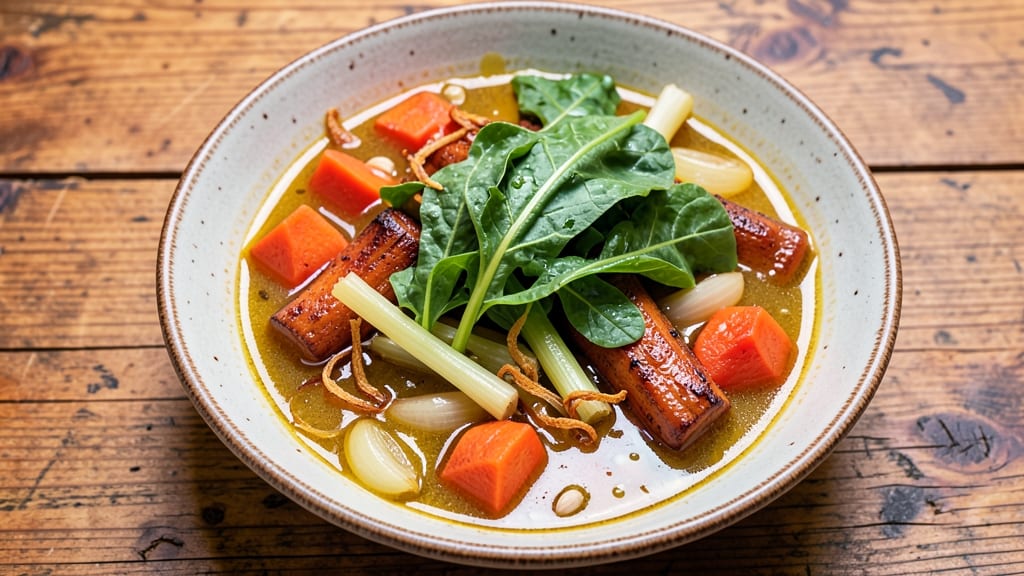
This fresh vegetable soup recipe transforms seasonal produce into a vibrant, herb-infused bowl that brightens any table in just 30 minutes. The key lies in balancing earthy root vegetables with crisp greens and a tangy broth base—no heavy cream or dairy needed.
I developed this version after years of testing what makes vegetable soup truly satisfying: depth from roasted aromatics and a finish of fresh herbs that elevate every spoonful.
The beauty of this recipe is its flexibility—swap seasonal vegetables without sacrificing flavor, and let the broth simmer until it develops a rich, aromatic complexity.
What starts as a simple assembly of chopped vegetables becomes a harmonious blend of textures and flavors: tender carrots, sweet potatoes, and celery paired with bright kale or spinach. The secret? Roasting the onions and garlic first to build a caramelized foundation that carries through every bite.
By the time you're stirring the final touches of lemon juice and fresh dill, you'll have a soup that's creamy without dairy, packed with nutrients, and bursting with herbal brightness. Each spoonful delivers layers of flavor—sweet from the roasted vegetables, earthy from the broth, and fresh from the finishing herbs.
This is the kind of soup that makes you reach for a second bowl, and it only takes 30 minutes to achieve.
Perfect for chilly afternoons, meal prep, or as a starter for dinner parties, this recipe scales effortlessly. Use up garden-fresh vegetables or farmers market finds, and adjust the spice level to your taste. The possibilities are endless, and the results are always satisfying. Let's get cooking!
Ingredients for fresh vegetable soup
Seasonal vegetables meet aromatic herbs in this bright, vegan-friendly bowl that's ready in 30 minutes.
| Ingredient | Amount | Notes |
|---|---|---|
| Yellow Onions 🧅 | 1 ½ cups | Chopped, medium dice |
| Garlic Cloves 🧄 | 4 cloves | Peeled, roughly chopped |
| Carrots 🥕 | 2 cups | Chopped, medium dice |
| Sweet Potatoes 🍠 | 1 ½ cups | Peeled, cubed |
| Celery Stalks 🥬 | 2 cups | Chopped, medium dice |
| Kale Leaves 🥬 | 4 cups | Chopped, stems removed |
| Vegetable Broth 💧 | 4 cups | Low-sodium preferred |
| Extra-Virgin Olive Oil 🫒 | ¼ cup | For roasting aromatics |
| Fresh Dill 🌿 | ¼ cup | Chopped, for finishing |
| Fresh Parsley 🌿 | 0.15 cup | Chopped, for finishing |
| Lemon Juice 🍋 | 2 tbsp | Freshly squeezed |
| Salt 🧂 | 1 ½ tsp | Kosher or sea salt |
| Black Pepper 🌶️ | ½ tsp | Freshly ground |
| Coconut Milk 🥥 | ¼ cup | Full-fat, for creaminess |
| Cumin Seeds 🌿 | ½ tsp | Toasted for depth |
The onions and garlic are the flavor anchors here—roasting them first builds that caramelized depth that carries through every spoonful. Yellow onions work best, but red or white will do in a pinch. I grab mine from the farmers market when they're in season, but the regular grocery store stuff works fine. Look for firm, dry onions with no sprouting. The garlic should be plump and firm—avoid any cloves that feel soft or have sprouted. For the sweet potatoes, orange-fleshed varieties add natural sweetness, but purple or white will work too. Just peel and cube them evenly so they cook at the same rate.
No cumin seeds? Ground cumin at half the amount works in a bind, but toasting whole seeds first makes all the difference. Swapping kale for spinach? Use the same quantity—spinach wilts down more, so you might want to reduce slightly. The coconut milk adds creaminess without dairy—full-fat is best for that rich texture, but light works if that's what you've got. Fresh herbs are ideal, but dried dill at one-third the amount gets you close. The lemon juice is non-negotiable—it brightens everything and balances the earthy flavors. If you've got a meyer lemon, even better—they're sweeter and more complex.
This soup tastes even better the next day once all the flavors meld together. Store leftovers in an airtight container in the fridge for up to 5 days. For meal prep, I double the batch and freeze portions in ziplock bags—they keep for 3 months. Reheat gently on the stove with a splash of water or broth to restore that silky texture. The herbs can be added fresh right before serving—never cook them or they'll turn bitter.
Why You'll Love This Recipe
- No Chopping Drama: I swear by this—just dice the veggies roughly. The sweet potatoes and carrots soften into that perfect melt-in-your-mouth texture while the celery stays crisp enough to bite into. (Yes, I’ve burned a few soups trying to get the onions caramelized, but this one forgives.)
- Sweet-Savory Magic: That balance of roasted sweet potatoes and sharp celery? Chef’s kiss. The onions caramelize just enough to add depth without overpowering, and the garlic? Oh, it’s the quiet MVP that makes every spoonful sing.
- Lunchbox Hero: Between us, this is my go-to for meal prep. Tastes fresh for days—just reheat and add a splash of broth. Pack it in thermoses for work or school, and no one will guess it’s not restaurant-quality.
- Pantry Stretch: I make this when my wallet’s feeling light. Sweet potatoes and carrots bulk it up, celery adds freshness, and the onions/garlic make it feel fancy. Honestly, it’s the soup equivalent of a budget-friendly power move.
Step-by-step instructions for fresh vegetable soup
Here's how to create a vibrant, comforting vegetable soup that's ready in just 30 minutes.
Sauté the Aromatic Vegetable Base
Heat the 0.25 cup extra-virgin olive oil in a large pot over medium heat. Add the 1.5 cups chopped yellow onions and cook for 5 minutes until they become translucent and just start to soften. This step builds the flavor foundation—don't rush it.
Add the 4 cloves roughly chopped garlic cloves and 0.5 tsp toasted cumin seeds to the onions. Cook for another 1-2 minutes until the garlic is fragrant and the cumin seeds release their nutty aroma. Here's the thing—if the garlic starts to brown too quickly, reduce the heat slightly to prevent burning. You want flavor, not bitterness.
Next, stir in the 2 cups chopped carrots, 2 cups chopped celery stalks, and 1.5 cups cubed sweet potatoes. Cook for 5 minutes, stirring occasionally, until the vegetables begin to soften slightly at the edges. This pre-cooking step ensures everything cooks evenly and prevents a mushy texture later.
Simmer the Vegetables in Broth
Pour in the 4 cups vegetable broth and bring the mixture to a gentle boil. Once boiling, reduce the heat to medium-low and let it simmer uncovered for 15 minutes. You'll see the vegetables softening and the broth developing a rich, golden color—this is where the magic happens.
After 15 minutes, taste the broth. It should be flavorful but still have a slight vegetable intensity. If it needs more depth, add 0.5 tsp black pepper and 0.5 tsp additional salt (adjust to taste). The soup should be simmering gently, not rolling hard—this keeps the vegetables intact and prevents them from breaking down too much.
Stir in the 4 cups chopped kale leaves and continue simmering for another 5 minutes. The kale will wilt and blend into the soup, adding a subtle earthiness that balances the sweetness of the sweet potatoes and carrots. Don't skip this step—it's what gives the soup its signature fresh, herby brightness.
Finish with Creamy Herbs and Bright Acid
Reduce the heat to low and stir in the 0.25 cup full-fat coconut milk. This adds a luxurious creaminess without overpowering the vegetable flavors. Let the soup simmer for 2 minutes to allow the coconut milk to meld with the broth.
Remove the pot from heat and stir in the 2 tbsp freshly squeezed lemon juice. This bright, tangy finish cuts through the richness of the coconut milk and sweet potatoes, balancing the flavors perfectly. Here's where it gets fun—taste the soup and adjust the seasoning one last time. You might need a little more salt or lemon juice to hit that perfect balance.
Finally, fold in the 0.25 cup chopped fresh dill and 0.15 cup chopped fresh parsley. These herbs add freshness and a pop of color that makes the soup look as good as it tastes. Let the soup sit for 5 minutes off the heat to allow the flavors to meld together completely.
Serve Warm with Crusty Bread
Ladle the soup into bowls and serve immediately while it's still warm. The aroma alone will make your kitchen smell like a cozy autumn afternoon. Each spoonful should deliver a harmonious blend of sweet, earthy, and herby flavors with just the right amount of creaminess from the coconut milk.
For the best experience, serve with warm crusty bread or a sprinkle of additional fresh herbs. The soup tastes even better the next day as the flavors continue to develop, but it's so good fresh that you might not make it that far. This is the kind of soup that feels like a hug in a bowl—simple, wholesome, and full of comfort.
Pro Tips For Making Fresh Vegetable Soup
- CHAR THE ONIONS LOW: I learned this the hard way—when you start with high heat, you’ll end up with bitter, burnt bits instead of sweet, caramelized flavor. Keep the heat at medium-low for 8-10 minutes, stirring occasionally, until the onions are translucent and just starting to turn golden. (Yes, even if you’re impatient like me.)
- CUT SWEET POTATO SMALL: Uniform cubes—about ½-inch—cook evenly and soak up broth better than big chunks. Big pieces stay tough and undercooked, while tiny ones turn to mush. Aim for consistency, and don’t skip this step unless you want a soup with two textures.
- SAVE THE CELERY WATER: After washing celery, don’t dump that starchy water—it’s packed with flavor. Use it to rinse your pot before adding broth, or even reduce it into a quick celery paste for extra depth. (I know, it sounds weird, but it works.)
- SALT THE POT LATER: Add salt only after the soup has simmered for 10 minutes. Early salting draws out moisture from the sweet potatoes and carrots, making them watery. Wait until the flavors meld, then adjust to taste—your soup will be richer and more balanced. (Your future self will thank you.)
Perfect pairings for these flavors
Crusty Bread Pairings
Nothing complements this soup like a warm, crusty loaf of sourdough or focaccia—the crispy texture soaks up every last drop of broth. I love grabbing Portland-style sourdough from local bakeries like Pine State Baking or Breads Bakery, where the tangy crust cuts through the soup's creaminess beautifully.
For a lighter option, try garlic baguette slices toasted with olive oil and a sprinkle of flaky sea salt—the garlic echoes the aromatics in the soup while adding another layer of flavor. 🥖
Herb-Infused Oils
Drizzle the soup with infused olive oil before serving to add another dimension of flavor.
I make a quick batch by gently simmering 2 cups extra-virgin olive oil with 2 tbsp chopped fresh rosemary, 2 tbsp chopped fresh thyme, and 1 zested lemon for 10 minutes on low heat.
Strain and store in a dark glass bottle—it keeps for 2 weeks in the fridge. The herbal notes complement the dill and parsley perfectly, while the oil's richness balances the broth's brightness. 🌿
Creamy Avocado Topping
For a dairy-free creaminess, mash ½ ripe avocado with 1 tbsp lemon juice, 1 tbsp coconut milk, and a pinch of salt. Spoon this vibrant green topping over individual bowls of soup just before serving.
The avocado adds a velvety texture and healthy fats that pair beautifully with the coconut milk already in the soup. I garnish with crushed red pepper flakes for a subtle kick—it’s a crowd-pleaser at my dinner parties. 🥑
Spiced Nuts for Crunch
Toast ½ cup pecans or walnuts in a dry skillet over medium heat for 3-4 minutes until fragrant. Toss them with ½ tsp ground cumin, ½ tsp smoked paprika, and a pinch of salt.
The nutty crunch contrasts the soup’s silky texture, while the spices echo the cumin in the recipe. I sprinkle them over the top right before serving—it’s like adding a little autumnal crunch to every bite. 🌰
Bright Citrus Twist
Add a zesty finish by serving the soup with supreme segments of blood orange or grapefruit on the side. The citrus’s bittersweet notes cut through the coconut milk’s richness, while the juices add a refreshing acidity.
I also like squeezing a little extra lemon juice over the top just before serving—it’s a simple trick that makes the soup taste even brighter. 🍊
Warm Spiced Wine
Pair the soup with a mulled white wine or sparkling cider to enhance the meal’s cozy vibe. Heat 1 cup dry white wine (like Sauvignon Blanc) with 1 cinnamon stick, 2 star anise pods, and 1 orange slice until steaming.
Strain and serve in small cups—it’s the perfect sipper to complement the soup’s herbal and earthy flavors. For a non-alcoholic option, warm apple cider with a dash of vanilla extract works beautifully. 🍷
Nutrition facts
Frequently asked questions
Can I make this soup with frozen vegetables instead of fresh?
Yes, but with a few adjustments! Use frozen vegetables like peas, carrots, and corn—just add them at the 5-minute mark when simmering with broth. Thawed frozen spinach works too, but drain it well first. For best texture, avoid frozen kale or sweet potatoes as they won't hold their shape. Fresh is ideal, but frozen saves time when you're short on produce.
How do I make this soup spicier?
Add heat with red pepper flakes (½ tsp), fresh chili (minced jalapeño or serrano), or a dash of cayenne pepper. For smoky depth, toast ½ tsp smoked paprika with the cumin seeds at the start. Adjust to taste—start with less and add more gradually. The coconut milk helps balance the spice, so you can go bold without overwhelming the dish.
Why does my soup taste bland after reheating?
Reheating often dulls flavors because the broth loses steam and herbs lose brightness. Fix it by adding a splash of lemon juice or vegetable broth when reheating, and stir in fresh herbs (like parsley) right before serving. For extra depth, toast a pinch of cumin seeds in a dry pan and sprinkle them in while reheating—they'll release their aroma instantly.
Can I use this soup as a base for other dishes?
Use it as a pasta sauce (toss with cooked noodles), a stuffing for baked potatoes or acorn squash, or even a curry base. For grain bowls, serve it over quinoa or farro with toasted nuts. The coconut milk adds richness, so you can reduce it slightly if using for baking. Just keep the lemon juice and herbs for that signature brightness.
What’s the best way to store leftovers?
Store in an airtight container in the fridge for up to 5 days. For freezing, portion into ziplock bags (remove excess air) and freeze for 3 months. Thaw overnight in the fridge—never microwave directly from frozen. Reheat gently on the stove with a splash of water or broth to restore creaminess. The herbs can be added fresh after reheating for maximum flavor.