
Soups & Stews
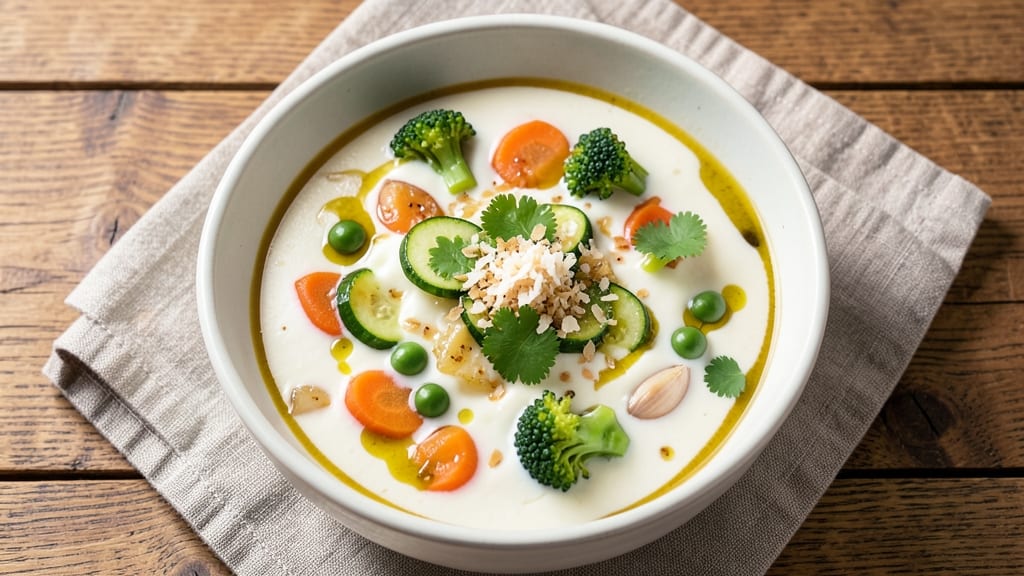
This frozen veg soup recipe transforms pantry staples and frozen vegetables into a velvety, comforting meal without requiring a blender—just one pot and 30 minutes. The trick lies in simmering frozen veggies until tender, then blending directly in the pot with broth and cream (or coconut milk for vegan).
I developed this after realizing how often frozen vegetables go to waste, and this method ensures every bit gets used efficiently.
The beauty of this recipe is its simplicity and versatility—no special equipment, no complicated steps, and it works with whatever frozen vegetables you have on hand. Whether you're using mixed veggies, peas and carrots, or even frozen spinach, the result is a smooth, creamy soup packed with nutrients.
The one-pot approach means minimal cleanup, making it perfect for busy weeknights or meal prep.
What you’ll end up with is a rich, flavorful soup that’s creamy without dairy, hearty enough to satisfy, and easy to customize with herbs, spices, or a splash of lemon for brightness.
The texture is silky-smooth, thanks to the natural breakdown of the frozen vegetables during simmering, and the broth absorbs all the flavors for a deeply satisfying meal.
Best of all, this soup freezes beautifully for up to three months, so you can make a big batch and enjoy it all season long. Serve it with crusty bread or a sprinkle of fresh herbs for a complete, comforting dish that’s as nutritious as it is delicious.
Ingredients for frozen veg soup
Pantry staples and frozen veggies make this creamy soup effortless and nutritious.
| Ingredient | Amount | Notes |
|---|---|---|
| Frozen Mixed Vegetables 🥦 | 4 cups | Any combination works (peas, carrots, corn) |
| Vegetable Broth 💧 | 3 cups | Low-sodium preferred for flavor control |
| Full-Fat Coconut Milk 🥥 | 1 cup | Canned, well-shaken before use |
| Yellow Onion 🧅 | 1 whole | Diced small for even cooking |
| Garlic Cloves 🧄 | 3 cloves | Minced for even distribution |
| Extra-Virgin Olive Oil 🫒 | 2 tbsp | For sautéing aromatics |
| Lemon Juice 🍋 | 1 tbsp | Freshly squeezed for brightness |
| Dried Thyme 🌿 | 1 tsp | Or 1 tbsp fresh thyme leaves |
| Sea Salt 🧂 | 1 tsp | Adjust to taste at the end |
| Black Peppercorns 🌶️ | ½ tsp | Freshly cracked for best flavor |
| Fresh Spinach 🍃 | 1 cup | Optional for extra greens |
The coconut milk is the secret weapon here—full-fat gives the best creaminess, and the canned version works perfectly. Trader Joe's and CostcoAny combination works, but I usually grab the mixed veggie bag from Oscar Mayer or Green Giant—they're consistent and affordable. Fresh spinach is optional but adds great color and nutrients if you've got it.
No coconut milk? Silken tofu blended with a splash of water works in a pinch (about 1 cup tofu + 2 tbsp water = 1 cup coconut milk). Fresh thyme is ideal, but dried works at one-third the amount. The lemon juice is non-negotiable—it brightens everything up. If you're short on time, bottled lemon juice works fine, but fresh is always better. The broth matters too—low-sodium versions give you more control over the final seasoning. And if you're using frozen spinach, make sure it's thawed before adding to avoid a watery soup.
This soup freezes beautifully—portion into containers before freezing for easy lunches later. Keeps for 3 months in the freezer, and honestly tastes even better after a day or two as the flavors meld. For extra richness, stir in a spoonful of nutritional yeast before serving. The one-pot method means minimal cleanup, so you can make this on a busy weeknight and still have time to relax.
Why You'll Love This Recipe
- No Chopping Needed: I swear by this one—just dump the frozen veggies straight into the pot. No wilting herbs, no knife skills, no stress. That onion and garlic sizzle in the pan while the veggies thaw, and suddenly you’ve got a fragrant base without lifting a finger.
- Creamy Without Guilt: The full-fat coconut milk turns this into something rich and velvety, but it’s still light enough to feel healthy. Honestly, I didn’t believe it’d work until I tasted it—now it’s my go-to when I want comfort without the heaviness.
- Meal Prep MVP: Make a big batch on Sunday, and you’ve got lunch or dinner covered all week. The flavors actually improve overnight, and reheating it? Just stir, microwave, and boom—warm, satisfying soup in minutes. My lazy Sundays thank me.
- Budget-Friendly Luxury: Frozen veggies and broth keep costs low, but the coconut milk makes it feel special. Between us, this is how I trick my family into eating veggies—no one suspects it’s this easy or this cheap. Win-win.
Step-by-step instructions for frozen vegetable soup
This one-pot method delivers velvety, restaurant-quality soup without a blender in sight.
Sauté Onion and Garlic Until Fragrant
Heat the 2 tablespoons extra-virgin olive oil in a large pot over medium heat. Add the 1 whole yellow onion, diced small, and cook for 5-6 minutes until softened and translucent. I like to stir occasionally so the onion doesn't brown too much—we want flavor, not color.
Add the 3 cloves garlic cloves, minced, and cook for another 30 seconds until you can smell that aromatic punch. Here's the thing—don't let the garlic burn. It turns bitter fast, and you'll taste it in every spoonful. Remove the pot from heat for just a moment if it starts to darken too quickly.
Add Vegetables and Broth for Simmering
Return the pot to medium heat and add the 4 cups frozen mixed vegetables. Stir them gently to coat with the onion and garlic mixture. Pour in the 3 cups vegetable broth and bring everything to a gentle boil. Once boiling, reduce the heat to medium-low and let it simmer uncovered for 10 minutes.
You'll notice the vegetables softening and releasing their natural flavors into the broth. This is where the magic happens—the longer they simmer, the more their sweetness infuses into the soup. If the liquid reduces too much before the vegetables are tender, add a splash of water (but we're aiming for that perfect one-pot consistency).
Stir in Coconut Milk and Seasonings
After the vegetables have softened, reduce the heat to low and stir in the 1 cup full-fat coconut milk. This is what gives our soup that creamy texture without needing a blender. Add the 1 teaspoon dried thyme, 1 teaspoon sea salt, and 0.5 teaspoon black peppercorns (cracked if possible). Let the soup simmer for another 5 minutes to allow the flavors to meld.
Here's where it gets good—taste and adjust the seasoning. I usually add a pinch more salt at this stage because the coconut milk can dilute the flavors slightly. If you want extra brightness, this is also the perfect time to add the 1 tablespoon lemon juice. It cuts through the richness and adds a fresh finish.
Finish with Spinach and Rest
Stir in the 1 cup fresh spinach and cook for 1-2 minutes until just wilted. The spinach adds a vibrant green color and a fresh, peppery note that balances the creamy coconut milk. Remove the pot from heat and let the soup sit for 5 minutes—this resting period allows all the flavors to settle and the soup to thicken slightly.
Give it one final taste and adjust the seasoning if needed. The soup should be creamy, flavorful, and perfectly balanced—no blender required. Serve warm with crusty bread or a sprinkle of fresh herbs if you like. This one-pot method is foolproof, and the results are always comforting.
Pro Tips For Making Frozen Veg Soup
- Sauté Onions Low: Frozen veg mixes hide better when onions caramelize first—just 5-7 minutes on medium-low heat until soft and translucent. I learned this the hard way; skipping this step leaves your soup tasting like a sad, watery stew instead of a rich base.
- Thaw Veggies First: Dump frozen veggies straight into boiling broth? Nope. Toss them in a colander under warm water for 2-3 minutes to soften edges—this prevents a grainy texture and ensures even cooking. (Yes, even if you’re impatient like me.)
- Stir Coconut Milk Late: Add full-fat coconut milk at the very end, off the heat, or it’ll curdle into a weird, lumpy mess. Stir in gently while the soup’s still hot but not boiling—this keeps the creaminess silky, not greasy.
- Salt the Broth Early: Taste the vegetable broth before adding veggies—adjust salt now, not later. Frozen veggies soak up flavor like sponges, and you’ll regret waiting until the end when you’re left guessing how much more to add. (Your future self will thank you.)
Make-ahead tips for frozen veg soup
Prep Ahead for Busy Days
I always make a double batch of this soup on Sundays so I can grab a ready-to-heat portion any night of the week. The secret is portioning it into 2-cup servings in glass Pyrex containers—they reheat evenly and keep flavors intact.
Label each container with the date so you can track freshness. The soup actually tastes better after a day or two in the fridge as the flavors meld together beautifully. 📅
Freezer-Friendly Tips
For long-term storage, let the soup cool completely before transferring it to freezer-safe bags or airtight containers. Leave 1-inch headspace to prevent expansion cracks. I like to use quart-sized freezer bags because they're stackable and easy to thaw.
When ready to eat, simply microwave for 2-3 minutes or reheat on the stovetop over low heat for 10 minutes with a splash of water. ❄️
Thawing Without Water
If you're short on time, place the frozen soup container directly in the fridge overnight—it'll thaw perfectly by morning. For quicker results, run the sealed container under cool water while stirring occasionally.
Never thaw at room temperature, as this creates a breeding ground for bacteria. The coconut milk stays creamy when thawed properly, so you won't lose that velvety texture. 💧
Make-Ahead Freezing Hacks
To maximize freezer space, freeze the soup in ice cube trays if you want single-serving portions. Pop them out and store in a ziplock bag—each cube reheats perfectly in 30 seconds in the microwave.
For extra flavor, freeze the broth and vegetables separately, then combine with fresh coconut milk when ready to use. This keeps the soup's texture consistent after freezing. 🧊
Reheating for Best Texture
Stovetop reheating gives the best results because it prevents the coconut milk from separating. Heat the soup over low-medium heat and stir frequently. If it looks too thick after reheating, add 1-2 tablespoons of water or broth to restore creaminess.
For microwave reheating, use 50% power and stir halfway through to ensure even heating. Always taste and adjust seasoning after reheating. 🔥
Batch Cooking Strategy
Divide your soup into 4 equal portions before freezing so you can grab exactly what you need. I like to keep two portions in the fridge for quick meals and freeze the rest.
The fridge portions last 4-5 days, while frozen portions maintain quality for 3 months. This system ensures you always have a comforting meal ready without last-minute prep. 💡
Nutrition facts
Frequently asked questions
Can I use any frozen vegetables in this recipe?
This recipe works with any frozen vegetables—mixed veggies, peas and carrots, corn, or even frozen spinach. The key is to let them simmer until tender so they break down into a creamy texture. If using spinach, add it at the very end to maintain its vibrant color.
Why does this soup get creamy without blending?
The magic happens when frozen veggies simmer in broth—they naturally release starches that thicken the soup. The coconut milk adds richness, while the simmering process breaks down the vegetables into a velvety consistency. No blender needed!
How do I make this vegan-friendly?
This recipe is already vegan! Just skip any optional dairy additions (like cream) and ensure your broth is vegetable-based. The coconut milk provides creaminess without animal products, and all other ingredients are plant-based.
Can I freeze this soup, and how long will it last?
Yes! Freeze in airtight containers for up to 3 months. Thaw overnight in the fridge or reheat directly from frozen on the stovetop with a splash of water. The coconut milk stays creamy when stored properly.
What if my soup turns out too thin?
Simmer uncovered for 5-10 extra minutes to reduce the liquid, or stir in 1 tablespoon cornstarch mixed with water to thicken. If using coconut milk, ensure it's full-fat for the best creaminess.