
Soups & Stews
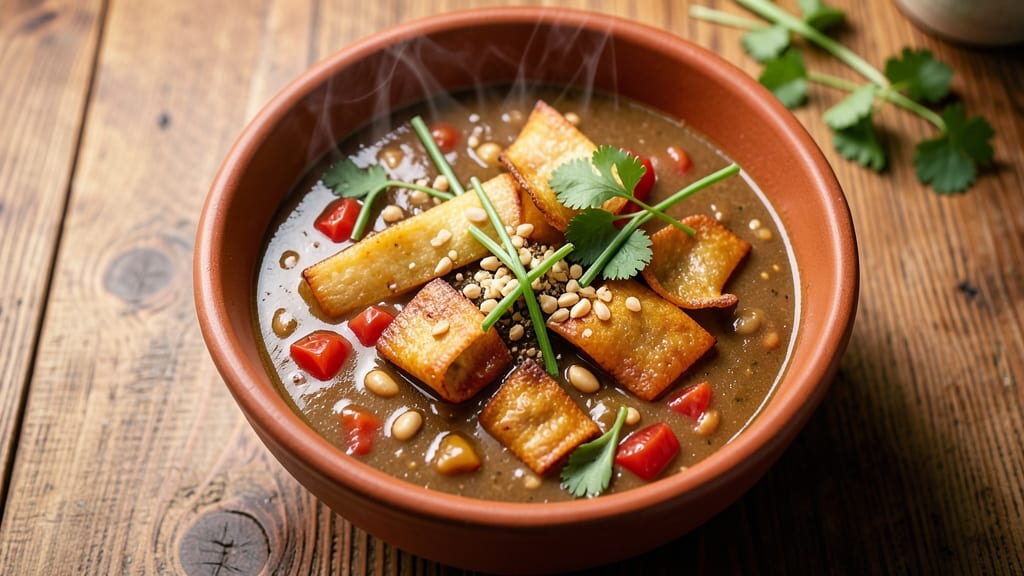
This Ghana peanut soup recipe brings the rich, nutty warmth of West Africa directly to your kitchen table, where earthy spices and creamy peanut sauce create comfort in every spoonful.
The dish balances traditional Ghanaian flavors with a vegetarian-friendly foundation, though it can easily incorporate fish or meat for added depth. What sets this recipe apart is its ability to transform simple ingredients into something deeply satisfying—perfect for both weeknight dinners and special occasions.
The soul of this soup lies in its aromatic base of onions, garlic, and ginger, which form the flavor backbone before blending seamlessly with ground peanuts and tomatoes. A touch of palm oil adds that signature West African richness, while spices like thyme and bay leaf create layers of warmth.
The result is a velvety, slightly spiced broth that clings to every ingredient, making it hearty enough to stand alone or pair beautifully with rice or fried plantains.
What makes this recipe truly special is its versatility—adjust the protein to suit your preferences, from smoked fish to chickpeas, while keeping the peanut sauce consistently luscious. The slow simmering process allows flavors to meld perfectly, creating a dish that tastes even better the next day.
Whether you're serving a family gathering or simply craving a taste of Ghana, this soup delivers restaurant-quality warmth with minimal effort.
For those new to West African cuisine, this recipe serves as an excellent introduction, showcasing how bold spices and humble ingredients can create something extraordinary. The key is patience—letting the flavors develop over time transforms this dish from ordinary to unforgettable.
Ready to experience the nutty, spiced embrace of Ghanaian comfort food?
Ingredients for ghana peanut soup
Earthy spices, nutty peanuts, and aromatic vegetables create this Ghanaian comfort dish.
| Ingredient | Amount | Notes |
|---|---|---|
| Extra-Virgin Olive Oil 🫒 | ¼ cup | For sautéing aromatic base |
| Yellow Onions 🧅 | 1 whole | Diced into fine pieces |
| Garlic Cloves 🧄 | 4 cloves | Minced for aromatic depth |
| Fresh Ginger Root 🌿 | 2 tbsp | Grated, aromatic freshness |
| Ground Peanuts 🥜 | 1 cup | Unsalted, for creamy texture |
| Canned Diced Tomatoes 🍅 | 1 can | San Marzano preferred |
| Vegetable Stock 💧 | 4 cups | Low-sodium preferred |
| Palm Oil 🫒 | 2 tbsp | Red palm oil for authenticity |
| Dried Thyme 🌿 | 1 tsp | Or 1 tbsp fresh thyme |
| Bay Leaves 🍃 | 2 whole | For subtle earthy flavor |
| Ground Black Pepper 🌶️ | ½ tsp | Freshly cracked preferred |
| Salt 🧂 | 1 ½ tsp | Diamond Crystal kosher |
| Chickpeas 🥜 | 1 ½ cups | Cooked, for protein base |
| Fresh Cilantro 🌿 | ¼ cup | Chopped, for garnish |
| Lemon Juice 🍋 | 1 tbsp | Freshly squeezed |
The peanut base demands quality—opt for unsalted ground peanuts from bulk bins at Whole Foods or specialty stores for maximum flavor. Fresh ginger and garlic should be vibrant, with no signs of sprouting or discoloration. Palm oil, the signature ingredient, can be found in the international aisle at Trader Joe's or African markets. For the tomatoes, San Marzano cans provide the sweetest, most consistent flavor. Thyme and bay leaves should be whole and aromatic, not dusty or stale. The chickpeas can be canned for convenience or cooked from dry for better texture.
No palm oil? Coconut oil or extra-virgin olive oil works in a pinch, though the flavor will differ slightly. Substitute dried thyme with one-third the amount of fresh if available. For a smoky depth, add ½ tsp smoked paprika. The chickpeas can be swapped for white beans or lentils if preferred. Fresh cilantro can be omitted if unavailable, but the bright acidity from lemon juice remains essential. For extra richness, stir in 2 tbsp tahini at the end. Always taste as you go—adjust salt and pepper to balance the peanut intensity.
This soup develops deeper flavor over time, so prepare it at least 4 hours ahead if possible. Store in an airtight container in the refrigerator for up to 5 days, though the texture may thicken slightly. Reheat gently on the stove with an extra splash of vegetable stock. Freezes beautifully for up to 3 months. The peanut sauce thickens upon reheating—thin with stock if needed. Serve with jasmine rice or fried plantains for a complete meal.
Why You'll Love This Recipe
- Make a double batch on Sunday: this soup reheats beautifully for packed lunches or a last-minute dinner when takeout menus feel overwhelming. (Yes, even on a Tuesday night.) The flavors actually improve after sitting overnight—honestly, the leftovers are my favorite part.
- No Chopping Chaos: I swear by this recipe because you only need to dice one onion and mince a few garlic cloves. The ginger? Just grate a thumb-sized piece—no peeling required if you’re in a rush. That’s it. The peanuts do all the heavy lifting.
- Peanut Butter’s Rich Cousin: The ground peanuts create this velvety, nutty depth that tastes nothing like your childhood PB&J. The ginger and garlic sizzle in olive oil until they’re fragrant enough to make your kitchen smell like a West African street food stall—before you even add water.
- Lunch to Dinner Hero: Make a double batch on Sunday: this soup reheats beautifully for packed lunches or a last-minute dinner when takeout menus feel overwhelming. (Yes, even on a Tuesday night.) The flavors actually improve after sitting overnight—honestly, the leftovers are my favorite part.
Step-by-step instructions for Ghana peanut soup
Here's the method for crafting a rich, aromatic West African-inspired peanut soup with balanced textures and deep flavors.
Develop the Aromatic Base
Heat the 0.25 cup extra-virgin olive oil in a heavy-bottomed pot over medium heat. Add the 1 whole yellow onions and cook for 5 minutes until softened and translucent, stirring occasionally. Real talk: This foundational step builds the soup's complexity, so don't rush it.
Add the 2 tbsp fresh ginger root and 4 cloves garlic cloves, stirring constantly for 1 minute until fragrant. The ginger should release its pungent aroma while the garlic softens but doesn't brown. Here's where it gets good—stir in the 2 whole bay leaves and 1 tsp dried thyme, letting them infuse for 30 seconds before moving forward.
Build the Peanut and Tomato Foundation
Reduce heat to medium-low and whisk in the 1 cup ground peanuts and 2 tbsp palm oil. Cook for 3 minutes until the peanuts release their nutty oils and the mixture becomes smooth and creamy. This is the heart of your soup's texture—don't let it burn, or you'll taste bitterness instead of richness.
Add the 1 can canned diced tomatoes and 4 cups vegetable stock, scraping up any browned bits from the bottom of the pot. Bring to a gentle simmer, then add the 1.5 tsp salt and 0.5 tsp ground black pepper. The soup should reduce slightly as it simmers, concentrating the flavors. Let it cook uncovered for 15 minutes, stirring occasionally, until the peanut mixture thickens noticeably.
Incorporate Chickpeas and Finish
Gently stir in the 1.5 cups chickpeas and simmer for 10 minutes until heated through. The chickpeas should absorb the peanut-infused broth while maintaining their shape. Here's the thing—if the soup becomes too thick, add 2-3 tablespoons of water to reach your desired consistency. The final texture should coat the back of a spoon but remain smooth.
Remove the pot from heat and stir in the 1 tbsp lemon juice and 0.25 cup fresh cilantro. This brightens the rich peanut flavors and adds freshness. Taste and adjust seasoning if needed—West African soups often benefit from a balance of nutty, tangy, and slightly spicy notes. Let the soup rest for 5 minutes before serving to allow the flavors to meld completely.
Serve with Traditional Accompaniments
Ladle the soup into bowls and garnish with additional fresh cilantro if desired. This peanut soup pairs beautifully with fufu, banku, or steamed rice to soak up the rich, creamy broth. The contrast between the smooth peanut sauce and the starchy accompaniment creates a satisfying meal that balances protein, fiber, and healthy fats.
For extra depth, serve with spicy shito or a side of grilled plantains. The acidity of the shito cuts through the richness of the peanut soup, while the caramelized plantains add a sweet counterpoint. The key to this dish is patience—allowing the flavors to develop fully ensures each spoonful delivers the authentic taste of West African cuisine.
Pro Tips For Making Ghana Peanut Soup
- TOAST THE PEANUTS: I learned this the hard way—raw ground peanuts taste bitter and flat. Toast them in a dry pan over medium heat for 3-4 minutes until they smell nutty and darken slightly. This step isn’t optional; it’s what makes the soup rich and aromatic.
- MINCE THE GINGER FINE: Skip the food processor and use a sharp knife to finely mince the ginger into a paste—no bigger than rice grains. Coarse chunks won’t dissolve properly and leave your soup with a weird texture. (Yes, even if you’re impatient like me.)
- SWEAT THE ONIONS LOW: Start the onions in olive oil over low heat and let them sweat for 8-10 minutes until translucent but not browned. Rushing this makes the soup taste raw and harsh—patience here guarantees a smooth, sweet base.
- STIR CONSTANTLY AFTER ADDING PEANUTS: Once you mix in the ground peanuts, keep stirring vigorously for 2 full minutes. The oil will separate if you slack off, and you’ll end up with a split consistency—like a sad, greasy paste. (Your future self will thank you.)
Creative variations of this dish
Vegetarian Protein Swaps
While chickpeas provide a solid protein base, I often swap them for lentils or tofu to vary the texture. Use 1 cup cooked lentils (green or brown) for an earthier flavor, or 1 block firm tofu (pressed and cubed) for a meatier bite.
For extra richness, add 2 tbsp tahini when finishing the soup—it deepens the nutty profile while keeping it plant-based. 🥜
Fish and Meat Additions
For a traditional touch, add 1 lb smoked fish (like tilapia or mackerel) or ½ lb chicken thighs in the final 10 minutes of cooking. The fish breaks apart beautifully, while chicken thighs stay tender and absorb the peanut sauce.
I recommend smoked tilapia from the African market for authentic flavor—it adds a subtle smokiness that pairs perfectly with the peanut base.
Spicy Variations
Crank up the heat by adding 1-2 tbsp shito (Ghanaian black pepper sauce) at the end or 1 tsp cayenne pepper during the simmer. For a smoky kick, stir in ½ tsp smoked paprika with the peanuts.
If you love fresh heat, top with chopped scotch bonnet peppers—just a tiny amount adds serious fire without overpowering the dish. 🌶️
Creamy Upgrades
For a silkier texture, blend ½ cup of the soup with ¼ cup coconut milk and return it to the pot. This creates a luxurious, velvety consistency that feels restaurant-worthy.
Another trick: Stir in 2 tbsp peanut butter at the end for an extra nutty depth—just be sure to use natural, unsweetened varieties. The result is a soup that’s both comforting and indulgent.
Regional Twists
In coastal Ghana, this soup often includes fresh seafood like shrimp or crab. Add them in the last 5 minutes to prevent overcooking. For a Northern Ghana twist, swap peanuts for ground walnuts (toasted first) and add 1 tsp ground nutmeg for warmth.
Both variations keep the soul of the dish while offering unique regional flavors. 🗺️
Dairy-Free Enhancements
To make this soup even more versatile, stir in ¼ cup cashew cream (blended soaked cashews with water) for a dairy-free richness. Alternatively, add 2 tbsp nutritional yeast for a cheesy, umami boost. These additions work beautifully with the peanut base while keeping the dish completely plant-based and allergy-friendly.
Nutrition facts
Frequently asked questions
Can I make this Ghanaian peanut stew without palm oil?
While palm oil adds authentic color and richness, you can substitute with 2 tbsp extra-virgin olive oil or coconut oil. For a smoky depth, use 1 tbsp smoked paprika mixed with the peanut base. The flavor will differ slightly but still deliver that nutty, spiced warmth.
How do I prevent the peanut sauce from getting too thick?
Start with 4 cups vegetable stock and simmer uncovered to reduce naturally. If it thickens too much, whisk in 2-3 tbsp stock or water gradually until smooth. The ideal texture should coat the back of a spoon but remain pourable. Stirring frequently helps maintain consistency.
What's the best way to store leftovers?
Transfer to an airtight container and refrigerate for up to 5 days. The peanut sauce may thicken slightly—just stir in a splash of stock when reheating. For longer storage, freeze for up to 3 months. Thaw overnight in the fridge before reheating gently on low heat.
Can I make this soup spicier?
Yes! Add 1-2 tbsp shito (Ghanaian pepper sauce) at the end or ½ tsp cayenne during simmering. For fresh heat, top with chopped scotch bonnet peppers. Start with small amounts—West African spices pack serious punch! Adjust to taste after adding.
What are the best sides to serve with this dish?
Traditional pairings include steamed jasmine rice, fufu, or banku to soak up the rich broth. For extra flair, add fried plantains or grilled corn. The starchy contrast balances the peanut sauce perfectly while keeping the meal hearty and satisfying.