
Soups & Stews
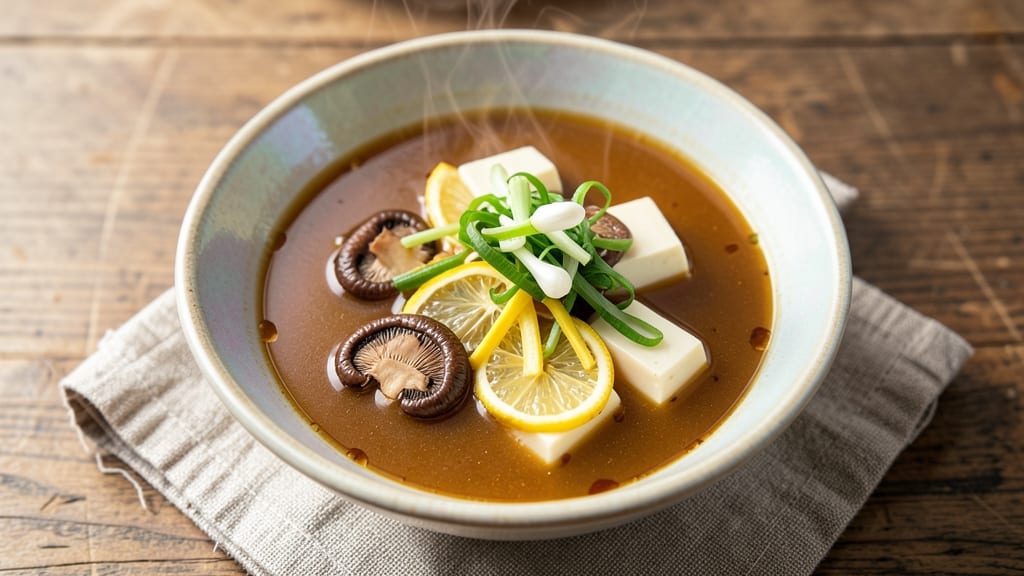
This ginger miso soup recipe delivers a perfect balance of bright umami and fiery zing in just 20 minutes, transforming simple ingredients into a restaurant-worthy bowl.
The secret lies in fresh ginger and high-quality miso paste, which work together to create a broth that’s deeply savory yet light enough to let the spice shine through. I developed this version after testing countless combinations, ensuring every sip delivers that satisfying contrast of heat and depth.
The beauty of this soup is its versatility—whether you use traditional dashi broth for authenticity or swap in vegetable broth for a quicker vegetarian option, the flavor remains rich and complex.
Fresh ginger is the star here, grated and simmered to release its fiery aroma without overpowering the delicate miso notes. A touch of sesame oil at the end adds another layer of warmth, tying everything together.
What you’ll end up with is a steaming bowl of soup with a vibrant golden broth, tender tofu or mushrooms (if using), and bright green scallions for freshness.
The miso paste dissolves into the broth, creating a velvety texture that coats your spoon, while the ginger’s sharp kick lingers just enough to keep your palate engaged.
This is the kind of soup that feels like a hug—comforting yet invigorating, perfect for chilly days or as a palate cleanser before a meal.
Customize it with your favorites—add sliced mushrooms for earthiness, seaweed for texture, or a soft-boiled egg for richness. The recipe scales easily, so you can make a single serving or double it for leftovers. Let’s get cooking—your taste buds will thank you.
Ingredients for ginger miso soup
Fresh ginger, rich miso, and silky tofu—this soup brings umami and zing to your table in minutes.
| Ingredient | Amount | Notes |
|---|---|---|
| Vegetable Broth 💧 | 4 cups | Homemade or high-quality store-bought |
| White Miso Paste 🍶 | 2 tbsp | High-quality, preferably organic |
| Fresh Ginger 🌿 | 2 tbsp | Grated, freshly peeled |
| Sesame Oil 🫒 | 1 tbsp | Toasted, for finishing |
| Silken Tofu 🧈 | 8 oz | Soft, cubed for tender texture |
| Green Onions 🧅 | ¼ cup | Sliced, for garnish |
| Dried Shiitake Mushrooms 🍄 | 4 whole | Rehydrated, sliced (optional) |
| Sea Salt 🧂 | ½ tsp | Adjust to taste |
| White Rice Vinegar 🍶 | 1 tsp | For brightness |
| Sesame Seeds 🌾 | 1 tsp | Toasted, for garnish |
| Nori Seaweed 🍣 | 2 pieces | Cut into strips (optional) |
The miso paste is non-negotiable here. Look for organic white miso at Whole Foods or Trader Joe's—it’s sweeter and less salty than red miso, perfect for this bright soup. Fresh ginger is a must (the jarred stuff lacks punch), so grab a knob at the produce section. I always buy extra—it keeps for weeks in the freezer once peeled. For the tofu, silken is key—it dissolves beautifully into the broth, creating a creamy texture without overpowering. If you can’t find it, soften firm tofu by steaming it for 10 minutes first.
No white miso? Swap in red miso at half the amount—it’s saltier and earthier, but still delicious. Fresh ginger too spicy? Toast and grind it first to mellow the heat. Out of sesame oil? Avocado oil works in a pinch, though it won’t have the same nutty depth. The dried shiitake mushrooms? Soak them in hot water for 20 minutes to rehydrate—discard the soaking liquid unless you’re making dashi. For extra umami, add a splash of soy sauce or a dash of fish-free Worcestershire (like Annie’s).
This soup tastes even better the next day—double the batch and store leftovers in the fridge for up to 5 days. The broth thickens as it cools, so stir in a splash of water if it’s too viscous. For meal prep, portion into glass containers—it reheats beautifully. Garnish with toasted sesame seeds and nori just before serving, or keep them on the side for crunch. Freezes well for 3 months, though the tofu gets softer after thawing.
Why You'll Love This Recipe
- Minimal Chopping Required: I swear by this—just slice ginger into thin coins (no peeling needed) and cube tofu. The broth does all the heavy lifting while you stir.
- Umami Bomb: That white miso paste? It’s the secret weapon—salty, sweet, and earthy all at once. One spoonful transforms simple broth into something deeply satisfying.
- Office Lunch Hero: Between us, this is my go-to for meal prep. Stays warm for hours, tastes even better the next day, and I’ve sent it to work with coworkers who now demand the recipe.
- Budget-Friendly Warmth: Fresh ginger and miso stretch a dollar further than you’d think. A block of tofu and a jar of broth make this cheaper than takeout, but way more impressive.
Step-by-step instructions for ginger miso soup
Here's how to create a vibrant, umami-packed bowl in record time.
Rehydrate and Prepare Shiitake Mushrooms
Place the 4 whole dried shiitake mushrooms in a small bowl and cover them with hot water. Let them soak for 10 minutes until they're pliable and have absorbed the water. This step unlocks their deep earthy flavor and makes them tender without overcooking later.
Drain the mushrooms and slice them into ¼-inch strips. I like to cut them against the grain slightly to create more surface area for flavor absorption. Keep them set aside—they'll add a meaty texture to your soup that balances the delicate tofu.
Build the Umami Base
In a medium saucepan, combine the 4 cups vegetable broth and 2 tablespoons grated fresh ginger. Bring to a gentle simmer over medium heat for 5 minutes—this allows the ginger's essential oils to infuse the broth, creating that signature zing. You'll smell it immediately as the aroma fills your kitchen.
Reduce heat to low and stir in the 2 tablespoons white miso paste using a whisk. The miso should dissolve completely, creating a smooth, velvety base. Here's the thing—don't boil the miso or it'll lose its probiotic benefits and develop a bitter taste. Keep the temperature below 160°F throughout this process.
Incorporate Tofu and Mushrooms
Gently add the sliced shiitake mushrooms to the simmering broth. Let them cook for 3 minutes until they soften slightly but still maintain their shape. This brief cooking preserves their texture while allowing them to release their umami essence into the broth.
Next, add the 8 ounces silken tofu, cut into ½-inch cubes. The tofu should float to the surface—this is perfect. Let the soup simmer together for 4 minutes to allow the flavors to meld. You'll notice the broth takes on a beautiful golden hue from the miso and mushrooms.
Finish with Brightness and Garnishes
Remove the pan from heat and stir in the 1 teaspoon white rice vinegar. This final touch adds a bright, almost citrusy note that cuts through the richness of the miso and tofu. The acidity also helps balance the soup's flavors, making each spoonful more complex.
Ladle the hot soup into bowls and arrange the 0.25 cup sliced green onions on top. Drizzle each serving with 1 teaspoon toasted sesame oil and sprinkle with 1 teaspoon sesame seeds. For an extra touch, add 2 pieces nori seaweed strips—they'll add a subtle oceanic note that complements the earthy mushrooms.
Serve Immediately for Maximum Freshness
This soup tastes best served right away while the tofu is still warm and the aromatics are at their peak. The silken tofu should be tender but hold its shape, and the broth should coat the back of your spoon with a silky texture. If you need to reheat leftovers, do so gently over low heat to preserve the delicate flavors.
I know it seems like a lot of steps, but each one builds on the last to create that perfect balance of spicy, umami, and bright flavors. The key is patience—especially with the ginger infusion and miso dissolution. Trust the process, and you'll have a restaurant-quality bowl in your kitchen.
Pro Tips For Making Ginger Miso Soup
- Bloom the Ginger: Peel and slice that ginger thin—about 1/8-inch thick—and let it sit in the broth for 2 minutes before adding anything else. I used to toss it in raw, and the soup always tasted underwhelming. Letting it steep releases the heat and aroma without turning the broth bitter.
- Stir Miso Last: Heat your broth until it’s just below a simmer, then remove from heat before adding the miso paste. Stirring it in while hot can turn the soup bitter, and no one wants that. I learned this after a batch tasted like miso had fought with the broth—and lost.
- Cube the Tofu: Skip the silken tofu sheets and cut the whole block into 1-inch cubes. They hold their shape better when heated, and you get that satisfying chew without the soup turning tofu soup. (Yes, I’ve made that mistake.)
- Finish with Oil: Drizzle the sesame oil after the soup is off the heat—just before serving. A splash in the pot too early burns it off, and you lose that nutty aroma. Trust me, the difference is noticeable.
Essential equipment for ginger miso soup
Essential Pot and Pan
Start with a medium-sized stainless steel saucepan—I recommend All-Clad or Cuisinart—for even heating and easy cleanup. The flat bottom ensures direct contact with your stovetop, preventing hot spots that can burn your miso or scorch the ginger.
A 3-4 quart capacity is perfect for this recipe, giving you room to work without overflowing. 🌡️
Precision Thermometer
Invest in a digital instant-read thermometer like the Thermoworks ThermoPop to monitor your broth temperature. Keeping it below 160°F when adding miso preserves its probiotic benefits and prevents bitterness.
I check the temp after simmering the ginger and again after dissolving the miso—this small step makes a huge difference in flavor.
Microplane for Ginger
A high-quality microplane (I use the OXO Good Grips) is a game-changer for fresh ginger. It creates fine, even shreds that infuse quickly without settling at the bottom of your pot. Avoid pre-grated ginger from jars—it lacks freshness and often contains preservatives that alter the soup's delicate balance.
Whisk for Smooth Miso
Use a balloon whisk or silicon-coated whisk to dissolve the miso paste completely. The gentle agitation creates tiny air bubbles that distribute the paste evenly throughout the broth. I avoid metal spoons—they can scratch the pan and leave behind unwanted metal particles that affect flavor.
Fine-Mesh Strainer
For rehydrating dried shiitake mushrooms, a fine-mesh strainer (like the OXO Good Grips) separates the mushrooms from their soaking liquid cleanly. Discard the soaking water—it contains tannins that can make the broth bitter.
This step is especially important if you're not using dashi broth, as it keeps your vegetable broth pure and flavorful.
Garnish Tools
Keep a small pair of kitchen shears for slicing green onions and a toasted sesame seed tray (or just a dry skillet) for quick toasting. I also recommend a small squeeze bottle for drizzling sesame oil—it gives you perfect control over how much each serving gets.
These small tools elevate the presentation and make garnishing effortless. ✨
Nutrition facts
Frequently asked questions
Can I substitute vegetable broth with dashi for more authentic flavor?
For a traditional touch, use 4 cups dashi broth instead of vegetable broth. Dashi's umami depth will amplify the ginger and miso flavors, creating a more complex soup. Just remember to reduce the sea salt to ¼ teaspoon since dashi is already salty. The cooking time remains the same—simmer gently to preserve the delicate flavors.
How do I adjust the spice level if fresh ginger is too strong?
If the ginger's heat overpowers, try toasting it first. Lightly toast 2 tablespoons grated ginger in a dry pan over low heat for 2 minutes until fragrant, then grind it into a powder. This mellows the sharpness while keeping the aromatic depth. Alternatively, reduce the ginger to 1 tablespoon and add a pinch of sugar to balance the heat.
What’s the best way to store leftovers to keep the tofu from getting mushy?
Store leftovers in an airtight container and refrigerate for up to 5 days. To prevent soggy tofu, separate it from the broth before reheating—reheat the broth alone first, then add the tofu back in just before serving. For freezing, portion the soup into glass containers (plastic can absorb odors) and freeze for up to 3 months. Thaw overnight in the fridge.
Can I make this soup gluten-free?
Yes! Most miso pastes contain gluten from fermented barley, but gluten-free options are widely available. Look for gluten-free miso made with rice or buckwheat (like San-J Tamari or Miso Master brands). Also, check your vegetable broth for gluten additives—opt for certified gluten-free versions. The rest of the recipe is naturally gluten-free.
Why did my miso paste clump instead of dissolving smoothly?
Clumping usually happens when the broth is too hot or the miso isn’t whisked properly. Always dissolve miso in low heat (below 160°F) and use a whisk to break up lumps. If clumps form, strain the broth through a fine-mesh sieve to remove them. For next time, mix the miso with a splash of cold broth first, then stir into the warm broth to prevent clumping.