
Soups & Stews
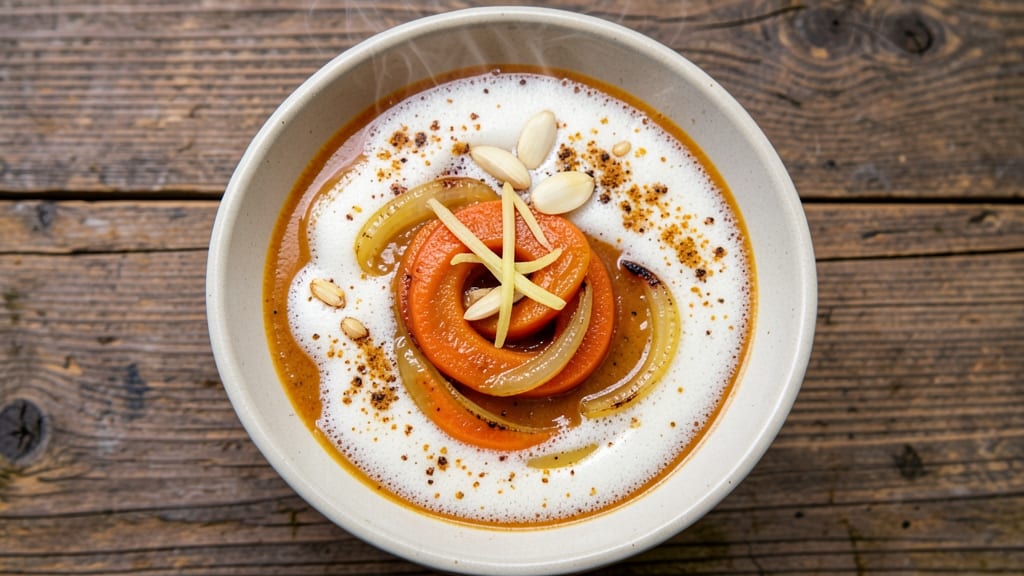
This gingered carrot soup recipe delivers the perfect balance of spicy warmth and earthy sweetness that transforms simple ingredients into a restaurant-quality bowl. The secret lies in slow-cooked carrots that caramelize into natural sweetness while fresh ginger and aromatic spices deepen the flavor profile—no added sugar required.
I developed this version after years of testing, ensuring every spoonful is velvety smooth yet vibrant with bright, herbal notes that linger.
What makes this recipe stand out is its versatility—it works as a light lunch, comforting dinner, or even a hearty starter when served with crusty bread.
The base builds on classic carrot soup techniques but elevates them with precise spice toasting and a touch of coconut milk for richness without heaviness. Unlike many vegan soups that rely on cream substitutes, this version lets the carrots and ginger shine as the stars.
By the time you finish blending, you’ll have a soup that’s impossibly smooth yet packed with texture—silky from the carrots, zingy from the ginger, and subtly spiced with cumin and turmeric.
The aroma alone will fill your kitchen with warmth, while the first sip delivers that perfect harmony of sweet, spicy, and earthy flavors. This is the kind of soup that disappears from the pot faster than you can say "second bowl."
Serve it as-is for a clean, bright flavor profile, or customize with toppings like toasted pumpkin seeds, fresh cilantro, or a drizzle of coconut yogurt. The recipe scales effortlessly for meal prep or entertaining—just double the ingredients and store for up to five days.
Ready to transform humble carrots into something extraordinary?
Ingredients for gingered carrot soup
Simple ingredients that transform into velvety gingered carrot soup with restaurant-quality depth.
| Ingredient | Amount | Notes |
|---|---|---|
| Orange Carrots 🥕 | 2 lb | Whole or chopped, organic preferred |
| Fresh Ginger Root 🌿 | 3 tbsp | Grated, organic preferred |
| Yellow Onion 🧅 | 1 whole | Medium, diced |
| Garlic Cloves 🧄 | 4 cloves | Peeled, minced |
| Ground Cumin 🌶️ | 1 tsp | Toasted for depth |
| Ground Turmeric 🌿 | ½ tsp | Freshly ground preferred |
| Coconut Milk 🥥 | 1 cup | Full-fat, unsweetened |
| Vegetable Broth 💧 | 4 cups | Low-sodium preferred |
| Fresh Lemon Juice 🍋 | 1 tbsp | Freshly squeezed |
| Sea Salt 🧂 | 1 ½ tsp | Adjust to taste |
| Black Peppercorns 🌶️ | ½ tsp | Freshly cracked |
| Fresh Cilantro 🌿 | ¼ cup | Chopped, for garnish |
| Toasted Pumpkin Seeds 🥜 | ¼ cup | For topping |
| Extra-Virgin Olive Oil 🫒 | 2 tbsp | For sautéing |
The carrots are the foundation—organic, vibrant orange ones pack the most natural sweetness. I always grab the 2-pound bag from Trader Joe's since they're consistently sweet and uniform. Fresh ginger is non-negotiable here; the organic root from the produce section has more punch than jarred versions. For the coconut milk, full-fat, unsweetened versions like So Delicious or Thai Kitchen create the creamiest texture without overpowering. Toast your cumin and turmeric in a dry pan for 30 seconds before adding to the pot—this deepens their flavors significantly.
No fresh ginger? Powdered ginger at half the amount works in a pinch, though it lacks the bright zing. Substituting coconut milk? Cashew cream (blended soaked cashews + water) gives similar richness, while Greek yogurt for non-vegans would work if you're not strict about plant-based ingredients. The vegetable broth should be low-sodium—I make my own with homemade veggie scraps and water, but store-bought Pacific Foods or Imagine brands are solid choices. For extra depth, add a pinch of cardamom or coriander if you're feeling adventurous.
This soup tastes even better the next day as flavors meld. Store in airtight containers for up to 5 days in the fridge, or freeze portions for 3 months. For meal prep, I double the batch and freeze individual servings—just thaw overnight in the fridge. The pumpkin seeds and cilantro keep best in the freezer if you're prepping toppings ahead. Reheat gently on the stove with a splash of water to restore creaminess.
Why You'll Love This Recipe
- One-Pot Magic: I swear by this recipe because it’s actually one-pot—no blender, no extra bowls, just chop, simmer, and blend right in the pot. The onions caramelize while the carrots soften, and that ginger? It infuses the whole thing like a warm hug.
- Ginger-Garlic Bomb: That fresh ginger and garlic combo isn’t just flavor—it’s a flavor explosion. The cumin adds this earthy depth, and the orange carrots bring natural sweetness that balances everything perfectly. Honestly, the first time I tasted it, I nearly burned my mouth from how good it was.
- Leftover Goldmine: This soup tastes even better the next day—no joke. I make a big batch on Sundays, and by Wednesday, it’s still the star of my lunch. Freezes like a dream too, so it’s my go-to for busy weeks when I’d otherwise order takeout.
- Budget-Friendly Staple: Carrots, onions, ginger, and garlic? All pantry basics that won’t break the bank. I’ve made this soup for under $2 a serving, and it still feels like a restaurant-quality dish. Plus, the leftovers stretch into snacks, lunches, or even a quick sauce for grains.
Step-by-step instructions for gingered carrot soup
Here's the method for a velvety carrot soup with vibrant ginger warmth and aromatic depth.
Prepare and Sauté the Aromatics
Heat the 2 tablespoons extra-virgin olive oil in a large pot over medium heat. Add the 1 whole yellow onion and cook for 5 minutes until softened and translucent, stirring occasionally. This foundational step develops the onion's natural sweetness and prepares it to absorb the spices.
Add the 4 cloves garlic cloves and cook for 30 seconds until fragrant. Immediately stir in the 3 tablespoons fresh ginger root and cook for 1 minute until the ginger releases its aromatic oils. The mixture should smell vibrant and slightly sharp—this is your flavor base. Be careful not to let the ginger burn, as it can turn bitter quickly.
Toast the Spices and Add Carrots
Reduce the heat to medium-low and add the 1 teaspoon ground cumin and 0.5 teaspoon ground turmeric. Toast the spices for 30 seconds until fragrant, stirring constantly. This step enhances their flavors and prevents a raw, earthy taste in the finished soup.
Add the 2 lb orange carrots, cut into 1-inch chunks (peeled if preferred). Stir to coat the carrots evenly with the spice mixture. Pour in the 4 cups vegetable broth and bring to a boil. Once boiling, reduce heat to medium-low and simmer for 20 minutes until the carrots are tender when pierced with a fork. The soup should have a thick, velvety consistency by this point.
Blend and Finish the Soup
Use an immersion blender to purée the soup directly in the pot until completely smooth. If you prefer a chunkier texture, blend in batches until desired consistency is achieved. This step ensures a silky, restaurant-quality finish. Taste and adjust seasoning with sea salt and black peppercorns as needed—this is where you balance the flavors.
Stir in the 1 cup coconut milk and 1 tablespoon fresh lemon juice. The coconut milk adds creaminess without dairy, while the lemon brightens the dish. Simmer for an additional 5 minutes to let the flavors meld. The soup should be rich, aromatic, and perfectly balanced between sweet, spicy, and tangy notes.
Serve with Garnishes
Ladle the soup into bowls and garnish each serving with 0.25 cup fresh cilantro and 0.25 cup toasted pumpkin seeds. The cilantro adds a fresh contrast to the warm spices, while the pumpkin seeds contribute a satisfying crunch. Serve immediately while hot, as the flavors continue to develop as the soup sits.
This soup pairs beautifully with crusty bread or as a light, comforting meal on its own. The combination of earthy carrots, fiery ginger, and creamy coconut milk creates a harmonious balance that's both warming and invigorating.
Pro Tips For Making Gingered Carrot Soup
- Peel Carrots Late: I used to peel them first, but the skin adds texture and a touch of earthiness—just scrub them well and peel only the tough spots after cooking. Trust me, the soup’s depth improves when you skip this step.
- Sweat Onions Slowly: Low heat, 8-10 minutes—no rushing. If you crank it up, the onions burn before they soften, and you’ll taste it in every spoonful. A sad, bitter note you don’t need.
- Grate Ginger Fresh: Jarred ginger? Skip it. Freshly grated ginger releases oils that sing in this soup—about 2 tablespoons of finely grated root, no more. Too much turns it medicinal, and we’re aiming for bright, not bitter.
- Blend in Stages: Pulse the soup first, then blend. This way, you catch any stubborn chunks without turning it into a gluey mess. A quick pulse keeps the texture silky but intentional.
Storing and reheating this gingered carrot soup
Refrigerator Storage
Transfer your soup to airtight glass containers (I use Pyrex with snap-on lids) once cooled to room temperature. Store in the fridge at 40°F or below for up to 5 days.
The flavors actually deepen overnight as the spices meld together—this is when the soup becomes truly magical. 💫
Freezer Prep Tips
For longer storage, freeze portions in quart-sized freezer bags (leave 1-inch headspace for expansion). I like to portion into single-serving bags for easy reheating. Label with the date—this soup keeps its quality for 3 months without freezer burn. Thaw overnight in the fridge for best texture.
Stovetop Reheating
My preferred method is gentle reheating on the stove. Pour soup into a pot and heat over medium-low heat for 5-7 minutes, stirring occasionally. Add 2-3 tablespoons water or broth if it thickens too much.
Taste and adjust seasoning—soup often needs a pinch of sea salt after reheating to restore balance.
Microwave Method
For quick reheating, transfer soup to a microwave-safe bowl and heat on 50% power for 2-3 minutes, stirring halfway. Avoid full power to prevent skin formation. Add a splash of coconut milk if the soup looks too dry after reheating. Always stir well before serving to redistribute flavors.
Reviving Texture
If your reheated soup seems too thick, thin it with 1-2 tablespoons warm water or broth. For extra creaminess, stir in 1 tablespoon coconut milk per serving.
The key is patience—let the soup sit for 2-3 minutes after reheating to allow flavors to rebalance. A sprinkle of fresh ginger or cilantro can revive the freshness.
Garnish Refresh
Always add fresh garnishes after reheating. Toast pumpkin seeds in a dry pan for 2 minutes before sprinkling on top. Fresh cilantro or lemon zest brightens reheated soup beautifully. The contrast between warm soup and fresh toppings makes it taste almost as good as fresh!
Nutrition facts
Frequently asked questions
Can I make this soup without coconut milk?
For a lighter version, omit the coconut milk entirely—just simmer the carrots longer for extra depth. For creaminess, try 1/2 cup cashew cream (blend soaked cashews + water) or 1/4 cup silken tofu blended into the soup after cooking. The ginger and spices will still shine through!
How do I adjust the spice level?
Start with the recipe as written, then taste before serving. For more heat, add 1/4 teaspoon cayenne or 1/2 teaspoon red pepper flakes. To mellow the ginger, reduce to 2 tablespoons fresh or 1/2 teaspoon powdered. The lemon juice also brightens—add an extra 1/2 tablespoon if you want more zing!
Can I use frozen carrots instead of fresh?
Yes, but with one key adjustment: thaw and drain frozen carrots first, then pat dry with a paper towel. They’ll release more moisture, so reduce the broth by 1/2 cup (use 3.5 cups instead). Simmer for 15 minutes instead of 20 to avoid mushiness. The flavor won’t be identical, but it’s still delicious!
What’s the best way to make this soup ahead for meal prep?
Double the recipe and store in airtight containers for up to 5 days in the fridge. For freezing, portion into single-serving bags (leave 1-inch headspace). Thaw overnight in the fridge, then reheat gently on the stove with a splash of water. The flavors actually improve after resting—perfect for busy weeks!
Why does my soup taste bitter?
Bitterness usually comes from overcooked ginger or burnt spices. Next time, toast the spices for only 20-30 seconds (not until dark brown) and remove the pot from heat as soon as the ginger releases its aroma (1 minute max). A splash of lemon juice or fresh cilantro can also balance the flavor.