
Soups & Stews
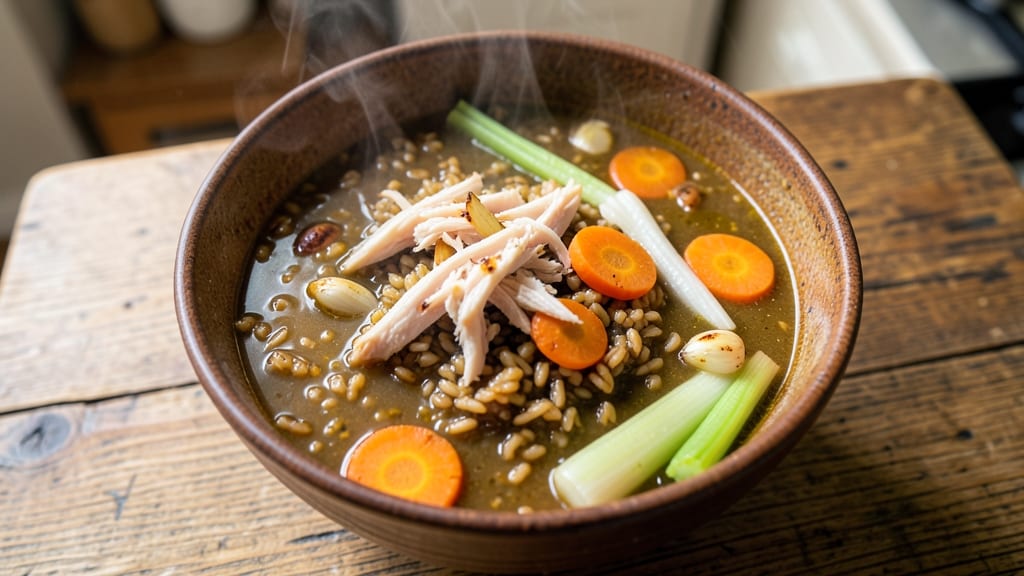
Grandma's wild rice soup recipe brings the warmth of home-cooked meals straight to your kitchen, where every spoonful carries memories of family gatherings and cozy evenings.
The secret lies in simmering wild rice with aromatic herbs and vegetables until it develops a rich, hearty texture that feels like a hug in a bowl.
I've perfected this recipe over years of testing, ensuring the broth remains deeply flavorful while the rice absorbs all the goodness without turning mushy.
What makes this soup truly special is its balance of earthy wild rice, tender vegetables, and fragrant herbs that create layers of flavor with each bite. The recipe builds on traditional techniques—starting with a well-seasoned broth that forms the foundation—while allowing flexibility for additions like chicken, mushrooms, or extra herbs.
It's the kind of dish that tastes even better the next day, making it perfect for meal prep or serving to guests who'll ask for seconds.
By the time you're done, you'll have a steaming pot of soup with a velvety broth, perfectly cooked wild rice, and a medley of vegetables that shine with every spoonful.
The aroma alone will have everyone gathering around the table, and the texture—tender yet substantial—makes it satisfying enough to stand as a main dish. This is comfort food at its finest, with a touch of nostalgia that turns ordinary weeknights into something special.
The beauty of this recipe is its versatility—serve it as-is for a classic wild rice soup, or customize it with your favorite proteins and vegetables. Pair it with crusty bread for soaking up every last drop of that flavorful broth.
Let's get cooking and bring a taste of grandma's kitchen to your own table.
Ingredients for grandma's wild rice soup
Pantry staples meet fresh herbs for this nostalgic, hearty wild rice soup.
| Ingredient | Amount | Notes |
|---|---|---|
| Wild Rice Blend 🌾 | 1 cup | Uncooked, long-grain preferred |
| Chicken Broth 🍲 | 6 cups | Low-sodium preferred, homemade or quality store-bought |
| Yellow Onion 🧅 | 1 whole | Medium size, diced |
| Carrots 🥕 | 3 medium | Peeled, sliced into rounds |
| Celery Stalks 🥬 | 3 whole | Trimmed, chopped |
| Garlic Cloves 🧄 | 4 cloves | Fresh, minced |
| Fresh Thyme 🌿 | 1 tbsp | Leaves only, chopped |
| Fresh Parsley 🌿 | ¼ cup | Chopped, for garnish |
| Bay Leaves 🍃 | 2 whole | Dried, removed before serving |
| Chicken Breast 🍗 | 1 ½ lb | Boneless, skinless, cubed |
| Salt 🧂 | 1 ½ tsp | Kosher or sea salt |
| Black Pepper 🌶️ | ½ tsp | Freshly ground |
| Olive Oil 🫒 | 1 tbsp | Extra-virgin for richness |
| Butter 🧈 | 2 tbsp | Unsalted, for finishing |
Wild rice is the soul of this soup—Bob's Red Mill or Lundberg blends work best, but any uncooked mix will do. Look for packages labeled 'wild rice blend' at Whole Foods or the bulk section of regular grocery stores. The chicken broth should be rich but not salty—Swanson or Pacific Foods are reliable brands. Fresh herbs make all the difference here, so grab thyme and parsley from the grocery store's produce section (they usually sell them fresh in small bundles). If you're using dried herbs, cut the amount to one-third what's listed—dried is more concentrated.
No fresh thyme? Dried thyme or even oregano works in a pinch, but fresh has that bright, herbal punch. Out of carrots? Sweet potatoes or parsnips add a nice earthy sweetness. The celery can be swapped for leeks or fennel if you're feeling fancy. Chicken breast is flexible—substitute turkey or even mushrooms for a vegetarian version. The butter at the end is non-negotiable though; it adds that rich, velvety finish that makes this soup feel like a hug. For extra depth, add a splash of white wine when sautéing the vegetables—just 2 tablespoons will elevate everything.
This soup tastes even better the next day—4-5 days in the fridge, or 3 months frozen. I always double the recipe and freeze half for lazy weeknights. Store it in airtight containers, and don't forget to label it with the date. The rice will keep its texture better if you let it cool slightly before refrigerating. When reheating, add a splash of broth or water to keep it from getting too thick. Serve with crusty bread or a sprinkle of extra parsley for that restaurant-quality touch.
Why You'll Love This Recipe
- No-Chop Shortcut: I swear by the "soup in a pot" trick—just toss chopped veggies into broth while the rice simmers. The wild rice blend does all the heavy lifting, and by the time the carrots soften, everything’s ready. (Yes, even on a Tuesday night.)
- Earthy Depth: That wild rice blend? It’s the star—nutty, chewy, and way more interesting than plain white rice. The slow simmer lets the onion and celery melt into the broth, so every spoonful has this rich, layered flavor.
- Leftovers That Shine: This soup actually improves the next day. The rice soaks up the broth, the veggies get even sweeter, and I’ve reheated it three times with zero complaints. (My husband’s favorite, honestly.)
- Pantry Staple Power: You’re using things you already have—broth, onions, carrots, celery. No fancy ingredients, no last-minute grocery runs. It’s the kind of meal that makes me feel smart for cooking.
Step-by-step instructions for grandma's wild rice soup
This hearty soup comes together in one pot with layers of flavor and texture.
Sauté the Vegetable Base
Heat the 1 tablespoon olive oil in a large Dutch oven or heavy pot over medium heat. Add the 1 whole yellow onion, 3 medium carrots, and 3 whole celery stalks, stirring occasionally for 5 minutes until they begin to soften and the onion becomes translucent.
Here's the thing—don't rush this step. You want the vegetables to release their natural sweetness and develop a slight caramelization. Add the 4 cloves minced garlic and cook for another 30 seconds until fragrant. This aromatic foundation will carry through the entire soup.
Stir in the 1 tablespoon chopped fresh thyme and 2 whole bay leaves, letting them toast briefly in the vegetables. This infuses their flavors deeply into the base. The thyme should smell vibrant and the bay leaves should darken slightly at the edges.
Toast the Wild Rice
Add the 1 cup wild rice blend to the vegetable mixture, stirring to coat each grain with the aromatic oils. Toast the rice for 2-3 minutes until it turns a deeper golden color and you can smell its nutty aroma. This step is crucial—it prevents the rice from becoming mushy and adds depth of flavor.
Pour in the 6 cups chicken broth, making sure to scrape up any browned bits from the bottom of the pot. These flavorful bits are called fond and they're packed with taste. Add the 1.5 teaspoons salt and 0.5 teaspoon black pepper, stirring well to combine. The soup should be well-seasoned at this stage.
Bring the mixture to a gentle boil, then reduce heat to low and cover. Let it simmer for 45 minutes, stirring occasionally. The rice needs time to absorb the broth and develop its characteristic chewy texture. If the soup reduces too much before the rice is tender, add a splash of water or broth to maintain the proper consistency.
Cook the Chicken
While the rice simmers, prepare the 1.5 pounds chicken breast by cutting it into 1-inch cubes. Heat a separate skillet over medium-high heat and add the 2 tablespoons butter. Once the butter foams, add the chicken cubes in a single layer, cooking for 5-6 minutes until they're golden brown and cooked through to an internal temperature of 165°F.
Remove the chicken from the skillet and set it aside. The chicken should be juicy and fully opaque with no pink remaining. If you notice any pink juices when cutting into the chicken, return it to the skillet for another minute or two.
Combine and Finish
After the 45 minutes of simmering, check the rice for doneness. It should be tender but still have a slight bite to it—wild rice takes longer to cook than white rice. If it's not quite done, cover and simmer for another 10-15 minutes. The rice should be plump and separate, not mushy.
Remove the 2 bay leaves from the soup. They've done their job and will become bitter if left in too long. Stir the cooked chicken cubes into the soup, letting them absorb some of the flavorful broth. The soup should be hearty and filling, with each spoonful offering a mix of tender rice, vegetables, and juicy chicken.
Return the soup to a gentle simmer and cook for an additional 5 minutes to let all the flavors meld together. Taste and adjust the seasoning if needed—sometimes the chicken can make the soup taste a bit bland, so a pinch more salt might be necessary.
Serve Warm with Fresh Parsley
Ladle the soup into bowls and garnish each serving with 0.25 cup chopped fresh parsley. The parsley adds a bright, fresh contrast to the rich, herbal soup. Serve immediately while hot, as the flavors continue to develop and deepen as the soup sits.
This soup is perfect for chilly days or when you need comfort food. The combination of wild rice, tender chicken, and aromatic vegetables creates a dish that's both nourishing and satisfying. Don't be surprised if everyone asks for seconds!
Pro Tips For Making Grandma'S Wild Rice Soup
- SOAK THE WILD RICE: I learned this the hard way—skipping the soak means your wild rice blend will either stay crunchy or turn to mush. Rinse it first, then cover with water for at least 30 minutes (or overnight if you’re prepping ahead). The starch releases, so it cooks evenly and holds its texture—no more gritty bites in your soup.
- SWEAT THE VEGETABLES: Don’t just chop and toss the onion, carrots, and celery. Cook them low and slow in a little oil for 8-10 minutes until they’re soft and the onion’s edges turn translucent. This builds flavor into the broth instead of letting them stay raw and watery. (Yes, even if you’re impatient like me.)
- SALT THE BROTH EARLY: Add half the salt to the broth before the rice goes in. Wild rice soaks up liquid differently, and waiting until the end means you’ll either under-season or oversalt. Taste the broth halfway through cooking—adjust now, not later. Trust me, your soup will thank you.
- STIR THE RICE GENTLY: Wild rice blends are delicate—aggressive stirring turns them into glue. Once the rice is in the broth, give it a light stir every 10 minutes with a wooden spoon. Let the grains move on their own; you’re not making risotto. This keeps them separate and fluffy, not clumped together.
Serving suggestions for grandma's wild rice soup
Crusty Bread Pairing
Nothing complements this soup like a warm, crusty loaf of sourdough or baguette to soak up every last drop of that flavorful broth. I recommend a French-style baguette from your local bakery or a homemade sourdough if you're feeling ambitious.
For extra indulgence, try garlic bread made with butter, garlic, and parsley—it’s a match made in comfort food heaven. 🥖
Cheesy Toppings
Take this soup to the next level by serving it with a sprinkle of sharp cheddar or Gruyère on top. The cheese melts beautifully into the warm broth, adding a rich, creamy element. For a lighter option, use feta cheese—its tangy flavor cuts through the richness of the soup.
I like to keep a small bowl of shredded cheese on the table so everyone can customize their bowl.
Fresh Herbs Garnish
Fresh herbs elevate the presentation and add a bright, fresh contrast to the hearty soup. In addition to the parsley called for in the recipe, try adding chopped chives or dill for a different herbal note.
A drizzle of lemon juice or a squeeze of fresh lime just before serving adds a zesty kick that brightens the whole dish. 🌿
Side Salad Contrast
A simple arugula salad with a light lemon vinaigrette balances the richness of the soup perfectly. Toss 4 cups baby arugula with 2 tablespoons olive oil, 1 tablespoon lemon juice, and a pinch of salt and pepper.
The peppery bite of the arugula cleanses your palate between spoonfuls of soup, making each bite feel fresh and balanced.
Warm Dinner Accompaniments
For a full meal, serve this soup alongside roasted potatoes or buttered noodles. The crispy texture of roasted potatoes adds a satisfying crunch, while buttered noodles provide a comforting, familiar pairing.
If you're serving this for a crowd, consider adding a side of cornbread—its slight sweetness pairs wonderfully with the savory soup. 🍽️
Leftovers Strategy
This soup tastes even better the next day, so plan to make extra for leftovers. Store it in an airtight container in the fridge for up to 4-5 days or freeze it for 3 months.
When reheating, add a splash of broth or water to keep it from thickening too much. Serve it with a sprinkle of extra parsley or a dollop of sour cream to refresh the flavors. 💡
Nutrition facts
Frequently asked questions
Can I substitute regular rice for wild rice in this recipe?
While you can use regular rice, it won't give you the same hearty texture and nutty flavor that wild rice provides. For a similar effect, try using brown rice or a wild rice blend with brown rice—just increase cooking time by 10-15 minutes since brown rice takes longer to cook. Wild rice is what makes this soup truly special, though!
How do I make this soup vegetarian?
Swap the chicken for mushrooms or white beans to keep it hearty. Sauté 8 oz mushrooms with the vegetables, or add 1 can white beans (drained and rinsed) when combining everything. For extra protein, try tofu cubes or lentils—just make sure they're fully cooked before adding them to the soup.
Why does my wild rice soup turn out mushy?
Mushy rice usually happens from overcooking or not toasting the rice first. Always toast the wild rice in oil for 2-3 minutes before adding liquid, and simmer uncovered for the first 10 minutes to release excess starch. If the soup reduces too much, add a splash of broth or water—but never let it boil vigorously after adding rice.
Can I make this soup in a slow cooker?
Sauté the vegetables and rice first, then transfer everything to the slow cooker with the broth. Cook on low for 6-7 hours or high for 3-4 hours. Add the chicken separately (it cooks faster) and stir it in during the last 30 minutes to keep it tender. The slow cooker method actually enhances the flavors even more!
What's the best way to reheat leftovers?
Reheat gently on the stovetop over low heat with a splash of broth or water to restore creaminess. Microwave reheating works too—just stir halfway through and add a few drops of water. Never reheat to boiling, as this can make the rice dry out. For extra richness, stir in a pat of butter or a splash of cream when reheating.