
Soups & Stews
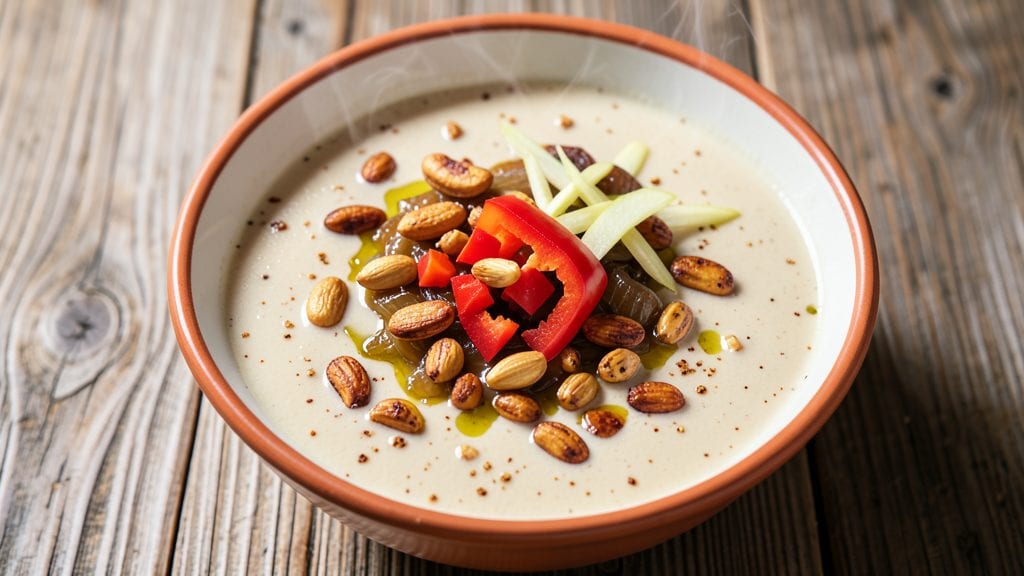
This West African peanut stew transforms humble groundnuts into a rich, aromatic soup with layers of smoky depth that lingers long after the last spoonful. The foundation lies in slow-cooked peanuts blended into a velvety base, where earthy peanut flavor meets warm spices and a touch of heat.
I first discovered this recipe during a trip to Ghana, where it was served family-style in terracotta bowls—simple yet deeply satisfying.
The beauty of groundnut soup lies in its balance: creamy yet light, nutty yet savory, with just enough spice to wake up the palate. Unlike heavy stews, this version relies on natural peanut richness rather than excess oil, making it both comforting and nutritious.
The key technique is toasting the peanuts until fragrant before blending, which unlocks their full flavor potential without overpowering the dish.
What you'll achieve is a soup that's hearty enough to stand alone but versatile enough to pair with rice, fufu, or crusty bread. The texture is smooth yet slightly textured from the peanuts, while the smoky undertones from the spices create depth that makes it memorable.
This recipe builds on tradition while adapting to home kitchens—no special equipment required, just patience for the flavors to develop.
Perfect for meal prep or weeknight dinners, this groundnut soup freezes beautifully and tastes even better the next day. The vegetarian-friendly base makes it adaptable to any diet, though traditional versions often include fish or meat—easily omitted or added as desired.
Let's create this soul-warming stew that brings West African warmth to your table.
Ingredients for groundnut soup
Transform humble peanuts into a rich, aromatic West African stew with these simple yet potent ingredients.
| Ingredient | Amount | Notes |
|---|---|---|
| Dried Groundnuts (Peanuts) 🥜 | 1 ½ cups | Unsalted, whole or halves |
| Vegetable Oil 🫒 | ¼ cup | For toasting peanuts |
| Yellow Onion 🧅 | 1 whole | Medium size, chopped |
| Fresh Red Bell Pepper 🌶️ | 1 whole | Medium size, chopped |
| Fresh Ginger 🌿 | 2 tbsp | Grated, fresh preferred |
| Garlic Cloves 🧄 | 4 cloves | Peeled, minced |
| Scotch Bonnet Pepper 🌶️ | 1 whole | Seeds removed for mild heat |
| Groundnut Oil or Vegetable Broth 💧 | 4 cups | For simmering, low-sodium |
| Tomato Paste 🍅 | 2 tbsp | Smooth, no added salt |
| Dried Thyme 🍃 | 1 tsp | Or 1 tbsp fresh |
| Ground Cumin 🌿 | 1 tsp | Freshly ground preferred |
| Smoked Paprika 🌶️ | 1 tsp | For smoky depth |
| Sea Salt 🧂 | 1 tsp | Adjust to taste |
| Black Pepper 🌶️ | ½ tsp | Freshly ground |
| Fresh Cilantro 🌿 | ¼ cup | Chopped, for garnish |
The groundnuts are the heart of this soup, so opt for unsalted, dry-roasted peanuts—the flavor needs to shine without competing with salt. Trader Joe's or bulk bins at natural grocery stores often carry the best quality. Toast them until fragrant (about 5-7 minutes) before blending to unlock their nutty depth. For the Scotch bonnet, Walmart or Latin markets usually stock them fresh; if unavailable, substitute with habanero at half the amount. The tomato paste? Muir Glen or Barilla brands are smooth and consistent, avoiding the grainy texture of some store brands.
No Scotch bonnet? Habanero or jalapeño works, but reduce the amount by half to avoid overpowering heat. Fresh thyme unavailable? Dried thyme at one-third the amount keeps the earthy notes intact. For the broth, vegetable broth from Pacific Foods adds depth without saltiness, but low-sodium chicken broth works too. The bell pepper can be swapped for tomatoes or okra if preferred—just adjust the simmering time slightly. And if you're short on groundnut oil, avocado oil or coconut oil works equally well for toasting.
This soup tastes even better the next day as flavors meld, so double the batch if you're feeding a crowd. Store in airtight containers for 5-6 days in the fridge or 3 months frozen. For reheating, add a splash of broth to prevent thickening. Garnish with fresh cilantro right before serving—it brightens the dish and adds a pop of color. The peanuts can be pre-toasted and stored in a sealed container for 1 month at room temperature, ready to blend when needed.
Why You'll Love This Recipe
- No-Soak Shortcut: Dried groundnuts need zero pre-soaking—just toast them in oil until they smell nutty, and boom. That’s 10 minutes saved right there, and honestly? The flavor doesn’t skip a beat.
- Peanut Butter Vibes: The moment those toasted groundnuts blend into the soup, it tastes like a hug from your favorite childhood snack—creamy, nutty, and just a little sweet. The ginger and bell pepper cut through with that bright, zesty kick, so it’s never cloying.
- Pot Luck Hero: This soup is my secret weapon for potlucks, office lunches, or when my in-laws drop by unannounced. It reheats like a dream, keeps well for days, and even tastes better the next day (yes, really).
- Pocket-Friendly Power: Groundnuts are the budget MVP—cheap, shelf-stable, and packed with protein. A single bag stretches across multiple meals, and you’re not sacrificing taste for savings. My wallet and I both approve.
Step-by-step instructions for groundnut soup
Here's how to create a rich, smoky West African peanut stew with deep flavor and perfect texture.
Toast the Peanuts and Aromatics
Heat the 0.25 cup vegetable oil in a large pot over medium heat. Add the 1.5 cups dried groundnuts (peanuts) and toast them for 5-7 minutes, stirring frequently, until they turn a rich golden brown and release their nutty aroma. This step develops their flavor and prevents a raw taste in the finished soup.
Remove the peanuts with a slotted spoon and set aside. In the same pot, add the 1 whole yellow onion and 1 whole fresh red bell pepper, both chopped. Cook for 4-5 minutes until the onion softens and the bell pepper begins to release its sweetness. Add the 2 tbsp fresh ginger and 4 cloves garlic cloves, mincing the garlic as you go. Cook for another 1-2 minutes until fragrant—this is where the foundation of your soup's flavor develops.
Build the Flavor Base
Reduce the heat to medium-low and add the 1 whole scotch bonnet pepper (seeds removed), 2 tbsp tomato paste, 1 tsp smoked paprika, 1 tsp ground cumin, 1 tsp dried thyme, 1 tsp sea salt, and 0.5 tsp black pepper. Stir well to combine and cook for 3-4 minutes, allowing the spices to bloom and deepen in flavor. This step is critical—it ensures all the spices are evenly distributed and fully integrated into the base.
Slowly pour in the 4 cups groundnut oil or vegetable broth, stirring constantly to prevent the spices from sticking to the bottom. Bring the mixture to a gentle simmer and let it cook for 10 minutes, uncovered, until the flavors meld together. You'll notice the soup developing a rich, smoky aroma—this is your signal that the base is ready for the next step.
Simmer and Incorporate the Peanuts
Return the toasted peanuts to the pot and stir to combine. Simmer the soup for 15-20 minutes on low heat, stirring occasionally to prevent the peanuts from settling at the bottom. The soup should thicken slightly as it simmers, and the peanuts will soften but retain some texture. Taste and adjust the seasoning if needed—this is where you ensure the balance of salt, spice, and peanut flavor is just right.
If the soup is too thick, add 2-3 tablespoons of water to reach your desired consistency. The goal is a smooth, velvety texture with just enough body to coat the back of a spoon. Here's the thing—this is the moment that matters: the peanuts should be tender but still hold their shape, releasing their creamy goodness into the broth.
Finish and Garnish
Remove the pot from heat and let the soup rest for 5 minutes to allow the flavors to settle. Stir in the 0.25 cup fresh cilantro, reserving a few sprigs for garnish. The cilantro adds a bright, fresh contrast to the rich, smoky flavors of the soup. Taste once more and adjust the seasoning if necessary—this ensures every bowl is perfectly balanced.
Ladle the soup into bowls and garnish with the reserved cilantro. Serve immediately with crusty bread or over steamed rice to soak up every last drop of this flavorful, comforting stew. The aroma alone will draw everyone to the table—this is a soup that delivers on both taste and texture.
Pro Tips For Making Groundnut Soup
- Soak Peanuts Overnight: I learned this the hard way—skipping the soak means tough, rubbery peanuts that refuse to break down. Toss them in warm water for at least 8 hours (or overnight in the fridge), then drain and rinse before cooking. This guarantees they soften properly and blend into a creamy base.
- Sweat Onions Low: High heat turns onions into ash before they caramelize. Use medium-low and let them cook for 8-10 minutes until translucent and just starting to brown—this builds flavor without burning. (Yes, even if you’re impatient like me.)
- Blend Ginger Roughly: Skip the peeling if you’re in a hurry, but always chop ginger into big chunks before blending. Whole pieces burn easily, while rough chunks release flavor evenly without turning bitter. (Your future self will thank you.)
- Simmer, Don’t Boil: After adding peanuts and broth, keep the heat at a gentle simmer. Boiling scorches the peanuts and makes the soup taste raw. A steady, low bubble ensures smooth texture and rich flavor—no shortcuts here.
Perfect pairings for groundnut soup
West African Staples
Serve your groundnut soup with steamed white rice or jollof rice—both are traditional pairings that soak up the rich peanut broth beautifully. For an authentic touch, use basmati rice from Lundberg Family Farms or jasmine rice for a fragrant complement.
I love adding a sprinkle of toasted sesame seeds on top of the rice for extra crunch and nuttiness. 🌾
For a heartier meal, pair with fufu or gari, staple West African sides made from cassava or yam flour. If you're short on time, crusty sourdough bread works wonderfully—just warm slices in the oven for 3-5 minutes at 375°F to bring out their texture.
The bread acts like a spoon, perfect for scooping up every last bit of flavor.
Spicy Heat Balance
If you love heat, serve your soup with shito (spicy black pepper sauce) on the side. This Ghanaian condiment adds a fiery kick that contrasts perfectly with the creamy peanut base. For a milder option, offer spicy tomato relish made with habanero peppers and tomato paste.
I keep a small bowl of relish at the table so guests can adjust their heat level to taste. 🌶️
For a cooling counterpoint, include yogurt or coconut milk for dipping. The creamy texture balances the spice while adding another layer of richness. If you're feeling adventurous, try avocado slices—their buttery texture pairs surprisingly well with the smoky depth of the soup.
Beverage Pairings
A cold mango ginger beer from African Palm is my go-to drink pairing—its sweet-tart flavor cuts through the richness of the peanut soup beautifully. The effervescence also cleanses the palate between bites.
For a non-alcoholic option, hibiscus tea (sour soup) served chilled adds a tangy contrast that enhances the meal. 🍹
If you prefer alcohol, a crisp West African lager like Guinness or Star Lager provides a smooth, malty balance. For wine lovers, a light-bodied white like Sauvignon Blanc from South Africa offers citrus notes that complement the dish. Avoid heavy reds—they can overpower the delicate peanut flavors.
Garnish Ideas
Fresh scallions and cilantro are must-haves for garnishing, but don't stop there. A drizzle of groundnut oil before serving adds a luxurious sheen and enhances the peanut flavor. For extra texture, sprinkle with toasted coconut flakes or crushed peanuts—they add a satisfying crunch that contrasts the soup's creaminess. 🌿
If you have fresh herbs like mint or basil, a few leaves on top add a bright, aromatic finish. For a smoky touch, a pinch of smoked sea salt (like Maldon) elevates the dish to restaurant-quality.
The key is to garnish just before serving—herbs and oils lose their freshness when added too early.
Nutrition facts
Frequently asked questions
Can I make this peanut stew without fresh Scotch bonnet pepper?
For a milder heat, substitute with habanero or jalapeño, using half the amount. If you want no spice at all, simply omit it—the soup will still be flavorful, though the traditional smoky depth will be slightly less pronounced.
How do I prevent the soup from becoming too thick?
Start with 4 cups of broth and simmer uncovered to allow moisture to evaporate gradually. If it thickens too much, stir in 2-3 tablespoons of water or broth while reheating. The key is patience—don't rush the simmering time, as the peanuts will soften and release natural oils that help balance the texture.
Is this recipe naturally vegan?
Yes! The base recipe is completely plant-based, but check your ingredients for hidden animal products. Some tomato pastes or broths may contain anchovies or chicken fat—opt for vegan-friendly brands like Muir Glen or Pacific Foods. For extra richness, stir in coconut milk instead of water when adjusting thickness.
Can I use peanut butter instead of whole peanuts?
Not recommended! Peanut butter lacks the toasted depth and texture that whole peanuts provide. If you're short on time, blend the toasted peanuts with a splash of broth to create a smooth paste, but avoid store-bought peanut butter—it often contains added sugar or oils that alter the flavor.
How do I store leftovers for maximum flavor?
Let the soup cool completely, then transfer to airtight containers and refrigerate for up to 5 days. For longer storage, freeze for 3 months. When reheating, add 1-2 tablespoons of water or broth to restore the creamy texture. The flavors actually deepen overnight, making it taste even better the next day!