
Soups & Stews
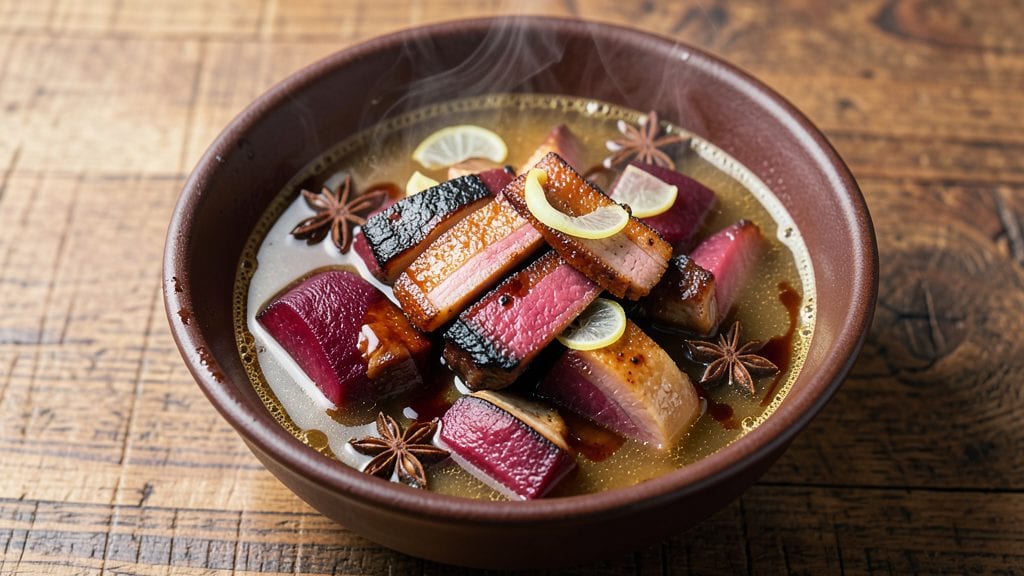
This Hong Kong borscht soup recipe reimagines a classic with bold Cantonese flavors—think deep umami broth, tender noodles, and charred beetroot that adds smoky depth instead of sour tang.
The secret lies in slow-cooked pork bones and char siu, transforming traditional borscht into a rich, comforting noodle bowl that feels like a warm embrace after a long day.
I developed this version after years of adapting Eastern European soups to local tastes, and the result is a dish that bridges two culinary worlds beautifully.
The broth is where the magic happens, simmered for hours with star anise, cinnamon, and a touch of soy sauce to build layers of complexity. Charred beetroot adds a caramelized sweetness that balances the savory pork, while wide egg noodles soak up every drop of that aromatic liquid.
This isn't your grandmother's borscht—it's a restaurant-quality noodle soup that delivers restaurant-quality results in your own kitchen, with just 2 hours of active prep and 6 hours of simmering.
What you'll end up with is a steaming bowl of velvety broth, tender noodles, and charred beetroot that's both familiar and excitingly new. The pork and char siu add rich, meaty depth, while the beetroot brings a subtle smokiness that elevates every spoonful.
It's the kind of dish that tastes even better the next day, making it perfect for meal prep or feeding a crowd. The best part? Every bite carries that perfect harmony of sweet, savory, and umami that defines Hong Kong street food.
Serve with crispy fried shallots and a drizzle of chili oil for extra texture and heat, or keep it simple with a sprinkle of fresh cilantro.
This soup is equally at home as a quick weeknight dinner or a special occasion dish—just don't be surprised if it becomes a regular in your rotation. Let's get cooking!
Ingredients for hong kong borscht soup
This umami-packed Hong Kong borscht brings bold flavors to your table with charred beets and slow-simmered pork.
| Ingredient | Amount | Notes |
|---|---|---|
| Pork Bones 🍖 | 2 lb | Marrow and knuckle preferred |
| Char Siu 🍖 | 1 ½ lb | Store-bought or homemade |
| Fresh Beetroot 🍠 | 2 medium | Charred and peeled |
| Fresh Ginger 🌿 | 2 tbsp | Grated, fresh preferred |
| Star Anise 🌶️ | 2 whole | Whole pods for infusion |
| Cinnamon Sticks 🌿 | 2 whole | For aromatic depth |
| Light Soy Sauce 🥫 | ½ cup | Kikkoman preferred |
| Dark Soy Sauce 🥫 | 1 tbsp | For color and depth |
| Wide Egg Noodles 🍜 | 12 oz | Fresh or dried |
| Onion 🧅 | 1 whole | Yellow, sliced |
| Garlic Cloves 🧄 | 6 cloves | Peeled and smashed |
| Sesame Oil 🫒 | 1 tbsp | Toasted for aroma |
| Green Onions 🧅 | 4 whole | Chopped, for garnish |
| Fresh Cilantro 🌿 | ¼ cup | Chopped, optional |
| Salt 🧂 | 1 tsp | Kosher or sea salt |
| Black Pepper 🌶️ | ½ tsp | Freshly ground |
The pork bones are non-negotiable here—they create that deep, rich broth that makes this soup sing. Look for marrow and knuckle bones at Costco or your local butcher shop, as they release the most flavor. If you can't find them, pork shoulder bones work in a pinch, but they won't be as gelatinous. The char siu can be store-bought (like Lee Kum Kee or Char Siu King), but homemade has that extra depth. For the beetroot, charring it over an open flame or under a broiler brings out its natural sweetness—don't skip this step! It's what gives this soup its unique smoky twist.
No star anise? Anise seeds work just as well, but the whole pods are easier to remove after cooking. The soy sauces are where the umami magic happens—light soy for flavor, dark soy for that signature deep color. If you're missing either, hoisin sauce can step in for the dark soy, but it'll change the color slightly. The ginger should be fresh and fibrous—no powdered substitutes here. For the noodles, fresh egg noodles are ideal, but dried wide noodles work too. Just soak them properly before adding to the broth. And if you're feeling adventurous, swap the cilantro for Thai basil—it adds a whole new layer of aroma.
This soup tastes even better the next day, so make a big batch. Store in the fridge for up to 5 days, or freeze portions for 3 months. The broth thickens as it cools, so add a splash of water when reheating. I like to portion it into containers with extra noodles on top—perfect for quick lunches. The charred beets keep their color surprisingly well, so don't worry about them turning mushy. Garnish with crispy fried shallots and a drizzle of chili oil right before serving—trust me, it's worth the extra minute.
Why You'll Love This Recipe
- One-Pot Magic: I swear by this recipe—just toss everything into one pot, and the pork bones melt into rich broth while you prep the beetroot and ginger. No chopping chaos, no dirty pans piling up.
- Sweet-Savory Crunch: That char siu? It’s the star—salty, smoky, and just tender enough to fall apart. The star anise and ginger give it this deep, warm backbone, while the beetroot adds a bright, earthy pop that balances it all.
- Leftovers That Beg: This soup tastes better the next day—honestly, the flavors meld into something even richer. I make a big batch on Sundays, and it’s gone by Wednesday, whether I’m reheating it for lunch or packing it for work.
- Budget Boost: Pork bones and beetroot stretch this recipe into a whole meal without breaking the bank. The star anise and ginger are cheap staples, and char siu adds that fancy touch without costing a fortune.
Step-by-step instructions for Hong Kong borscht-inspired noodle bowl
Transform humble ingredients into an umami-packed masterpiece with this bold fusion recipe.
Char the Beetroot and Prepare the Broth Base
Preheat your grill or broiler to high heat. Wrap each of the 2 medium fresh beetroot in aluminum foil and place directly on the grill. Char for 20-25 minutes, turning occasionally, until the skins blacken completely and the beetroot feels tender when squeezed. This charring adds a smoky depth that becomes the soul of your bowl.
While the beetroot chars, place the 2 lb pork bones in a large stockpot and cover with 8 cups cold water. Add 2 whole star anise, 2 whole cinnamon sticks, and 2 tbsp fresh ginger (peeled and sliced). Bring to a boil, then reduce to a simmer for 2 hours, skimming off any foam that rises to the surface. The broth should develop a rich, aromatic base with subtle spice notes.
Build the Char Siu Broth and Infuse Flavors
Remove the pork bones from the broth and let them cool slightly before picking off any remaining meat. Strain the broth through a fine-mesh sieve into a clean pot, discarding the solids. Return the broth to medium heat and add the 1.5 lb char siu, cutting it into ½-inch cubes. Simmer for 15 minutes to infuse the broth with the sweet, smoky flavors of the char siu.
Add ½ cup light soy sauce and 1 tbsp dark soy sauce to the broth. The dark soy sauce will give your bowl its signature deep mahogany color while adding a complex umami depth. Stir well and let the broth simmer uncovered for another 10 minutes to allow the flavors to meld completely. Taste and adjust seasoning with 1 tsp salt and ½ tsp black pepper as needed.
Cook the Wide Egg Noodles and Prepare Aromatics
While the broth simmers, prepare the 12 oz wide egg noodles according to package instructions until al dente. Drain and set aside, reserving ½ cup noodle water. In a separate bowl, combine 1 whole onion (thinly sliced), 6 cloves garlic cloves (minced), and 1 tbsp sesame oil. Toss to coat the aromatics evenly.
Heat a large wok or skillet over medium-high heat and add the onion-garlic mixture. Sauté for 3-4 minutes until the onions soften and turn golden brown. The garlic should release its aromatic oils but not burn. This aromatic base will form the flavor foundation for your noodle bowl.
Assemble the Umami-Packed Noodle Bowls
Using a mandoline or sharp knife, carefully slice the charred beetroot into ¼-inch thick rounds. The charred skins should peel away easily, revealing tender pink flesh underneath. Divide the cooked noodles among 6 bowls, then arrange the charred beetroot slices artfully on top.
Ladle the warm char siu broth evenly over the noodles and beetroot, coating everything thoroughly. Spoon the sautéed onion-garlic mixture over the top, then garnish with chopped green onions and ¼ cup fresh cilantro. Drizzle with any remaining sesame oil from the aromatics bowl for an extra layer of nutty aroma.
Serve Immediately with Bold Garnishes
This dish is best served immediately while the noodles are hot and the broth is steaming. The contrast between the smoky charred beetroot, tender char siu, and silky noodles creates an explosion of textures and flavors in every bite. For an extra umami kick, serve with additional char siu on the side for guests to add to their bowls.
Real talk: The secret to this bowl lies in the balance of flavors. The charred beetroot brings earthy sweetness, the char siu adds salty-sweet richness, and the aromatic broth ties everything together. Don't be afraid to adjust seasoning to your taste—this is your creation, after all. Enjoy the incredible fusion of Hong Kong's bold flavors with a beetroot twist that makes this bowl truly unforgettable!
Pro Tips For Making Hong Kong Borscht Soup
- BLANCH THE BONES FIRST: I learned this the hard way—skipping the 5-minute boil in water before braising turns your pork bones into a murky, greasy mess. The quick blanch removes impurities and keeps your broth crystal clear, especially when you’re dealing with fatty cuts. Trust me, your soup will taste cleaner and richer.
- GRATE THE GINGER FINE: Sounds weird, but it works: use a microplane or the smallest holes on a box grater for the ginger. This releases the oils evenly into the broth instead of sinking as chunks, giving your soup that warm, aromatic depth from the first sip. (Yes, even if you’re impatient like me.)
- DON’T OVERCOOK THE CHAR SIU: After burning three batches, I finally figured out: char siu should just reheat in the simmering broth, not stew for hours. Toss it in the last 10-15 minutes—enough to warm through and infuse flavor without turning it into chewy rubber. Your future self will thank you.
- CRUSH THE STAR ANISE: This isn’t the prettiest method, but it’s the tastiest. Lightly crush the star anise with a rolling pin or the bottom of a pot before adding it to the broth. More surface area = deeper flavor, and you’ll taste it in every spoonful. (It’s subtle, but it matters.)
Regional styles of these flavors
Cantonese Fusion Twist
This Hong Kong-style borscht ditches traditional sour cream and beets for charred beetroot and char siu, creating a fusion that's all about umami and smoky depth.
The key adaptation is replacing vinegar with soy sauce—½ cup light soy and 1 tbsp dark soy build the broth's complexity while keeping it subtly sweet. The result is a rich, savory noodle soup that feels completely different from its Eastern European roots. 🌶️
Smoky Charred Beets
The star of this dish is the charred beetroot, which replaces traditional raw beets. I char mine over an open flame until the skins blacken completely—this adds a smoky, caramelized sweetness that balances the pork's richness.
For best results, use a grill or broiler and let the beetroot sit for 20-25 minutes. The charred skins peel away easily, revealing tender pink flesh that holds its shape beautifully in the broth. This technique is inspired by Hong Kong's love of charring vegetables for depth.
Pork Bone Broth
Unlike traditional borscht, which often uses beef, this version relies on pork bones for a gelatinous, collagen-rich broth. I simmer 2 lbs pork bones with star anise and cinnamon sticks for 2 hours, skimming foam regularly.
The spices infuse the broth with warmth without overpowering it—a hallmark of Hong Kong's aromatic cooking. The result is a silky, umami-packed liquid that's the soul of this noodle bowl. ⏰
Char Siu Infusion
After straining the pork broth, I add 1.5 lbs char siu (cut into ½-inch cubes) to infuse the broth with its signature sweet-salty flavor. Simmering for 15 minutes lets the pork release its juices, deepening the broth's richness.
The dark soy sauce here isn't just for color—it adds a molasses-like depth that ties all the flavors together. This step is what makes the dish feel authentically Hong Kong.
Wide Egg Noodles
The noodles are the perfect vessel for this soup, and I recommend wide egg noodles (like fresh lo mein noodles) for their chewy texture. Cook them al dente and drain, reserving ½ cup noodle water to adjust consistency later.
The width of the noodles helps them soak up the broth while maintaining structure. For extra authenticity, I finish them with a quick toss in sesame oil before assembling the bowls.
Garnish Like a Pro
Topping this soup with crispy fried shallots and a drizzle of chili oil is non-negotiable—it adds crunch and heat that cut through the richness. I also sprinkle chopped green onions and cilantro for freshness.
For an extra touch, serve with extra char siu on the side so guests can add it to their bowls. This attention to garnish elevates the dish from comforting to restaurant-worthy. 💫
Nutrition facts
Frequently asked questions
Why does this Hong Kong-style borscht use charred beets instead of raw?
Charred beets add a smoky depth that bridges Eastern European and Cantonese flavors. The high-heat charring caramelizes natural sugars, creating a subtly sweet, earthy contrast to the pork's richness. This technique is inspired by Hong Kong's love of charring vegetables for complex flavor profiles.
Can I make this soup vegetarian?
Yes! Replace pork bones with shiitake mushrooms and char siu with smoked tofu or tempeh. Use vegetable broth instead of pork broth, and add 1 tbsp miso paste for umami depth. The charred beets and soy-based broth will still deliver that signature Hong Kong-inspired flavor.
How do I adjust the spice level?
Start with the base recipe, then add 1 tsp chili oil per bowl for heat. For milder flavor, reduce the dark soy sauce to ½ tbsp and omit the chili oil. Garnish with extra green onions or cilantro to balance richness without spice.
What's the best way to store leftovers?
Store in an airtight container in the fridge for up to 5 days. The broth thickens as it cools—add ½ cup water when reheating. Freeze portions for 3 months, but thaw overnight in the fridge to preserve texture. The charred beets hold up well to reheating.
Can I use store-bought char siu?
Brands like Lee Kum Kee or Char Siu King work perfectly. For extra flavor, simmer the store-bought slices in the broth for 10-15 minutes to infuse deeper umami. If using pre-cooked char siu, reduce the pork bone simmer time to 1.5 hours to avoid overcooking.