
Soups & Stews
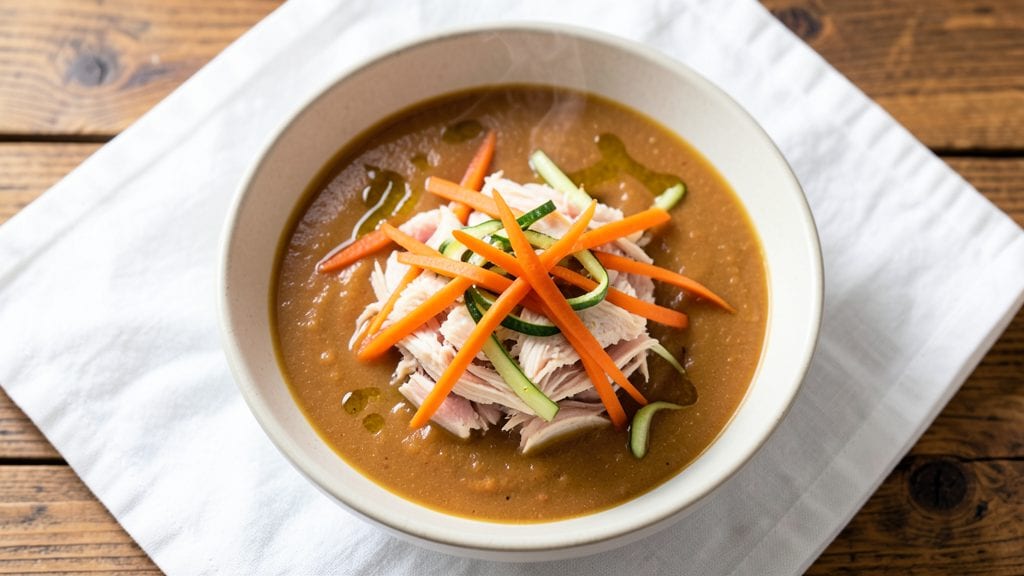
Creating infant soups that are both nutritious and gentle on tiny tummies requires careful ingredient selection and simple preparation—this recipe delivers exactly that in just 15 minutes.
Designed for babies 6 months and older, it focuses on soft, easily digestible vegetables and lean proteins to support early development while avoiding added salt or sugar. The key lies in blending ingredients until silky smooth, ensuring safety and comfort with every spoonful.
This recipe prioritizes iron-rich ingredients like pureed sweet potatoes and finely cooked chicken, which are essential for infant growth, along with gentle vegetables such as zucchini and carrots. The process is straightforward: steam or boil ingredients until tender, then blend until completely smooth for easy digestion.
No complex techniques are needed—just a focus on gentle cooking and proper texture to make mealtime safe and enjoyable.
The result is a light, nutrient-packed soup that introduces babies to new flavors without overwhelming their sensitive palates. Each bite is packed with vitamins, minerals, and healthy fats to support their growing bodies.
Serve warm and monitor your baby’s reaction to ensure they’re ready for this next step in their culinary journey.
Perfect for introducing solids or as a gentle meal for babies exploring new foods, this recipe can be easily customized with other soft vegetables or proteins as your little one grows. Always consult your pediatrician before introducing new foods to ensure it aligns with your baby’s dietary needs.
Ingredients for infant soup
Ten wholesome ingredients blend into a nutrient-rich infant soup perfect for tiny tummies.
| Ingredient | Amount | Notes |
|---|---|---|
| Organic Sweet Potatoes 🍠 | 1 lb | Peeled, cubed, steamed until tender |
| Boneless Skinless Chicken Breast 🍗 | ½ lb | Finely diced, poached until fully cooked |
| Organic Zucchini 🥒 | 1 medium | Peeled, deseeded, sliced into thin rounds |
| Organic Carrots 🥕 | 1 medium | Peeled, chopped into small pieces |
| Organic Whole Milk 🥛 | ¼ cup | Full-fat for creaminess (optional) |
| Extra-Virgin Olive Oil 🫒 | 1 tbsp | For gentle sautéing vegetables |
| Fresh Thyme Leaves 🌿 | 2 whole | Finely chopped, for aroma |
| Water 💧 | 2 cups | For steaming vegetables |
| Breast Milk or Formula 🍼 | ½ cup | For thinning consistency as needed |
| Unsalted Butter 🧈 | 1 tbsp | Optional for added healthy fats |
The organic sweet potatoes and zucchini form the foundational nutrient base, rich in beta-carotene and vitamin C. Whole Foods Market or local organic farmers' markets offer the freshest options, ensuring vibrant color and optimal nutrient retention. For the chicken breast, opt for organic, free-range whenever possible—it provides lean protein without added hormones or antibiotics. The carrots should be firm with no soft spots, and the thyme leaves should be bright green, not wilted. All vegetables should be thoroughly washed before use to remove any pesticide residues, even with organic produce.
Substitutions can be made based on what's available, but prioritize nutrient density. Butternut squash can replace sweet potatoes for a slightly different flavor profile, while organic spinach or peas may substitute for zucchini, though they require more thorough cooking. For the chicken, organic ground turkey works equally well, but ensure it's fully cooked to maintain safety. The breast milk or formula serves as the natural thinning agent—never use cow's milk as a primary liquid for infants under 12 months. If needed, organic coconut milk can be used sparingly for creaminess, but always introduce new foods one at a time.
Store prepped vegetables in airtight containers in the refrigerator for up to 3 days, though it's best to use them within 24 hours for maximum freshness. The cooked chicken can be refrigerated for 2 days or frozen for 3 months in portion-sized containers. For best results, prepare the soup fresh daily, blending ingredients until completely smooth. The soup can be reheated gently in a saucepan or microwave, ensuring it reaches 165°F to maintain safety. Always cool the soup quickly before serving to prevent bacterial growth.
Why You'll Love This Recipe
- No-Fuss Prep: I swear by this recipe because it’s actually minimal work—just dice the sweet potatoes and carrots (no peeling needed if you’re in a rush), toss them in with the chicken, and let the slow simmer do the magic. My blender’s seen better days, but this soup still comes out silky smooth.
- Sweet & Savory Balance: That first sip of creamy milk swirled into the tender chicken and caramelized sweet potatoes? It’s the kind of flavor that makes you pause mid-spoonful. The zucchini sneaks in without overpowering—honestly, my picky toddler doesn’t even notice it’s there.
- Meal Prep Goldmine: Between us, this soup lasts. I make a big batch on Sundays and freeze it in portions—perfect for those nights when you’re too tired to cook. Even better? The milk adds richness without curdling, so reheating is foolproof. (Yes, even on a Tuesday night.)
- Budget-Friendly Protein Boost: Chicken breast might sound fancy, but here it’s the star without breaking the bank. A single breast stretches across three servings, and the sweet potatoes/carrots bulk it up so no one feels shortchanged. My grocery bill thanks me every time.
Step-by-step instructions for gentle infant soups
A simple, nutrient-packed method that transforms wholesome ingredients into easily digestible purees perfect for tiny appetites.
Prepare the Base Vegetables
Peel and cube the 1 lb organic sweet potatoes into even ½-inch pieces. This size ensures consistent cooking without overcrowding your steaming basket. Place them in a steamer basket set over 2 cups water in a saucepan. Bring to a rolling boil over medium-high heat, then reduce to medium heat and steam for 12-15 minutes until fork-tender.
While the sweet potatoes steam, peel and slice the medium organic zucchini into ¼-inch rounds and peel and chop the medium organic carrots into ¼-inch dice. These smaller pieces will soften quickly, creating a smooth texture when blended. Add both to the steamer basket with the sweet potatoes and continue steaming for an additional 5 minutes until all vegetables are completely tender. The zucchini should collapse slightly, and the carrots should yield easily when pierced with a fork.
Poach the Chicken
In a separate saucepan, combine 2 cups fresh water and bring to a gentle simmer over medium heat. Add the 0.5 lb boneless skinless chicken breast, cut into ¼-inch cubes. Poach for 8-10 minutes until the chicken is fully cooked and flakes easily with a fork. The internal temperature should reach 165°F when measured with an instant-read thermometer.
Drain the poached chicken in a fine-mesh strainer, reserving ½ cup of the poaching liquid for added flavor. This liquid contains natural chicken juices that enhance the soup's depth without overpowering it. Once drained, transfer the chicken to a clean bowl and set aside until ready to blend.
Sauté Aromatics and Combine Ingredients
Heat 1 tablespoon extra-virgin olive oil in a small saucepan over low heat. Add the 2 whole fresh thyme leaves, finely chopped, and let them infuse for 1 minute until fragrant. This step develops the subtle herbal notes that complement the sweetness of the vegetables. Remove the pan from heat and let the thyme cool slightly before proceeding.
In a blender or food processor, combine the steamed sweet potatoes, zucchini, carrots, poached chicken, thyme-infused oil, and 0.25 cup organic whole milk. Blend until completely smooth, scraping down the sides as needed. The mixture should resemble a thick, velvety puree with no visible chunks. Taste and adjust the consistency by adding breast milk or formula in 1 tablespoon increments until you achieve a thin, spoonable texture ideal for infants.
Finish and Serve
Return the blended soup to the saucepan and warm gently over low heat for 2-3 minutes, stirring occasionally. This step ensures the soup is served at a safe temperature while preserving its nutrients. Stir in 1 tablespoon unsalted butter (optional) for added healthy fats and a rich, creamy finish. The butter should melt completely, creating a silky texture that makes the soup even more appealing for little ones.
Ladle the soup into small bowls or feeding dishes and serve immediately. The ideal serving temperature is lukewarm—test it by letting a few drops fall on your wrist to ensure it’s not too hot. Store any leftovers in an airtight container in the refrigerator for up to 3 days or freeze for 1 month. When reheating, warm gently over low heat or in a microwave until steaming hot before serving.
Pro Tips For Making Infant Soup
- Peel Sweet Potatoes Thin: I learned this the hard way—thick peels mean tougher texture and longer cooking. Use a vegetable peeler to shave off just the skin, leaving the vibrant orange flesh intact. Thin slices also soften faster, so they blend smoothly without graininess.
- Poach Chicken Low and Slow: Chicken breast turns rubbery if rushed. Simmer it in the broth at a gentle boil (small bubbles, not rolling) for 12–15 minutes, then shred with two forks—no need to overcook. The milk later will make it tender anyway, but start with properly cooked protein.
- Skip Zucchini Seeds: Those big seeds stay bitter no matter how long you cook them. Scoop them out with a spoon before dicing—it’s a 30-second step that makes a real difference in the soup’s mild, sweet flavor. (Yes, even if you’re impatient like me.)
- Strain Milk Last: Whole milk adds creaminess, but it can turn grainy if heated too long. After everything else is cooked, remove from heat, let it cool slightly, then stir in the milk—just enough to reach the right consistency. No blending required.
Flavor customization for this recipe
Sweet Potato Variations
Swap the sweet potatoes for butternut squash or parsnips to introduce new flavors while maintaining nutrient density. Roast the squash at 400°F for 20 minutes until tender, then steam as directed.
For a milder taste, use organic white sweet potatoes, which have a naturally sweeter profile. Always peel and cube evenly to ensure consistent cooking. 🍠
Protein Swaps
Replace the chicken with organic ground turkey or finely shredded beef for variety. Turkey adds a slightly gamey flavor, while beef provides extra iron. For plant-based options, use lentils or chickpeas, ensuring they’re fully cooked and blended until smooth.
Always introduce new proteins one at a time to monitor your baby’s reaction. 🍗
Vegetable Blends
Combine zucchini and carrots with organic spinach or peas for added nutrients. Spinach adds iron, while peas introduce fiber. Cook spinach for only 3-4 minutes to preserve its vibrant green color and nutrients.
For a sweeter profile, add steamed apple slices to the blend—just ¼ cup enhances natural sweetness without overpowering. 🥕
Flavor Introduction
Gently introduce new tastes by adding ½ teaspoon mild curry powder or finely grated ginger to the thyme-infused oil. Curry adds warmth, while ginger offers a subtle zing. Always start with tiny amounts to avoid overwhelming your baby’s palate. Monitor their response before increasing flavors. 🌿
Texture Adjustments
For babies transitioning to thicker textures, blend the soup until completely smooth, then mash slightly with a fork. For older infants, leave it slightly chunky by blending for 30 seconds less.
Use a silicon baby spoon to help them explore textures safely. Adjust consistency with breast milk or formula as needed. 🥄
Seasonal Swaps
In summer, replace carrots with cucumber or green beans for a lighter soup. Green beans add fiber, while cucumber provides hydration. In winter, swap zucchini for cauliflower or broccoli—both add nutrients and hearty texture. Always steam until completely tender to ensure easy digestion. ❄️
Nutrition facts
Frequently asked questions
Can I use store-bought baby food as a base for this recipe?
While you can incorporate small amounts of store-bought baby food for convenience, this recipe is designed to be made fresh for maximum nutrient retention and safety. Homemade soups allow you to control ingredients, avoid additives, and customize textures perfectly for your baby's needs. If using store-bought, limit to 1-2 tablespoons per serving and blend thoroughly.
How do I know when my baby is ready for solid foods like soup?
Look for key developmental signs: your baby should be able to sit up with minimal support, show interest in your food, and lose the tongue-thrust reflex (where they automatically push food out). Most babies begin around 6 months, but always consult your pediatrician before introducing solids. Start with just a few spoonfuls and watch for any adverse reactions.
Is it safe to add salt or spices to baby soup?
Never add salt, sugar, or strong spices to infant soup. Babies' kidneys can't process excess sodium, and their delicate taste buds don't need flavor enhancers. The recipe uses gentle thyme and natural sweetness from vegetables - these are perfect for introducing flavors without overwhelming your baby. Always check ingredient labels to ensure no added seasonings.
Can I make this soup ahead of time and freeze it?
Yes! Prepare the soup as directed, then portion into ice cube trays or small containers. Freeze for up to 3 months for quick meals. Thaw overnight in the refrigerator and reheat gently until steaming hot. Never refreeze thawed portions, and always check temperature before serving to ensure it's lukewarm (98-100°F).
What should I do if my baby doesn't like this flavor?
It's completely normal for babies to be cautious about new tastes. Try offering the soup again in a few days, or gradually introduce new flavors by adding small amounts of other soft vegetables like peas or butternut squash. Always present new foods one at a time, waiting 3-5 days between introductions to monitor reactions.