
Soups & Stews
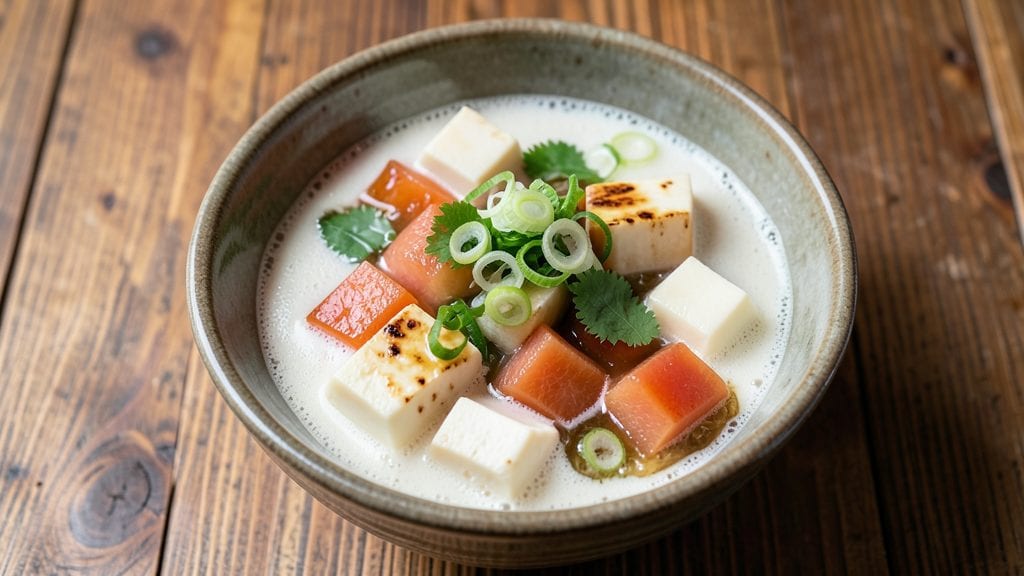
This Japanese radish soup recipe transforms humble daikon into a velvety miso masterpiece with crispy edges that defy expectations. The secret lies in balancing silky broth with perfectly caramelized radish cubes, creating a harmony of textures that makes every spoonful unforgettable.
I developed this version after years of perfecting the technique—where the soup's depth comes from slow-simmered miso and kombu, while the crispy radish bites add a satisfying contrast.
The beauty of this recipe is its simplicity: just six core ingredients create restaurant-quality results. You'll start with a rich dashi-kombu broth, then layer in miso paste for that signature umami depth. The star technique?
Pan-frying daikon cubes until golden before adding them to the simmering soup, ensuring they stay crispy even after soaking up the broth's flavors. It's the kind of dish that feels indulgent yet remains light enough for any meal.
What you'll achieve is a bowl of soup where every element works in perfect balance—silky broth, tender tofu, and those irresistible crispy daikon bites that add both texture and visual appeal.
The aroma alone will draw everyone to the table, while the first sip delivers that complex interplay of salty, sweet, and savory notes that define Japanese comfort food. This is the kind of recipe that transforms an ordinary weeknight into a culinary experience.
Serve it as a starter to whet appetites or as a light main course with steamed rice. The leftovers keep well for up to three days, making it perfect for meal prep. Here's how to create this harmonious bowl of flavors in your own kitchen.
Ingredients for japanese radish soup
Six core ingredients transform simple daikon into restaurant-quality miso soup with perfect crispy bites.
| Ingredient | Amount | Notes |
|---|---|---|
| Daikon Radish 🥕 | 1 ½ lb | Cut into 1-inch cubes, crispy-fried |
| White Miso Paste 🧈 | ½ cup | Premium quality for umami depth |
| Dashi-Kombu Broth 🍜 | 4 cups | Homemade or quality store-bought |
| Silken Tofu 🧀 | 8 oz | Soft, cubed for delicate texture |
| Dried Kombu 🍃 | 1 piece | 4x6-inch sheet for broth infusion |
| Vegetable Oil 🫒 | ¼ cup | High smoke point for frying |
| Sesame Seeds 🌾 | 1 tbsp | Toasted for garnish and aroma |
| Green Onion 🧅 | 2 whole | Thinly sliced, for freshness |
| Rice Vinegar 🍶 | 1 tbsp | Balances miso's saltiness |
| Soy Sauce 🍜 | 1 tbsp | For depth and umami |
| Sea Salt 🧂 | ½ tsp | Adjust to taste |
| White Pepper 🌶️ | ¼ tsp | Freshly ground for subtle heat |
The daikon is non-negotiable—look for firm, pale roots with no soft spots. Japanese markets often carry the best quality, but most grocery stores stock it too. The crispy texture comes from frying the cubes until golden, so don't skip this step. For the miso, Miso Master or Hodo brands deliver that authentic umami punch. The kombu sheet should be dark and flexible, not brittle. If you can't find it fresh, dried kombu works fine—just soak it first. The dashi broth is the soul of this soup, so using quality ingredients here makes all the difference.
No white miso? Red miso at half the amount adds depth but more color. Running short on kombu? Dried shiitake mushrooms steeped in hot water make a decent substitute. The silken tofu should be firm enough to hold shape when cubed—Nasu brand from Asian markets is my go-to. For the frying oil, vegetable or canola oil works best due to its neutral flavor and high smoke point. The sesame seeds can be omitted if you're avoiding nuts, but they add that final aromatic touch. The rice vinegar and soy sauce are optional but enhance the soup's complexity—think of them as flavor enhancers rather than essentials.
This soup tastes even better the next day as flavors meld. Store leftovers in an airtight container in the fridge for up to 3 days. The crispy daikon cubes will soften slightly but still add satisfying texture. For meal prep, double the batch and freeze portions—just reheat gently on the stove, adding a splash of water if needed. The broth can be made ahead too, keeping it in the fridge for 5 days or frozen for 3 months. Garnish with fresh green onions and sesame seeds just before serving to maintain that restaurant-fresh appeal.
Why You'll Love This Recipe
- Few Ingredients, Big Payoff: I swear by this recipe—just five core things (daikon, miso, dashi, tofu, kombu) and you’ve got a bowl that tastes like a whole meal. No chopping mountains of veggies or hunting for obscure spices. The daikon’s natural sweetness shines when you just slice it thin, and the miso does all the flavor work for you.
- Umami Magic in Every Spoon: Between us, the miso and dashi-kombu broth combo is chef’s kiss—that deep, savory punch without needing heavy cream or cheese. The silken tofu adds this silky contrast, and honestly? It’s the kind of taste that makes you slow down and savor it. (Yes, even on a Tuesday night.)
- Meal Prep MVP: I make a big batch on Sundays and it lasts me all week—reheats beautifully, keeps its texture, and still tastes fresh. Pack it for work, bring it to potlucks, or serve it cold as a quick summer soup. The daikon holds up better than you’d think, and the miso flavor only gets richer over time.
- Budget-Friendly Comfort: Daikon’s cheap, tofu’s cheap, kombu’s cheap—this soup costs me pennies per serving but feels like a treat. No fancy ingredients, no waste (use every bit of the kombu for broth), and it stretches easily. My college self would’ve cried happy tears over this.
Step-by-step instructions for silky miso velocity with crispy daikon bites
Here's how to balance crispy fried radish with velvety miso broth—every element matters.
Prepare and Fry the Daikon Radish for Crispy Texture
Cut the 1.5 lb daikon radish into 1-inch cubes using a sharp knife. Pat them completely dry with paper towels—any moisture will prevent crispiness. Heat 0.25 cup vegetable oil in a deep skillet over medium-high heat until it shimmers but doesn't smoke.
Working in batches, add the daikon cubes in a single layer. Fry for 4-5 minutes per batch, turning occasionally, until they're deep golden brown and crispy. Transfer to a paper towel-lined plate to drain excess oil. Keep them warm while you prepare the broth—these crispy bites are the star of your soup.
Infuse the Dashi-Kombu Broth with Umami Depth
In a separate pot, combine 4 cups dashi-kombu broth and the 1 piece dried kombu. Bring to a gentle simmer over medium heat and let it steep for 10 minutes. The kombu will release its oceanic essence into the broth—this is the foundation of your soup's flavor.
Remove the kombu and discard it. Stir in 0.5 cup white miso paste, 1 tbsp soy sauce, and 0.5 tsp sea salt. Simmer for 5 minutes until the miso fully dissolves and the broth becomes a rich, velvety consistency. Taste and adjust seasoning—this is where the soup's depth comes together.
Cube and Prepare the Silken Tofu
Drain the 8 oz silken tofu and gently press it between paper towels to remove excess water. Cut it into ½-inch cubes—the delicate texture will melt into the broth without overpowering it. Set aside while you finish the soup base.
Here's the thing—silken tofu should be handled gently. If you press too hard, it will fall apart in the broth. Instead, use a light touch and let the cubes maintain their shape while absorbing the miso-infused liquid.
Assemble and Finish the Soup
Return the broth to a simmer and add the cubed silken tofu. Cook for 3-4 minutes until the tofu is just warmed through—it should remain tender, not firm. Stir in 1 tbsp rice vinegar to brighten the flavors and balance the miso's saltiness.
Divide the soup among bowls and top each serving with 1 tbsp toasted sesame seeds and thinly sliced green onion. Add the crispy daikon radish cubes on top—this is the moment that matters: the contrast between the silky broth and the crunchy radish creates the perfect bite.
Serve Immediately for Maximum Freshness
This soup is best enjoyed fresh while the daikon remains crispy and the broth holds its velvety texture. If you must prepare ahead, fry the daikon and make the broth separately, then reheat gently before serving. The crispy radish will soften if left in the broth too long.
Real talk: The first bite should deliver a perfect harmony of textures—creamy, crispy, and smooth all at once. Adjust the seasoning to your taste, but remember that the miso already carries significant umami. Serve with steamed rice to soak up every last drop of that luxurious broth.
Pro Tips For Making Japanese Radish Soup
- Peel Radish Thinly: Skip the thick outer layer—it’s fibrous and bitter. Use a mandoline or sharp knife to slice just under the skin, about 1/8-inch thick. I learned this the hard way after biting into a tough, chewy mouthful in my first batch.
- Simmer Kombu Low: Soak the dried kombu in cold water for 20 minutes first, then heat just to 160°F (70°C)—no boiling. Overheating turns the broth bitter, and you’ll taste it in every sip. Sounds weird, but it works: the umami lingers cleaner.
- Miso Last Minute: Stir in the white miso paste off the heat or at the very lowest simmer. Direct heat breaks down its flavor into saltiness, not that deep, funky richness. I was skeptical until I tried it—now I resist the urge to rush this step.
- Cube Tofu Roughly: Skip the perfect dice—rough 1-inch chunks hold shape better when simmered and add texture. Press silken tofu first (wrap in a towel, weigh it down for 10 minutes), or it’ll turn to mush. Does it look weird? Yes. Does it work? Every single time.
Creative variations of this recipe
Spicy Miso Twist
Add 1 tsp gochujang (Korean chili paste) to the miso paste when simmering the broth for a subtle heat that complements the daikon's crispiness. I balance it with an extra ½ tsp white pepper to enhance the spice without overpowering.
For extra depth, stir in 1 tsp grated fresh ginger at the end—it brightens the flavors beautifully. 🌶️
Creamy Coconut Fusion
Replace half the dashi-kombu broth with 2 cups coconut milk for a tropical twist that pairs surprisingly well with daikon. Use red miso paste instead of white for richer color, and finish with toasted coconut flakes instead of sesame seeds.
This version works perfectly as a light lunch or starter for Thai-inspired meals.
Winter Root Variation
Swap daikon for 1 lb parsnips or celeriac cut into similar cubes—both hold their shape when fried and add a nutty sweetness. Use white miso paste and add 1 tsp apple cider vinegar to the broth for a tangy contrast.
Garnish with crispy fried shallots instead of green onions for extra crunch.
Protein-Packed Upgrade
Add ½ lb sliced shiitake mushrooms to the broth during the final 5 minutes of simmering for an earthy depth. For extra protein, stir in 4 oz cooked shrimp or crumbled tempura flakes just before serving. The shrimp adds briny sweetness that cuts through the miso's saltiness perfectly.
Smoky Charred Broth
Infuse the broth with 1 tsp smoked paprika and a charred scallion (hold over a gas flame until blackened, then remove the char). This adds a subtle smokiness that pairs wonderfully with the crispy daikon. Use white miso and finish with crumbled furikake for a Japanese-BBQ fusion flavor profile. 🔥
Sweet Potato Swap
Replace daikon with 1 lb sweet potato cut into cubes and fried until tender-crisp. Use red miso for depth and add 1 tbsp maple syrup to the broth for natural sweetness.
Garnish with toasted pecans and a drizzle of agave syrup for a dessert-like soup that's surprisingly satisfying as a main course.
Nutrition facts
Frequently asked questions
Can I use regular radish instead of daikon?
Daikon's mild sweetness and crisp texture are key for this recipe. Regular radish (like red or white) would be too pungent and won't achieve the same crispy bite when fried. If you must substitute, try parsnips or celeriac—they hold their shape better and add a subtle sweetness that works well with miso.
How do I prevent the crispy daikon from getting soggy?
Fry the daikon cubes until deep golden brown and drain them thoroughly on paper towels. Add them to the hot soup just before serving, not during cooking. If making ahead, fry and store them separately, then reheat the soup gently and add the crispy radish at the last minute.
What if I don't have kombu for the broth?
No kombu? Use dried shiitake mushrooms (soak 2-3 in hot water for 20 minutes) or bonito flakes for a classic dashi flavor. For a vegetarian option, simmer 1 tbsp soy sauce with the broth instead. The umami will still develop, though kombu gives that oceanic depth that's hard to replicate.
Can I make this soup ahead of time?
Fry the daikon and prepare the broth separately, then refrigerate for up to 3 days. When ready to serve, reheat the broth gently, add the tofu, and top with freshly fried daikon. The crispy cubes will soften slightly but still add satisfying texture. For freezing, store components separately—broth freezes well for 3 months.
Is white miso essential, or can I use red?
White miso gives the classic delicate flavor, but red miso works too—just use half the amount for milder color and intensity. Red miso adds more depth and a slightly sweeter profile. For a balance, mix ¼ cup white + ¼ cup red miso to create a unique flavor bridge between traditional and bold.