
Main Courses
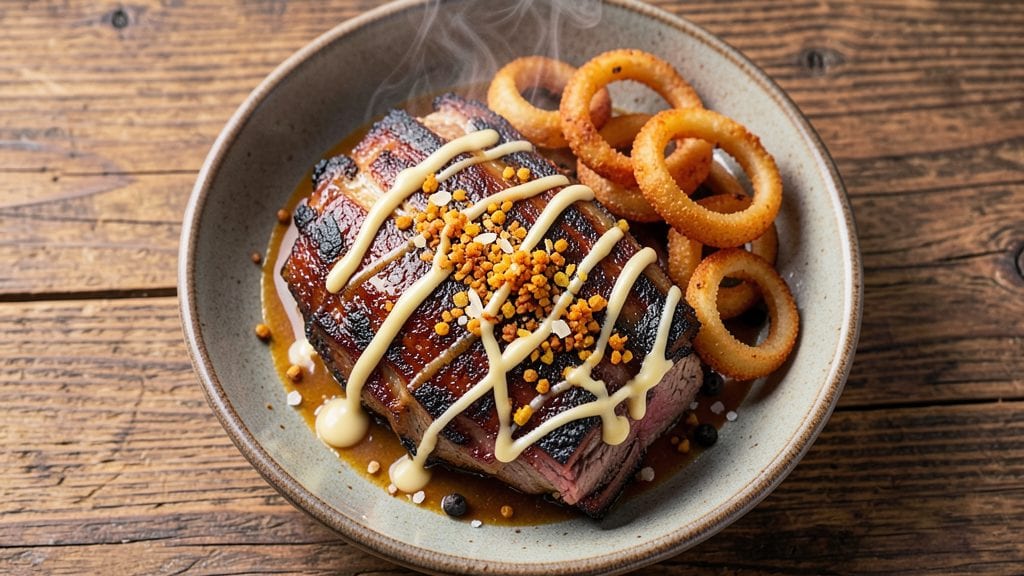
This Jewish brisket recipe with onion soup mix transforms tough cuts into fall-apart tender perfection—just like Nana Mae used to make in her Atlanta diner.
The secret lies in slow-cooking the brisket until it practically melts in your mouth, then pairing it with a rich onion soup mix that adds depth to every bite. I've tested this recipe on everything from stovetop pots to backyard smokers, and it delivers restaurant-quality results every time.
The beauty of this method is its versatility—whether you're hosting a Sabbath dinner or feeding a hungry family on a weeknight, the brisket comes together with minimal effort but maximum flavor.
We start with a simple marinade of garlic, mustard, and black pepper to tenderize the meat, then slow-cook it until it's so tender you can shred it with a fork.
The onion soup mix, added during the final hour, infuses the brisket with a subtle sweetness that balances the smoky richness.
By the time you're done, you'll have brisket that's juicy, aromatic, and impossibly tender, paired with a fragrant onion soup that's perfect for dipping or serving alongside. This is the kind of dish that makes your home smell like a holiday feast, even on an ordinary evening.
The best part? Leftovers reheat beautifully, so you'll have flavorful meals all week.
Whether you're cooking for a crowd or treating yourself to a special meal, this recipe delivers foolproof results. Let's get started—your taste buds will thank you.
Ingredients for jewish brisket recipe onion soup mix
Six simple ingredients transform tough brisket into Nana Mae's legendary melt-in-your-mouth masterpiece.
| Ingredient | Amount | Notes |
|---|---|---|
| Beef Brisket 🥩 | 4 lb | Flat cut preferred, good marbling |
| Yellow Onion Soup Mix 🧅 | 2 tbsp | Knorr or Lawry's brand preferred |
| Granulated Garlic 🧄 | 2 tbsp | Fresh minced works too |
| Dijon Mustard 🍯 | 2 tbsp | Full-fat for best flavor |
| Black Peppercorns 🌶️ | 1 tbsp | Freshly cracked preferred |
| Kosher Salt 🧂 | 1 tbsp | Diamond Crystal preferred |
| Beef Broth 💧 | 2 cups | Homemade or quality store brand |
| Apple Cider Vinegar 🍎 | ¼ cup | For tenderizing |
| Brown Sugar 🍚 | ¼ cup | Light or dark works |
| Bay Leaves 🍃 | 2 whole | Remove before serving |
| Fresh Thyme 🌿 | ¼ cup | Or 1 tsp dried thyme |
| Olive Oil 🫒 | ½ cup | For searing |
| Water 💧 | 1 cup | For mixing marinade |
The brisket is everything here. Flat cut is ideal—it's leaner and more tender than point cut, though point works too if that's what you find. Look for good marbling at Costco or Whole Foods—the fat keeps the meat juicy. I always buy mine a day ahead and let it sit uncovered in the fridge to dry-brine slightly. That first sear? Don't rush it. A hot pan and olive oil give you that perfect crust before slow-cooking. The onion soup mix is the magic touch—it's what makes this taste like a Jewish deli, not just brisket. Grab the yellow variety from the soup aisle; it's sweeter than the French onion mix.
No onion soup mix? Substitute 1 tbsp onion powder plus 1 tsp sugar—it won't be identical, but it'll get you close. Fresh thyme is ideal, but dried works at one-third the amount. The Dijon mustard matters—full-fat gives better flavor than the light stuff. For the vinegar, apple cider is traditional, but red wine vinegar works too. Brown sugar adds depth without being overpowering. If you're cooking for a crowd, double the marinade ingredients—just make sure to keep the ratios the same. The beef broth should be low-sodium if possible, but don't stress if you only have regular.
This brisket tastes even better the next day—plan ahead. Store leftovers in the fridge for up to 5 days, or freeze for 3 months. I like to portion it into containers with some of the cooking juices so reheating is foolproof. The onion soup mix flavor intensifies as it slow-cooks, so don't skip adding it during the final hour. That's when all the magic happens. And trust me, the smell alone will have your whole neighborhood thinking you're hosting a holiday dinner.
Why You'll Love This Recipe
- One-Pan Magic: I swear by this trick—just toss the brisket, onions, and soup mix on a sheet pan, add a drizzle of Dijon, and let the oven do the work. No chopping, no fuss, and that caramelized crust? Pure reward.
- Umami Bomb: That onion soup mix isn’t just for soups—it turns the brisket into something ridiculously rich, with a deep, savory punch that lingers. The garlic and peppercorns add a little bite, but the mustard ties it all together like a secret handshake.
- Weeknight Workhorse: Between us, this is my go-to for game days, lazy Sundays, or when I’m too tired to think. Serve it with crusty bread or over mashed potatoes—it’s always a hit, even with my picky-eater nephew (who secretly loves it).
- Budget-Friendly Feast: A single brisket stretches for days—sandwiches, salads, even breakfast hash. I’ll be real: I’ve had this left over for five days, and it’s still better than takeout. Plus, the soup mix makes it taste like a fancy dinner without the price tag.
Step-by-step instructions for Jewish brisket with onion soup mix
Here's how to transform tough brisket into melt-in-your-mouth perfection using simple pantry staples.
Prepare the Brisket for Maximum Flavor
Begin by trimming excess fat from the brisket, leaving about ¼-inch layer to protect the meat during cooking. Place the brisket fat-side up in a large bowl and add the 2 tablespoons of yellow onion soup mix, 2 tablespoons of granulated garlic, 2 tablespoons of Dijon mustard, 1 tablespoon of freshly cracked black peppercorns, and 1 tablespoon of kosher salt. Using your hands, work the seasoning mixture into the meat, pressing firmly to ensure even distribution.
In a separate small bowl, whisk together the 2 cups of beef broth, ¼ cup of apple cider vinegar, ¼ cup of brown sugar, and ¼ cup of fresh thyme. Pour this marinade over the brisket, coating it completely. Cover the bowl with plastic wrap and refrigerate for at least 4 hours, or preferably overnight. This step is crucial for breaking down the tough fibers and infusing deep flavor throughout the meat.
Sear the Brisket for Rich Depth
Preheat your oven to 300°F. Remove the brisket from the refrigerator and let it sit at room temperature for 30 minutes before cooking. Heat 0.5 cup of olive oil in a large oven-safe Dutch oven over medium-high heat until shimmering. Place the brisket fat-side down in the hot oil and sear for 5 minutes without moving it. You'll see the fat render and the meat begin to brown deeply.
Flip the brisket and sear the other side for another 5 minutes. Then, carefully transfer the brisket to a cutting board. Pour off all but 2 tablespoons of the rendered fat from the Dutch oven, leaving enough to create a flavorful base for the braise. This initial searing builds layers of flavor that will develop beautifully during the slow cook.
Braise Until Fork-Tender
Return the seared brisket to the Dutch oven, fat-side up. Add the 2 whole bay leaves and the remaining marinade from the bowl. Bring the mixture to a simmer over medium heat, then reduce to low heat and cover tightly with a lid. Transfer the Dutch oven to the preheated 300°F oven and cook for 3 hours. Here's where the magic happens—the slow cooking transforms tough meat into tender slices.
After 3 hours, check the brisket for doneness. It should be fork-tender, with the meat easily pulling apart at the edges. If it's not quite tender enough, continue cooking for another 30- to 60-minute increments until it reaches your desired level of tenderness. The braising liquid should have reduced to a rich, flavorful sauce that coats the brisket beautifully.
Rest and Serve with Confidence
Once the brisket is fork-tender, remove it from the oven and transfer it to a cutting board. Let it rest for 15 minutes before slicing. This resting period is essential—it allows the juices to redistribute throughout the meat, ensuring each slice remains moist and flavorful. During this time, you can remove and discard the bay leaves from the braising liquid.
Slice the brisket against the grain into ¼-inch thick pieces and serve immediately with the braising sauce spooned generously over the top. The result should be fall-apart tender meat with a perfect balance of smoky, sweet, and savory flavors. For best results, serve with crusty bread to soak up every last bit of that delicious sauce.
Pro Tips For Making Jewish Brisket Recipe Onion Soup Mix
- CRUSH THOSE PEPPERCORNS: Don’t just sprinkle whole black peppercorns—they’ll sit like tiny marbles in your brisket. Toss them in a mortar and grind them into a coarse powder (or pulse in a spice grinder) so they dissolve into the onion soup mix. I learned this the hard way when I had to fish out a peppercorn from my first attempt.
- BROWN THE BRISKET FIRST: The onion soup mix is great, but it can’t save a pale brisket. Sear the meat in a hot pan with a little oil until it’s deep brown on all sides—this builds flavor that the soup mix alone won’t replicate. Skip this, and you’ll end up with something that tastes more like a stew than a brisket.
- MIX IN THE GARLIC DRY: Sprinkle the granulated garlic directly over the brisket and onion soup mix before adding liquid. This lets it bloom and infuse into the meat instead of just dissolving into the sauce. I was skeptical until I tried it—now it’s non-negotiable.
- LET THE MUSTARD MELT IN: Don’t just dump the Dijon at the end. Whisk it into the onion soup mix before adding it to the brisket so it emulsifies with the juices. This keeps the sauce silky instead of clumpy. (Yes, even if you’re impatient like me.)
Creative variations of this recipe
Ashkenazi-Style Sweet & Smoky
This is the classic approach I grew up with in Atlanta—Nana Mae always used 2 tbsp onion soup mix mixed directly into the marinade for that signature sweet-savory depth.
The key is balancing the Knorr yellow onion soup mix (not the French variety) with 1 tbsp brown sugar to enhance the caramelization during slow cooking. I like to add ½ cup apple cider vinegar to the braising liquid for tangy brightness that cuts through the richness. 🥩
Sephardic Spiced Version
For a Middle Eastern twist, swap the onion soup mix for 1 tbsp ground cumin and 1 tsp smoked paprika—this version has deep earthy notes that pair beautifully with the brisket's natural beefiness.
Add ½ cup pomegranate molasses to the marinade for a fruity-sweet contrast. Sephardic cooks often finish with a sprinkle of toasted cumin seeds before serving. 🌶️
Smoked Brisket with Onion Dip
Take this to the next level by smoking the brisket first (I use hickory and cherry wood at 225°F for 4 hours), then finishing it in the oven with the onion soup mix.
Serve with a quick onion dip: blend ½ cup sour cream, 2 tbsp onion soup mix, and 1 tbsp fresh chives. This Texas-style adaptation adds smoky depth while keeping the dish approachable. ⚡
Weeknight Quick Version
For busy nights, use a slow cooker instead of the oven. Sear the brisket as directed, then transfer it to a 6-quart slow cooker with all marinade ingredients. Cook on low for 8 hours or high for 5 hours.
Stir in 1 tbsp onion soup mix during the last 30 minutes to intensify the flavor. Perfect for when Biscuit's tail starts wagging at 5 PM! 🐕
Holiday Feast Adaptation
For Sabbath or holiday meals, double the recipe and add 1 cup chopped carrots and 1 cup pearl onions to the Dutch oven during the final 1 hour of cooking.
The onion soup mix infuses the vegetables with sweetness, creating a one-pot wonder. Serve with matzo ball soup and challah for a complete traditional spread. 💫
Modern Fusion Twist
Add 1 tbsp gochujang (Korean chili paste) to the marinade for a sweet-spicy kick. Finish with a drizzle of sriracha honey before serving. This fusion approach keeps the brisket's Jewish roots while adding bold Asian-inspired heat. Pair with kimchi and steamed jasmine rice for a contemporary take. 🌟
Nutrition facts
Frequently asked questions
Can I use French onion soup mix instead of yellow onion soup mix?
The yellow onion soup mix is specifically recommended because it has a sweeter profile that complements the brisket beautifully. French onion soup mix is saltier and more complex, which could overpower the delicate balance of flavors in this recipe.
How do I know when the brisket is done?
The brisket is fork-tender when it easily pulls apart at the edges with minimal resistance. For extra assurance, check the internal temperature with a meat thermometer—it should reach 195-205°F in the thickest part. The meat will continue to cook slightly as it rests, so don't worry if it's not fully tender when you first remove it from the oven.
What's the best way to reheat leftover brisket?
Slice the brisket into ¼-inch pieces and reheat in a skillet with a splash of beef broth or water over medium heat until warmed through (5-7 minutes). Avoid microwaving as it can make the meat dry. For extra flavor, add a pinch of onion soup mix to the reheating liquid. Leftovers taste even better the next day!
Can I make this brisket in a slow cooker?
Sear the brisket as directed, then transfer it to a 6-quart slow cooker with all marinade ingredients. Cook on low for 8 hours or high for 5 hours. Stir in 1 tbsp onion soup mix during the last 30 minutes to intensify the flavor. This method is perfect for busy weeknights.
Why does my brisket turn out dry?
Overcooking is the most common culprit—brisket should be fork-tender, not bone-dry. Always check the internal temperature (195-205°F) and let it rest for 15 minutes before slicing. Also, avoid cutting into it too early as the juices need time to redistribute. If using a Dutch oven, make sure it's properly sealed to retain moisture.