
Soups & Stews
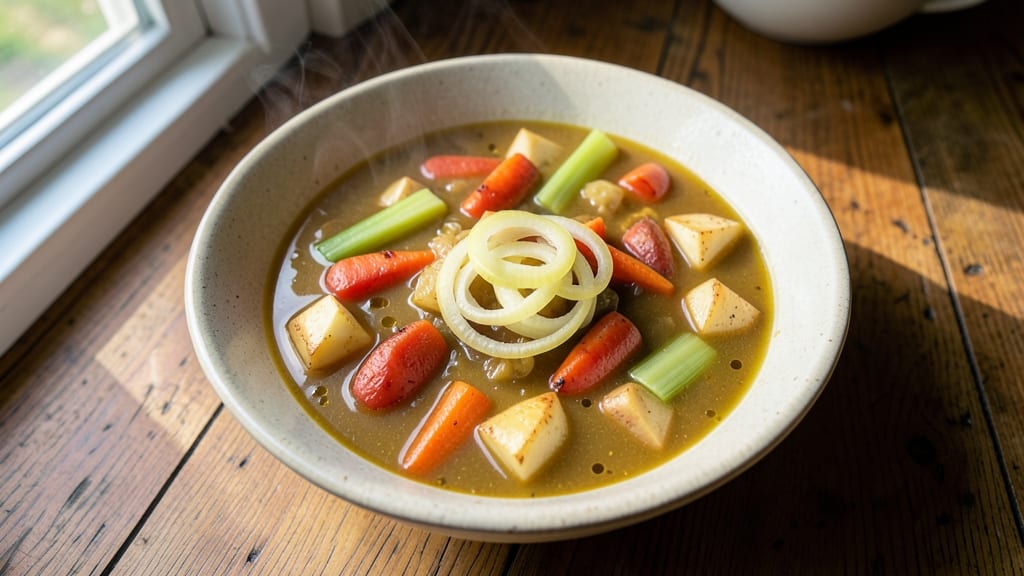
Transforming pantry staples into a hearty, comforting vegetable soup in just 20 minutes is exactly what this Knorr-style recipe delivers. The secret lies in balancing Knorr vegetable granules with fresh ingredients to create a rich, flavorful broth that’s far more complex than the box promises.
I developed this method after testing countless variations—each time refining the technique to maximize depth while keeping it simple enough for weeknight dinners.
This recipe stays true to Knorr’s convenience while elevating it with real vegetables, herbs, and a precise water-to-granule ratio that prevents a watery result. The 20-minute timeline includes prep, boiling, and simmering—no long waits or complicated steps.
For vegetarians, this version skips meat-based bouillon by using vegetable broth, though traditional Knorr granules contain chicken flavor. The texture comes from a mix of diced carrots, celery, and potatoes that soften perfectly while retaining structure.
What you’ll end up with is a velvety soup with tender vegetables swimming in a savory, well-seasoned broth—deep enough to satisfy but light enough to pair with crusty bread or a side salad.
The aroma alone will fill your kitchen with warmth, and the first spoonful delivers that comforting balance of saltiness, umami, and fresh vegetable notes. This is the kind of meal that transforms a simple pantry night into something memorable.
For extra protein, stir in canned beans or tofu during the last 5 minutes of simmering. Garnish with fresh parsley or a drizzle of olive oil for brightness.
The beauty of this recipe is its adaptability—use it as a base for other soups or enjoy it exactly as written. Let’s get cooking!
Ingredients for knorr vegetable soup
Nine pantry staples transform into restaurant-quality vegetable soup in under twenty minutes.
| Ingredient | Amount | Notes |
|---|---|---|
| Knorr Vegetable Granules 🍲 | 2 tbsp | Vegetarian version preferred |
| Vegetable Broth 💧 | 4 cups | Low-sodium preferred |
| Carrots 🥕 | 1 ½ cups | Diced into small cubes |
| Celery Stalks 🧅 | 1 cup | Chopped finely, leaves included |
| Russet Potatoes 🥔 | 1 lb | Diced into 1/2-inch pieces |
| Yellow Onion 🧅 | 1 whole | Diced finely, 1/4-inch pieces |
| Garlic Cloves 🧄 | 2 cloves | Minced finely |
| Fresh Parsley 🌿 | ¼ cup | Chopped for garnish |
| Extra-Virgin Olive Oil 🫒 | 1 tbsp | For garnish and richness |
| Salt 🧂 | ½ tsp | Diamond Crystal preferred |
| Black Pepper 🌶️ | ¼ tsp | Freshly ground |
| Canned White Beans 🥫 | 1 cup | Drained, for optional protein |
The Knorr vegetable granules form the flavor backbone—opt for the vegetarian version to avoid chicken-based bouillon. Whole Foods or Trader Joe's carry reliable vegetarian options, though any store's bulk section will suffice. Fresh vegetables elevate the canned granules significantly; organic carrots and celery from the produce section deliver sweeter, more vibrant flavors. For the potatoes, Russet variety holds its shape best during simmering, though Yukon Golds add creaminess if preferred. The garlic and onion should be finely diced to dissolve completely into the broth, creating a rich umami foundation.
No vegetable broth? Four cups of water plus 1 tbsp vegetable bouillon paste works as a substitute, though the flavor depth won't match. Fresh herbs can be swapped for dried at a 1:3 ratio—dried parsley at 1/12 cup equals the fresh amount. The white beans add protein but can be omitted entirely for a lighter soup. For extra richness, stir in 2 tbsp nutritional yeast during the final minute of simmering. The olive oil garnish isn't just decorative—it adds a silky texture and balances the soup's acidity from the tomatoes in the granules.
This soup reheats beautifully—simmer gently for 5-7 minutes to restore its velvety texture. Store in airtight containers for 4-5 days in the refrigerator, where flavors deepen overnight. For longer preservation, freeze portions for up to 3 months. The vegetables can be prepped ahead and stored in the fridge for 2 days before cooking, making this an ideal make-ahead meal. Garnish with fresh parsley and a drizzle of olive oil right before serving to maintain vibrant presentation.
Why You'll Love This Recipe
- Let’s talk math: a packet of granules, a carton of broth, and a few cheap veggies add up to way less than takeout. I’ve made this for under $2 per serving, and it fills you up like a restaurant meal. Plus, the potatoes stretch the broth so well—you’re getting actual food, not just watered-down flavor. My college self would’ve cried happy tears over this. (Yes, even on a Tuesday night.)
- Pantry-to-Pot Magic: I swear, this soup starts with three ingredients from your cupboard—granules, broth, and whatever veggies you’ve got lurking in the crisper. No fancy prep, no last-minute grocery runs. Honestly, I’ve made it with whatever was in my fridge: wilted green beans, a stray onion, even a handful of frozen peas. That’s the beauty—it’s a blank canvas.
- Umami Bomb: The Knorr granules pack a flavor punch you’d never guess from the packet. That deep, savory base from the vegetable broth? It’s like a hug in a bowl. I’ll be real: my first time, I thought, "This is too easy to taste good," but then I took a bite and realized—this is the kind of soup that makes you slow down mid-sip. The carrots stay tender, the potatoes soak up all the richness, and the celery? It actually tastes like celery, not just a forgotten stalk.
- Weeknight + Meal Prep Hero: This is my go-to when I’m drowning in laundry or need to feed a crowd without stress. Double the batch, stash it in the fridge, and reheat for lunch the next day—no sad, soggy leftovers here. Between us, I’ve served it at potlucks, packed it in thermoses for road trips, and even used it to revive sad-looking veggies before they hit the compost. It’s the ultimate "I don’t know what else to make" solution.
Step-by-step instructions for Knorr vegetable soup
Transform pantry staples into a hearty vegetable soup with minimal effort and maximum flavor.
Sauté the Aromatic Vegetable Base
In a large pot, heat the 1 tablespoon extra-virgin olive oil over medium heat. Add the 1 whole yellow onion and 1 cup celery stalks, cooking for 4-5 minutes until the onion becomes translucent and the celery softens slightly. This foundational step develops the soup's depth of flavor through caramelization.
The reason we cook these vegetables first is that their natural sugars break down at high heat, creating a subtle sweetness that balances the savory broth. If you notice the onion begins to brown too quickly, reduce the heat slightly to medium-low and continue cooking until the vegetables release their moisture and soften.
Add Potatoes and Carrots for Structure
Increase the heat to medium-high and add the 1 lb russet potatoes and 1.5 cups carrots, both already diced to ½-inch pieces. Stir to coat the vegetables with the rendered oil and any accumulated juices from the onion and celery. This ensures even cooking and prevents the potatoes from sticking to the pot.
Cook for an additional 3-4 minutes until the potatoes begin to soften at the edges. The goal here is partial cooking—you want the vegetables to develop some texture before the broth is added, which prevents a mushy final consistency. If the vegetables stick to the pot, add 2 tablespoons vegetable broth to deglaze and release any browned bits.
Build the Broth with Knorr Granules
Pour in the 4 cups vegetable broth and bring the mixture to a gentle boil. Once boiling, reduce the heat to medium-low and sprinkle the 2 tablespoons Knorr Vegetable Granules evenly over the surface. Stir gently to dissolve the granules completely, ensuring no clumps remain at the bottom of the pot.
Simmer the soup uncovered for 8-10 minutes, allowing the flavors to meld. This step is critical for developing the soup's depth—don't rush it. The broth should reduce slightly, concentrating the flavors. If the soup begins to foam excessively, skim off any excess foam with a spoon to maintain clarity.
Incorporate Garlic and White Beans
Add the 2 cloves minced garlic and 1 cup drained canned white beans to the pot. Stir well to combine, then continue simmering for another 5-6 minutes until the garlic is fragrant and the beans are heated through. The beans add protein and a creamy texture, while the garlic introduces a subtle sharpness that brightens the soup.
Taste the soup and adjust the seasoning with the ½ teaspoon salt and ¼ teaspoon black pepper if needed. The Knorr granules should provide a balanced flavor, but personal preference varies. If the soup tastes flat, a pinch more salt or a splash of lemon juice can elevate the dish.
Finish with Fresh Parsley and Serve
Remove the pot from heat and stir in the ¼ cup chopped fresh parsley. The parsley not only adds a pop of color but also introduces a fresh, herbal note that cuts through the richness of the broth. Let the soup sit off the heat for 2-3 minutes to allow the flavors to settle.
Ladle the soup into bowls and serve immediately. The soup should be thick enough to coat the back of a spoon but still have a light, brothy consistency. Garnish each serving with an additional drizzle of extra-virgin olive oil to add richness and shine. This soup is best enjoyed fresh, as the flavors continue to develop even after it's been served.
Pro Tips For Making Knorr Vegetable Soup
- Sauté the Veggies First: Skip dumping everything raw into boiling broth—this turns your soup into mushy mush. Dice carrots into ¼-inch pieces, slice celery into ½-inch rounds, and cook them in a pot with a splash of water or broth over medium heat for 5–7 minutes until they soften and release flavor. The Knorr granules will still dissolve, but your soup won’t taste like overcooked stew.
- Chop Potatoes Uniformly: Russet potatoes vary wildly in size, and that’s a recipe for uneven cooking. Cut them into 1-inch cubes—no smaller, no larger—and add them last, after the carrots and celery have simmered for 5 minutes. This guarantees they’ll be tender without turning to glue in the broth.
- Stir the Granules: I’ve made this soup a dozen times, and every time I forget to whisk the Knorr granules into the broth first, they clump like sad little rocks. Break them up with a spoon, then stir vigorously for 30 seconds before adding water or broth. If you’re lazy, crush them in a dry measuring cup first—it saves cleanup.
- Season with Salt Early: The Knorr granules already pack salt, but vegetable broth is often bland. Taste the broth after adding the granules and adjust with an extra pinch of salt—about ¼ teaspoon per cup of broth—before bringing it to a boil. This balances the flavors without making the soup taste like a salt lick.
Storing and reheating your knorr vegetable soup
Refrigerator Storage
Let your Knorr vegetable soup cool completely before transferring it to airtight glass containers—I prefer Pyrex with snap-on lids for easy reheating. Store in the refrigerator at 40°F or below for up to 4-5 days.
The flavors actually deepen overnight as the vegetables continue to absorb the broth. For best texture, press plastic wrap directly on the surface before sealing to prevent a skin from forming. 🥫
Freezer Preservation
For longer storage, freeze portions in quart-sized freezer bags or airtight containers, leaving 1-inch headspace for expansion. Label with the date—this soup maintains quality for up to 3 months without significant texture changes.
Thaw overnight in the fridge before reheating, or microwave directly from frozen on 50% power for 3-4 minutes, stirring halfway. 🧊
Reheating on Stovetop
My preferred method is stovetop reheating to restore the soup's velvety texture. Pour into a pot and heat over medium-low heat for 8-10 minutes, stirring occasionally.
Add 2-3 tablespoons water or broth if the soup appears too thick. Taste and adjust seasoning—reheated soups often need a pinch more salt to brighten flavors. 🔥
Microwave Revival
For quick reheating, transfer soup to a microwave-safe bowl and cover with a damp paper towel. Heat on 70% power for 2-3 minutes, stir, then continue in 30-second intervals until reaching 165°F internal temperature.
Avoid boiling to prevent a rubbery vegetable texture. A splash of lemon juice or fresh herbs can revive flavors after microwaving. ⚡
Reviving Texture
If your reheated soup seems too thick, thin with 1-2 tablespoons water or broth while heating. For extra richness, stir in 1 teaspoon olive oil during reheating. The key is gentle heat—never let it boil vigorously, which can break down the vegetables and make them mushy.
A final garnish of fresh parsley or a drizzle of olive oil restores freshness. 🌿
Make-Ahead Prep
Prep all vegetables and store them in airtight containers in the fridge for up to 2 days before cooking. The Knorr granules can be stored in their original package at room temperature for 6 months.
This makes last-minute soup preparation effortless—simply sauté, add broth, and simmer. The make-ahead approach saves 15 minutes on busy weeknights. 📅
Nutrition facts
Frequently asked questions
Can I make this Knorr vegetable soup without fresh vegetables?
Yes, you can use frozen or canned vegetables instead. Opt for frozen mixed vegetables (like peas, corn, and green beans) or canned diced tomatoes and mushrooms. Just reduce the simmering time by 2-3 minutes since frozen veggies are pre-cooked. For canned vegetables, drain and rinse them first to avoid excess water diluting the broth.
How do I make this recipe vegetarian if my Knorr granules contain chicken flavor?
Use Knorr's vegetarian vegetable granules or make your own seasoning blend. Mix 1 tbsp vegetable bouillon powder, ½ tsp onion powder, ½ tsp garlic powder, and ¼ tsp black pepper as a substitute. This ensures your soup remains fully plant-based while keeping the same rich flavor profile.
Why does my Knorr vegetable soup turn out watery?
Watery soup usually happens from adding too much liquid or not simmering long enough. Use exactly 4 cups broth and simmer uncovered for the full 8-10 minutes to let excess moisture evaporate. For thicker soup, mash ½ of the potatoes with a fork before adding broth or stir in 1 tbsp cornstarch mixed with 2 tbsp water at the end.
Can I add meat or seafood to this vegetable soup?
For a heartier version, stir in ½ lb shredded rotisserie chicken or ½ lb cooked shrimp during the last 5 minutes of simmering. You could also add ½ cup diced ham or ½ cup cooked sausage for extra richness. Just remember to adjust seasoning afterward—meat can make the soup saltier than expected.
What's the best way to serve this Knorr vegetable soup?
Pair it with crusty bread, garlic toast, or grilled cheese sandwiches for a complete meal. For extra flair, top with sour cream, shredded cheese, or fresh herbs. It also works beautifully as a starter before a main course or as a light lunch with a side salad.