
Soups & Stews
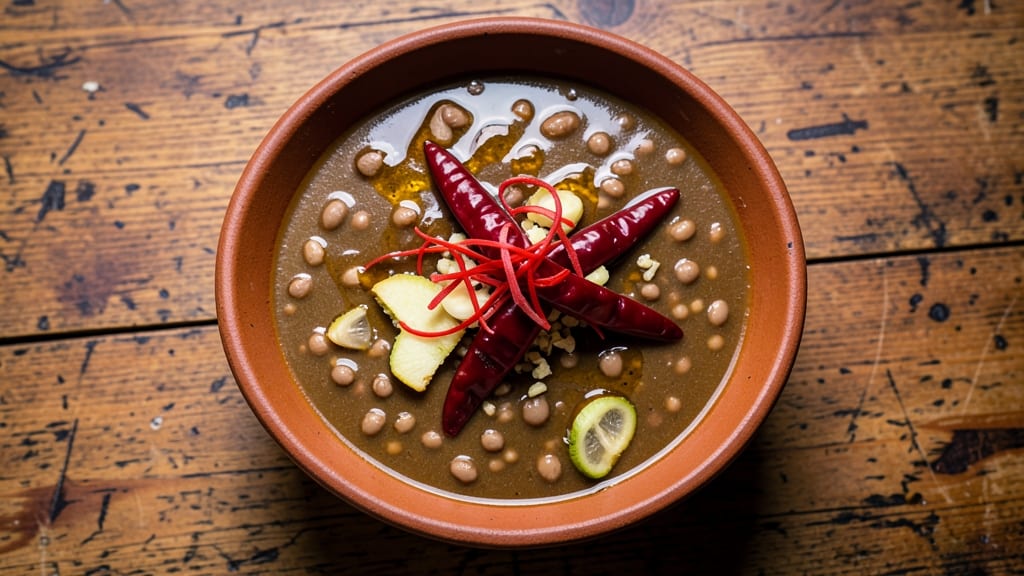
This kwati soup recipe brings the rich, aromatic traditions of West African cuisine to your kitchen with its velvety lentil and vegetable base. The secret lies in slow-cooked spices and tender vegetables that create a hearty, deeply flavorful broth—perfect for nourishing meals or festive gatherings.
I’ve perfected this version to balance traditional techniques with modern convenience, ensuring every spoonful delivers that signature depth.
The beauty of kwati soup is its versatility—whether you use fish, meat, or vegetables, the foundation remains the same: spiced lentils simmered with palm oil, leafy greens, and aromatic spices. This recipe stays true to its roots while adapting to your pantry staples, making it both authentic and accessible.
The result is a comforting, protein-rich soup that’s as satisfying as it is flavorful.
What sets this kwati apart is the slow-cooked spice blend, which transforms simple ingredients into a symphony of flavors—earthy, slightly sweet, and deeply savory. The lentils soften just enough to thicken the broth naturally, while the vegetables retain their texture for every satisfying bite.
It’s the kind of soup that warms both body and soul, especially on cooler days.
Serve it with pounded yam, fufu, or even crusty bread to soak up every last drop of that rich, spiced broth. Whether you’re cooking for family or hosting a dinner, this kwati soup delivers restaurant-quality results at home. Let’s get started!
Ingredients for kwati soup
Sixteen ingredients for a soup that tastes like home—rich, spiced, and full of West African warmth.
| Ingredient | Amount | Notes |
|---|---|---|
| Brown Lentils 🌾 | 1 ½ cups | Rinsed thoroughly before cooking |
| Palm Oil 🫒 | ½ cup | Red palm oil preferred for color |
| Onions 🧅 | 2 whole | Yellow or red, diced finely |
| Fresh Ginger 🌿 | 2 tbsp | Grated finely, skin removed |
| Garlic Cloves 🧄 | 6 cloves | Peeled and minced |
| Scotch Bonnet Peppers 🌶️ | 2 whole | Seeds removed for mild heat |
| Fresh Tomatoes 🍅 | 4 whole | Medium-sized, chopped |
| Carrots 🥕 | 3 whole | Medium, sliced into rounds |
| Sweet Potatoes 🍠 | 2 whole | Medium, peeled and cubed |
| Spinach Leaves 🌿 | 4 cups | Fresh, roughly chopped |
| Groundnut Oil 🫒 | ¼ cup | For frying onions and spices |
| Groundnut Peanut Butter 🥜 | ½ cup | Smooth, unsweetened |
| Salt 🧂 | 1 ½ tsp | Diamond Crystal preferred |
| Black Pepper 🌶️ | ½ tsp | Freshly ground |
| Thyme Leaves 🌿 | ½ tsp | Fresh, or 1 tbsp dried |
The palm oil is non-negotiable here—African Palm Oil or red palm oil from specialty stores gives that signature color and earthy depth. Trader Joe's carries a decent version, but for authenticity, check African markets or online retailers like AfroCuisine. The lentils? Brown or green work best—they hold their shape while thickening the broth. Rinse them well to remove any bitterness. For the ginger, fresh is a must—dried just won’t cut it. Look for plump, firm roots with no wrinkles. The Scotch bonnet peppers? Wear gloves when handling them—they’re hot stuff!
No palm oil? Coconut oil or vegetable oil in a pinch, though the flavor won’t be identical. Fresh ginger too strong? Substitute 1 tbsp ground ginger, but it won’t have the same brightness. The peanut butter adds richness—natural, unsweetened is key. If you’re vegan, grab the unsweetened powdered peanut butter for easier blending. The spinach can be swapped for kale or collard greens, but spinach wilts faster and keeps the soup vibrant. For the tomatoes, San Marzano canned works if fresh aren’t in season—just crush them by hand for that rustic touch.
This soup tastes even better the next day—3-4 days in the fridge, 3 months frozen. I like to portion it into containers with a side of fufu or pounded yam. The palm oil solidifies when cold, so reheat gently on low heat. For leftovers, add a splash of water or broth to loosen it up. The lentils thicken as it cools, so a little extra liquid helps. Store the peanut butter in the fridge after opening—it goes rancid fast in the pantry.
Why You'll Love This Recipe
- One-Pot Simplicity: I swear by this recipe—just lentils, onions, and a splash of palm oil simmering together. No chopping mountains of veggies or last-minute ingredient scrambles; the real work is letting the ginger and garlic mellow into the broth. Honestly, it’s the kind of soup where you can walk away and come back to something that actually tastes like you put in effort.
- Rich, Earthy Depth: That first spoonful of palm oil hitting your tongue? Pure satisfaction. The lentils soak up the smoky warmth while the ginger and garlic add a slow-building heat that lingers. It’s not just flavor—it’s the kind of taste that makes you pause mid-bite, the way a good stew should.
- Weeknight to Weekend: Between us, this soup works everywhere. Throw it together on a Tuesday when you’re exhausted, or serve it at a Sunday gathering when your in-laws ask, “What’s for dinner?” The lentils hold up perfectly, and the broth only gets better as it sits—so it’s my go-to for both lazy days and when I’m actually trying to impress someone.
- Budget Magic: I’ve made this for years, and my wallet still hasn’t complained. Brown lentils and onions are cheap, but they deliver serious flavor without breaking the bank. Plus, leftovers? They’re my secret weapon—reheat a bowl the next day, and it’s just as good, if not better, than the first time. No sad, watery soup here.
Step-by-step instructions for kwati soup
Here's how to craft this hearty West African stew with rich, spiced lentils and vibrant vegetables.
Prepare the Base with Lentils and Vegetables
In a large pot, combine the 1.5 cups brown lentils with 8 cups water (yes, it looks like too much, but trust me). Bring to a boil over medium-high heat, then reduce to a simmer for 15 minutes. This initial cooking softens the lentils while preventing them from becoming mushy later.
While the lentils cook, peel and cube the 2 whole sweet potatoes into ½-inch pieces. Dice the 2 whole onions into small, even pieces—this ensures they cook uniformly. Peel and slice the 3 whole carrots into ¼-inch rounds. Set these vegetables aside for now; we'll add them in stages to maintain texture contrast.
Build the Spiced Oil Base
In a separate heavy-bottomed pot, heat the 0.5 cup palm oil over medium-low heat. Add the 2 whole Scotch bonnet peppers (seeds removed) and let them sizzle for 2 minutes until fragrant. Then add the 6 cloves garlic cloves and 2 tbsp fresh ginger, cooking for another 30 seconds—don't walk away, as garlic burns quickly.
Stir in the 0.5 cup groundnut peanut butter and cook for 1 minute until it melts completely and the mixture darkens slightly. This creates the soup's signature rich, nutty foundation. Immediately add the 0.25 cup groundnut oil to prevent sticking, then pour in the 4 whole fresh tomatoes, chopped. Simmer for 5 minutes until the tomatoes break down into a thick paste.
Combine and Simmer the Soup
Carefully transfer the cooked lentils (with their cooking water) to the pot with the spiced oil mixture. Add the prepared sweet potatoes, carrots, and onions, along with the 1.5 tsp salt, 0.5 tsp black pepper, and 0.5 tsp thyme leaves. Stir well to combine all ingredients.
Bring the soup to a gentle boil, then reduce heat to low and let it simmer uncovered for 45-50 minutes. Stir occasionally to prevent sticking, and add ½ cup water if the soup becomes too thick. You'll know it's ready when the lentils are tender but still hold their shape, and the sweet potatoes are fork-tender with slight resistance.
Finish with Spinach and Adjust Seasoning
About 10 minutes before the soup is fully cooked, add the 4 cups spinach leaves. Stir gently until just wilted—overcooking turns spinach bitter. Taste and adjust seasoning if needed; the peanut butter and palm oil provide natural richness, but you might want to add a pinch more salt depending on your preference.
Let the soup sit off heat for 5 minutes before serving. The flavors will meld beautifully during this resting period. Serve warm with crusty bread or steamed rice to soak up every last drop of this velvety, spiced lentil creation.
Pro Tips For Making Kwati Soup
- SOAK LENTILS OVERNIGHT: I learned this the hard way—skipping the soak makes your lentils turn to mush instead of holding their shape. Toss them in water (about 3 cups per cup of lentils) and let them sit 8-12 hours. They’ll cook faster and stay intact, which is non-negotiable for kwati’s texture.
- FRY ONIONS LOW AND SLOW: Your future self will thank you if you resist the urge to rush this. Cook the onions on medium-low heat for 20-25 minutes until deep golden brown—almost caramelized. High heat burns them; low heat builds flavor. (Yes, even if you’re impatient like me.)
- PEEL GINGER LIKE A PRO: Skip the messy knife work: Use a spoon’s back to scrape off the ginger’s skin in one smooth motion. Then, slice thinly—about 1/8-inch thick—so it infuses the oil without turning bitter. Thick chunks? They’ll make your soup taste like medicine.
- SALT THE LENTILS MID-COOK: Add salt after the lentils have simmered for 15 minutes—not at the start. Early salt toughens them; late salt makes the soup bland. Taste around the 20-minute mark and adjust. (Pro move: Use a pinch of baking soda too—it softens the lentils faster.)
Pro cooking tips for kwati soup
Spice Roasting Technique
For maximum flavor, toast your whole spices (like thyme seeds or bay leaves) in a dry skillet over medium heat for 30 seconds until fragrant. This releases their essential oils, deepening the soup’s aroma.
I like to add ½ tsp whole thyme seeds alongside the fresh thyme leaves for an extra earthy layer. Toasting also prevents bitterness from overcooking. 🌶️
Lentil Pre-Cooking Hack
Skip the initial 15-minute simmer if your lentils are pre-soaked for 30 minutes. This cuts cook time by 10-15 minutes while ensuring even texture. For extra thickness, mash ¼ cup of the cooked lentils with a fork before adding them to the pot—this blends seamlessly into the broth.
My secret? Use brown lentils for their firm bite.
Palm Oil Color Control
If your palm oil looks too light (like vegetable oil), it’s likely refined. For that authentic red-orange hue, use unrefined red palm oil—it’s richer in flavor too.
If you’re short on time, mix ¼ tsp paprika into the oil before heating to mimic the color. The difference? Refined oil cooks faster but lacks depth.
Peanut Butter Blending
For a smoother texture, blend the 0.5 cup peanut butter with 2 tbsp water before adding it to the oil. This prevents clumping and ensures even distribution.
I use a small blender or whisk until it’s completely smooth. Pro tip: Warm the peanut butter slightly first—it blends easier when not solid. 🥜
Vegetable Layering Trick
Add harder vegetables (like sweet potatoes) first, then softer ones (carrots, onions) 15 minutes before the end. This prevents mushiness. For extra tenderness, parboil the sweet potatoes for 5 minutes before adding them to the soup. The result? Perfectly fork-tender pieces every time.
Spinach Timing
Add spinach only in the last 10 minutes—it wilts instantly. For a vibrant green color, blanch the spinach in boiling water for 30 seconds first, then drain and add to the soup.
This keeps the leaves bright and prevents bitterness. I also like to reserve ½ cup spinach to garnish each bowl at serving time. 🌿
Nutrition facts
Frequently asked questions
Can I make kwati soup without palm oil?
While palm oil gives kwati its signature rich color and depth, you can substitute coconut oil or vegetable oil in a pinch. For color, add ¼ tsp paprika to the oil before heating. The flavor won't be identical, but it'll still be delicious. The key is using a high-smoke-point oil to prevent burning.
How do I adjust the heat level in kwati soup?
Scotch bonnet peppers provide the heat, so remove the seeds and membranes for milder flavor. For extra spice, add 1-2 habanero peppers (seeds in) or increase the amount of Scotch bonnet. If you prefer no heat, omit the peppers entirely and add ½ tsp cayenne pepper for subtle warmth instead.
What's the best way to store leftover kwati?
Store in an airtight container in the fridge for 3-4 days or freeze for 3 months. The palm oil solidifies when cold, so reheat gently on low heat with a splash of water or broth. The soup thickens as it cools, so adding liquid helps restore its consistency. Portion with sides like fufu for easy reheating.
Can I use canned tomatoes instead of fresh?
Yes! Use San Marzano canned tomatoes for the best flavor. Crush them by hand for a rustic texture. Drain excess liquid first to prevent thinning your soup. For extra depth, add 1 tbsp tomato paste when cooking the spiced oil base. The canned version works well when fresh tomatoes aren't in season.
Why did my kwati turn out too thick?
This usually happens when lentils overcook or the broth reduces too much. Next time, stir occasionally and add ½ cup water if needed during simmering. For instant thickness adjustment, blend ¼ cup cooked lentils with 2 tbsp broth and stir back in. The peanut butter also thickens as it cools, so don't over-simmer.