
Soups & Stews
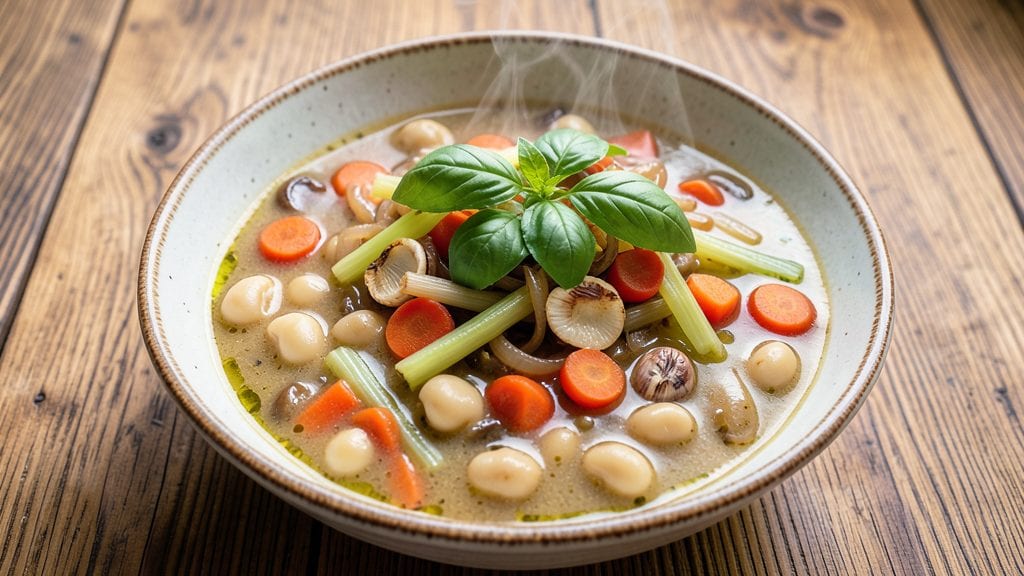
Lidia Bastianich’s minestrone soup recipe brings authentic Italian flavors to your kitchen with its hearty blend of seasonal vegetables, beans, and pasta—just like Nonna used to make. This classic soup is designed to be adaptable, whether you're following the traditional vegetarian version or adding optional meat for extra depth. The key lies in layering flavors through careful sautéing and slow simmering, creating a broth that's rich yet balanced.
What makes this recipe special is its ability to transform simple ingredients into something deeply satisfying. You'll start with a base of cannellini beans and tomatoes, then build complexity with seasonal vegetables like zucchini, carrots, and celery.
The addition of small pasta shapes ensures every spoonful delivers both texture and heartiness. This method preserves the soup's rustic charm while making it accessible for modern kitchens.
The result is a soup that's perfectly balanced—creamy from the beans, bright from the tomatoes, and aromatic from fresh herbs like basil and parsley. The flavors develop as it simmers, creating a comforting dish that's ideal for chilly evenings or family gatherings.
Serve it with crusty garlic bread and grated Parmesan for the full Italian experience.
For dietary variations, you can easily substitute vegetable broth for chicken broth or use plant-based pasta and cheese alternatives.
The beauty of this recipe lies in its adaptability—whether you're making it exactly as Lidia does or putting your own spin on it, the foundation remains the same: wholesome ingredients and time-honored techniques.
Ingredients for lidia's minestrone soup
Authentic Italian flavors begin with these wholesome, seasonal ingredients—just like Nonna's kitchen.
| Ingredient | Amount | Notes |
|---|---|---|
| Extra-Virgin Olive Oil 🫒 | ½ cup | High-quality, fruity variety preferred |
| Yellow Onion 🧅 | 1 whole | Medium size, finely diced |
| Carrots 🥕 | 2 medium | Peeled and sliced into rounds |
| Celery Stalks 🌿 | 3 whole | Trimmed, cut into 1/4-inch pieces |
| Garlic Cloves 🧄 | 4 cloves | Peeled and minced |
| Canned Cannellini Beans 🌱 | 2 cups | Drained and rinsed |
| Diced Tomatoes 🍅 | 2 cups | San Marzano preferred |
| Vegetable Broth 💧 | 4 cups | Low-sodium preferred |
| Zucchini 🥒 | 1 medium | Peeled and sliced into half-moons |
| Ditalini Pasta 🍝 | 1 cup | Uncooked, small tubes |
| Fresh Basil Leaves 🌿 | ¼ cup | Chopped, stems removed |
| Fresh Parsley Leaves 🌿 | ¼ cup | Chopped, stems removed |
| Parmesan Cheese 🧀 | ½ cup | Freshly grated from block |
| Salt 🧂 | 1 ½ tsp | Diamond Crystal kosher preferred |
| Black Pepper 🌶️ | ½ tsp | Freshly ground |
The foundation of Lidia's minestrone lies in its vegetable base. San Marzano tomatoes deliver that signature sweetness—look for the official canned label at Whole Foods or Italian specialty markets. The beans should be cannellini, not kidney or pinto; Mutti or Cirio brands are reliable. For the broth, low-sodium vegetable stock prevents over-salting later. Fresh herbs are non-negotiable here—basil and parsley from the farmers market have far more aroma than dried. The pasta? Ditalini is traditional, but any small tube shape works. Pro tip: Toast the pasta in the olive oil for 30 seconds before adding liquid to prevent mushiness.
No San Marzano tomatoes? High-quality crushed tomatoes in a can work, though they'll lack the same depth. Short on cannellini beans? White beans or even chickpeas add creaminess. The vegetable broth can be substituted with water plus 1 tsp vegetable bouillon, but you'll need to adjust seasoning. Fresh herbs unavailable? Dried basil and parsley at one-third the amount suffice, though texture suffers. For the onion, yellow or red varieties both work—just ensure they're crisp and free of sprouts. The zucchini can be substituted with yellow squash or even eggplant for variety, though cooking times may differ.
This soup tastes even better the next day as flavors meld. Store in an airtight container in the refrigerator for up to 5 days. For freezing, portion into quart-sized containers with a 1/2-inch headspace—it reheats beautifully. The Parmesan should be stored in its original packaging or a sealed container to prevent drying. Fresh herbs? Wrap them in damp paper towels and store in a sealed bag for up to 5 days. The pasta and beans keep indefinitely in their original packaging, while the vegetable broth should be used within 6 months of opening for best flavor.
Why You'll Love This Recipe
- One-Pot Magic: I swear by this recipe because it’s actually a one-pot wonder—no chopping chaos, just a quick sauté of onions, carrots, celery, and garlic in that golden olive oil. The kind of dish where you can toss in whatever veggies you have lying around (even wilted spinach from last week) and still end up with something hearty.
- Garlic Kiss: That moment when the garlic hits the pot? Chef’s kiss. The olive oil draws out all its sweet, pungent goodness while the onions caramelize just enough to give the whole soup this deep, savory backbone. It’s the kind of flavor that makes you pause mid-stir and think, “Wait, is this really just soup?”
- Leftovers That Beg: This soup only gets better the next day—seriously. The flavors meld into this rich, comforting broth that’s perfect for lunchboxes, quick breakfasts, or even a lazy Sunday reheat. I make a double batch on Sundays just so I can grab a jar from the fridge all week without stressing.
- Budget Hero: No fancy ingredients, just pantry staples doing their thing. A few carrots, a stalk of celery, an onion, and garlic—all things that last forever and cost next to nothing. It’s the ultimate “feed the whole family without breaking the bank” dish, and honestly? That’s my kind of recipe.
Step-by-step instructions for Lidia's minestrone soup recipe
Master this Italian classic with my precise technique for rich, layered flavors and perfect texture.
Sauté the Vegetable Base
Heat the 0.5 cup extra-virgin olive oil in a large Dutch oven over medium heat. Add the 1 whole yellow onion, 2 medium carrots, and 3 whole celery stalks, stirring occasionally for 8-10 minutes until the vegetables soften and begin to caramelize. This slow cooking develops deep, sweet flavors that form the foundation of the soup.
Once the vegetables are tender, add the 4 cloves minced garlic and cook for 30 seconds until fragrant. The garlic should perfume the entire pot—this is your signal it's ready for the next step. I always use a wooden spoon here to prevent any potential metal reactions that could alter the delicate flavors.
Build the Broth and Add Beans
Pour in the 2 cups diced tomatoes and stir to combine with the sautéed vegetables. Cook for 2 minutes until the tomatoes break down slightly and release their juices. Then add the 4 cups vegetable broth and bring the mixture to a gentle simmer over medium-low heat. This controlled simmer prevents the vegetables from breaking down too much while allowing flavors to meld.
After 10 minutes of simmering, add the 2 cups drained cannellini beans and stir gently. The beans should be fully submerged in the broth. Here's the thing—don't skip this simmering time. It's when all the flavors come together in harmony, creating that authentic Italian depth that makes this soup truly special.
Incorporate Zucchini and Pasta
Add the 1 medium zucchini sliced into half-moons and the 1 cup uncooked ditalini pasta to the pot. Stir gently to distribute evenly. The pasta will begin to absorb some of the broth immediately, so I like to give it a quick stir every 5 minutes during the cooking process to prevent sticking. Cook for 12-15 minutes until both the zucchini is tender and the pasta is al dente—it should have a slight bite when you taste it.
Real talk: The pasta should finish cooking in the broth, not separately. This ensures perfect texture and allows the pasta to absorb all those beautiful vegetable flavors. If you notice the soup is getting too thick before the pasta is done, add ½ cup hot water to maintain the proper consistency.
Finish with Herbs and Seasoning
Remove the pot from heat and stir in the 0.25 cup chopped fresh basil leaves and 0.25 cup chopped fresh parsley leaves. These herbs add bright, fresh notes that cut through the richness of the vegetables and beans. Let the soup sit off the heat for 5 minutes to allow the flavors to meld completely.
Season to taste with the 1.5 teaspoons salt and 0.5 teaspoon black pepper. I always taste before adding salt—sometimes the vegetables and beans already contain enough sodium. The soup should be well-seasoned but not overwhelmingly salty. The final touch is to stir in the 0.5 cup freshly grated parmesan cheese just before serving. This adds a luxurious finish that elevates the entire dish.
Rest and Serve
Let the minestrone rest for 10 minutes before serving. This resting period allows the flavors to fully develop and the pasta to absorb any remaining broth, resulting in a more cohesive and flavorful soup. I know it's tempting to serve immediately, but trust me—this extra time makes a noticeable difference in the final product.
Ladle the soup into bowls and garnish with additional fresh parsley and grated parmesan cheese. The classic presentation makes it feel like you've just brought authentic Italian flavor to your table. Serve with crusty bread to soak up every last drop of that delicious broth. Each spoonful should deliver a perfect balance of vegetables, beans, pasta, and herbs with that rich, comforting depth that defines a true Italian minestrone.
Pro Tips For Making Lidia'S Minestrone Soup
- Sweat the Veggies Slow: Lidia’s recipe starts with onions, carrots, and celery—don’t rush this step. A gentle simmer for 8–10 minutes (not a quick sear) breaks down the fibers and deepens their flavor. I used to skip this, and the soup always tasted flat until I realized patience here pays off.
- Slice Carrots Thinly: Cut those carrots into ¼-inch rounds, not thick chunks. They’ll soften evenly without turning to mush, and the texture stays pleasant. Thick slices end up rubbery—trust me, I’ve ruined enough batches to know.
- Salt the Water Generously: The broth in minestrone needs bold seasoning from the start. Add 1½ teaspoons of salt per quart of water (or more if using salty broth) before boiling. Taste as it simmers—adjust early, not later, because you can’t fix underseasoned soup.
- Toast the Garlic Lightly: When you add the minced garlic near the end, let it sizzle for 30 seconds until fragrant but not browned. Burned garlic tastes bitter and overpowers the dish. Keep the heat medium-low and stir constantly—this is where the magic happens without the bitterness.
Dietary considerations for this dish
Vegetarian-Friendly Base
This minestrone is naturally vegetarian, relying on cannellini beans for protein and vegetable broth for depth. The San Marzano tomatoes and fresh herbs provide vibrant flavors without any animal products. For extra protein, add 1 cup cooked lentils or ½ cup crumbled feta cheese at the end. 🌱
Vegan Adaptations
To make this fully vegan, swap the Parmesan cheese for nutritional yeast (about ¼ cup) or vegan Parmesan. Use vegan vegetable broth and ensure your pasta is plant-based. I recommend Barilla's vegan ditalini for the same texture. The beans and vegetables still deliver all the hearty satisfaction without dairy.
Gluten-Free Options
For gluten-free minestrone, replace the ditalini pasta with gluten-free pasta shapes like De Cecco's gluten-free ditalini. Check that your vegetable broth is certified gluten-free, as some brands use wheat-based additives. The rest of the recipe remains unchanged—this swap keeps the same comforting texture while accommodating gluten sensitivities.
Low-Carb Variations
Skip the pasta entirely and bulk up with extra vegetables like chopped kale, spinach, or mushrooms. Use cauliflower rice (about 1 cup) instead of pasta for a low-carb alternative.
The beans and broth still provide filling fiber and flavor. I've found this version works beautifully with zucchini noodles for a lighter take.
Protein Boosts
Add ½ cup cooked quinoa or 1 cup chopped white beans for extra protein. For meat lovers, stir in ½ pound diced pancetta during the sautéing step—it crisps beautifully and adds smoky depth.
If using meat, reduce the vegetable broth by ½ cup to maintain balance. The beans and vegetables still shine as the star ingredients.
Nutrition facts
Frequently asked questions
Can I make this minestrone soup ahead of time?
This soup tastes even better the next day as flavors meld together. Store it in an airtight container in the refrigerator for up to 5 days. For freezing, portion into quart-sized containers with a ½-inch headspace—it reheats beautifully with just a gentle stir. The pasta will soften slightly when reheated, but the broth remains flavorful.
What can I substitute if I don't have San Marzano tomatoes?
Use high-quality crushed tomatoes in a can as a substitute—they'll provide good flavor, though they lack the same sweetness. For extra depth, add ½ teaspoon sugar or 1 teaspoon tomato paste to compensate. The key is using fresh, ripe tomatoes—never canned tomatoes with added salt or preservatives, as they'll overpower the dish.
Why does my minestrone turn out too thick or watery?
Thickness usually means the pasta absorbed too much broth—stir occasionally during cooking to prevent this. For watery soup, simmer uncovered for 5-10 extra minutes to reduce. If it's still too thin, mash ½ cup beans lightly with a fork to thicken naturally. The ideal consistency should coat the back of a spoon but still be spoonable.
Can I use dried beans instead of canned?
Yes, but you'll need to soak them overnight first. Use 1 cup dried cannellini beans (about 2.5 cups cooked) and simmer them with the broth for 45-60 minutes until tender. Dried beans require longer cooking and may need extra broth. For best results, use canned beans—they're pre-cooked and save time while maintaining texture.
How do I make this soup more flavorful?
Boost flavor by toasting the pasta in olive oil for 30 seconds before adding broth, or add 1 bay leaf during simmering. For depth, stir in 1 teaspoon red wine vinegar or ½ teaspoon smoked paprika at the end. Fresh herbs are key—don't skip the basil and parsley, and add a pinch of red pepper flakes if you like heat.