Soups & Stews
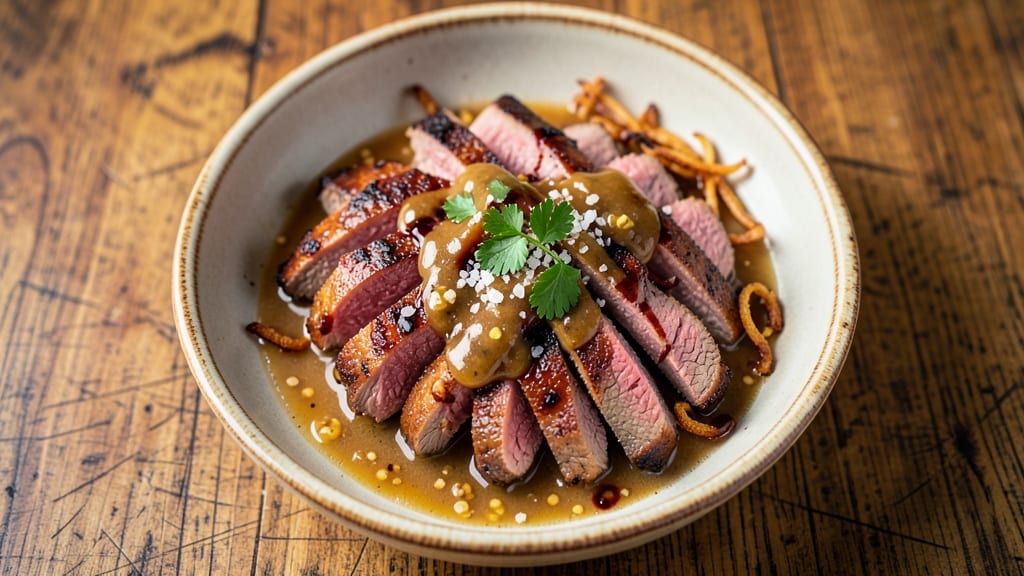
Transforming a simple Lipton onion soup packet into the star of this slow-cooked brisket creates a dish that tastes like it simmered all day—without the hours of prep. The secret lies in using the soup's concentrated umami base as a flavor anchor, then building layers of richness through slow cooking.
I developed this recipe after realizing how much depth a single packet could add when properly integrated into the cooking process.
This brisket delivers tender, fork-shreddable meat with a caramelized crust on top, all infused with the deep, savory notes of onion soup. The slow-cooking method ensures the brisket stays moist while developing complex flavors, and the melty top adds an irresistible texture.
What makes this recipe stand out is how the onion soup transforms from a simple packet into a sophisticated sauce base that complements the beef perfectly.
By the time you serve this dish, you'll have a restaurant-quality brisket that's ready in just a few hours of hands-off cooking. The rich, aromatic broth clings to every bite, while the tender meat practically falls apart.
This is the kind of meal that makes weeknight dinners feel special—without requiring advanced skills or expensive ingredients.
Pair it with classic sides like creamy mashed potatoes or crusty bread to soak up every bit of that flavorful sauce. The combination creates a complete, satisfying meal that's perfect for feeding a crowd or enjoying as a hearty solo dinner.
Here's how to make it happen with minimal effort and maximum flavor.
Ingredients for lipton onion soup brisket
Six ingredients transform this brisket into a slow-cooked masterpiece with minimal effort.
| Ingredient | Amount | Notes |
|---|---|---|
| Beef Brisket 🥩 | 4 lb | Flat cut preferred, trimmed of excess fat |
| Lipton Onion Soup Mix 🥄 | 1 package | Single serving packet, not the dry soup mix |
| Beef Broth 💧 | 2 cups | Low-sodium preferred, or homemade |
| Red Wine 🍷 | 1 cup | Dry variety like Cabernet Sauvignon |
| Balsamic Vinegar 🍶 | ½ cup | For depth and caramelization |
| Brown Sugar 🍚 | ¼ cup | Packed, for caramelized crust |
| Yellow Onion 🧅 | 1 whole | Sliced, for extra onion flavor |
| Garlic Cloves 🧄 | 6 cloves | Minced, for aromatic base |
| Worcestershire Sauce 🥫 | 1 tbsp | For umami depth |
| Black Peppercorns 🌶️ | 1 tsp | Freshly cracked, for heat |
| Bay Leaves 🌿 | 2 whole | For subtle herbal notes |
| Butter 🧈 | ½ cup | Unsalted, for melty top |
| Salt 🧂 | 2 tsp | Kosher or sea salt, for seasoning |
| Water 💧 | 1 cup | For liquid base |
The brisket is the foundation—flat cut delivers the best texture, and trimming excess fat prevents greasiness. Most butchers will do this for you if you ask. For the Lipton packet, stick to the single-serve version—the dry mix lacks the concentrated umami needed. Costco or Walmart typically stock it near the soup aisle. If using beef broth, opt for low-sodium to control seasoning. The red wine should be dry—Cabernet Sauvignon works best, but any bold red will do.
No red wine? Substitute with extra beef broth—just add an additional cup. Balsamic vinegar can be swapped for apple cider vinegar if unavailable, though it lacks the same depth. Brown sugar is crucial for the caramelized top—white sugar works in a pinch, but it won’t caramelize as well. Fresh garlic and onions are ideal, but frozen chopped onions (thawed) or jarred minced garlic will suffice. The Worcestershire sauce adds a savory kick—soy sauce can replace it if needed, though the flavor profile shifts slightly.
This brisket reheats beautifully—3-4 hours on low if you’ve paused cooking. For the melty top, add butter in the last 30 minutes of cooking. Store leftovers in the fridge for 5-6 days or freeze for up to 3 months. The sauce thickens as it cools, so reheat with a splash of water or broth to restore consistency. Portion into containers for easy serving, and save the extra sauce for mashed potatoes or toast.
Why You'll Love This Recipe
- One-Pan Magic: That’s right—just a brisket, a packet of onion soup mix, and a splash of red wine. No chopping, no fuss, no extra pots. The brisket sits in its own juices while the flavors meld, and honestly? I’ve never cleaned up less for something this satisfying.
- Rich, Unexpected Depth: Here’s what sold me—the red wine and balsamic cut through the richness of the brisket, while the Lipton mix adds that caramelized, savory punch. It’s not just soup; it’s a slow-cooked, wine-braised masterpiece that tastes like you spent hours (but didn’t).
- Leftovers That Don’t Lie: This recipe actually improves the next day. The brisket gets tenderer, the sauce thickens into a glossy glaze, and I’ve been known to reheat it straight from the fridge for a lazy lunch—no one ever guesses it’s the same dish.
- Budget-Friendly Feast: A pound of brisket, a cheap bottle of wine, and a box of soup mix stretch into four hearty servings. Between us, this is my go-to when I need to feed a crowd without breaking the bank—plus, the leftovers freeze like a dream.
Step-by-step instructions for Lipton onion soup brisket recipe
This method delivers melt-in-your-mouth brisket with a rich, caramelized crust every time.
Prepare the Brisket and Sear for Depth
Begin by trimming the 4 lb beef brisket of any excess fat, leaving about ¼-inch thickness on the fat cap. Pat the meat completely dry with paper towels—this ensures a proper sear. In a large Dutch oven, heat 0.5 cup butter over medium-high heat until foaming. Add the brisket fat-side down and sear for 10 minutes until deeply browned. Flip and sear the other side for another 10 minutes. This step develops the Maillard reaction, creating complex flavors that form the foundation of your brisket.
While the brisket sears, finely dice 1 whole yellow onion and mince 6 cloves garlic. Set them aside for the next step. The searing process should render some fat from the brisket—don't drain it; this fat will help build the sauce later. Transfer the seared brisket to a plate and set it aside.
Build the Flavor Base in the Dutch Oven
Reduce the heat to medium and add 1 tbsp Worcestershire sauce to the Dutch oven, scraping up any browned bits from the bottom. Add the diced onion and cook for 5 minutes until softened. Stir in the minced garlic and cook for another 30 seconds until fragrant—this prevents the garlic from burning, which would make the dish bitter.
Pour in 1 cup red wine and scrape the bottom again to incorporate all the flavorful bits. Let the wine simmer for 3 minutes until reduced by half. This step deepens the sauce's complexity by concentrating the wine's flavors. Stir in 1 package Lipton Onion Soup Mix, 2 tsp salt, and 1 tsp black peppercorns, ensuring everything is well combined.
Slow-Cook the Brisket with Liquid and Aromatics
Return the seared brisket to the Dutch oven, fat-side up. Add 2 cups beef broth, 0.5 cup balsamic vinegar, 0.25 cup brown sugar, 1 cup water, and 2 whole bay leaves. Bring the mixture to a simmer, then cover and transfer to a 325°F oven. Cook for 3 hours, or until the brisket reaches an internal temperature of 195°F. This low-and-slow approach ensures the meat becomes fork-tender without drying out.
Here's the thing—don't be tempted to peek or stir the brisket during cooking. Every time you open the lid, you lose heat and moisture, which can extend cooking time and affect the texture. Instead, trust the process and let the flavors meld naturally. The brisket should have a deep, rich aroma when it's done.
Create the Melty Top and Finish
Once the brisket reaches 195°F, remove it from the oven and carefully transfer it to a cutting board. Tent it loosely with aluminum foil and let it rest for 30 minutes. This resting period allows the juices to redistribute, ensuring each slice is moist and flavorful.
While the brisket rests, return the Dutch oven to the stovetop over medium heat. Skim off any excess fat from the surface of the cooking liquid, then stir in 0.5 cup butter and 0.25 cup brown sugar until the butter melts and the mixture becomes glossy and slightly caramelized. This creates the signature melty top that makes this brisket irresistible. Taste and adjust the seasoning if needed.
Slice and Serve with Sauce
After resting, slice the brisket against the grain into ¼-inch thick slices. Arrange the slices on a serving platter and spoon the caramelized sauce over the top. The sauce should be thick enough to coat the back of a spoon but still flow slightly when poured. Serve immediately, as the sauce continues to thicken as it cools.
This brisket should be tender enough to pull apart with a fork, with a rich, umami-packed sauce that balances sweet, tangy, and savory notes. The melty top adds a luxurious finish that elevates this dish from ordinary to extraordinary. Enjoy with crusty bread or roasted vegetables to soak up every last bit of sauce.
Pro Tips For Making Lipton Onion Soup Brisket
- Brown the Brisket First: Don’t skip this step—sear the brisket hard in a hot Dutch oven for 5-7 minutes per side before adding liquids. The Maillard reaction from the caramelized crust is what makes this dish taste like it simmered all day, not just a few hours. I used to rush it, and the flavor was always flat.
- Bloom the Onion Mix: Toast the Lipton onion soup mix in the empty pot for 30 seconds before adding wine and broth. This deepens the caramelized onion flavor and cuts through the powdery aftertaste. Sounds weird, but it works—trust the smell.
- Deglaze Aggressively: After browning the brisket, don’t just splash in the wine—scrape every bit of fond from the bottom with a wooden spoon. That’s where the flavor hides, and skipping it means losing half the depth of taste. I learned this the hard way when my first batch tasted watery.
- Reduce the Wine: Let the red wine simmer uncovered for 5 minutes before adding broth to burn off the alcohol. This keeps the dish from tasting sharp or boozy, especially if you’re using a cheaper bottle. (Yes, even if you’re impatient like me.)
Best sauces and condiments for this lipton onion soup brisket
Classic Onion Soup Sauce
The Lipton onion soup packet is the flavor backbone of this dish, transforming a simple packet into a rich, aromatic sauce. Start by dissolving the packet in 2 cups hot beef broth—this creates a concentrated umami base that infuses the brisket during slow cooking.
The key is letting it fully integrate with the other ingredients, especially the red wine and balsamic vinegar, which deepen the flavor profile. 💛
For extra depth, add the packet directly to the Dutch oven after the wine reduction, along with 2 tsp salt and 1 tsp black peppercorns. This ensures the onion soup flavors meld seamlessly with the beef and aromatics.
The slow cook at 325°F allows the sauce to develop a velvety texture while keeping the brisket tender.
Buttery Caramelized Top
The signature melty top comes from stirring in ½ cup butter and ¼ cup brown sugar during the final 30 minutes of cooking. The butter adds richness, while the sugar caramelizes for a glossy, slightly sweet finish.
I like to skim excess fat from the sauce first—this prevents the butter from burning while creating a smoother texture. 🔥
For a restaurant-style touch, sprinkle 1 tsp smoked paprika or ½ tsp garlic powder into the butter mixture before stirring. This adds warmth and complexity that complements the onion soup base perfectly. The result is a glossy, golden crust that practically melts in your mouth.
Worcestershire Boost
A splash of 1 tbsp Worcestershire sauce in the Dutch oven during the initial sear elevates the onion soup flavors to new heights. This fermented condiment adds a tangy, savory depth that balances the sweetness of the brown sugar and the richness of the beef.
If you're avoiding Worcestershire, 1 tbsp soy sauce works as a substitute, though the flavor will be slightly different. 🥫
Add it early—right after searing the brisket—to let the sauce reduce and concentrate its flavors alongside the onion soup packet. This step is what transforms a simple packet into a sophisticated sauce base that stands up to the beef.
Balsamic Vinegar Twist
The ½ cup balsamic vinegar in this recipe isn't just for acidity—it adds a complex, slightly sweet tang that pairs beautifully with the onion soup. Simmer it with the beef broth and wine to reduce the liquid slightly, which intensifies its flavor.
For a deeper taste, use aged balsamic vinegar instead of regular—it has a richer, caramel-like quality that enhances the sauce. 🍷
If you're short on time, a quick substitute is apple cider vinegar, though it lacks the same depth. The vinegar also helps tenderize the brisket during the slow cook, making it easier to slice and serve.
Brown Sugar Glaze
The ¼ cup brown sugar in the sauce serves two purposes: it caramelizes for a glossy finish and balances the savory flavors of the onion soup. For best results, use dark brown sugar—it has more molasses content, which adds moisture and a deeper caramel color. 🍚
Stir it in during the final 30 minutes of cooking to let it caramelize with the butter. If you prefer a sweeter sauce, add an extra 1 tbsp sugar, but be cautious—too much can overpower the brisket's natural flavors.
Nutrition facts
Frequently asked questions
Can I use the dry Lipton onion soup mix instead of the single-serve packet?
The single-serve packet is ideal because it provides a concentrated umami flavor that works perfectly with the brisket. The dry mix is too mild and won't create the same depth of flavor. If you only have the dry mix, use 2 tablespoons instead of the packet, but expect a less rich result.
How do I know when the brisket is fully cooked?
Use a meat thermometer to check the internal temperature. The brisket is done when it reaches 195°F—this ensures it's fork-tender and ready to slice. If you don't have a thermometer, cut into the thickest part; it should be very tender and pull apart easily.
Can I make this brisket in a slow cooker instead of the oven?
Follow the same steps for searing the brisket, then transfer everything (including the sauce) to a 6-quart slow cooker. Cook on low for 8 hours or high for 5-6 hours. The slow cooker will keep the meat moist while developing the flavors. Just add the butter and brown sugar in the last 30 minutes on the stovetop.
What if I don't have red wine? Can I substitute it?
Yes, you can substitute with 1 cup beef broth or 1 cup apple juice for a similar depth of flavor. If using apple juice, add ½ teaspoon vinegar to balance the sweetness. The wine adds complexity, but these substitutes will still work well.
How should I store and reheat leftovers?
Store leftovers in an airtight container in the fridge for up to 5-6 days or freeze for 3 months. To reheat, cover with foil and warm in a 300°F oven for 3-4 hours or until heated through. For the sauce, add a splash of water or broth to restore consistency.