
Soups & Stews
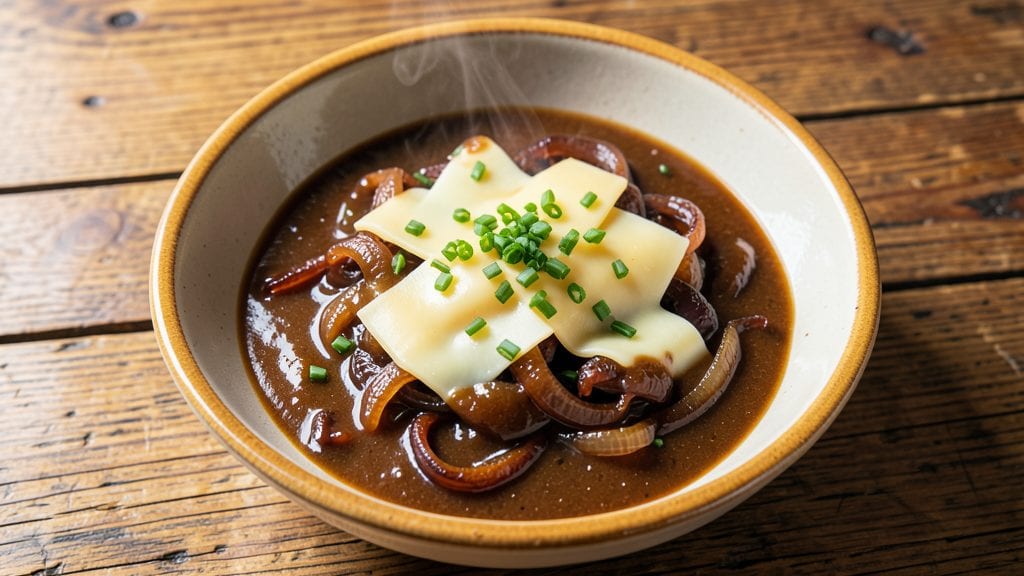
Creating rich, velvety Lipton onion soup gravy transforms ordinary meals into something extraordinary—this recipe delivers restaurant-quality depth with just a few simple ingredients and careful technique. The secret lies in slow-cooking onions until deeply caramelized, which builds layers of sweetness that elevate the entire dish.
I developed this method after years of experimenting, and it consistently produces gravy so flavorful it becomes the star of any plate.
This version uses Lipton onion soup mix as a flavor base, but the real magic happens when you transform it into a complete dish. The gravy thickens beautifully with a roux, creating that perfect balance between smooth and slightly textured.
A final touch of sharp cheddar cheese adds a melty, savory crunch that takes it from ordinary to unforgettable. The process is straightforward, requiring just 30 minutes of active time for maximum flavor impact.
What you’ll end up with is a velvety gravy with caramelized onion notes that linger on your palate, topped with golden cheese that melts into each bite.
It’s rich enough to satisfy as a standalone soup but versatile enough to pair with mashed potatoes, steak, or even as a dipping sauce. The aroma alone will have everyone gathering around your kitchen.
Perfect for weeknight dinners when you want restaurant-quality results without the effort, this gravy recipe scales effortlessly for crowds. The technique is foolproof, and the ingredients are likely already in your pantry. Let’s get cooking—your taste buds will thank you.
Ingredients for lipton onion soup gravy
Pantry staples plus a few key ingredients transform simple soup mix into velvety, restaurant-style gravy.
| Ingredient | Amount | Notes |
|---|---|---|
| Yellow Onions 🧅 | 4 large | Peeled and sliced into 1/4-inch pieces |
| Unsalted Butter 🧈 | ½ cup | Cold, cut into small cubes |
| All-Purpose Flour 🌾 | ½ cup | Sifted for smooth roux |
| Lipton Onion Soup Mix 🥄 | 2 tbsp | Granulated, not powdered |
| Beef Broth 💧 | 2 cups | Low-sodium preferred |
| Sharp Cheddar Cheese 🧀 | ¾ cup | Freshly shredded |
| Heavy Cream 🥛 | ¼ cup | Full-fat for creaminess |
| Salt 🧂 | 1 tsp | Kosher or sea salt |
| Black Pepper 🌶️ | ½ tsp | Freshly ground preferred |
| Garlic Cloves 🧄 | 2 cloves | Minced for depth |
| Worcestershire Sauce 🍶 | 1 tbsp | For umami richness |
| White Wine 🍷 | ¼ cup | Dry variety preferred |
The onions are everything here—slow-cooking them until deep golden brown builds that caramelized sweetness. Yellow onions work best, but red or white will do in a pinch. Grab the biggest ones you can find at Trader Joe's or your local grocery store's produce section—they slice more evenly. I always double-check the expiration date on the onion soup mix too—Lipton's granulated version gives the best texture. For the butter, Land O'Lakes or any good-quality brand works, but don't use salted here since we're controlling the seasoning ourselves.
No beef broth? Chicken broth works just fine, though it'll have a slightly different flavor profile. Short on sharp cheddar? Parmesan or Gruyère adds a nice depth, but cheddar's tang is what makes this gravy special. The white wine can be swapped for extra beef broth if you're avoiding alcohol—just add a splash of lemon juice for brightness. Fresh garlic is ideal, but garlic powder at half the amount gets you close. And if you're worried about the roux burning, keep the heat low and stir constantly—it's worth the extra minute to get that perfect golden color.
This gravy reheats beautifully—just add a splash of milk or broth to loosen it up. Keeps for 5 days in the fridge, freezes for 3 months. I like to portion it into small containers so I can grab just what I need for mashed potatoes or steak. The cheese topping gets crispy when reheated, so if you're making it ahead, sprinkle the cheese right before serving. Trust me, it's worth the extra step.
Why You'll Love This Recipe
- Here’s what sold me: a single packet of soup mix stretches to feed four, and the rest of the ingredients cost pennies. Plus, leftovers? They taste just as good reheated the next day—no one judges, I promise.
- Pantry Magic: I swear by this recipe when my fridge is bare. That jar of Lipton Onion Soup Mix? It’s my flavor secret weapon—just toss it in with the onions and butter, and suddenly you’ve got depth without extra shopping.
- Rich Without Effort: The moment you whisk in the flour and beef broth, the kitchen fills with that unmistakable, savory aroma. It’s like a hug in gravy form—creamy, slightly tangy, and so satisfying you’ll forget you didn’t slave over it.
- Game for Any Meal: Drizzle it over mashed potatoes for a cozy dinner, slather it on roasted veggies for a fancy-ish side, or even use it as a dip for garlic bread. Between us, I’ve served it at potlucks and family dinners—no one ever asks what’s in it, just for more.
Step-by-step instructions for Lipton onion soup gravy
Here's how to make this rich, velvety gravy with layers of caramelized onion flavor and cheesy crunch.
Cook the Yellow Onions Until Deeply Caramelized
Heat a large Dutch oven over medium-low heat and add the 0.5 cup unsalted butter. Let it melt completely, then add the 4 large peeled and sliced yellow onions. Spread them out in an even layer so they brown rather than steam.
Cook the onions for 30-40 minutes, stirring occasionally, until they're deep golden brown with a rich caramelized aroma. You'll know they're ready when they're sweet-smelling and have reduced significantly in volume. If they start to stick, add a splash of white wine to deglaze and prevent burning. This slow cooking builds the deep onion flavor that makes this gravy special.
Build the Roux and Add Flavor Layers
Once the onions are caramelized, sprinkle the 0.5 cup all-purpose flour over them and stir to coat completely. Cook for 2-3 minutes until the raw flour smell disappears and the mixture turns a light nutmeg color. This creates your roux base.
Add the 2 cloves minced garlic and cook for 30 seconds until fragrant. Pour in the 0.25 cup white wine and scrape up any browned bits from the bottom of the pot. Let it simmer for 1-2 minutes until mostly evaporated. Add the 2 tbsp Lipton onion soup mix and stir well to combine.
Develop the Gravy Base with Beef Broth
Slowly whisk in the 2 cups beef broth, making sure to incorporate it gradually to prevent lumps. Bring the mixture to a gentle simmer and cook for 10-12 minutes, stirring occasionally, until it thickens slightly. You're looking for a consistency where it coats the back of a spoon but isn't gluey.
Stir in the 1 tbsp Worcestershire sauce, 1 tsp salt, and 0.5 tsp black pepper. Taste and adjust seasoning if needed—this is where all the flavors come together. The gravy should be rich and savory with that unmistakable onion soup character.
Finish with Cream and Cheese for Richness
Reduce heat to low and stir in the 0.25 cup heavy cream. Let it warm through for 2-3 minutes until smooth and creamy. The cream adds a luxurious texture that balances the depth of the onion flavor.
Finally, fold in the 0.75 cup freshly shredded sharp cheddar cheese until completely melted and smooth. The cheese should create beautiful stretchy strands throughout the gravy. If it's too thick, whisk in 1-2 tablespoons of hot beef broth to reach your desired consistency.
Rest and Serve Warm
Let the gravy rest for 5 minutes off the heat. This allows all the flavors to meld together perfectly. Serve immediately over mashed potatoes, roasted chicken, or steak for maximum enjoyment. The gravy will keep well in the refrigerator for 3-4 days or can be frozen for up to 3 months. When reheating, stir in a splash of beef broth or water to restore the proper consistency.
Pro Tips For Making Lipton Onion Soup Gravy
- Sweat the Onions Slow: I used to rush this step and end up with bitter, browned bits instead of sweet, golden fond. Take your time—cook the onions on medium-low heat for 10-12 minutes, stirring occasionally, until they’re soft and translucent. This builds the flavor base for the gravy, and skipping it means your soup mix won’t have enough depth to work with.
- Bloom the Butter First: Don’t just toss in the butter and flour at once. Melt the butter over medium heat, then let it foam and bubble for 30 seconds before adding the flour. This step—called blooming—helps develop a richer roux flavor, which makes the gravy taste less like instant soup and more like something homemade. (Yes, even if you’re using a shortcut mix.)
- Whisk Like You Mean It: When you add the beef broth and onion soup mix, resist the urge to stir lazily. Vigorous whisking for 2-3 minutes after combining prevents lumps and ensures the flour fully incorporates. I learned this after serving gravy with visible flour clumps—trust me, no one wants to chew mystery bits in their mashed potatoes.
- Simmer, Don’t Boil: Once everything’s combined, bring the gravy to a gentle simmer (small bubbles, occasional swirls) and let it cook for 5 minutes. Boiling can make the flour taste raw and the gravy gluey. If it thickens too fast, just add a splash of warm broth. Patience here keeps the texture smooth and the flavor balanced—no one likes a gravy that’s more paste than sauce.
Best sauces and condiments for these flavors
Classic Pairings
This rich gravy shines as a dipping sauce for golden-fried onion rings—the crispy onions mirror the caramelized depth in the gravy. I love serving it alongside crispy chicken tenders or steak bites for a restaurant-style experience.
The gravy's thickness makes it perfect for soaking up with crusty French bread or garlic toast. 🥗
Cheesy Topping Variations
For extra decadence, swap the sharp cheddar for Gruyère or Parmesan—both melt beautifully and add nutty depth. I also love sprinkling crumbled blue cheese on top for a tangy contrast.
For a vegan option, use nutritional yeast and cashew cream instead of cheese. The key is always topping it fresh so the cheese melts perfectly when served.
Savory Bread Options
Sourdough bread is my go-to for dipping—its tangy crust cuts through the richness of the gravy. Brioche adds a buttery contrast, while pita bread makes it a handheld appetizer. For extra flair, toast the bread with garlic butter before serving. The gravy's velvety texture pairs beautifully with any bread that can handle its richness.
Wine and Beer Pairings
A bold red wine like Cabernet Sauvignon complements the gravy's depth, while a crisp Chardonnay balances its richness. For beer lovers, a dark ale or stout enhances the caramelized onion notes. I often reach for a glass of Merlot—its smooth tannins harmonize perfectly with the gravy's savory-sweet profile. 🍷
Global Gravy Twists
Give it a French twist by adding a splash of Dijon mustard and herbes de Provence before serving. For a Mexican-inspired version, stir in taco seasoning and top with sour cream and cilantro.
The gravy's versatility makes it easy to adapt—just tweak the seasonings to match your favorite global flavors.
Leftovers Reinvented
Transform leftover gravy into cheesy onion soup by adding extra beef broth and croutons on top. For a gravy-stuffed baked potato, mix in sour cream and green onions.
Freeze portions in ice cube trays for easy future use—just thaw and reheat. The flavor only improves over time, making it perfect for meal prep. 💡
Nutrition facts
Frequently asked questions
Can I make this gravy without white wine?
Replace the 0.25 cup white wine with an equal amount of extra beef broth or even apple cider for a non-alcoholic version. The key is maintaining the same liquid volume to balance the roux. If using apple cider, add a pinch of cinnamon to complement the caramelized onions.
How do I fix gravy that's too thick or too thin?
For gravy that's too thick, whisk in 1-2 tablespoons of hot beef broth at a time until you reach your desired consistency. If it's too thin, simmer uncovered for 2-3 minutes to reduce the liquid, or make a quick slurry with 1 tablespoon flour + 1 tablespoon cold water, stir it in, and cook for another 1 minute. Always adjust gradually to avoid lumps.
What's the best way to reheat leftover gravy?
Reheat gently on the stovetop over low heat, stirring frequently, until warmed through. For best results, add 1-2 tablespoons of beef broth or water per cup of gravy to restore its silky texture. Avoid microwaving—it can make the cheese separate and create a skin. If reheating with cheese, sprinkle it fresh after warming.
Can I use this gravy as a soup base?
Yes! Thin the gravy with 1-2 cups of additional beef broth and serve it as a hearty soup. Top with crusty bread croutons and extra shredded cheese for a comforting meal. The caramelized onions add incredible depth to any broth-based soup. For extra richness, stir in a dollop of sour cream before serving.
Why does my gravy taste bland?
Bland gravy usually means the onions weren't cooked long enough or the seasoning needs adjustment. Make sure your onions are deep golden brown (not just soft). Taste before adding salt and pepper—you may need extra Worcestershire sauce or a pinch of sugar to balance flavors. Freshly ground black pepper makes a big difference too!