
Soups & Stews
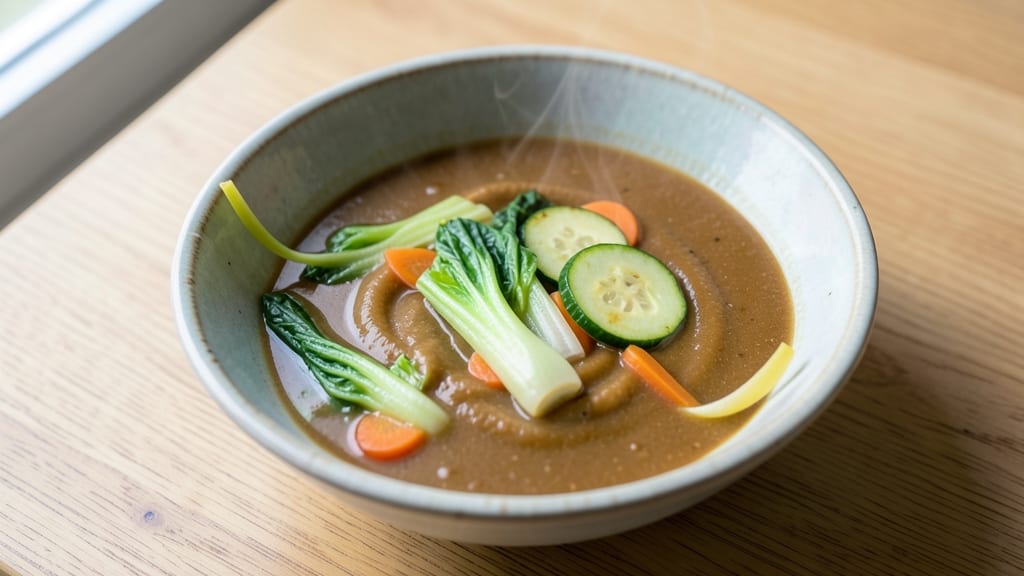
Creating a low FODMAP miso soup that delivers rich umami without triggering digestive discomfort is entirely possible—and this recipe proves it. After years of refining traditional miso soup for sensitive stomachs, I’ve developed a version that keeps all the comforting depth while swapping out high-FODMAP ingredients for gentle alternatives.
The secret lies in carefully chosen vegetables, a low-FODMAP miso base, and a subtle garlic-infused oil that mimics the aroma without the digestive impact.
This soup maintains the soul of classic miso—warm, savory, and deeply satisfying—while staying completely safe for those following a low-FODMAP diet. The broth simmers with tender bok choy, carrots, and zucchini, all low-FODMAP vegetables that add texture and natural sweetness.
A touch of ginger and sesame seeds provides brightness and nutty warmth, while the miso paste delivers that unmistakable umami flavor without overpowering.
What you’ll end up with is a velvety, aromatic soup that’s gentle on digestion but packed with flavor. The broth is rich yet light, the vegetables tender-crisp, and the miso paste fully dissolved for a smooth, comforting finish.
It’s the kind of soup that warms you from the inside out—perfect for chilly days or whenever you need a soothing, gut-friendly meal.
Serve it as a starter or a light lunch, and don’t forget the optional garnishes: a sprinkle of sesame seeds or a drizzle of chili oil adds just the right finishing touch.
Here’s how to make it—step by step—for a bowl of miso soup that feels traditional yet completely safe for sensitive systems.
Ingredients for low fodmap miso soup
Twelve simple ingredients, all low-FODMAP approved, for a comforting bowl of miso soup.
| Ingredient | Amount | Notes |
|---|---|---|
| Low FODMAP Miso Paste 🍜 | 2 tbsp | White or red, check label for low-FODMAP certification |
| Low Sodium Chicken Broth 🍗 | 4 cups | Homemade or certified low-FODMAP brand |
| Bok Choy 🥬 | 2 whole | Baby or standard size, stems removed |
| Carrots 🥕 | 1 medium | Peeled and sliced into thin rounds |
| Zucchini 🍆 | 1 medium | Peeled and sliced into half-moons |
| Fresh Ginger 🌿 | 1 tsp | Finely grated, fresh preferred |
| Sesame Seeds 🥜 | 1 tsp | Toasted for extra flavor |
| Low FODMAP Garlic-Infused Oil 🫒 | 1 tbsp | Homemade or store-bought low-FODMAP version |
| Extra Virgin Olive Oil 🫒 | 1 tbsp | For drizzling at the end |
| Diamond Crystal Kosher Salt 🧂 | ¼ tsp | Adjust to taste |
| Black Pepper 🌶️ | ⅛ tsp | Freshly ground preferred |
| Optional Chili Oil 🔥 | 1 tsp | For serving, low-FODMAP verified |
The miso paste is the heart of this soup, so grab a low-FODMAP certified brand—most health food stores carry it, or check the international aisle at Whole Foods. If you can't find certified miso, white miso is generally safer than red. The chicken broth should be low-sodium and ideally homemade to control ingredients, but Pacific Foods or Imagine brands are reliable low-FODMAP options. Bok choy is a must for that classic texture, but if you can't find it, spinach or kale work in a pinch (just adjust cooking time).
No low-FODMAP garlic oil? Asafoetida (hing) powder is a great substitute—just a pinch adds that savory depth. The sesame seeds can be omitted if you're avoiding seeds, but they add wonderful crunch. For the ginger, fresh is best, but if you're in a hurry, ground ginger works at half the amount. The carrots and zucchini are the stars here—make sure they're fresh and firm. If you're using pre-cut veggies, check the package for low-FODMAP certifications, as some brands add garlic or onion powders.
This soup keeps beautifully in the fridge for 4-5 days, with flavor actually improving as it sits. For longer storage, freeze portions in airtight containers for up to 3 months. I like to make a big batch on Sundays so I have it ready for quick lunches. The optional chili oil adds heat, but if you're sensitive to capsaicin, skip it or use a mild version. Always taste before serving—adjust the salt or miso to your preference.
Why You'll Love This Recipe
- No-Fuss Assembly: I swear by this recipe because it’s the kind of soup where you can chop while watching TV—no fancy techniques. Toss in pre-shredded carrots and baby bok choy, and you’re done in 15 minutes. (Yes, even on a Tuesday night.)
- Umami Magic: That low FODMAP miso paste? It’s the secret weapon here—deep, savory, and just salty enough without overpowering. The zucchini adds a subtle sweetness that balances the broth perfectly, like a quiet conversation between flavors.
- Lunchbox Hero: Between us, this is my go-to for meal prep because it reheats like a dream. Pack it in thermoses for work, or serve it cold with a spoon—it’s that versatile. My son takes it to school, and he’s never complained once.
Step-by-step instructions for low Fodmap miso soup
Here's how to craft a perfectly balanced miso soup that delivers rich umami without triggering digestive discomfort.
Prepare the Vegetable Base
Start by slicing the 1 medium carrots into thin rounds about ¼-inch thick—this ensures even cooking and a pleasant texture. Cut the 1 medium zucchini into half-moons, keeping the slices uniform in size. Remove the stems from the 2 whole bok choy and separate the leaves into bite-sized pieces, leaving the stalks intact for easier handling.
In a medium pot, combine the sliced carrots, zucchini, and bok choy stalks with the 4 cups low sodium chicken broth. Bring the mixture to a gentle boil over medium-high heat, then immediately reduce to a simmer. Let it cook uncovered for 8-10 minutes until the vegetables soften slightly but still retain their shape—you want them tender but not mushy. This simmering step extracts their natural sweetness and prepares them for the miso infusion.
Infuse with Miso and Aromatics
While the vegetables simmer, finely grate the 1 tsp fresh ginger using a microplane or fine grater. In a small bowl, dissolve the 2 tbsp low FODMAP miso paste into ¼ cup of the hot broth you removed from the pot—this prevents the miso from clumping and ensures even distribution. Stir until completely smooth, then return the mixture to the pot with the ginger.
Add the 1 tbsp low FODMAP garlic-infused oil and stir gently to combine. The oil will carry subtle garlic notes while maintaining the soup's low-FODMAP profile. Simmer the entire mixture for an additional 5 minutes on low heat, allowing the miso to meld with the broth and vegetables. The soup should now have a deep, savory aroma with no lingering bitterness.
Season and Finish
Taste the soup and adjust the seasoning with the 0.25 tsp diamond crystal kosher salt and 0.125 tsp black pepper if needed. The miso already provides significant saltiness, so go lightly with additional salt. Remove the pot from heat and let it sit for 2 minutes to allow the flavors to settle.
Before serving, drizzle each bowl with 1 tbsp extra virgin olive oil and sprinkle with 1 tsp toasted sesame seeds. For an optional kick, add a drizzle of 1 tsp chili oil to each serving. The oil adds a luxurious finish while the sesame seeds contribute a nutty crunch that contrasts beautifully with the silky broth.
Serve Immediately for Optimal Texture
Divide the soup evenly among 4 bowls, ensuring each serving contains a balanced mix of vegetables and broth. The soup should be hot but not boiling—ideal for sipping while maintaining the integrity of the bok choy leaves and zucchini slices. Serve immediately to enjoy the vegetables at their peak tenderness and the broth at its warmest.
This soup delivers gentle umami without overpowering digestive sensitivity, thanks to the carefully selected low-FODMAP ingredients. The balance of textures—silky broth, tender vegetables, and crunchy seeds—makes each spoonful satisfying while remaining gentle on the stomach.
Pro Tips For Making Low Fodmap Miso Soup
- Dissolve Miso Slowly: Skip dumping the paste in all at once—it’ll clump like glue. Instead, whisk a splash of hot broth into the miso first, then stir it back into the pot. This keeps the texture smooth and avoids that gritty mouthful everyone hates.
- Cut Bok Choy Right: Don’t just halve it—quarter those thick stems and slice the leaves into 1-inch strips. The stems take forever to soften, and oversized leaves stay chewy. (Yes, even if you’re in a hurry.)
- Skip Overcooked Carrots: Toss them in after the broth returns to a boil, then simmer for just 3–4 minutes. Any longer and they turn to mush, stealing the soup’s brightness. (I learned this after serving a bowl of sad, pasty orange sludge.)
- Swap Zucchini for Speed: Use pre-sliced frozen zucchini (thawed) instead of fresh—it’s already diced and saves 10 minutes of chopping. The texture’s nearly identical, and you’ll avoid the “one veggie still raw” problem. (Your knife will love you too.)
Pro cooking tips for perfect results
Miso Paste Mastery
Dissolving miso paste properly is critical for a smooth, flavorful soup. I always dissolve the 2 tbsp low FODMAP miso in ¼ cup hot broth removed from the pot first—this prevents clumping and ensures even distribution.
Stir vigorously for 30 seconds until completely smooth, then return it to the pot. Never add miso directly to cold broth, as it won't dissolve properly and will create unpleasant gritty textures. 💫
Vegetable Texture Control
The key to perfect vegetable texture is precise timing. Bok choy leaves cook faster than stalks and zucchini, so I add them to the pot last—after 5 minutes of simmering the carrots and zucchini.
This ensures the leaves stay vibrant while the harder vegetables soften. For extra tenderness, I recommend using a fine-mesh strainer to remove bok choy stems before adding the leaves, preventing bitterness transfer.
Ginger Infusion Technique
Fresh ginger adds depth without overpowering. I always use a microplane to grate 1 tsp ginger directly into the pot while the soup simmers. The fine grating maximizes surface area for quick infusion.
For an extra boost, I sometimes add a tiny pinch (⅛ tsp) of ground ginger along with the fresh—this doubles the aromatic impact without altering the low-FODMAP status.
Garlic Oil Substitution
When traditional garlic isn't an option, I rely on garlic-infused oil made with low-FODMAP asafoetida (hing) powder. For homemade versions, simmer 1 tbsp olive oil with ½ tsp hing powder and 1 tsp minced green onion tops (green parts only) for 2 minutes.
Strain and use immediately—this captures that savory depth without the FODMAPs. Store-bought options like Primal Kitchen garlic oil are also safe choices.
Broth Clarity Trick
For a clearer broth without sacrificing flavor, I use a cheesecloth-lined strainer after simmering. Simply pour the soup through the cheesecloth into a clean pot, which removes any fine vegetable particles while keeping all the umami-rich broth.
This works particularly well if you're using pre-cut vegetables that might release more starches during cooking.
Final Flavor Balance
The secret to perfect seasoning lies in tasting at each stage. After adding miso, I always let the soup sit off heat for 2 minutes before tasting—this allows flavors to settle.
If it needs more depth, I add a splash of low-sodium soy sauce (½ tsp max), which enhances umami without adding FODMAPs. The final drizzle of olive oil should be done tableside to maintain that restaurant-quality sheen. 🔥
Nutrition facts
Frequently asked questions
Can I make this low FODMAP miso soup vegetarian?
Replace the chicken broth with 4 cups low-FODMAP vegetable broth (like Pacific Foods or Imagine brands). For extra umami, add 1 tbsp nutritional yeast when dissolving the miso paste. The flavor remains rich and satisfying while keeping it plant-based.
Why does my miso soup taste bitter?
Bitter flavors often come from overcooking the vegetables or using too much miso. Simmer the soup for only 5 minutes after adding miso, and use 2 tbsp miso max per serving. For extra depth without bitterness, add ½ tsp low-sodium soy sauce at the end. The broth should be savory, not sharp.
What's the best low-FODMAP miso paste to use?
Look for certified low-FODMAP miso brands like Miso Master or White Miso (check labels for garlic/onion-free). Red miso has deeper flavor but is slightly higher in FODMAPs—stick to white if sensitive. Always dissolve miso in hot broth first to avoid clumping.
Can I prep this soup ahead of time?
Yes! Store the fully cooked soup (without sesame seeds) in an airtight container in the fridge for 4-5 days or freeze for 3 months. Reheat gently on low heat, stirring occasionally. Add fresh sesame seeds and oil when serving to preserve texture and flavor.
What if I don't have garlic-infused oil?
Use ½ tsp asafoetida (hing) powder instead—it mimics garlic's savory depth without FODMAPs. For a milder option, add 1 tsp green onion tops (green parts only) while simmering. Both alternatives work beautifully in this recipe.