
Soups & Stews
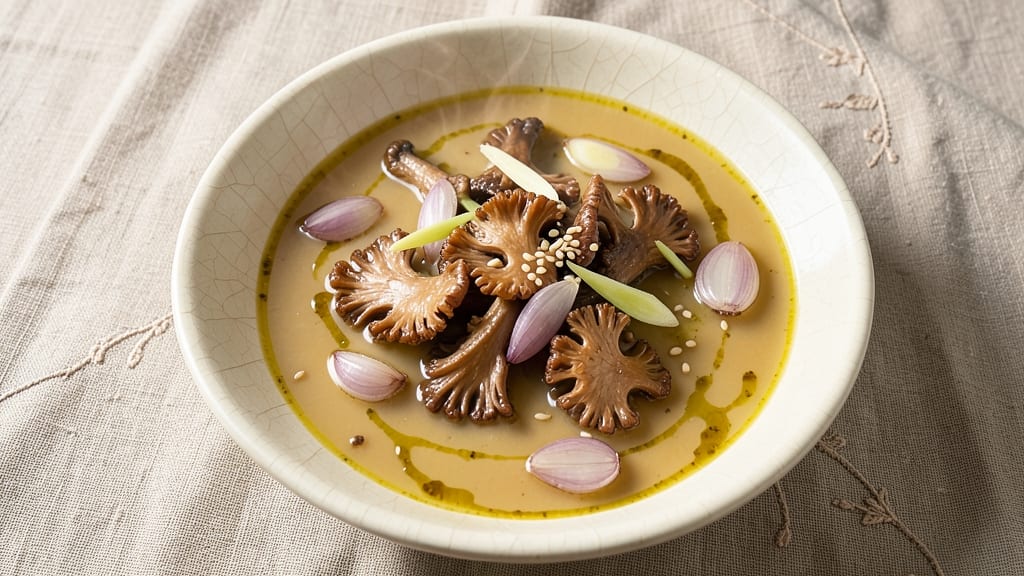
This maitake mushroom soup transforms humble ingredients into a deeply satisfying, umami-rich experience that requires just one pot and 45 minutes of your time. The secret lies in properly preparing the mushrooms—slicing them thinly to release their earthy, almost meaty essence as they simmer into the broth.
I developed this recipe after discovering how maitake mushrooms elevate simple vegetable broth into something restaurant-worthy, with layers of savory depth that linger long after the last spoonful.
The beauty of this soup is its simplicity: just mushrooms, aromatics, and a few pantry staples come together to create a dish that's both comforting and elegant. You'll start by sautéing garlic and shallots until fragrant, then adding the mushrooms to develop their natural sweetness before pouring in the broth.
The result is a velvety, golden soup with tender mushrooms that absorb the flavors without losing their texture—no blenders or complicated techniques required.
What makes this recipe truly special is how it balances earthy umami with subtle sweetness, creating a harmonious flavor profile that's satisfying yet refined. The mushrooms take center stage, but supporting ingredients like ginger and a touch of honey ensure each spoonful is complex and well-rounded.
This is the kind of soup that warms you from the inside out while showcasing the incredible versatility of maitake mushrooms.
Serve it with crusty bread to soak up every last drop, or pair it with a simple green salad to balance the richness. The leftovers keep beautifully in the refrigerator for up to three days, making it an ideal meal prep option for busy weeks.
Let's get cooking—this one-pot wonder is about to become a staple in your rotation.
Ingredients for maitake soup
Earthy maitake mushrooms meet aromatic shallots and ginger in this umami-rich, one-pot masterpiece.
| Ingredient | Amount | Notes |
|---|---|---|
| Maitake Mushrooms 🍄 | 8 oz | Fresh, stems removed, sliced thin |
| Vegetable Broth 💧 | 4 cups | Low-sodium preferred, homemade or quality brand |
| Shallots 🧅 | 2 whole | Minced, about 2 tbsp total |
| Fresh Ginger 🌿 | 1 tbsp | Grated, organic preferred |
| Garlic Cloves 🧄 | 3 cloves | Minced, freshly peeled |
| Extra-Virgin Olive Oil 🫒 | 2 tbsp | High quality, fruity |
| Honey 🍯 | 1 tbsp | Raw preferred, for subtle sweetness |
| Low-Sodium Soy Sauce 🥢 | 1 tbsp | For umami depth |
| Diamond Crystal Kosher Salt 🧂 | ½ tsp | Adjust to taste |
| Freshly Ground Black Pepper 🌶️ | ¼ tsp | Freshly cracked |
| Sesame Oil 🫒 | ½ tsp | Toasted, for finishing |
| Green Onions 🧅 | 2 whole | Thinly sliced, for garnish |
| Toasted Sesame Seeds 🌾 | 1 tsp | For garnish, optional |
The maitake mushrooms are the heart of this dish—fresh, organic varieties from specialty markets or well-stocked grocery stores like Whole Foods or Trader Joe's deliver the most robust flavor. Look for mushrooms with dense, tightly clustered fronds and vibrant color; avoid any with slimy stems or brown spots. For the broth, homemade vegetable broth yields the best results, but high-quality low-sodium brands like Pacific Foods or Imagine work perfectly. The shallots should be firm and free of sprouts—yellow or red varieties both work, but red adds a subtle sweetness that complements the mushrooms beautifully. Ginger loses potency quickly, so buy fresh and grate it just before cooking—the aromatic oils are what you're after here.
No fresh maitake mushrooms? Shiitake mushrooms are the closest substitute, though they'll lack the same meaty texture. Short on vegetable broth? Dashi powder mixed with water creates a similar umami foundation. The honey can be swapped for maple syrup or agave, though honey's floral notes pair particularly well with the earthy mushrooms. For an extra depth of flavor, mushroom powder or nutritional yeast can be sprinkled in at the end. The sesame oil is non-negotiable for finishing—it adds a nutty aroma that elevates the dish, but if unavailable, toasted peanut oil works in a pinch. Always toast your sesame seeds in a dry pan for 30 seconds before using to intensify their flavor.
This soup keeps exceptionally well—3-4 days in the refrigerator with flavors deepening over time, or 3 months in the freezer if properly portioned. For freezing, cool the soup completely before transferring to airtight containers, leaving a 1-inch headspace to prevent ice crystals. Reheat gently on the stove, stirring occasionally, and add a splash of water or broth if it thickens too much. The mushrooms will soften further upon reheating, so they're best enjoyed fresh. Garnishes like sesame seeds and green onions can be added fresh after reheating to maintain their vibrant color and crisp texture.
Why You'll Love This Recipe
- No-Chop Night: I swear by this when I’m too tired to dice anything. Slice those shallots and ginger into thin coins—takes 2 minutes—and the maitake mushrooms just need a quick wipe. Honestly, the hardest part is waiting for the broth to simmer.
- Umami Bomb: That first spoonful? Chef’s kiss. The maitake mushrooms soak up the broth like a sponge, turning it into a rich, earthy elixir. The garlic and ginger hit like a warm hug, but the mushrooms steal the show—deep, smoky, and impossible to resist.
- Lunchbox Hero: Between us, this soup is my go-to for meal prep. It reheats beautifully, and the flavors only get better the next day. Pack it in a thermos for work or toss it in a bento box—cold or warm, it’s a crowd-pleaser.
- Budget Immunity Boost: Fresh ginger and garlic are cheap, broth is cheap, and maitake mushrooms last forever in the fridge. I make a big batch on Sundays, and it keeps me fueled for days. Plus, it’s packed with stuff that actually helps when you’re feeling under the weather.
Step-by-step instructions for maitake mushroom soup
A rich umami experience unfolds in this single-pot creation, where delicate maitake mushrooms transform into velvety soup with balanced depth.
Sauté the Aromatic Base
Heat the 2 tablespoons extra-virgin olive oil in a heavy-bottomed pot over medium heat. Add the 2 whole shallots and 1 tablespoon fresh ginger, cooking for 3-4 minutes until the shallots soften and become translucent. This foundational step builds flavor through gentle caramelization.
Add the 3 cloves garlic cloves and continue cooking for 30 seconds until fragrant. The garlic should sizzle gently but not brown—this prevents bitterness. I press the garlic into the shallots with a wooden spoon to maximize flavor extraction. This aromatic trio forms the soul of your soup's depth.
Develop the Maitake Mushrooms
Increase heat to medium-high and add the 8 ounces sliced maitake mushrooms. Cook for 5-6 minutes until the mushrooms release their moisture and begin to brown at the edges. Stir occasionally to ensure even cooking and prevent sticking to the pot.
Here's where the magic happens: the mushrooms should develop a deep golden color and release their earthy aroma. If the pot gets too dry, add 1 tablespoon vegetable broth to deglaze. This step concentrates the umami compounds that define maitake mushrooms, creating the soup's signature richness.
Build the Flavor Foundation
Pour in the 4 cups vegetable broth and bring to a gentle simmer. Add the 1 tablespoon honey and 1 tablespoon low-sodium soy sauce, stirring to combine. The honey will mellow slightly while adding subtle sweetness that balances the umami, while the soy sauce deepens the savory profile.
Add the 0.5 teaspoon diamond crystal kosher salt and 0.25 teaspoon freshly ground black pepper. Let the soup simmer uncovered for 15-20 minutes until the mushrooms are tender and the flavors have melded. You'll notice the broth reduce slightly and develop a glossy sheen—this indicates proper concentration.
Finish with Elegant Touches
Remove the pot from heat and stir in the 0.5 teaspoon sesame oil. This final touch adds nutty complexity and ties all the flavors together. The sesame oil should be incorporated gently—just enough to coat the soup without overpowering its delicate balance.
Ladle the soup into bowls and garnish with 2 whole green onions sliced thinly and 1 teaspoon toasted sesame seeds. The green onions add freshness while the sesame seeds contribute textural contrast. Serve immediately while hot, as the flavors continue to develop even after assembly.
Pro Tips For Making Maitake Soup
- Sear Maitake First: I learned this the hard way—skip the sear, and your soup tastes like it’s missing something. Heat a dry pan over medium-high, toss in the whole maitake clusters (no need to clean them), and let them brown for 3-4 minutes until fragrant. The caramelized edges add depth that broth alone can’t match.
- Shred Ginger Thin: Sounds weird, but it works: julienne that ginger into matchsticks, not slices. Thin strips dissolve better and infuse the broth evenly without leaving chewy bits. If you’re lazy, grate it—but your spoon will thank you later when you don’t have to fish out chunks.
- Simmer Low and Slow: After burning three batches, I finally figured out: maitake needs patience. Once everything’s in the pot, reduce heat to a gentle simmer—just small bubbles breaking the surface. High heat turns the broth murky and makes the mushrooms rubbery. Trust me, 20 minutes at low heat tastes better than 10 minutes of chaos.
- Save the Stems: I skip this when I’m lazy, but the dish is noticeably better when I don’t: chop the tough maitake stems (the part attached to the cap) and add them to the broth first. They soften into the liquid, adding umami without needing extra salt. Strain them out before serving—no one needs to see them.
Pro cooking tips for perfect results
Mushroom Prep Matters
Slicing maitake mushrooms thinly is non-negotiable—thin slices cook faster and release their umami essence more effectively. Use a sharp chef's knife and cut against the grain for even cooking.
I slice mine into ¼-inch thick pieces for perfect texture. For extra flavor, don't wash the mushrooms—just wipe them clean with a damp paper towel to remove dirt. 🍄
Broth Selection Secrets
Your broth makes or breaks this soup. Homemade vegetable broth delivers the best depth, but if using store-bought, choose low-sodium brands like Pacific Foods or Imagine. For an umami boost, add 1 tsp mushroom powder or 1 tbsp soy sauce directly to the broth before simmering.
Avoid high-sodium broths—they'll overpower the delicate mushroom flavors.
Simmer Control
Maintain a gentle simmer (small bubbles) to prevent the mushrooms from turning mushy. If the broth reduces too quickly, add ¼ cup water to maintain consistency.
I always simmer uncovered to let excess moisture evaporate naturally. The ideal texture is velvety yet slightly chunky—this ensures each bite has both mushroom and broth.
Timing the Honey
Adding honey too early can cause it to caramelize and create a bitter note. Stir it in during the final 5 minutes of simmering to let its sweetness mellow. For a more balanced flavor, use raw honey—it contains trace enzymes that enhance the soup's complexity.
If you prefer maple syrup, reduce it by 25% since it's more concentrated.
Sesame Oil Technique
Sesame oil should be the last addition—stir it in off-heat to preserve its delicate aroma. Use toasted sesame oil (not regular) for maximum flavor. Add just ½ teaspoon—any more can overpower the dish.
If you're sensitive to sesame, substitute with toasted peanut oil or a pinch of white miso paste for umami without the nutty aroma.
Garnish Like a Pro
Toast your sesame seeds in a dry pan for 30 seconds until golden—this intensifies their flavor dramatically. Slice green onions at the last minute to keep them crisp.
For extra elegance, add microgreens or a sprinkle of crispy fried shallots. The contrast between hot soup and fresh garnishes makes each bite feel restaurant-quality. 💫
Nutrition facts
Frequently asked questions
Can I use dried maitake mushrooms instead of fresh?
For best results, rehydrate 2 ounces dried maitake in 1 cup hot vegetable broth for 20 minutes before using in the recipe. Dried mushrooms intensify the umami flavor, so reduce the soy sauce to ½ tablespoon to avoid overpowering the broth. Always drain well before adding to the pot.
What's the best way to store leftover maitake soup?
Store in an airtight container in the refrigerator for up to 4 days. For freezing, cool completely first, then portion into containers with 1-inch headspace. Reheat gently on the stove, adding a splash of water if needed. The mushrooms will soften further—best enjoyed fresh, but flavors deepen over time!
Why did my soup turn out too bitter?
Bitter flavor usually comes from overcooked mushrooms or caramelized honey. To fix it, add ½ teaspoon maple syrup or a pinch of sugar to balance the bitterness. For prevention, simmer gently (small bubbles) and add honey only in the last 5 minutes of cooking.
Can I make this soup vegetarian or vegan?
Yes! Simply use vegetable broth and ensure your soy sauce is vegan (check labels). For extra umami, add 1 teaspoon mushroom powder or 1 tablespoon nutritional yeast to the broth. The recipe is already vegetarian—just confirm all ingredients meet your dietary needs.
How do I adjust the thickness of the soup?
For a thicker consistency, simmer uncovered for 5-10 extra minutes to reduce the broth. If too thin, stir in 1 tablespoon cornstarch mixed with 2 tablespoons water and simmer for 2 minutes until desired thickness. Never boil vigorously—this breaks down the mushrooms' texture.