
Soups & Stews
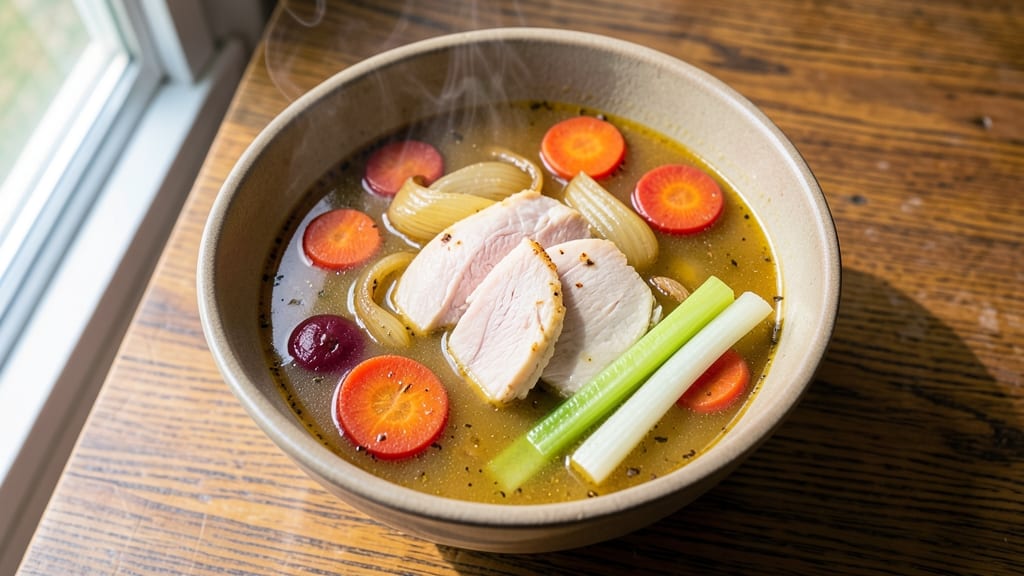
Creating a homemade soup recipe from scratch transforms a simple meal into a comforting centerpiece—especially when it comes together in a single pot with minimal cleanup. The secret lies in balancing rich broth with fresh herbs and hearty vegetables, all simmered until flavors meld into perfect harmony.
I developed this method after years of testing, ensuring every spoonful delivers both depth and simplicity.
This one-pot approach eliminates the hassle of multiple pans while delivering restaurant-quality results. Start with aromatic vegetables sautéed until golden, then build layers of flavor with broth, protein (or plant-based alternatives), and herbs.
The fresh herb finish elevates humble ingredients into something extraordinary, proving that homemade soup can be both nourishing and impressive.
By the time you serve it, you’ll have a steaming bowl of velvety soup with tender vegetables, perfectly seasoned broth, and bright herb notes that linger on the palate.
The beauty of this recipe is its adaptability—swap proteins, adjust spices, or add textures like croutons or cheese to suit any preference. It’s the kind of meal that warms both body and soul.
Whether you’re prepping for a chilly evening or meal planning for the week, this soup delivers heartiness without the fuss. Let’s get started with a method that’s as reliable as it is delicious.
Ingredients for make soup
Fresh vegetables, aromatic herbs, and simple broth create this hearty one-pot soup.
| Ingredient | Amount | Notes |
|---|---|---|
| Yellow Onion 🧅 | 1 whole | Diced, medium size preferred |
| Carrots 🥕 | 3 medium | Peeled, cut into chunks |
| Celery Stalks 🥬 | 3 whole | Diced, including leaves for color |
| Garlic Cloves 🧄 | 4 cloves | Minced, fresh preferred |
| Chicken Breast 🍗 | 1 ½ lb | Boneless, skinless, cubed |
| Chicken Broth 💧 | 4 cups | Low-sodium preferred |
| Fresh Thyme 🌿 | ¼ cup | Leaves only, finely chopped |
| Fresh Parsley 🌿 | ¼ cup | Chopped, for garnish |
| Extra-Virgin Olive Oil 🫒 | 2 tbsp | For sautéing vegetables |
| Salt 🧂 | 1 ½ tsp | Kosher salt, adjust to taste |
| Black Pepper 🌶️ | ½ tsp | Freshly ground preferred |
| Bay Leaves 🍃 | 2 whole | Dried, removed before serving |
| Tomato Paste 🍅 | 1 tbsp | Squeeze tube preferred |
The vegetable trio—onion, celery, and carrots—forms the flavor base. Look for firm carrots with vibrant orange color and crisp celery stalks at Whole Foods or local farmers' markets for peak freshness. Chicken breast should be boneless and skinless for even cooking, and Costco or Walmart typically carry it at competitive prices. Fresh thyme and parsley elevate the dish, so Trader Joe's often has excellent quality at reasonable prices. For the broth, low-sodium options like Swanson work best to control seasoning levels.
No fresh thyme? Dried thyme at one-third the amount works in a pinch, though fresh is ideal. Substitute chicken with diced potatoes or chickpeas for a vegetarian version. The tomato paste can be swapped for 1/4 cup crushed tomatoes if unavailable. For extra richness, add 1/2 cup heavy cream at the end. The bay leaves are crucial for depth, but if you're short on time, 1 tsp dried oregano can mimic their earthy notes. Always taste as you go—soup flavors build gradually.
This soup reheats beautifully, making it perfect for meal prep. Store in an airtight container in the fridge for up to 5 days or freeze for 3 months. The flavors actually improve overnight as ingredients meld. For serving, top with fresh parsley and a drizzle of extra-virgin olive oil. Garnish with croutons or grated Parmesan if desired—both add satisfying textures. Portion into individual containers for easy grab-and-go lunches during the week.
Why You'll Love This Recipe
- Pantry-Friendly Starter: I swear by this combo—onion, celery, carrots—it’s the holy trinity of soup bases. No fancy ingredients, just whatever’s already lurking in your fridge. Honestly, I’ve made this with frozen veggies in a pinch, and it still tastes like I put in effort.
- Garlic-Kissed Depth: That one minute of sizzling garlic in the pan? Everything. It transforms this from basic to "I’d eat this every day." The chicken adds protein, but the garlic? That’s the magic. (Yes, even on a Tuesday night.)
- Leftover Reinvention: Make a double batch—it’s perfect for lunch the next day, or freeze half for when you’re too tired to cook. I’ll be real: my kids actually ask for the "soup leftovers" more than the fresh batch. (Weird, but true.)
- Budget Meal Hero: Chicken breast keeps it lean, but carrots and celery stretch the flavor. Between us, this is my go-to when I’m trying to feed the family without breaking the bank. One pot, minimal waste, maximum satisfaction.
Step-by-step instructions for one-pot hearty chicken soup
Here's how to create a rich, flavorful soup using just one pot and the freshest ingredients.
Sauté the Vegetable Base
Heat the 2 tablespoons extra-virgin olive oil in a large pot over medium heat. Add the 1 whole diced yellow onion, 3 medium diced carrots, and 3 whole diced celery stalks (including leaves). Cook for 5-6 minutes, stirring occasionally, until the vegetables begin to soften and the onion becomes translucent.
This step develops the foundational flavor of your soup. You'll know it's ready when the vegetables release their natural juices and the mixture smells sweet and aromatic. If the vegetables start to brown too quickly, reduce the heat slightly to prevent burning.
Add Aromatics and Tomato Paste
Stir in the 4 cloves minced garlic and cook for 30 seconds until fragrant. Add the 1 tablespoon tomato paste and mix well to coat the vegetables evenly. Cook for another 1-2 minutes until the tomato paste darkens slightly and the mixture smells rich and savory.
The tomato paste adds depth to the soup and helps thicken the broth naturally. This is the moment that builds the complex flavor profile—don't skip it. If you notice the paste sticking to the bottom, add a splash of water to loosen it while continuing to cook.
Brown the Chicken
Push the vegetables to one side of the pot and add the 1.5 lb cubed chicken breast to the empty space. Cook for 3-4 minutes until the chicken develops a light golden crust on all sides. This step ensures the chicken stays juicy while adding flavor to the broth.
Here's the thing—don't overcrowd the pot. If your pot is too small, brown the chicken in batches to avoid steaming instead of browning. Once the chicken is lightly browned, stir it back into the vegetable mixture and sprinkle with 1.5 teaspoons salt and 0.5 teaspoon black pepper. Add the 2 whole bay leaves and 4 cups chicken broth. Bring the mixture to a boil.
Simmer Until Tender
Once boiling, reduce the heat to low and cover the pot. Let the soup simmer for 25-30 minutes until the chicken is fully cooked and the vegetables are tender. You'll know the chicken is done when it reaches an internal temperature of 165°F and pulls apart easily with a fork.
During this time, the flavors will meld together beautifully. I like to check the soup occasionally to ensure it doesn't reduce too much. If it becomes too thick, add a splash of water or broth to maintain the desired consistency. The bay leaves will infuse the broth with subtle, aromatic notes—just remember to remove them before serving.
Finish with Fresh Herbs
Once the chicken is cooked through, remove it from the pot and set it aside. Strain the broth through a fine-mesh sieve to remove any solids, if you prefer a smoother texture. Return the broth to the pot and stir in the 0.25 cup finely chopped fresh thyme and 0.25 cup chopped fresh parsley. Simmer for an additional 2-3 minutes to infuse the broth with fresh, vibrant flavors.
Shred the chicken using two forks and return it to the pot. Taste the soup and adjust the seasoning if needed. The fresh herbs add a bright, aromatic finish that elevates the entire dish. Serve the soup hot, garnished with additional parsley if desired. This one-pot method delivers a comforting, homemade meal that's perfect for any occasion.
Pro Tips For Making Make Soup
- SWIM THE ONIONS: Slice that yellow onion into ¼-inch half-moons—not too thick, not too thin—and let them sit in cold water for 5 minutes before cooking. I learned this the hard way after burning the first batch; the water washes off the sulfur compounds that make onions bitter when caramelized too fast. Drain well, then cook them low and slow in a splash of oil until they’re golden and translucent. (Yes, even if you’re impatient like me.)
- SWEAT THE AROMATICS: After the onions soften, add the celery and carrots—cut into ¼-inch dice—and cook them uncovered for 8–10 minutes. The key is patience: let the moisture evaporate completely before adding garlic. I used to rush this, and the garlic would burn before the veggies were tender. Once the carrots and celery are fully softened, stir in the minced garlic and cook for another 30 seconds—just until fragrant, not brown. Overcooked garlic turns bitter, and no one wants that in soup.
- SEAR THE CHICKEN FIRST: Skip the "poach the chicken in broth" step—it’s a flavor crime. Instead, cut the chicken breast into 1-inch chunks, pat them dry with paper towels, and sear them in a separate pan over medium-high heat until golden on all sides. The Maillard reaction here is non-negotiable; it adds depth the broth alone can’t. Once seared, remove the chicken and set it aside. When you’re ready to assemble the soup, add the chicken back in during the last 5 minutes of simmering so it stays juicy.
- STOCK THE BROTH RIGHT: If you’re using store-bought chicken broth, upgrade it with a splash of soy sauce (1 teaspoon) and a pinch of sugar—it balances the flavors without overpowering. But if you’re making your own, save the veggie scraps (onion skins, carrot tops, celery ends) from prepping this soup, toss them in a pot with the chicken bones (if you have them), and simmer for 30 minutes before straining. The extra 10 minutes of effort makes the broth richer, and you’ll use it again. (Your future self will thank you.)
Pro cooking tips for great make soup
Vegetable Prep Matters
Always dice your onion, carrots, and celery into uniform ¼-inch pieces—this ensures even cooking and prevents some vegetables from becoming mushy while others stay crunchy. I use a sharp chef’s knife and cut the onion first (it’s the most aromatic), followed by carrots and celery.
For extra flavor, include the celery leaves—they add subtle bitterness and vibrant color. 🧅
Don’t Skip Browning
Browning the chicken creates a Maillard reaction, which deepens flavor. Use medium-high heat and cook in batches if needed—overcrowding steams instead of sears. I recommend 1.5 lb chicken breast cut into 1-inch cubes for even cooking.
If your chicken starts to stick, add a splash of broth to deglaze. 🍗
Broth Consistency Control
If your soup reduces too much during simmering, add ¼ cup water or broth at a time until you reach your desired thickness. For a creamier texture, stir in ½ cup heavy cream or coconut milk in the final 5 minutes of cooking.
I prefer low-sodium broth like Swanson to avoid over-salting. 💧
Herb Timing is Key
Add fresh thyme and parsley only in the last 2-3 minutes of cooking—their bright flavors wilt if simmered too long. For extra aroma, gently crush the thyme leaves between your fingers before adding. If you’re short on time, dried herbs work, but use only ⅓ the amount of fresh. 🌿
Strain for Smoothness
For a velvety texture, strain the broth through a fine-mesh sieve before returning it to the pot. This removes any stray bits of celery or onion that can make the soup grainy. If you prefer rustic texture, skip this step—it’s all about your preference. 🥄
Rest Before Serving
Let your soup rest for 5-10 minutes after cooking. This allows flavors to meld and prevents a rush of hot broth when you serve. I also recommend tasting and adjusting seasoning—soup flavors often need a pinch more salt or a squeeze of lemon after resting. 💡
Nutrition facts
Frequently asked questions
Can I make this soup vegetarian or vegan?
Replace the chicken with 1.5 cups cubed potatoes or 1 can (15 oz) chickpeas for protein. Use vegetable broth instead of chicken broth, and add 1 cup lentils for extra heartiness. For a vegan version, omit the heavy cream and use coconut milk instead. The same one-pot method applies—just adjust cooking times for plant-based ingredients.
How can I make this soup spicier?
Add ½ teaspoon red pepper flakes when sautéing the vegetables, or stir in 1-2 diced jalapeños with the tomato paste. For heat lovers, blend in 1 tablespoon hot sauce at the end. Remember to taste as you go—you can always add more, but you can't remove it!
What if my soup tastes bland after cooking?
This happens when seasoning builds gradually. Fix it by adding ½ teaspoon salt and ¼ teaspoon black pepper, then simmer for 5 more minutes. For depth, stir in 1 tablespoon soy sauce or a splash of lemon juice. Fresh herbs like parsley or cilantro can also brighten flavors. Taste before serving—soup flavors often need adjustment after resting.
Can I prep this soup ahead of time?
Yes! Store cooked soup in an airtight container in the fridge for up to 5 days or freeze for 3 months. Reheat gently on the stove over low heat with the lid slightly ajar to prevent splattering. The flavors actually improve overnight as ingredients meld. For best texture, add fresh herbs only when reheating.
What’s the best way to reheat leftovers?
Never microwave directly from the fridge—it creates uneven heating. Instead, transfer soup to a pot and warm over medium-low heat, stirring occasionally. For creamier soups, add 1-2 tablespoons milk or broth to restore consistency. If using frozen soup, thaw in the fridge overnight before reheating for even cooking.