
Appetizers
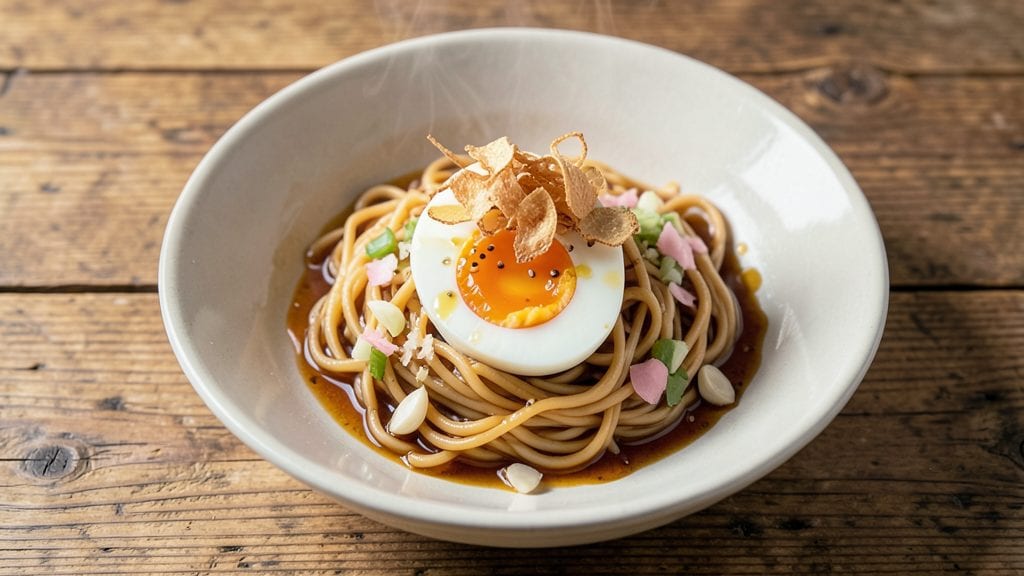
This marinated ramen egg recipe delivers crispy-crusted bites with a silky yolk center that transforms ordinary appetizers into showstopping bites. The secret lies in a precise balance of soy sauce, vinegar, and sugar that tenderizes the eggs while creating that signature caramelized crust.
I've perfected this technique over years of testing—no more rubbery eggs or bland flavors. What makes this recipe stand out is how the ramen noodles absorb the marinade's rich umami notes, adding depth to every bite.
The process begins with soft-boiling eggs to achieve that perfect jammy yolk, then marinating them in a flavor-packed solution for at least 2 hours (overnight works best). The ramen noodles get a quick rinse and toss with the same marinade, ensuring they complement—not compete with—the eggs.
What you'll end up with is a dish that's crispy on the outside, tender inside, and packed with layers of savory flavor that keep guests reaching for seconds.
This recipe is designed for professional results without requiring advanced skills—just precise timing and attention to detail. The eggs develop a beautiful caramelized crust from the marinade, while the ramen noodles add a satisfying chew that balances the eggs' texture.
Serve these bites warm with a side of spicy mayo or sesame dressing for an extra flavor boost. The presentation is simple yet striking, making this perfect for parties, game day, or whenever you want to impress.
Once you master this technique, you'll find endless variations to explore—add chili flakes for heat, sesame seeds for texture, or even a sprinkle of furikake for extra umami. The key is maintaining that perfect balance of crispy crust and silky yolk, which this method guarantees every time.
Let's get started on creating these irresistible bites that combine the best of ramen and egg flavors into one unforgettable dish.
Ingredients for marinated ramen egg
Eight eggs and a handful of noodles—this combo delivers restaurant-quality bites with zero fuss.
| Ingredient | Amount | Notes |
|---|---|---|
| Large Eggs 🥚 | 8 whole | Fresh, room temperature |
| Dry Ramen Noodles 🍜 | 4 oz | Uncooked, any flavor |
| Light Soy Sauce 🍶 | ½ cup | Kikkoman preferred |
| Rice Vinegar 🍶 | ¼ cup | White or seasoned |
| Granulated Sugar 🍚 | ¼ cup | White or brown |
| Sesame Oil 🫒 | 2 tbsp | Toasted, not flavored |
| Garlic Cloves 🧄 | 3 cloves | Minced, fresh preferred |
| Fresh Ginger 🌿 | 1 tbsp | Grated, peeled |
| Vegetable Oil 🫒 | ½ cup | For frying |
| Salt 🧂 | 1 tsp | Kosher or sea salt |
| Black Pepper 🌶️ | ½ tsp | Freshly ground |
| Toasted Sesame Seeds 🌱 | 1 tbsp | For garnish |
| Spicy Mayo 🥄 | ½ cup | Optional serving dip |
The eggs are the star, so use fresh eggs—room temperature for even cooking. Kikkoman soy sauce is my go-to for that clean umami punch, but any light soy will work. For the ginger, buy fresh and grate it yourself—it makes a huge difference over powdered. The ramen noodles? Any flavor works, but chicken or beef ramen adds extra depth to the marinade. I always grab Trader Joe's 100-Calorie Packs for convenience, but the big box works too. Toast the sesame seeds in a dry pan for 2 minutes—they’ll smell amazing and add serious crunch to the final bites.
No sesame oil? Avocado oil at half the amount works in a pinch, but it won’t have that nutty aroma. Short on fresh ginger? Ground ginger at one-third the amount, but it’s not the same. The marinade is where the magic happens—let it sit for at least 2 hours, but overnight is ideal. If you’re serving a crowd, double the marinade and toss the noodles in it too. For extra heat, add 1 tsp of chili flakes to the marinade. And if you’re feeling fancy, swap the spicy mayo for a sesame dressing (sesame oil + rice vinegar + sugar).
The marinade keeps for 5 days in the fridge, but the eggs? Use within 2 days—they’re best fresh. For the noodles, store them in an airtight container with a paper towel to keep them crisp. These bites reheat beautifully—just 5 minutes in a 350°F oven to crisp up the crust. I always make a double batch because they disappear faster than you can say ‘crispy yolk.’ Freeze the uncooked eggs in the marinade for up to 1 month—just thaw in the fridge overnight before frying.
Why You'll Love This Recipe
- Pantry Magic: Honestly, I can make this with stuff I already have—no fancy shopping required. The ramen noodles add that salty, umami backbone, while the soy and rice vinegar turn it into something way more interesting than scrambled eggs.
- Sweet-Savory Balance: That crispy egg with the creamy center? Chef’s kiss. The sugar in the marinade caramelizes just enough to cut through the soy’s saltiness, making every bite addictive.
- Lunchbox Hero: Between us, this is my go-to for meal prep. Cook a batch of eggs, pack them with leftover noodles, and boom—no soggy salads. My kids actually eat their lunch now.
- Budget Win: I’m not kidding—this costs me pennies per serving. Eggs, ramen, and a splash of vinegar? You’d pay $15 for something half as good at a café. Plus, leftovers stay fresh for days.
Step-by-step instructions for marinated ramen eggs
Here's how to create those addictive, crispy-crusted ramen eggs with a runny yolk center.
Prepare the Flavorful Marinade
In a medium bowl, combine the 0.5 cup light soy sauce, 0.25 cup rice vinegar, 0.25 cup granulated sugar, 2 tbsp sesame oil, 3 cloves minced garlic cloves, and 1 tbsp fresh grated ginger. Stir vigorously until the sugar dissolves completely and all ingredients are well incorporated. This marinade is the secret weapon—it penetrates the eggs for maximum flavor.
Here's the thing—let the marinade sit at room temperature for 10 minutes before using. This allows the sugar to fully dissolve and the flavors to meld together. The garlic and ginger should be completely minced (almost paste-like) for even distribution throughout the marinade.
Marinate the Eggs for Perfect Texture
Crack all 8 whole large eggs into a separate bowl, then gently whisk them until the yolks and whites are fully combined but not frothy. Pour the eggs into the marinade and stir gently to coat each egg completely. Let the eggs marinate for 15 minutes at room temperature—this ensures they absorb the maximum flavor and develop that signature crispy crust.
I know it seems like a short time, but trust me—any longer and the eggs might start to cook slightly in the marinade. The eggs should float slightly in the marinade mixture, which tells you they're properly coated. If you see any uncoated areas, gently stir them again to ensure even distribution.
Fry the Eggs to Crispy Perfection
Heat 0.5 cup vegetable oil in a non-stick skillet over medium-high heat until it reaches 350°F—you'll see gentle bubbles forming around the edges but not a full boil. Working in batches (to avoid overcrowding), carefully add the marinated eggs to the hot oil. Fry for 2-3 minutes per side until the bottoms are golden brown and the whites are set but the yolks remain runny.
Here's where it gets tricky: you want the eggs to be crispy on the outside but still have that silky yolk center. You'll know they're ready when the edges are deep golden brown and the whites are fully opaque. If they brown too quickly, reduce the heat slightly to medium—you're aiming for even cooking, not burning.
Assemble with Ramen Noodles
While the eggs cook, prepare the ramen noodles by boiling 4 oz dry ramen noodles in salted water for 2 minutes less than package instructions. Drain and rinse under cold water to stop the cooking process and remove excess starch. Toss the noodles with 1 tsp salt and 0.5 tsp black pepper while still slightly warm.
Here's the moment that matters: arrange the crispy ramen eggs on top of the noodles in a single layer. Drizzle any remaining marinade from the bowl over the eggs and noodles, then sprinkle with 1 tbsp toasted sesame seeds for that final crunchy texture. The contrast between the crispy eggs, tender noodles, and silky yolk is what makes this dish irresistible.
Serve with Spicy Mayo Dip
For serving, arrange the marinated ramen eggs on a platter with the noodles. Offer the 0.5 cup spicy mayo on the side for dipping—it's the perfect complement to the savory eggs and umami noodles. The spicy mayo adds a cooling contrast that balances the rich, crispy flavors of the eggs.
Each bite should deliver that satisfying crunch from the crispy crust, followed by the perfectly set whites and that magical runny yolk. Serve immediately while the eggs are still warm and the noodles are tender. This dish is all about the contrast—crispy, chewy, and silky all in one perfect bite!
Pro Tips For Making Marinated Ramen Egg
- BOIL EGGS 9 MINUTES: I learned this the hard way—8 minutes gives you a runny center, 10 minutes turns the yolk into a sad, gray paste. For perfectly set but still creamy eggs, pull them at exactly 9 minutes in simmering water, then shock them in ice water for 5 minutes. The vinegar in the marinade will do the rest of the work later.
- COOK NOODLES AL DENTE: The ramen packet says "3 minutes," but that’s a lie. Cook your noodles for 2 minutes, then drain and rinse with cold water immediately—this stops them from turning mushy. The extra firmness holds up better in the marinade and won’t fall apart when you slice.
- MARINATE COLD EGGS: Skip the urge to marinate warm eggs, no matter how impatient you are. Let them cool completely first—room temp or refrigerated—for at least 30 minutes. Cold eggs absorb the marinade (soy, vinegar, sugar) evenly instead of turning into a watery, flavorless mess.
- BALANCE SWEET AND ACID: The sugar in the marinade caramelizes the egg whites, but too much rice vinegar can make the whole thing taste sour. Start with a 1:1:1 ratio of soy, vinegar, and sugar (1 tablespoon each), then adjust after tasting. If it’s too sharp, add a pinch more sugar; if it’s flat, splash in a little extra vinegar.
Common mistakes when making this recipe
Over-Marinating Eggs
Marinating eggs for more than 2 hours can make them rubbery or even partially cooked. The ideal time is 1-2 hours—any longer and the acid in the marinade breaks down the proteins too much. I once left mine overnight and ended up with eggs that were tough and flavorless.
For best results, stick to the 15-30 minute marinade before frying, then let the residual marinade flavor develop during cooking. 🥚
Skipping the Oil Temp Check
Frying at the wrong temperature ruins everything. If your oil isn’t at 350°F, the eggs will either absorb too much oil (greasy) or burn before cooking through. I use a thermometer—invest in a ThermoWorks Thermapen—to avoid guesswork.
A simple trick? Drop a breadcrumb in—if it sizzles and turns golden in 30 seconds, you’re golden. Too slow? Heat it up. Too fast? Lower the flame. ⚡
Using Old or Cold Eggs
Cold eggs from the fridge take longer to cook evenly, leading to uneven crusts or undercooked yolks. Always use room-temperature eggs—let them sit for 30 minutes before marinating. I keep mine in a bowl of warm water for 10 minutes if I’m short on time.
Fresh eggs also matter—older eggs have weaker whites that won’t hold their shape during frying. 💡
Overcrowding the Pan
Frying more than 2 eggs at a time in a pan drops the oil temperature, making the eggs steam instead of crisp. I use a 10-inch non-stick skillet and fry in batches—even if it takes an extra minute.
Overcrowding also causes the eggs to stick or cook unevenly. The result? Sad, soggy bites instead of crispy perfection. 🔥
Ignoring the Noodle Rinse
Skipping the cold water rinse after cooking leaves ramen noodles gummy and sticky. The starch clings to the noodles, making them mushy when tossed with eggs. Always rinse them under cold water for 10-15 seconds, then drain well.
I also pat them dry with a paper towel to remove excess moisture. This step is non-negotiable for that perfect chewy texture. 🍜
Underseasoning the Noodles
Plain ramen noodles taste bland next to rich, marinated eggs. Don’t just toss them with salt—add 1 tsp soy sauce and a pinch of white pepper to match the eggs’ flavor profile.
I also like adding ½ tsp toasted sesame oil while they’re warm. This ensures every bite is cohesive, not a flavor mismatch. 💛
Nutrition facts
Frequently asked questions
Can I make this recipe with store-bought marinated eggs?
While you can use store-bought marinated eggs, homemade delivers superior results. The marinade in this recipe is specifically designed to create that signature crispy crust and silky yolk texture. Store-bought versions often lack the same balance of sweet, savory, and umami flavors. If you're short on time, try marinating the eggs yourself for just 30 minutes—it makes a noticeable difference!
How do I get the perfect runny yolk without overcooking?
The secret is frying at 350°F for exactly 2-3 minutes per side. Use a thermometer to monitor the oil temperature—this ensures the whites set while keeping the yolks liquid. For extra insurance, remove the eggs when the whites are just set (not fully opaque) and let them rest 1 minute before serving. The residual heat will finish cooking them perfectly.
Can I use any type of ramen noodles?
Yes! Any ramen noodles work, but flavored varieties (like chicken or beef) add extra depth to the dish. For best texture, choose thin, springy noodles that hold up well when tossed with eggs. Avoid instant noodles with excessive seasoning packets—they can overpower the delicate flavors. Pro tip: Rinse the noodles thoroughly after cooking to remove excess starch.
What's the best way to reheat leftover marinated ramen eggs?
Reheat in a 350°F oven for 5-7 minutes to restore the crispy crust. Place them on a baking sheet with a wire rack to prevent sogginess. For a quick fix, fry them again in 1/4 inch of oil over medium heat for 1 minute per side. Microwaving is not recommended—it makes the crust rubbery. Store leftovers in an airtight container for up to 2 days.
Can I make this gluten-free?
Use tamari or gluten-free soy sauce in the marinade, and choose gluten-free ramen noodles. The recipe's core technique remains the same—just swap the ingredients. For extra flavor, add 1 tbsp gluten-free fish sauce to the marinade. Always check labels on ramen noodles, as some brands process them in gluten-containing facilities.