
Soups & Stews
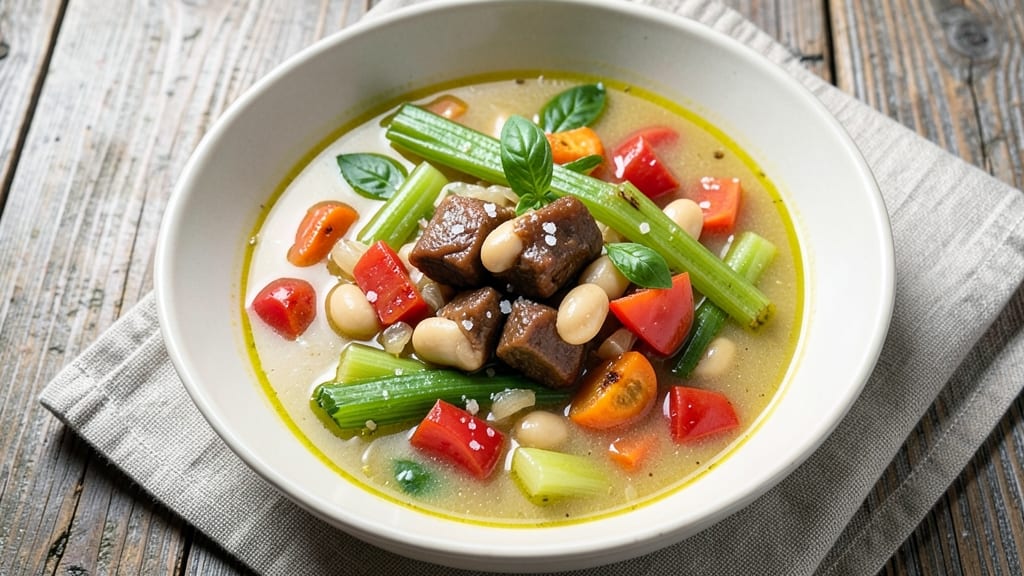
This minestrone soup recipe brings the rustic charm of Italian home cooking to your kitchen in one pot—packed with vegetables, beans, and pasta for a hearty, satisfying meal.
The beauty of minestrone lies in its flexibility: use seasonal produce, swap in your favorite beans, or even make it vegan without sacrificing depth of flavor.
I’ve perfected this version to deliver a rich, aromatic broth with tender vegetables and al dente pasta, all while keeping prep simple and cleanup minimal.
The foundation of great minestrone is a flavorful base: sautéed onions, garlic, and carrots form the aromatic backbone, while canned tomatoes and vegetable broth build the broth’s depth.
Beans—whether white, kidney, or chickpeas—add protein and texture, while pasta (small shapes like ditalini or acini di pepe work best) soaks up the savory liquid. The key is simmering everything together just until the vegetables soften and the pasta reaches the perfect bite—no mushy results here.
What you’ll end up with is a steaming bowl of rustic Italian comfort: tender vegetables, hearty beans, and al dente pasta swimming in a fragrant, slightly thickened broth. The aroma alone—herby, tomatoey, and warm—will have everyone gathering around the table.
This is the kind of soup that tastes even better the next day, making it perfect for meal prep or feeding a crowd.
For added convenience, I’ve included a vegan adaptation using vegetable broth and omitting Parmesan, but the classic version with a sprinkle of cheese on top is just as satisfying. Ready to make this one-pot masterpiece? Let’s get cooking.
Ingredients for minastrone soup
Pantry staples plus seasonal veggies—this one-pot wonder delivers Italian comfort in minutes.
| Ingredient | Amount | Notes |
|---|---|---|
| Vegetable Broth 💧 | 6 cups | Low-sodium preferred |
| Carrots 🥕 | 2 medium | Chopped into small pieces |
| Yellow Onion 🧅 | 1 large | Diced, about 1.5 cups |
| Garlic Cloves 🧄 | 4 cloves | Minced for depth |
| Canned Diced Tomatoes 🍅 | 1 14.5oz can | San Marzano preferred |
| Celery Stalks 🥬 | 3 stalks | Diced, about 1 cup |
| Zucchini 🍆 | 1 medium | Diced, about 1 cup |
| Kidney Beans 🌱 | 1 15oz can | Drained and rinsed |
| Ditalini Pasta 🍝 | 1 cup | Uncooked, small shape |
| Fresh Spinach 🌿 | 2 cups | Chopped, wilted in broth |
| Extra-Virgin Olive Oil 🫒 | 2 tbsp | For sautéing vegetables |
| Dried Oregano 🌿 | 1 tsp | Italian variety preferred |
| Salt 🧂 | 1 tsp | Adjust to taste |
| Black Pepper 🌶️ | ½ tsp | Freshly ground |
| Parmesan Cheese 🧀 | ¼ cup | Freshly grated, optional |
The vegetable broth is your flavor foundation—low-sodium keeps the taste pure. Trader Joe's or Pacific Foods make the best organic options, but any good-quality broth works. Carrots and celery should be vibrant, not rubbery—farmers market finds taste best. The garlic? Freshly minced makes all the difference, so don't skip this step. For the tomatoes, San Marzano cans are worth the splurge—they're sweeter and less acidic, which balances the dish perfectly. If you're short on time, frozen chopped veggies work great (just thaw first).
No kidney beans? Chickpeas or white beans are fantastic swaps—they just need a little longer to simmer. Short on spinach? Kale or Swiss chard add great texture. The pasta shape matters—ditalini or acini di pepe are traditional, but any small shape works. For a vegan version, skip the Parmesan and add an extra splash of lemon juice at the end. The oregano is non-negotiable—Italian dried oregano has a brighter flavor than Mexican. If you're using pre-minced garlic, toast it first in olive oil for deeper flavor.
This soup tastes even better the next day—flavors meld beautifully when refrigerated. Store in an airtight container for 4-5 days or freeze portions for up to 3 months. I like to portion it into individual containers for easy lunches. The pasta will soften when reheated, so add a splash of broth if needed. For extra richness, stir in a spoonful of nutritional yeast when reheating.
Why You'll Love This Recipe
- Pantry Powerhouse: I swear by this recipe when I forget to grocery shop. Carrots, onion, garlic, and diced tomatoes? That’s it for the base—no fancy ingredients, just flavor. The vegetable broth ties it all together without needing a second thought.
- Garlic-Kissed Depth: Between us, that slow-simmered garlic and onion build layers of warmth. The tomatoes add brightness, but it’s the crisp carrot bite that keeps it fresh—not mushy, not bland. Honestly, it’s the kind of soup that makes you linger at the table longer than you planned.
- Leftovers That Shine: This soup only gets better the next day. I make a double batch on Sundays because reheating it is foolproof—no splitting or drying out. My kids ask for it cold in lunchboxes, and it’s still spot-on. (Yes, even on a Tuesday night.)
- Budget-Friendly Flex: Vegetable broth and canned tomatoes? You’re looking at under $5 for a full pot. Swap in whatever veggies you have—zucchini, beans, even stale bread—and it’s still a meal. It’s my go-to when money’s tight but hunger isn’t.
Step-by-step instructions for hearty vegetable-packed one-pot meal
This minestrone comes together in one pot with vibrant flavors and satisfying texture.
Sauté the Vegetable Base
Heat the 2 tablespoons extra-virgin olive oil in a large Dutch oven or deep pot over medium heat. Add the 1 large diced yellow onion, 2 medium chopped carrots, and 3 diced celery stalks. Cook for 5-6 minutes, stirring occasionally, until the vegetables begin to soften and the onion becomes translucent.
Here's the thing—you want the vegetables to develop some color and flavor before adding the other ingredients. If they stick to the pot, reduce the heat slightly and give it another minute. Once they're tender but not browned, add the 4 minced garlic cloves and cook for 30 seconds until fragrant. This quick sauté prevents the garlic from burning while infusing its flavor into the base.
Build the Flavor Foundation
Pour in the 1 14.5-ounce can diced tomatoes (with their juices) and the 6 cups vegetable broth. Stir well to combine, scraping up any browned bits from the bottom of the pot. Bring the mixture to a gentle boil over medium-high heat, then reduce the heat to medium-low and let it simmer uncovered for 15 minutes. You'll see the vegetables soften further and the flavors meld together beautifully.
While it simmers, add the 1 teaspoon dried oregano, 1 teaspoon salt, and 0.5 teaspoon black pepper. Taste the broth now—it should have a rich, savory depth. If it needs more seasoning, adjust with additional salt or pepper. This is your flavor base, so don't skimp on the seasoning here.
Add the Remaining Vegetables and Beans
After the 15 minutes of simmering, stir in the 1 medium diced zucchini and 1 15-ounce can drained and rinsed kidney beans. Let the soup simmer uncovered for another 10 minutes, stirring occasionally. The zucchini will soften quickly, absorbing all those wonderful flavors from the broth and tomatoes.
Real talk: The kidney beans will help thicken the soup slightly as they break down. If you prefer a chunkier texture, you can reduce this simmering time to 8 minutes. But if you like your minestrone heartier, let it cook the full 10 minutes. The beans should be tender but still hold their shape.
Cook the Pasta and Finish with Spinach
Add the 1 cup uncooked ditalini pasta to the pot and stir gently to distribute it evenly. Increase the heat to medium-high and bring the soup back to a boil. Once boiling, reduce the heat to medium and let it simmer uncovered for 8-10 minutes, stirring occasionally. The pasta should be al dente—tender but still with a slight bite.
In the last 2 minutes of cooking, stir in the 2 cups chopped fresh spinach. The spinach will wilt almost instantly, releasing its vibrant green color and fresh flavor into the soup. Give it a final taste and adjust the seasoning if needed. The spinach adds a bright contrast to the rich, earthy flavors of the other ingredients.
Serve with Parmesan and Enjoy
Remove the pot from heat and let the soup sit for 2-3 minutes to allow the flavors to settle. Ladle the minestrone into bowls and top each serving with 0.25 cup freshly grated parmesan cheese. The parmesan adds a salty, umami richness that ties all the flavors together.
This hearty vegetable-packed one-pot meal is perfect for chilly days or when you need a nourishing, satisfying dish. Every spoonful delivers a perfect balance of textures and flavors—creamy beans, tender vegetables, al dente pasta, and fresh spinach. Serve with crusty bread to soak up every last drop of that flavorful broth!
Pro Tips For Making Minastrone Soup
- Sweat the Onion Properly: DESCRIPTION: Don’t just chop the onion and toss it in—cook it until it’s translucent and just starting to soften, about 5-6 minutes on medium heat. I learned this the hard way when my soup tasted raw and sharp instead of rich and sweet. Use a splash of broth to deglaze the pot afterward, or you’ll lose all that caramelized flavor you worked for.
- Slice Carrots Thinly: DESCRIPTION: Quarter the carrots lengthwise, then slice them paper-thin—this ensures they soften evenly without turning to mush. Thick chunks stay crunchy and undercooked, while thin slices blend perfectly into the broth. (Yes, even if you’re impatient like me, resist the urge to rush this step.)
- Crush the Garlic: DESCRIPTION: Mince the garlic cloves but don’t pulverize them—just a rough chop so they release flavor without turning bitter. Over-mincing releases allicin, which can make the soup taste sharp. A quick press with the flat side of your knife works wonders.
- Add Tomatoes Late: DESCRIPTION: Hold off on the canned tomatoes until the very end—about the last 5 minutes of simmering. This keeps their texture intact and prevents them from breaking down into a watery mess. If you’re worried about them not cooking through, just stir them in and let the residual heat finish them off.
Creative variations of these flavors
Seasonal Vegetable Swaps
Summer minestrone shines with zucchini, cherry tomatoes, and fresh basil. In fall, swap in butternut squash, kale, and apples for a sweeter, heartier soup. Winter calls for carrots, parsnips, and Brussels sprouts—roast the sprouts first for extra depth.
I always adjust cooking times based on seasonal veggies; tender greens like spinach go in last, while heartier squash needs 15-20 minutes of simmering. 🍂
Protein Alternatives
For a vegan version, skip Parmesan and add ½ cup cooked lentils or crumbled tempeh for protein. If you love meat, brown ½ lb Italian sausage with the onions or add shredded chicken in the last 5 minutes of cooking.
I once made a minestrone with white beans, chickpeas, and crispy tofu—the tofu soaks up the broth beautifully when baked first. 🌱
Regional Italian Twists
Northern Italy versions often include cannellini beans and polenta instead of pasta. Southern styles might feature eggplant and sun-dried tomatoes. For a Tuscan touch, add sautéed pancetta and finish with fresh rosemary.
I love the Sicilian variation with fava beans and orecchiette pasta—it’s a game-changer for texture. 🗺️
Global Fusion Ideas
Turn it into a Mexican-inspired minestrone by adding corn, black beans, and cumin. For a Thai twist, stir in coconut milk, lemongrass, and Thai basil at the end. My Indian-inspired version swaps tomatoes for tomato purée and garam masala, with cauliflower and peas instead of zucchini.
The broth becomes a fragrant, spiced base that’s completely unexpected but delicious. 🌶️
Dietary Adaptations
For a gluten-free version, use gluten-free pasta like brown rice ditalini or chickpea pasta. A low-carb option replaces pasta with shirataki noodles or extra zucchini. I’ve also made a dairy-free version with nutritional yeast and a splash of lemon juice—it’s just as rich without cheese.
The key is balancing flavors; extra herbs or a splash of balsamic vinegar can elevate these adaptations. 💡
Make-Ahead Magic
This soup tastes even better the next day—flavors meld like crazy when refrigerated. I like to make a big batch on Sunday and freeze portions in airtight containers for quick weeknight meals. When reheating, add ¼ cup water or broth to prevent thickening.
For a slow cooker version, combine all ingredients (except spinach) and cook on low for 6-8 hours, then stir in spinach at the end. 🍲
Nutrition facts
Frequently asked questions
Can I make minestrone soup without tomatoes?
While tomatoes add acidity and depth, you can substitute 1 cup tomato paste or 2 cups tomato sauce for a richer flavor. For a completely tomato-free version, use extra vegetable broth and add 1 teaspoon balsamic vinegar to balance the flavors. The key is building that savory base with sautéed onions, garlic, and herbs.
How do I make this recipe vegan?
Skip the Parmesan and use vegetable broth instead of chicken broth. Add ½ cup cooked lentils or white beans for extra protein, and finish with nutritional yeast (1-2 tablespoons) for a cheesy flavor. A splash of lemon juice brightens the dish without dairy. The soup stays hearty and satisfying!
Why does my minestrone taste bland?
Most likely, you skipped the sautéing step or didn't season enough. Always cook the onions, carrots, and celery until soft and slightly caramelized—this builds flavor. Taste the broth before adding pasta and adjust with salt, pepper, or a pinch of red pepper flakes. A splash of balsamic vinegar or fresh herbs at the end can also elevate the taste.
Can I use frozen vegetables in minestrone?
Yes! Frozen veggies work great—just thaw them first. I recommend using frozen mixed vegetables (like peas, carrots, and corn) or frozen spinach (drained well). Add them in the last 5 minutes of cooking to prevent mushiness. Fresh veggies still taste better, but frozen is a convenient backup.
What’s the best pasta shape for minestrone?
Small shapes like ditalini, acini di pepe, or orzo work best—they hold up well and soak up the broth. Avoid large pasta like penne, as it can make the soup too thick. For a gluten-free option, try chickpea pasta or brown rice ditalini. The goal is a balanced texture with every bite.