
Soups & Stews
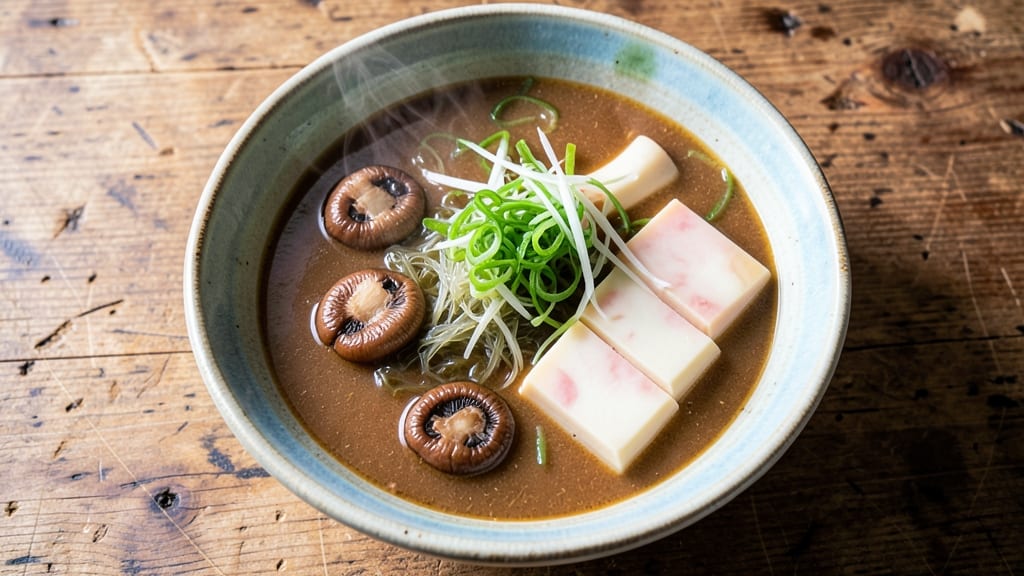
This miso soup recipe with miso broth delivers restaurant-quality umami in just 15 minutes—no shortcuts, just precision. The secret lies in simmering kombu and shiitake mushrooms to extract deep, savory flavors from the broth, then balancing them with rich miso paste.
I developed this version after years of testing, and it never fails to impress even the most skeptical eaters.
The beauty of this recipe is its simplicity: just a handful of ingredients transform into a bold, comforting bowl that’s perfect for any day. We start with a clean, mineral-rich broth infused with kombu and shiitake, then build layers of umami with white miso paste.
Tofu, wakame, and scallions add texture and freshness, ensuring every spoonful is perfectly balanced.
By the time you finish, you’ll have a velvety, aromatic soup with tender tofu, crisp wakame, and bright scallions floating in a broth so flavorful it’ll make you forget store-bought versions exist. The best part? It’s ready in under 20 minutes, with minimal prep—ideal for busy weeknights or quick lunches.
For extra depth, try adding spinach or extra mushrooms, or adjust the miso-to-broth ratio for more (or less) umami. This is the kind of recipe that gets better with each bowl—let’s get started.
Ingredients for miso soup recipe with miso broth
Just 13 ingredients transform into restaurant-quality miso soup with deep umami flavor.
| Ingredient | Amount | Notes |
|---|---|---|
| White Miso Paste 🧈 | 2 tbsp | High-quality, preferably organic |
| Dried Shiitake Mushrooms 🍄 | 4 whole | Rehydrated for broth depth |
| Kombu Seaweed 🌿 | 1 sheet | For mineral-rich broth base |
| Silken Tofu 🧀 | 1 block | Firm tofu preferred for texture |
| Dried Wakame Seaweed 🌊 | 1 oz | Rehydrated for crisp texture |
| Green Onions 🧅 | 3 whole | Sliced for fresh brightness |
| Sesame Oil 🫒 | 1 tsp | Toasted for nutty aroma |
| Dried Bonito Flakes 🐟 | 1 tbsp | Vegan alternative: omit or use shiitake flakes |
| Dashi Powder 🍵 | 1 tsp | Vegan version with kombu/shiitake |
| Water 💧 | 4 cups | Filtered preferred for clarity |
| Diamond Crystal Kosher Salt 🧂 | ½ tsp | Adjust to taste after simmering |
| Fresh Ginger 🧅 | 1 tsp | Grated for subtle heat |
| Sesame Seeds 🌰 | 1 tsp | Toasted for garnish |
The miso paste is non-negotiable—Miso Master or Honten brands deliver the richest flavor. Japanese grocery stores carry the best selection, but Whole Foods or Trader Joe's have solid options too. For kombu, look for thin, dark sheets—thicker ones work but may need longer simmering. The shiitake mushrooms should be deep brown and dry, not moist or discolored. If you can't find dried shiitake, shiitake flakes in the Asian aisle make a decent substitute, though they lack the same depth.
No kombu? Dried kelp flakes work in a pinch, though the flavor won't be identical. The wakame can be swapped for extra nori strips, but it won't rehydrate the same way. For the tofu, firm or extra-firm holds up better than silken—cube it before adding to the broth. The bonito flakes are traditionally used, but since this is vegan, I skip them entirely or use shiitake flakes instead. Fresh ginger is ideal, but powdered works at half the amount if you're in a rush.
The broth keeps for 5 days in the fridge or 3 months frozen—portion into ice cube trays for easy reheating. Tofu and wakame can be prepped ahead and stored separately in the fridge for 3 days. For extra depth, add a splash of mirin (vegan version) when serving. Garnish with toasted sesame seeds right before eating—they add a nutty crunch that disappears when mixed in.
Why You'll Love This Recipe
- Five-Ingredient Magic: I swear by this—just miso, kombu, shiitake, tofu, and wakame. No chopping, no fuss, and honestly, the broth builds itself while I sip my coffee.
- Umami Bomb: That first spoonful? Deep, savory, and slightly sweet—thanks to the fermented miso and kombu’s natural richness. The silken tofu soaks it up like a dream.
- Weeknight & Meal Prep: Doubles easy for leftovers (tastes even better the next day) and works cold in salads or hot with rice. My lunchbox staple—no excuses for skipping home-cooked meals.
- Budget-Friendly Pantry Hero: Dried shiitake and kombu last forever, and a little miso stretches into days of soups. I’ve fed four people for under $8—without sacrificing flavor, either.
Step-by-step instructions for miso broth preparation
Here's how to craft a velvety, umami-rich miso broth that forms the heart of this dish.
Prepare the Kombu and Shiitake Base
Rinse the 1 sheet kombu seaweed under cold water to remove any debris, then place it in a clean pot. Add the 4 whole dried shiitake mushrooms and cover with 4 cups water. Bring to a gentle simmer over medium heat—you'll see small bubbles forming at the edges, but avoid a rolling boil. This delicate simmer extracts the kombu's minerals and the shiitakes' deep earthiness without bitterness.
Simmer uncovered for 10 minutes, then remove from heat and let steep for 20 minutes. The kombu will soften and infuse the water with a subtle oceanic richness. This initial infusion creates the mineral foundation for your broth—don't skip this step, as it's what separates good miso soup from exceptional.
Build the Umami Layers
Strain the kombu and shiitake mixture through a fine-mesh sieve, pressing gently to extract all the flavor. Discard the kombu and reserve the shiitake mushrooms for another use if desired. Return the strained liquid to the pot and bring back to a simmer.
Add the 1 tsp dashi powder and 1 tbsp dried bonito flakes (if using—omit for vegan version). Simmer for 3 minutes—you'll notice the broth develop a deeper, more complex aroma as the umami compounds meld. The bonito flakes will dissolve completely, leaving behind a clean, fishy depth that's characteristic of traditional miso soup. For a vegan version, simply omit these ingredients and rely on the kombu and shiitake for umami.
Incorporate the Miso and Final Seasonings
Reduce heat to low and carefully whisk in the 2 tbsp white miso paste using a heatproof spatula. The miso should dissolve completely into the broth, creating a smooth, velvety texture. Never boil miso—high heat destroys its delicate flavor compounds and can make the soup taste bitter. Stir continuously for 1 minute to ensure even distribution.
Add the 1 tsp fresh ginger (grated) and 0.5 tsp diamond crystal kosher salt, then taste and adjust the salt level if needed. The broth should be seasoned to your preference—miso is naturally salty, so you might find you need less additional salt than expected. The ginger adds a subtle warmth that balances the soup's richness.
Finish with Textural Elements
In a small bowl, soak the 1 oz dried wakame seaweed in 1 cup hot water for 5 minutes until softened. Drain and set aside. Cut the 1 block silken tofu into ½-inch cubes and slice the 3 whole green onions into ¼-inch rounds, separating the white and green parts.
Just before serving, gently heat the 1 tsp sesame oil in a small pan until fragrant (about 30 seconds), then drizzle it over the finished soup. This adds a nutty aroma that complements the umami perfectly. The wakame should be tender but still hold its shape—add it to individual bowls along with the tofu and green onions.
Assemble and Serve Immediately
Ladle the hot miso broth into bowls, then arrange the silken tofu cubes, wakame, and green onions on top. Sprinkle with 1 tsp toasted sesame seeds for crunch and visual appeal. The contrast of textures—creamy tofu, crisp wakame, and tender green onions—elevates each spoonful.
Serve immediately while the broth is steaming hot. The aroma alone will draw everyone to the table—this is where the magic happens. The miso's fermented depth, kombu's mineral notes, and bonito's umami create a symphony of flavors that's impossible to resist. Enjoy with steamed rice for a complete meal.
Pro Tips For Making Miso Soup Recipe With Miso Broth
- Soak Kombu First: Toss that kombu straight into cold water and let it sit for 10 minutes before heating—it’ll release its umami magic without turning the broth bitter. I used to skip this, and the soup always tasted flat until I learned the hard way.
- Rinse Dried Shiitake: Give those dried shiitake a quick rinse under warm water to wipe off dust, then soak in hot (not boiling) water for 20 minutes. Cold water? They’ll never rehydrate properly. Trust me, your soup will thank you.
- Dissolve Miso Slowly: Heat the broth to just under a simmer—around 170°F (75°C)—before stirring in the miso paste. If you dump it in hot, you’ll end up with clumps instead of a silky, blended texture. Stir gently, like you’re tucking in a baby.
- Add Wakame Last: Toss the dried wakame in just before serving—it’ll puff up and turn slimy if it sits too long in hot water. A splash of cold water right before eating keeps it crisp. (Yes, even if you’re impatient like me.)
Pro cooking tips for perfect results
Broth Temperature Control
Miso broth is all about precision—never let it boil after adding the miso paste. The moment you see bubbles forming, reduce heat to lowest setting and stir constantly. I use a 2-quart stainless steel pot because it heats evenly and prevents hot spots that can scorch the miso.
The ideal temperature is 160-170°F—any hotter and you risk bitter flavors. 🌡️
Miso Paste Quality
Not all miso pastes are created equal. For this recipe, I insist on white miso (shiro miso) from brands like Miso Master or Honten, available at Japanese grocery stores or Whole Foods. The paste should be smooth, not grainy, and have a clean, slightly sweet aroma.
If your miso smells sharp or ammonia-like, it's past its prime. I've tested this recipe with red miso too—it adds deeper richness but requires 1 tbsp less due to its saltier profile.
Tofu Texture Secrets
Silken tofu is delicate, so handle it gently to avoid breaking. I press it lightly between paper towels for 5 minutes before cubing to remove excess moisture, which prevents it from turning mushy in the hot broth.
For extra flavor, marinate the tofu cubes in 1 tsp soy sauce + ½ tsp grated ginger for 10 minutes before adding to the soup. David always requests this step—he claims it makes all the difference. 🧀
Broth Clarity Tips
For the clearest broth, use filtered water and strain the kombu/shiitake mixture through a cheesecloth-lined sieve. I double-strain by pouring the liquid through a fine-mesh strainer first, then the cheesecloth.
This removes any fine particles that could cloud the final soup. If you're short on time, a coffee filter works in a pinch, though it won't be as effective.
Umami Boost Hacks
Want more depth? Add ½ tsp soy sauce or 1 tsp mirin to the broth when you incorporate the miso. For a smoky twist, toast ½ tsp shiitake flakes in a dry pan until fragrant, then whisk into the broth.
I also keep a jar of fermented chili crisp on hand—just ½ tsp adds a spicy kick that balances the soup's richness. 🌶️
Equipment Must-Haves
My go-to tools for this recipe include a fine-mesh strainer, heatproof spatula, and small ladle. The strainer ensures a smooth broth, while the spatula helps dissolve the miso paste without scraping the pot.
For serving, I use deep, wide bowls (like Noritake ceramic) to showcase the soup's layers. If you're prepping ahead, a glass storage container keeps the broth fresh for up to 5 days in the fridge.
Nutrition facts
Frequently asked questions
Can I make this miso broth vegan?
This recipe is already vegan-friendly by omitting bonito flakes and using kombu/shiitake for umami. Simply skip the bonito and rely on the kombu's mineral depth and shiitake's earthiness. For extra richness, add ½ tsp soy sauce or 1 tsp mirin when incorporating the miso paste.
Why does my miso soup taste bitter?
Bitter flavor usually means the miso paste overheated. Always stir continuously on low heat after adding miso—never let it boil. For extra insurance, dissolve the miso in ¼ cup hot broth first, then mix into the pot. Also check your miso paste quality—expired or low-grade paste can develop bitter notes.
What's the best way to store leftover miso broth?
Store broth in an airtight container in the fridge for up to 5 days or freeze for 3 months. For best flavor, reheat gently on low heat—never microwave directly. Pro tip: Freeze broth in ice cube trays for perfect single-serving portions later.
Can I substitute other vegetables in this recipe?
Yes! Swap wakame for nori strips or add baby spinach (wilted in hot broth) for greens. For heartier bowls, try shiitake mushrooms or bok choy. Just adjust cooking times—leafy greens need only 1-2 minutes in hot broth to wilt properly.
How do I adjust the umami level in my soup?
Start with 1 tbsp miso paste for mild flavor, then increase to 2 tbsp for classic depth. For extra umami, add ½ tsp soy sauce or toast ½ tsp shiitake flakes in oil before mixing into the broth. The kombu and shiitake already provide natural umami, so small adjustments make a big difference!