
Soups & Stews
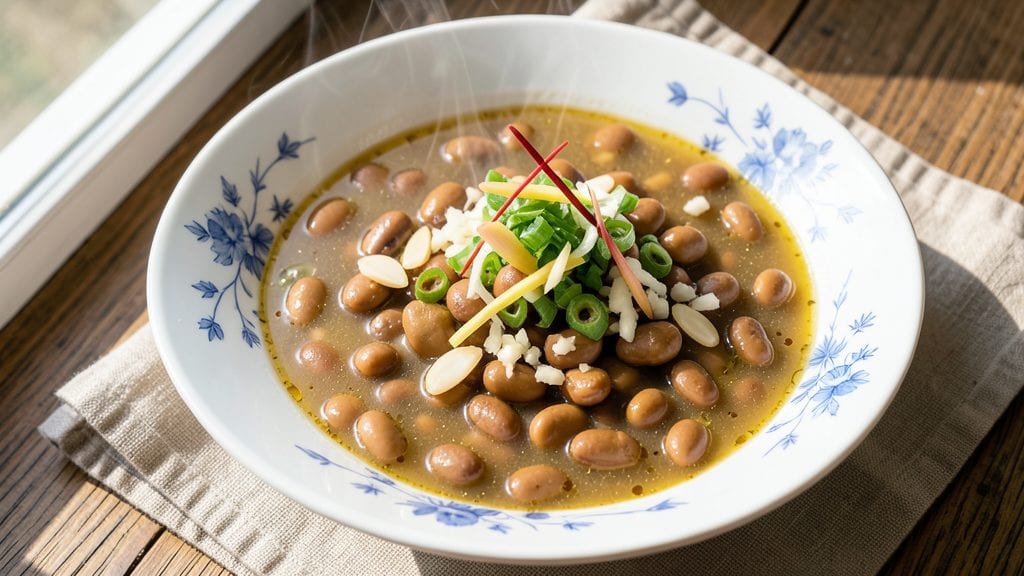
This mung bean soup recipe delivers a light yet deeply satisfying bowl of comfort that balances delicate flavors with hearty texture—perfect for warm days or quick weeknight meals.
The secret lies in simmering split mung beans until tender while building layers of aromatic garlic, ginger, and scallions, creating a broth that's both fragrant and subtly savory. I've refined this recipe over years of testing, ensuring the beans stay intact yet creamy, with just the right snap when bitten.
The beauty of mung bean soup is its versatility—it can be a simple vegetable-based dish or elevated with optional toppings like crispy fried shallots or chili oil for heat. Traditional versions often include soy sauce for umami depth, while modern adaptations might incorporate lime juice or fresh herbs for brightness.
What makes this recipe stand out is how quickly it comes together—just 30 minutes of active time—while delivering restaurant-quality results.
By the time you finish, you'll have a steaming bowl of light yet filling soup with tender mung beans, silky broth, and all the aromatic complexity of fresh ginger and garlic.
The texture is what truly impresses: beans that hold their shape yet soften just enough to melt in your mouth, all floating in a broth that's rich without being heavy. This is the kind of dish that transforms ordinary meals into something special.
Serve it as a light lunch, a refreshing starter, or even a comforting dinner with a side of steamed rice. The recipe scales easily too—double the batch for leftovers that taste just as good reheated. Here's how to make it perfectly every time.
Ingredients for mung soup
Light, aromatic, and deeply satisfying—this mung bean soup balances tender beans with vibrant broth.
| Ingredient | Amount | Notes |
|---|---|---|
| Split Mung Beans 🌾 | 1 cup | Rinsed thoroughly before cooking |
| Fresh Garlic Cloves 🧄 | 4 cloves | Minced for aromatic depth |
| Fresh Ginger Root 🌿 | 1 ½ tbsp | Grated finely for brightness |
| Green Onions 🧅 | 3 whole | Thinly sliced for garnish |
| Vegetable Oil 🫒 | 2 tbsp | High smoke point preferred |
| Vegetable Broth 💧 | 4 cups | Low-sodium preferred |
| Light Soy Sauce 🥢 | 1 ½ tbsp | For umami depth |
| Sesame Oil 🫒 | 1 tsp | Toasted for aroma |
| Lime Juice 🍋 | 1 tbsp | Freshly squeezed |
| Fresh Cilantro Leaves 🌿 | ¼ cup | Chopped for freshness |
| Red Chili Flakes 🌶️ | ½ tsp | Adjust for heat preference |
| Sea Salt 🧂 | 1 tsp | Adjust to taste |
| White Rice Noodles 🍜 | 4 oz | Uncooked, medium width |
| Sesame Seeds 🌱 | 1 tsp | Toasted for garnish |
The split mung beans are the heart of this dish—look for them in the bulk section of stores like Whole Foods or Trader Joe's for the freshest batches. Rinse them thoroughly before cooking to remove any debris, then soak for 30 minutes if you're short on time (though the recipe works fine without). The garlic and ginger should be freshly grated or minced—pre-minced garlic lacks the aromatic punch. For the broth, low-sodium vegetable broth keeps the flavor balanced, but you can use homemade for extra depth. If you're feeling adventurous, Asian markets often carry specialty mung bean broths that elevate the dish further.
No fresh ginger? Powdered ginger at half the amount works in a pinch, though it lacks the same complexity. Short on sesame oil? Toasted peanut oil adds a similar nutty richness. The lime juice is key for brightness—bottled lime juice is fine, but fresh is always better. For the noodles, rice noodles work best, but you can swap in udon or soba if needed. The red chili flakes are optional but recommended for a subtle kick—adjust to taste. If you're avoiding gluten, ensure your soy sauce is tamari-based. The cilantro adds freshness, but skip it if you're sensitive to its flavor.
This soup reheats beautifully—simmer gently to avoid breaking down the noodles. Store in an airtight container for 3-4 days in the fridge, or freeze for up to 3 months (the beans hold their texture even after freezing). For extra crunch, toast the sesame seeds in a dry pan until golden before adding them to the top. Serve with a sprinkle of crispy fried shallots if you want to take it to the next level. The flavors actually improve the next day as everything melds together—perfect for meal prep.
Why You'll Love This Recipe
- I’ll be real: I used to dread the soak-and-rinse routine with other legumes. Not here—just rinse those split mung beans once, toss them in boiling water, and they soften in a flash. No waiting, no fuss, just pure convenience that actually works.
- No-Soaking Needed: I’ll be real: I used to dread the soak-and-rinse routine with other legumes. Not here—just rinse those split mung beans once, toss them in boiling water, and they soften in a flash. No waiting, no fuss, just pure convenience that actually works.
- Garlic-Ginger Magic: That first sizzle of minced garlic and ginger in the oil? Chef’s kiss. The aroma alone makes my kitchen smell like a bustling Asian street market, and the flavor? Deep, warm, and just sharp enough to wake up every spoonful—no heavy spices required.
- Leftover Legend: This soup tastes even better the next day, honestly. I make a big batch on Sundays, and by Wednesday, it’s my go-to lunch—still tender, still packed with that earthy mung richness. Freeze half if you’re feeling extra, and thaw it straight into a simmering pot.
Step-by-step instructions for mung bean soup
This method delivers a perfectly balanced soup with tender mung beans and delicate noodles.
Prepare the Mung Beans
Rinse the 1 cup split mung beans thoroughly under cold water until the water runs clear. This removes any debris and prevents a gritty texture. Place them in a medium saucepan with 4 cups vegetable broth and bring to a boil over medium-high heat. Once boiling, reduce heat to medium-low and simmer uncovered for 20-25 minutes, stirring occasionally.
You'll know they're ready when the beans are tender but still hold their shape—like al dente pasta. Overcooking turns them mushy, while undercooking leaves them chalky. Taste test one bean to confirm tenderness before proceeding. Drain any excess liquid and set the cooked beans aside.
Build the Flavor Base
In a separate pot, heat the 2 tablespoons vegetable oil over medium heat until shimmering. Add the 4 cloves minced garlic cloves and 1.5 tablespoons grated fresh ginger root, cooking for 1-2 minutes until fragrant but not browned. This aromatic foundation is crucial for depth of flavor.
Add the 0.5 teaspoon red chili flakes and 1 teaspoon sea salt, stirring for 30 seconds to bloom the spices. Pour in the 1.5 tablespoons light soy sauce and cook for another 30 seconds. The sauce will darken slightly—this indicates the flavors are melding. Remove from heat and set aside for now.
Cook the Noodles
Bring a separate pot of water to a rolling boil and add the 4 ounces white rice noodles. Cook according to package instructions, typically 3-5 minutes, until the noodles are tender but still slightly firm. They'll finish cooking in the soup.
Drain immediately and rinse briefly under cold water to stop the cooking process. This prevents the noodles from becoming gummy. Toss them with 1 teaspoon sesame oil to prevent sticking and set aside. The noodles should be pliable but not mushy—this ensures they hold their shape in the soup.
Combine and Finish
Return the garlic-ginger mixture to the pot and add the cooked mung beans. Pour in 2 cups of the reserved vegetable broth (or more if needed) and bring to a gentle simmer over medium-low heat. Stir in the cooked noodles and simmer for 2-3 minutes until everything is heated through.
Remove from heat and stir in the 1 tablespoon lime juice and 0.25 cup chopped fresh cilantro leaves. Taste and adjust seasoning with additional soy sauce or salt if needed. The soup should be vibrant, slightly tangy, and perfectly balanced between the earthy mung beans and delicate noodles.
Serve with Garnish
Ladle the soup into bowls and garnish each serving with the 3 thinly sliced green onions and 1 teaspoon toasted sesame seeds. The sesame seeds add a nutty crunch, while the green onions provide a fresh finish. Serve immediately with extra lime wedges on the side for those who prefer more acidity.
This soup is best enjoyed fresh when the noodles are still tender and the flavors are at their peak. The contrast between the chewy mung beans, delicate noodles, and bright citrus notes makes it a refreshing yet satisfying dish that works equally well as a light meal or appetizer.
Pro Tips For Making Mung Soup
- SOAK BEANS OVERNIGHT: I learned this the hard way—rushing the soak means gummy, uneven beans. Split mung beans absorb water fast, but 8+ hours (or at least 4 hours) in cold water guarantees they soften evenly. No, you can’t just boil them dry—trust the process.
- MINCE GINGER FINE: Skip the grater if you want texture. Use a sharp knife to mince ginger into tiny, even pieces—think rice grains, not matchsticks. This ensures it blends smoothly into the broth without clumps, and the flavor disperses faster. (Yes, even if you’re impatient like me.)
- SIMMER, DON’T BOIL: After the initial boil, drop the heat to a gentle simmer—just small bubbles breaking the surface. Boiling hard turns the broth cloudy and makes the beans mushy. A low simmer keeps everything tender without turning the soup into glue.
- SAUTE GARLIC GINGER FIRST: This isn’t the prettiest method, but it’s the tastiest. Cook the garlic and ginger in oil for 30 seconds until fragrant and just starting to color—this builds flavor depth before adding water. Skipping this step means bland, one-dimensional soup. (Your future self will thank you.)
Flavor customization for this dish
Citrus Brightening
Add a splash of lime or lemon juice (up to 2 tablespoons) to cut through the earthiness of mung beans and lift the entire dish. I often finish with 1 tablespoon lime juice per serving for a tangy contrast—it’s especially refreshing in summer.
For extra zing, serve with a wedge on the side so everyone can adjust to taste. 🍋
Spicy Kick Options
Infuse heat with chili oil or Sichuan peppercorns. For a smoky kick, stir in 1 teaspoon chili oil (like Lao Gan Ma) at the end.
For a more complex heat, toast ½ teaspoon Sichuan peppercorns in a dry pan until fragrant, then crush lightly and sprinkle over the top. These add depth without overwhelming the delicate broth.
Herbaceous Variations
Swap or add fresh herbs like Thai basil or mint for a Southeast Asian twist. I like adding ¼ cup chopped Thai basil just before serving—it pairs beautifully with the lime and chili.
For a Middle Eastern flair, use cilantro and parsley in equal parts. Garnish with extra herbs to brighten every spoonful.
Umami Boosters
Deepening the umami profile transforms this soup. Stir in 1 teaspoon miso paste (white or red) during the final simmer for a savory richness. Alternatively, add 1 tablespoon fish sauce (if not vegan) or soy sauce for extra depth.
For a fermented kick, top with pickled garlic or chili crisp—these add texture and complexity. 💫
Creamy Textures
Blend ½ cup coconut milk into the broth for a velvety finish. I heat the coconut milk separately until warm, then whisk it into the soup just before serving. For a lighter option, stir in 2 tablespoons silken tofu (blended smooth) for a subtle creaminess without altering the dish’s lightness.
Crunchy Toppings
Add texture with crispy fried shallots or toasted peanuts. Fry 2 tablespoons shallots in oil until golden and sprinkle over the top for crunch. For a nutty contrast, toast 1 tablespoon peanuts in a dry pan until fragrant.
These toppings elevate the soup from simple to restaurant-worthy with minimal effort.
Nutrition facts
Frequently asked questions
Can I use whole mung beans instead of split?
Split mung beans cook faster and stay intact, but you can use whole beans if preferred. They'll need 45-60 minutes of simmering until tender, and may require occasional stirring to prevent sticking. The texture will be slightly firmer, similar to edamame. For best results, soak whole beans for 1 hour before cooking.
How do I make this soup spicier?
Add 1 teaspoon chili oil or ½ teaspoon crushed Sichuan peppercorns during the final simmer for heat. For extra kick, stir in 1 tablespoon gochujang (Korean chili paste) when combining ingredients. Always taste first—you can adjust to preference.
Can I prepare this soup ahead of time?
Yes! Cook the beans and broth separately, then store in airtight containers for 3-4 days in the fridge. Reheat gently with the noodles added fresh. For freezing, freeze components separately (beans, broth, noodles) and assemble when ready. The noodles should never be pre-cooked and frozen.
What if my mung beans turn mushy?
This happens from overcooking. Simmer uncovered and check at 20 minutes—beans should be tender but still hold shape. If they're mushy, reduce simmering time next batch by 5 minutes. For extra insurance, use 1 cup beans for every 4 cups broth to prevent overcrowding.
Are there gluten-free options?
This recipe is naturally gluten-free! Just ensure your soy sauce is tamari-based and check noodle packaging for gluten-free certification. Rice noodles are typically safe, but always verify. The mung beans and vegetable broth are naturally gluten-free ingredients.