
Soups & Stews
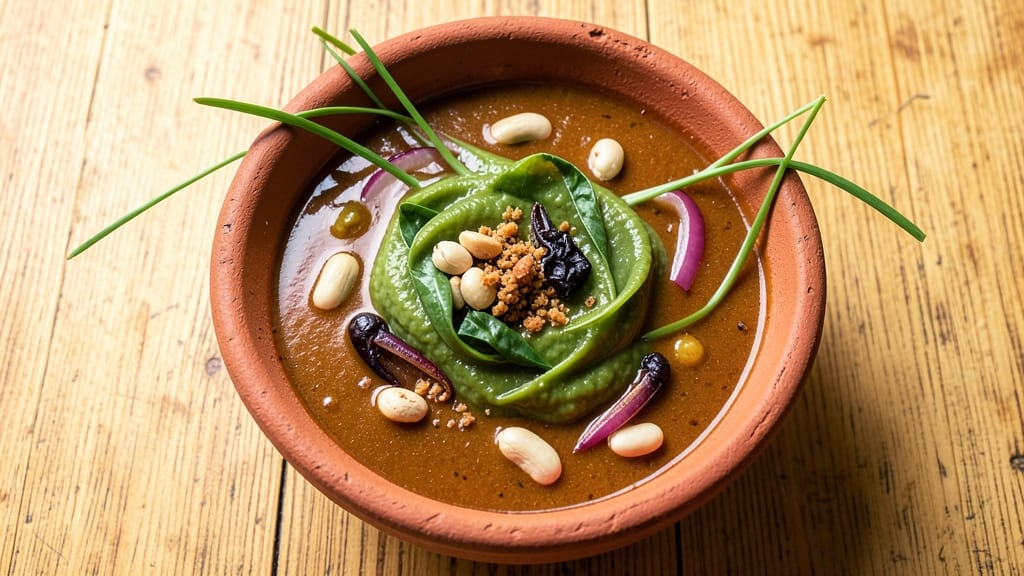
This Nigerian vegetable soup recipe brings together earthy leafy greens and rich peanut magic in one deeply flavorful pot. The secret lies in balancing traditional seasonings—crayfish, locust beans, and palm oil—with the nutty depth of peanuts, creating a soup that’s both comforting and complex.
I developed this version after years of perfecting the simmering technique to achieve that signature velvety texture without losing the vibrant green color of the vegetables.
The beauty of this recipe is its versatility—it works as a hearty vegetarian meal or can be enhanced with protein like fish or beans.
The process is straightforward but requires patience: blending the seasonings into a smooth paste, simmering the greens just until tender, and finishing with peanuts that add both creaminess and a satisfying crunch. Every bite delivers layers of flavor, from the smoky palm oil to the nutty peanut undertones.
What makes this soup truly special is how it transforms simple ingredients into something extraordinary. The leafy greens—whether ewedu, ugwu, or bitterleaf—retain their nutrients while absorbing the rich, aromatic broth.
Served with pounded yam, fufu, or even rice, this soup becomes a complete, satisfying meal that’s as nourishing as it is delicious. The aroma alone will have everyone gathering around the table.
Ready in about 45 minutes, this recipe delivers restaurant-quality results with minimal effort. The key is letting the flavors meld during the long simmer, so don’t rush it—patience is what turns this into a standout dish.
Whether you’re cooking for family or hosting a gathering, this Nigerian vegetable soup will leave a lasting impression.
Ingredients for nigerian vegetable soup
Earthy greens, nutty peanuts, and smoky palm oil create this rich, aromatic Nigerian vegetable soup.
| Ingredient | Amount | Notes |
|---|---|---|
| Fresh Ewedu or Ugwu Leaves 🌿 | 4 cups | Chopped, stems removed |
| Dried Locust Beans (Iru) 🌱 | ½ cup | Soaked overnight, blended |
| Red Palm Oil 🫒 | ¼ cup | High-quality, unrefined |
| Peanuts (Groundnuts) 🥜 | ½ cup | Raw, unsalted, roasted |
| Dried Crayfish 🦀 | ¼ cup | Shells removed, rinsed |
| Onions 🧅 | 1 whole | Medium, chopped |
| Garlic Cloves 🧄 | 6 cloves | Minced, fresh preferred |
| Ginger 🌶️ | 1 tbsp | Freshly grated, organic |
| Scottish Bonnet Peppers 🌶️ | 2 whole | Seeds removed, chopped |
| Tomato Paste 🍅 | 2 tbsp | High-quality, no additives |
| Vegetable Stock 💧 | 4 cups | Homemade or low-sodium |
| Thyme Leaves 🌿 | ½ tbsp | Fresh, chopped |
| Sea Salt 🧂 | 1 ½ tsp | Diamond Crystal preferred |
| Black Pepper 🌶️ | ½ tsp | Freshly ground |
| Coconut Milk 🥥 | ½ cup | Full-fat, chilled |
The leafy greens are the heart of this soup—ewedu or ugwu deliver that signature vibrant color and earthy flavor. African markets or specialty stores carry these fresh, but frozen works in a pinch. Locust beans (iru) must be soaked overnight to soften; never skip this step—they're the flavor backbone. For palm oil, Palm & Vine or Kiri brands deliver authentic smokiness. The crayfish should be dried, not canned—rinsed thoroughly to remove grit. Fresh ginger and garlic are non-negotiable here; organic varieties have more punch.
No locust beans? Substitute 1 tbsp of blended smoked paprika plus 1 tsp of soy sauce for depth. Fresh crayfish unavailable? Dried shrimp at half the amount works, but texture differs. The peanuts can be any variety—shelled or unshelled, but roasting enhances flavor. For the coconut milk, full-fat is essential—light versions won't give that creamy finish. The tomato paste? San Marzano is ideal, but any high-quality brand will do. Need to make it spicier? Add 1 tsp of Scotch bonnet powder to the blend. The vegetable stock should be homemade if possible—bouillon cubes lack the complexity.
This soup tastes even better the next day as flavors meld. Store in airtight containers for up to 5 days in the fridge. For freezing, portion into 2-cup servings—thaw overnight in the fridge. The greens will wilt slightly when reheated, but the broth remains rich. Double the batch if serving a crowd; the flavors intensify with more simmering time. Always finish with fresh herbs—thyme or basil—right before serving to brighten the dish. The palm oil's rich color will stain fabrics, so use dark-colored utensils for blending.
Why You'll Love This Recipe
- No Chopping Chaos: I swear by this soup—just wash the ewedu leaves, soak the locust beans overnight, and boom. The hardest part is remembering to stir the crayfish so they don’t burn. Honestly, my lazy Sundays thank me every time.
- Umami Bomb Combo: That red palm oil alone? Rich, earthy, deep—like a hug in a bowl. Then you add the crayfish and peanuts, and suddenly it’s this perfect balance of funky, salty, and nutty that makes you reach for seconds without thinking.
- Leftovers That Shine: This soup tastes better the next day. Between us, I’ve reheated portions for lunch all week, and no one ever complains. The locust beans soften just right, the leaves hold their texture, and the peanuts add that satisfying crunch even when cold.
- Budget Meal Magic: Dried crayfish and locust beans stretch this recipe into a full meal for less than $10. I’m not joking—you get protein, veggies, and that signature Nigerian soul in one pot. My wallet and my family’s stomachs are both happy.
Step-by-step instructions for Nigerian vegetable soup
Master this rich, flavorful soup with a perfect balance of earthy greens and nutty depth.
Prepare the Base Ingredients
Begin by soaking the 0.5 cup dried locust beans (iru) in water overnight. This ensures they soften completely and blend smoothly into the soup. Drain and rinse them thoroughly before blending with 4 cups chopped fresh ewedu or ugwu leaves until you achieve a smooth, vibrant puree. Set this aside—it forms the soul of your soup.
In a separate bowl, toast the 0.5 cup peanuts (groundnuts) in a dry skillet over medium heat for 3-4 minutes until fragrant and lightly golden. Immediately transfer them to a plate to cool, then grind into a coarse powder. This adds the signature nutty richness to the dish. Meanwhile, rinse the 0.25 cup dried crayfish to remove any grit, then set aside to rehydrate in warm water for 10 minutes—they'll expand and become plump.
Build the Flavor Foundation
Heat the 0.25 cup red palm oil in a large pot over medium heat. Add the 1 whole chopped onion and cook for 5 minutes until softened and translucent. Stir in the 6 cloves minced garlic, 1 tbsp freshly grated ginger, and 2 whole chopped Scottish bonnet peppers (seeds removed). Cook for another 3 minutes until the aromatics release their fragrance—this is where the soup's complexity begins.
Add the 2 tbsp tomato paste and stir vigorously to create a smooth paste. Cook for 2-3 minutes until it deepens in color to a rich, reddish-brown. This step develops the soup's umami depth and prevents a raw tomato taste. Be patient—rushing here will leave your soup flat.
Simmer the Soup to Perfection
Pour in the 4 cups vegetable stock and bring the mixture to a gentle boil. Gradually add the blended locust bean and leaf puree while stirring continuously to prevent curdling. Once fully incorporated, reduce heat to low and let the soup simmer uncovered for 20 minutes, stirring occasionally. This slow cook allows the flavors to meld and the greens to soften just enough to retain their vibrant color.
After 20 minutes, stir in the toasted peanut powder, rehydrated crayfish, 0.5 tbsp chopped thyme leaves, 1.5 tsp sea salt, and 0.5 tsp freshly ground black pepper. Taste and adjust seasoning—this is where you fine-tune the balance between earthy, nutty, and slightly spicy notes. The soup should be rich but not overly salty, with a subtle heat from the peppers.
Finish with Coconut Milk
Reduce heat to lowest setting and gently stir in the 0.5 cup chilled coconut milk. This final addition creates a luxurious, velvety texture that contrasts beautifully with the soup's robust flavors. Simmer for an additional 5 minutes, ensuring the coconut milk is fully incorporated and the soup reaches a gentle, consistent temperature.
Remove from heat and let the soup rest for 5 minutes before serving. This resting period allows the flavors to settle and the textures to harmonize. Serve immediately with jollof rice or swallow for the full experience. The soup should be thick enough to coat the back of a spoon but still fluid enough to sip easily—this balance is what makes it truly special.
Pro Tips For Making Nigerian Vegetable Soup
- BLANCH YOUR LEAF GREENS: Ewedu and ugwu leaves hold onto bitterness like a stubborn guest. Give them a quick 30-second blanch in boiling salted water before adding to the pot—this softens them and strips out that grassy sharpness. Rinse immediately in cold water to stop cooking, or they’ll turn to mush faster than you can say "locust beans."
- SOAK IRU THE RIGHT WAY: Dried locust beans (iru) need a 24-hour soak in warm water, not cold. I learned this after my first attempt left them rock-hard and flavorless. Use a bowl big enough to double the water volume—these things swell like they’re auditioning for a superhero movie. Drain and rinse twice before blending to cut the grit.
- CONTROL THE PEANUT BURN: Roast your groundnuts at medium heat, stirring every 30 seconds. High heat turns them bitter faster than you can say "red palm oil disaster." When they smell nutty and start browning, pull them immediately—overcooked peanuts make the soup taste like peanut butter left in a hot car.
- ADD CRAYFISH LAST, NOT FIRST: Tossing dried crayfish in at the start? You’re just making them work harder for less flavor. Save them for the final 10 minutes of simmering. This lets their umami bloom without turning the soup into a crayfish-infused broth. Pro move: Crush them roughly before adding—more surface area, more flavor.
Best sauces and condiments for nigerian vegetable soup
Peanut Butter Magic
Skip the ground peanuts and use ¼ cup smooth natural peanut butter (like Smucker's) for a quicker shortcut. Stir it into the simmering soup during the final 5 minutes of cooking. The result is just as creamy but with a smoother texture.
For extra richness, add 1 tbsp coconut cream along with it. This works especially well if you're short on time or don't have peanuts on hand. 🥜
Coconut Cream Boost
Swap the coconut milk for ½ cup coconut cream (like Goya) to make the soup even more decadent. The higher fat content creates a thicker, more luxurious consistency.
I recommend adding it in the last 5 minutes of cooking to maintain its velvety texture. This version feels like a dessert soup—perfect for special occasions. 🥥
Spicy Scotch Bonnet Infusion
For a fiery kick, blend 1-2 fresh Scotch bonnet peppers (seeds included) directly into the locust bean and leaf puree. This infuses the entire soup with heat rather than just relying on the whole peppers.
Adjust the quantity based on your spice tolerance—start with 1 pepper for mild heat and 2 for serious fire. The heat mellows slightly during simmering but remains present. 🌶️
Smoky Palm Oil Variations
Experiment with different palm oil types to alter the flavor profile. Unrefined red palm oil gives the classic smoky taste, while yellow palm oil (like Palm & Vine) offers a milder, slightly sweeter note.
For a deeper flavor, try ½ cup smoked paprika mixed into the oil before heating—this adds a BBQ-like depth that pairs beautifully with the peanuts. 🫒
Herbaceous Finishing Touches
Brighten the soup with fresh herbs at the very end. A handful of chopped cilantro or basil leaves adds a refreshing contrast to the richness.
For a more traditional touch, sprinkle ½ tsp dried shito (black shito pepper) on top—this adds a unique, slightly bitter heat that complements the peanuts perfectly. Always add herbs after removing from heat to preserve their vibrant color. 🌿
Umami Depth with Fish Sauce
For an extra layer of complexity, stir in 1 tsp fish sauce (like Red Boat) during the final 5 minutes of simmering. This enhances the savory notes without overpowering the natural flavors.
The fish sauce blends seamlessly with the crayfish and locust beans, creating a deeper, more satisfying broth. Use sparingly—just enough to taste. 💡
Nutrition facts
Frequently asked questions
What's the best leafy green for this Nigerian vegetable soup?
Traditional options include ewedu (jute leaves) for a slimy texture, ugwu (pumpkin leaves) for mild sweetness, or bitterleaf for a bold flavor. All work well, but ewedu gives that signature velvety mouthfeel. If you can't find these, spinach or collard greens make decent substitutes—just add them later in cooking to preserve color.
Can I make this soup without peanuts?
Yes! Swap the peanuts for ½ cup blended roasted pumpkin seeds or ¼ cup tahini for a nut-free version. The pumpkin seeds add earthy depth while tahini brings creamy richness. For extra protein, stir in cooked chickpeas during the final simmer. The texture will be slightly different but still delicious.
How can I make this soup spicier?
Add 1-2 chopped Scotch bonnet peppers directly to the blended locust bean paste for deep heat. For milder spice, blend ½ tsp Scotch bonnet powder into the tomato paste. Always taste as you go—heat builds during simmering. Pro tip: Remove seeds for less intensity, or keep them for serious fire.
What's the best way to store leftovers?
Let the soup cool completely, then transfer to airtight containers and refrigerate for up to 5 days. For freezing, portion into 2-cup servings and freeze for 3 months max. Thaw overnight in the fridge—never microwave directly. The flavors actually improve after resting 24 hours!
Why did my soup turn out too thin?
This usually happens when greens overcook or stock wasn't reduced enough. Next time, simmer uncovered for 5 extra minutes to thicken naturally. For instant fix: Stir in 1 tbsp cornstarch mixed with 2 tbsp water until bubbly. The peanuts also help bind—make sure they're toasted properly for best texture.