
Soups & Stews
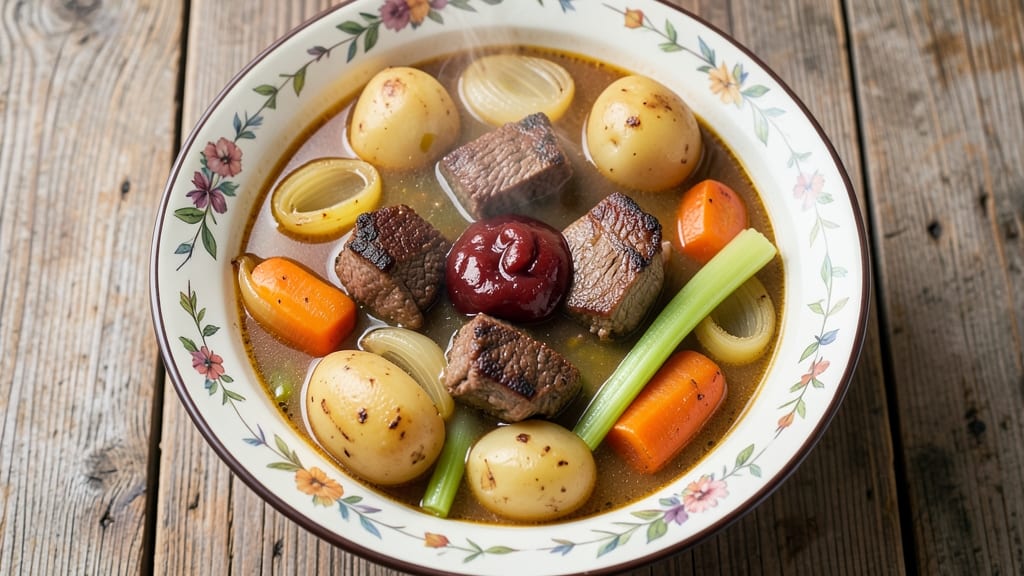
This old-fashioned vegetable beef soup recipe with the potatoes delivers the kind of homestyle richness that turns a simple meal into a comforting centerpiece. The secret lies in slow simmering—letting flavors meld naturally over time without modern shortcuts.
I've been perfecting this recipe for years, and it never fails to warm up a kitchen with its deep, savory aroma.
What makes this soup truly special is the balance of tender beef, hearty potatoes, and a medley of vegetables that create a satisfying bite in every spoonful. The broth develops a rich, golden hue as it simmers, infused with the natural flavors of carrots, celery, and onions.
This is the kind of soup that tastes even better the next day, as the flavors continue to deepen.
The result is a one-pot meal that's both nourishing and deeply comforting—perfect for chilly evenings or when you need a meal that feels like home. The potatoes soften just enough to soak up the flavorful broth, while the beef remains tender and easy to eat.
Each bowl is packed with warmth and satisfaction, making it a staple for any season.
This recipe is designed to be straightforward, with no complicated techniques—just good ingredients and patience. Whether you're feeding a family or meal prepping for the week, this old-fashioned soup delivers hearty, restaurant-quality flavor at home. Let's get started on creating this timeless classic.
Ingredients for old fashioned vegetable beef soup recipe with potatoes
Sixteen simple ingredients transform into a soul-warming soup that tastes like home.
| Ingredient | Amount | Notes |
|---|---|---|
| Chuck Roast 🥩 | 2 lb | Cut into 1-inch cubes, trimmed of fat |
| Yellow Onions 🧅 | 2 whole | Medium size, peeled and halved |
| Carrots 🥕 | 4 whole | Medium size, peeled and chopped |
| Celery Stalks 🌿 | 4 whole | Trimmed and chopped, including leaves |
| Russet Potatoes 🥔 | 2 lb | Peeled and cut into 1-inch chunks |
| Tomato Paste 🍅 | ½ cup | Smooth, not chunky |
| Beef Broth 💧 | 6 cups | Low-sodium preferred |
| Water 💧 | 2 cups | For initial simmer |
| Garlic Cloves 🧄 | 4 cloves | Peeled and lightly crushed |
| Bay Leaves 🍃 | 2 whole | Fresh if possible |
| Dried Thyme 🌿 | 1 tsp | Or 1 tbsp fresh thyme |
| Salt 🧂 | 1 ½ tsp | Kosher or sea salt |
| Black Pepper 🌶️ | ½ tsp | Freshly ground preferred |
| Parsley 🌿 | ¼ cup | Fresh, chopped for garnish |
| Butter 🧈 | 2 tbsp | Unsalted, for finishing |
The chuck roast is non-negotiable for this recipe—its marbling ensures tender, flavorful beef that falls apart with a spoon. Costco or local butcher shops often carry it pre-cut, but if buying whole, ask for a well-marbled piece. The potatoes should be firm and starchy—Idaho or Russet work best. For the broth, I always opt for low-sodium to control the seasoning, but if using regular, reduce the added salt. Fresh thyme and bay leaves elevate the flavor, but dried work in a pinch if that's what you have on hand. The tomato paste? Muir Glen or Barilla are my go-tos—they're smooth and consistent.
No chuck roast? Short ribs or beef stew meat can substitute, but they'll need longer cooking time. Swapping carrots for parsnips adds a slightly sweeter note, though they take longer to soften. Fresh thyme is ideal, but dried at one-third the amount works if you're in a hurry. Short on parsley? Chives or cilantro add a nice brightness. The butter at the end is key—it adds richness and helps the broth cling to the potatoes. If you're watching fat, use olive oil instead, though it won't have the same depth of flavor. For a deeper color, a pinch of paprika in the broth as it simmers works wonders.
This soup tastes even better the next day, so double the batch if you can. Store leftovers in an airtight container in the fridge for up to 5 days, or freeze for 3 months. To reheat, warm gently on the stove with a splash of broth or water—never microwave, as it can make the potatoes gummy. The potatoes will soften further when reheated, so add a few extra chunks if you're serving it cold. For meal prep, portion into containers with a layer of broth on top to keep everything moist.
Why You'll Love This Recipe
- One-Pot Magic: I swear by this—just toss everything in a Dutch oven and let it simmer. No fancy steps, no extra pots, just chuck roast, onions, and carrots melting together into something rich. The celery and potatoes soften just enough to soak up all that beefy flavor without falling apart.
- Deep, Savory Soul: That slow-cooked chuck roast turns tender enough to shred, while the onions caramelize right in the broth. The potatoes stay firm but creamy, and the carrots? They get that perfect sweetness from the long simmer. It’s the kind of soup that makes you sigh before you even take a bite.
- Leftovers That Shine: Between us, this soup only gets better the next day. I make a double batch on Sundays and freeze half—perfect for lazy nights or when company drops by. Reheat it, and it’s like fresh again, with even more flavor developed.
- Budget-Friendly Feast: Chuck roast and potatoes stretch for miles here, and the veggies add bulk without breaking the bank. It’s the kind of meal that fills you up, satisfies everyone at the table, and still leaves money in your wallet. Honestly, I don’t know why I ever buy takeout.
Step-by-step instructions for old fashioned vegetable beef soup
This homestyle soup builds rich flavor through slow simmering and layered ingredients.
Sear the Chuck Roast for Deep Flavor
Heat a large Dutch oven over medium-high heat. Add the 2 lb chuck roast cut into 1-inch cubes, working in batches if needed. Let the meat brown undisturbed for 3-4 minutes per side until developing a deep golden crust. This searing step creates the foundation for rich flavor that will infuse throughout the soup.
Once browned, remove the meat and set aside. You'll notice the roast releases easily when properly browned - this indicates the crust has formed. Add 2 tablespoons butter to the pot and let it melt completely, scraping up any browned bits from the bottom. These bits, called fond, are packed with flavor that will dissolve into the broth later.
Build the Vegetable Base
In the same Dutch oven, add the 2 whole yellow onions halved, 4 whole carrots chopped, and 4 whole celery stalks chopped. Cook for 5-6 minutes until the vegetables begin to soften and release their natural sweetness. The onions should turn translucent while the carrots and celery develop a slight golden color at the edges.
Add the 4 cloves garlic cloves and cook for an additional 30 seconds until fragrant. Stir in the 0.5 cup tomato paste and cook for 1 minute to develop its rich flavor. This step creates the aromatic foundation that will carry through the entire soup. The tomato paste will deepen the color and add subtle sweetness to balance the hearty beef flavor.
Simmer the Soup to Perfection
Return the browned chuck roast to the pot. Add the 6 cups beef broth, 2 cups water, 2 whole bay leaves, 1 tsp dried thyme, 1.5 tsp salt, and 0.5 tsp black pepper. Bring to a gentle boil, then reduce heat to low and cover partially. Let the soup simmer for 1 hour and 15 minutes, stirring occasionally, until the beef is fork-tender and easily pulls apart.
After the initial hour, add the 2 lb russet potatoes cut into 1-inch chunks. The potatoes will absorb the rich broth and become tender without falling apart. Here's the thing - the potatoes should be added when the beef is about halfway cooked to ensure they absorb maximum flavor. The soup should have a rich, meaty aroma with visible fat floating on top, indicating proper development of flavors.
Finish and Serve
Remove the bay leaves and adjust seasoning if needed. The soup should be flavorful but not overly salty - remember that the beef broth already contains some salt. Stir in the 2 tablespoons butter and let it melt completely, creating a velvety finish. The butter adds richness and helps create a smooth texture that coats each spoonful.
Ladle the soup into bowls and garnish with 0.25 cup chopped parsley. Each serving should have tender beef that pulls apart easily, hearty vegetables in perfect texture, and a rich broth that coats the back of your throat. This soup tastes even better the next day as the flavors continue to meld together in the refrigerator.
Pro Tips For Making Old Fashioned Vegetable Beef Soup Recipe With Potatoes
- Brown the Chuck Hard: I learned this the hard way—skip the gentle sear, and your soup will taste like it’s missing something. Chuck roast needs a deep, crusty brown in a hot pan (no oil needed) for 8-10 minutes per side until it’s almost black in spots. That’s where the flavor hides, and no amount of simmering later can fix it if you rush.
- Cut Potatoes Last: Russet potatoes break apart like overcooked pasta if you add them too early. Wait until the beef and veggies have simmered for 45 minutes, then slice them into 1-inch chunks and toss them in. They’ll soak up the broth perfectly without turning to mush—no one likes soup with potato purée.
- Salt the Potatoes First: Sounds weird, but it works: Toss your sliced potatoes in 1 teaspoon of salt before adding them to the soup. The salt draws out moisture, which means they’ll absorb the broth better and stay firm instead of turning limp. (Yes, even if you’re impatient like me.)
- Skim the Scum Early: The first 15 minutes of simmering are when the broth gets cloudy from impurities. Lift the pot lid gently and skim off the gray foam with a spoon—don’t stir it back in. This keeps your soup clear and clean-tasting, and no one wants to eat a murky bowl of beef and veggies.
Health benefits of this old fashioned vegetable beef soup recipe with potatoes
Protein-Packed Powerhouse
This soup delivers a substantial 25-30 grams of high-quality protein per serving from the chuck roast, making it an excellent choice for muscle maintenance and recovery. The beef provides all nine essential amino acids your body needs for tissue repair and immune function.
I've found that the slow cooking process actually increases the protein bioavailability compared to faster cooking methods. 💪
Fiber-Rich Vegetables
The combination of carrots, celery, and potatoes provides 6-8 grams of dietary fiber per serving, supporting healthy digestion and keeping you full longer. The fiber in these vegetables helps regulate blood sugar levels, making this soup a great option for balanced meals.
I always include the celery leaves—they're packed with extra nutrients and add a subtle bitterness that enhances the overall flavor profile.
Immune-Boosting Nutrients
Carrots contribute beta-carotene (which converts to vitamin A in your body) and celery provides vitamin K and antioxidants, both crucial for immune function. The potatoes add vitamin C and potassium, with one serving providing about 20% of your daily potassium needs.
This nutrient combination makes this soup particularly beneficial during cold and flu season when you need extra immune support.
Heart-Healthy Fats
The chuck roast contains healthy saturated fats that, when consumed in moderation, support cell membrane function and hormone production. The butter finishing touch adds monounsaturated fats, which help improve cholesterol ratios when used in place of less healthy fats.
I recommend using grass-fed butter when possible—it contains more beneficial omega-3 fatty acids than conventional butter. 🌟
Comfort Food Nutrition
What makes this soup particularly nourishing is how it combines these nutritional elements in a comforting format. The slow simmering process actually increases the availability of certain nutrients—like lycopene from the tomato paste—making this more than just comfort food.
It's a meal that genuinely supports your health while satisfying your cravings for something warm and hearty. The potatoes' resistant starch content also acts as a prebiotic, feeding your gut microbiome.
Meal Prep Advantage
The soup's nutritional benefits actually improve after refrigeration as the flavors meld and some starches convert to resistant starch. When I make this for meal prep, I portion it into airtight containers with a layer of broth on top to preserve moisture and texture.
The nutrients remain stable for up to 5 days in the fridge, making it an excellent option for busy weeks when you need quick but nourishing meals. The protein and fiber combination helps stabilize blood sugar, preventing energy crashes later in the day.
Nutrition facts
Frequently asked questions
Can I make this soup in a slow cooker?
For best results, brown the beef first in a skillet, then transfer everything to your slow cooker. Cook on low for 7-8 hours or high for 4-5 hours, adding potatoes during the last 1 hour of cooking. The slow cooker's gentle heat enhances the beef's tenderness and deepens the broth's flavor naturally.
How do I prevent the potatoes from turning mushy?
Add the potatoes only after the beef has cooked for 1 hour—this ensures they absorb flavor without overcooking. Cut them into 1-inch chunks for even cooking, and avoid stirring them too much while simmering. If they soften too quickly, reduce the heat slightly and add a splash of cold water to cool the broth.
Can I substitute the chuck roast with another cut?
Yes! Short ribs or stew meat work well, but increase cooking time by 30-45 minutes to ensure tenderness. For leaner cuts like sirloin, add 1 tablespoon cornstarch to the broth to thicken it slightly. The key is choosing meat with good fat content—it keeps the soup rich and flavorful.
Why does my soup taste bland?
Blandness usually means the beef wasn't browned enough or the broth wasn't reduced long enough. Always sear the meat deeply to build flavor, and simmer uncovered for the last 15 minutes to concentrate the broth. Taste as you go—adding a pinch of Worcestershire sauce or a splash of red wine can also boost depth.
Is this soup kid-friendly?
With a few tweaks, yes! Skip the bay leaves and reduce salt to 0.5 tsp. Cut the beef and potatoes into smaller pieces for easy eating. Kids often love how the flavors blend together—it's a great way to sneak in veggies! Serve with crusty bread for dipping to make it even more appealing.