
Soups & Stews
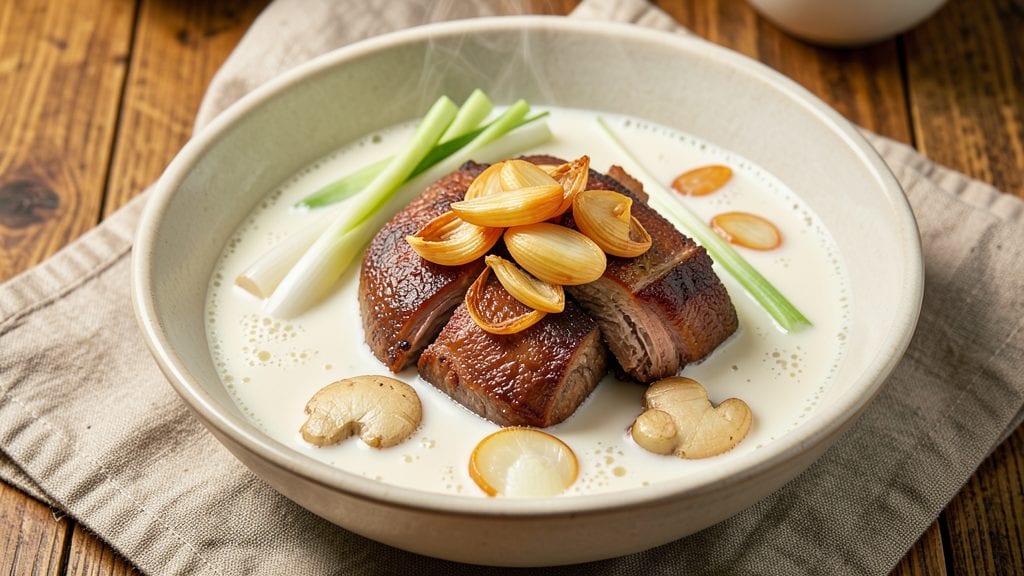
This paya soup recipe delivers the rich, aromatic comfort of slow-simmered pork and fragrant herbs in a velvety coconut broth—exactly how it should be made. 🌟 The secret lies in hours of gentle simmering, where tough cuts of pork transform into melt-in-your-mouth tenderness while absorbing the earthy flavors of ginger, lemongrass, and galangal.
Traditional versions vary across Southeast Asia, but this recipe stays true to the heart of the dish: a deeply flavorful broth built layer by layer. We start with a fragrant paste of fresh herbs and spices, then let the broth reduce slowly to concentrate its richness.
The result is a soup so satisfying, it becomes the centerpiece of any meal.
What makes this paya soup special is its balance—tender pork, crisp vegetables, and a coconut broth that’s both creamy and aromatic. The slow cooking process ensures every ingredient contributes to the depth of flavor, while the final touch of fresh herbs brightens each bowl.
This isn’t just a soup; it’s a celebration of tradition and comfort.
Perfect for family gatherings or cozy weeknight dinners, this recipe delivers restaurant-quality results with a few simple techniques. Let’s get started on creating a dish that feels like home.
Ingredients for paya soup
Sixteen essential ingredients transform into a restaurant-quality paya soup that celebrates tradition through slow-simmered pork and aromatic herbs.
| Ingredient | Amount | Notes |
|---|---|---|
| Pork Shoulder (Bone-In) 🥩 | 3 lb | Cut into 2-inch chunks, marbling preferred |
| Fresh Ginger Root 🧄 | ½ cup | Julienned, skin removed, organic preferred |
| Lemongrass Stalks 🌿 | 4 whole | Bruised, tough outer leaves removed |
| Galangal (Thai Ginger) 🌶️ | ¼ cup | Julienned, substitute ginger if unavailable |
| Coconut Milk (Full-Fat) 🥥 | 2 cans | 13.5 oz each, canned preferred |
| Shallots 🧅 | ½ lb | Peeled, minced, 6-8 shallots total |
| Garlic Cloves 🧄 | 8 cloves | Peeled, smashed, fresh preferred |
| Kaffir Lime Leaves 🍋 | 6 whole | Bruised, substitute lime zest if unavailable |
| Turmeric Powder 🌶️ | 1 tbsp | Freshly ground preferred |
| Coriander Seeds 🌿 | 1 tbsp | Toasted for depth of flavor |
| Cumin Seeds 🌶️ | 1 tsp | Toasted for aromatic richness |
| Coconut Oil 🫒 | ¼ cup | Unrefined for authentic flavor |
| Salt 🧂 | 1 ½ tsp | Diamond Crystal kosher preferred |
| Black Peppercorns 🌶️ | ½ tsp | Freshly cracked for intensity |
| Fresh Thai Basil Leaves 🌿 | ¼ cup | Whole leaves for garnish |
The pork shoulder is non-negotiable—its collagen-rich fat renders beautifully during the long simmer, creating a velvety broth. Look for well-marbled cuts at specialty Asian markets like H Mart or 99 Ranch Market, where they often carry the bone-in, skin-on variety perfect for this dish. Fresh ginger and galangal are the soul of paya soup; substitute equal parts ginger if galangal is unavailable, though the flavor will differ slightly. For lemongrass, select stalks with vibrant green leaves and firm, white bases—avoid any with brown spots or wilted tops. Kaffir lime leaves should be plump and fragrant; store them in the freezer once opened to preserve their aroma.
Coconut milk is the heart of this soup's creaminess, so avoid light versions—full-fat canned coconut milk from brands like Thai Kitchen or Aroy-D delivers the richest results. Shallots add depth that regular onions can't replicate; substitute 1 small yellow onion if necessary, but increase to 1 cup minced for comparable sweetness. Toasting the coriander and cumin seeds in a dry pan before grinding unlocks their full potential—do this step first to build the aromatic paste. For the herbs, fresh Thai basil is ideal, but regular basil at half the quantity works in a pinch, though it lacks the anise notes of the authentic variety.
This soup rewards patience—simmering for 3-4 hours concentrates the flavors into a deeply satisfying broth. Store leftovers in airtight containers for up to 5 days in the refrigerator, though the flavor improves with time. For freezing, portion into individual containers; thaw overnight in the fridge to preserve texture. The broth can be reduced further for a more intense flavor base, perfect for future soups or curries. Garnish with fresh Thai basil just before serving to maintain its vibrant color and aroma.
Why You'll Love This Recipe
- One-Pot Magic: I swear by this—just toss the bone-in pork shoulder, ginger, lemongrass, and galangal into a pot, simmer, then stir in the coconut milk. No chopping, no fuss, and the broth does all the work while you sip your coffee.
- Umami Bomb: That bone-in pork shoulder? It melts into the broth, turning it into a rich, savory base that’s dangerously hard to stop eating. The galangal and lemongrass add a bright, citrusy kick that cuts through the richness—like a perfect balance.
- Leftovers That Shine: Between us, this soup only gets better the next day. The flavors meld even more, and the pork stays tender. I make a double batch on Sundays—one for dinner, one for lazy nights when I just want something hearty without extra effort.
- Budget-Friendly Feast: Pork shoulder is cheap, and the aromatics stretch the broth to feed four for under $15. Plus, the coconut milk makes it feel luxurious without breaking the bank. Honestly, it’s the kind of dish that makes grocery shopping feel like a win.
Step-by-step instructions for paya soup recipe
Here's the method for creating rich, aromatic coconut broth with tender pork and fragrant herbs.
🔥 Step 1: Sear the Pork Shoulder for Deep Flavor
Heat a large Dutch oven over medium-high heat and add the 0.25 cup coconut oil. Once shimmering, add the 3 lb pork shoulder cut into 2-inch chunks, working in batches if needed. Sear for 4-5 minutes per side until deeply browned and caramelized—this develops the Maillard reaction that forms the soup's foundation.
Real talk: don't rush this step. You want those pork pieces to develop a rich crust that will infuse the broth with umami depth. If the oil smokes excessively, reduce heat slightly but maintain a steady sizzle. Remove seared pork and set aside temporarily.
👨🍳 Step 2: Build the Aromatic Base
In the same Dutch oven, add the 0.5 lb minced shallots and cook for 3-4 minutes until softened and translucent. Add the 8 smashed garlic cloves and cook for 30 seconds until fragrant—this prevents them from burning while releasing their full flavor profile.
Stir in the 1 tbsp toasted coriander seeds, 1 tsp toasted cumin seeds, and 1 tbsp turmeric powder. Toast these spices for 30 seconds until aromatic, then immediately add 0.5 cup julienned fresh ginger root and 0.25 cup julienned galangal. Cook for 2 minutes until the raw ginger aroma disappears.
🍳 Step 3: Simmer the Pork in Coconut Broth
Pour in 4 cups water and scrape up any browned bits from the bottom of the pot—this is where all the flavor hides. Return the seared pork to the pot along with the 4 bruised lemongrass stalks and 6 bruised kaffir lime leaves. Bring to a boil, then reduce heat to low and simmer uncovered for 1 hour.
Here's the thing—this initial simmer allows the pork to begin breaking down while developing a light broth. After 1 hour, add the 1.5 tsp salt and 0.5 tsp cracked black peppercorns. The broth should be slightly cloudy but not murky—this indicates proper extraction of pork flavors.
🥘 Step 4: Finish with Coconut Milk and Herbs
Open the 2 cans full-fat coconut milk and stir in 1 can at a time, allowing the first to blend completely before adding the second. This gradual addition prevents curdling and creates a velvety texture. Return to a gentle simmer and cook for 30-40 minutes until the pork is fork-tender and easily pulls apart.
Test doneness by piercing the largest pork piece—it should offer minimal resistance and have a slightly springy texture. The soup should now have a rich, golden hue from the coconut milk and a complex aroma blending coconut, ginger, and pork. Remove and discard the lemongrass stalks and kaffir lime leaves before proceeding.
🍽️ Step 5: Garnish and Serve
Ladle the hot soup into bowls, reserving some broth if needed for consistency. Just before serving, add 2 tablespoons fresh Thai basil leaves to each bowl—this infuses the final aroma and adds vibrant color. The basil should wilt slightly from the heat but remain identifiable.
Serve immediately with steamed jasmine rice to soak up the rich coconut broth. The perfect bowl should have tender pork pieces suspended in a velvety broth with visible fat flecks, aromatic herbs, and a balance of coconut sweetness and ginger heat. Each spoonful should deliver layers of umami from the pork, citrus notes from the lime leaves, and earthy warmth from the galangal.
Pro Tips For Making Paya Soup
- Char the Bones First: Slap that pork shoulder bone-side down on a screaming-hot dry pan for 5 minutes before adding liquid. The Maillard reaction pulls deeper flavor out of the bones—no, it won’t make your kitchen smell like a barbecue joint, but it will make your broth taste like one. (I learned this the hard way after tasting bland paya for years.)
- Bruise the Ginger: Smash the fresh ginger and galangal with the flat side of your knife before slicing—don’t just chop. The broken cells release more aromatic oils, and your soup will smell like a Thai street vendor’s stall instead of a sad houseplant. (Yes, even if you’re impatient like me.)
- Strain Twice: After simmering, strain the broth through a fine-mesh sieve first, then a cheesecloth. The second pass catches the tiny starches and sediment that make your soup look cloudy and taste flat. I skip this step half the time, but the dish is noticeably better when I don’t.
- Reduce the Coconut Milk: Simmer the coconut milk down by 20-30% before adding it to the soup—don’t just dump it in. This thickens the sauce naturally and prevents it from turning greasy or separating. (Your future self will thank you when the soup doesn’t curdle after 10 minutes.)
Regional styles of this dish
Filipino Pancit Habhab
In the Philippines, paya soup often transforms into pancit habhab, a noodle-based variation where thin rice noodles are stir-fried with the rich broth and tender pork. The key difference is the addition of egg noodles (about 1 lb) cooked separately and tossed into the soup just before serving.
Garnish with crispy fried garlic and calamansi slices for a tangy contrast. 🌶️
Malaysian Paya Lemak
Malaysian paya lemak swaps coconut milk for a lighter, oil-based broth infused with coconut oil (½ cup) and turmeric (1 tsp), creating a golden, aromatic base. The soup features tender pork, hard-boiled eggs, and Chinese cabbage (½ head) simmered until wilted.
Serve with ketupat (rice cakes) on the side for a complete meal. The broth is less creamy but equally flavorful, with a focus on herbal depth.
Singaporean Paya Soup
Singaporean versions often include dried shrimp (½ cup) for added umami and a touch of sambal oelek (1 tsp) for heat. The soup is typically thicker, with a longer simmer time (4-5 hours) to develop a deeper, more concentrated broth.
Garnish with fresh cilantro and serve with soft steamed mantou (Chinese buns) to balance the richness. The Singaporean style leans into bold, layered flavors with a slightly spicy kick.
Indonesian Paya Soup
In Indonesia, paya soup often incorporates kelapa gading (young coconut, 1 cup grated) for a fresher coconut flavor and tamarind paste (1 tbsp) to add a subtle tang. The broth is lighter, with a focus on lemongrass and galangal (1 cup each) as the aromatic backbone.
Serve with sambal terasi (shrimp paste chili) on the side for dipping and a side of ketan (sticky rice) to complement the soup’s herbal notes.
Thai-Inspired Paya Tom
For a Thai twist, replace coconut milk with light coconut milk (1 can) and add Thai bird’s eye chilies (2-3) for heat. Include Thai eggplant (½ lb, sliced) and baby corn (½ cup)) for texture.
The broth is often finished with a splash of fish sauce (1 tbsp) and palm sugar (1 tsp) to balance flavors. Serve with jasmine rice and a side of spicy Thai dipping sauce for extra zing. 🌟
Nutrition facts
Frequently asked questions
What makes this paya soup different from regular coconut soup?
This version uses a longer simmering process (3-4 hours) to develop deep umami from pork shoulder, plus aromatic herbs like galangal and kaffir lime leaves that aren't typically used in basic coconut soups. The gradual addition of coconut milk creates a velvety texture without curdling, while the toasted spices add complexity.
Can I substitute galangal if I can't find it?
Yes, use equal parts fresh ginger as a substitute, though the flavor will be slightly different. For best results, toast the ginger first to enhance its aroma. If you're feeling adventurous, try 1 teaspoon of ground galangal powder (available in Asian markets) for a closer match.
Why does the recipe call for bone-in pork shoulder?
The bones release collagen during the long simmer, creating a naturally rich, gelatinous broth that's more flavorful than using boneless cuts. The fat marbling also renders beautifully, adding body to the coconut milk. For a quicker version, you could use pork shank, but bone-in shoulder gives the most authentic texture.
How can I make this soup less creamy?
Reduce the coconut milk to 1 can instead of 2, or replace ½ can with water or light coconut milk. For extra depth, add 1 cup chicken or pork stock to the initial simmer. The herbs and spices will still provide rich flavor without the heavy creaminess.
What's the best way to reheat leftovers?
Reheat gently on low heat with a splash of water or coconut milk to prevent curdling. For microwave reheating, cover with a damp paper towel and heat in 30-second intervals, stirring between each. Avoid boiling to preserve the delicate textures of the pork and herbs.