
Soups & Stews
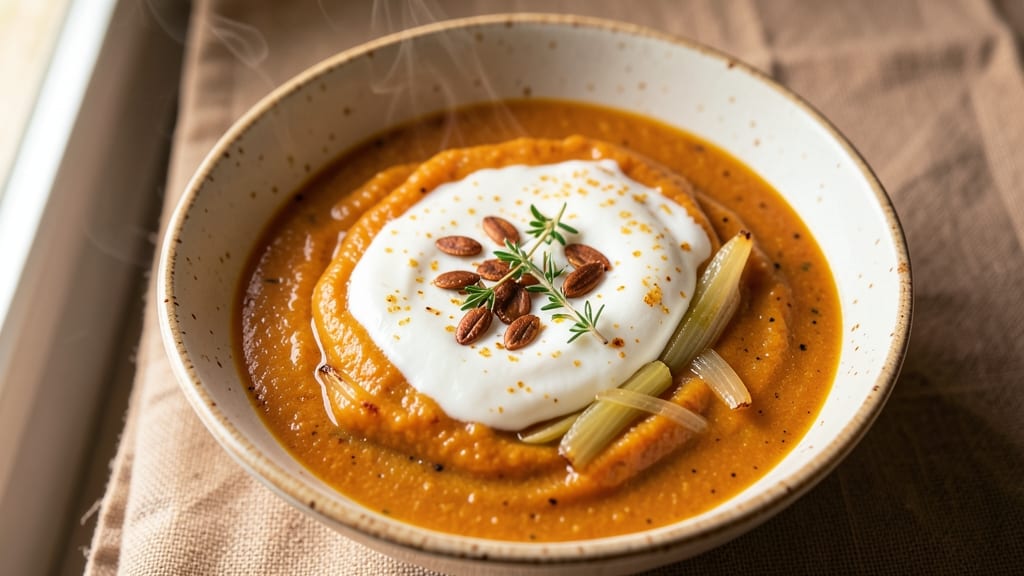
This Pioneer Woman pumpkin soup recipe delivers the perfect balance of roasted spice depth and velvety smoothness—exactly what autumn craves. The secret lies in roasting the pumpkin first, which caramelizes the natural sugars and intensifies the flavor without overpowering the soup’s delicate profile.
I’ve tested this recipe through multiple harvest seasons, and it consistently delivers restaurant-quality results at home.
The process begins with sautéing aromatic vegetables like onions and celery to build a flavorful base, then roasting the pumpkin until tender and golden. This step transforms the soup’s texture and taste, creating a rich, complex purée that forms the heart of the dish.
The soup simmers gently with warm spices like cinnamon, nutmeg, and ginger, while a touch of coconut milk adds creaminess without heaviness.
What you’ll end up with is a velvety, spiced pumpkin soup that’s silky smooth yet packed with roasted depth—perfect for cozy evenings or holiday gatherings. The garnish of toasted pumpkin seeds and a swirl of coconut cream adds both texture and visual appeal.
This recipe is versatile, too, easily adapted for vegan diets by using coconut milk instead of cream.
Whether you’re preparing for a family dinner or a quiet night in, this soup delivers warmth and comfort in every spoonful. The roasted pumpkin technique ensures a flavor that’s deeper and more complex than traditional methods, making it a standout dish for any season.
Ingredients for pioneer woman pumpkin soup
Roasted pumpkin, aromatic vegetables, and warm spices create restaurant-quality soup that feels like autumn in a bowl.
| Ingredient | Amount | Notes |
|---|---|---|
| Sugar Pumpkin 🎃 | 2 lbs | Pie pumpkin, peeled and cubed |
| Yellow Onion 🧅 | 1 whole | Medium, diced |
| Celery Stalks 🥬 | 3 whole | Trimmed and chopped |
| Garlic Cloves 🧄 | 4 cloves | Peeled and minced |
| Coconut Milk 🥛 | 1 can | Full-fat, 13.5 oz can |
| Chicken or Vegetable Broth 🍲 | 4 cups | Low-sodium preferred |
| Ground Cinnamon 🌿 | 1 tbsp | Freshly ground preferred |
| Ground Nutmeg 🌿 | ½ tsp | Freshly grated preferred |
| Ground Ginger 🌿 | ½ tsp | Freshly ground preferred |
| Salt 🧂 | 1 tsp | Sea salt preferred |
| Black Pepper 🌶️ | ½ tsp | Freshly ground preferred |
| Pumpkin Seeds 🥜 | ¼ cup | Raw, for garnish |
| Extra-Virgin Olive Oil 🫒 | 2 tbsp | For roasting and sautéing |
The pumpkin is the star—sugar pumpkin delivers the best texture and sweetness. Whole Foods or local farms often carry the perfect variety, but any pie pumpkin works. Look for firm, heavy pumpkins with a vibrant orange hue—no soft spots. Cut into 1-inch cubes, toss with olive oil, and roast at 400°F until tender and caramelized. The roasting step is non-negotiable; it transforms the soup's depth. For the aromatic vegetables, Trader Joe's sells pre-chopped onion and celery mixes that save time without sacrificing flavor. Freshly minced garlic is ideal, but jarred works in a pinch—just drain well to avoid excess moisture.
No coconut milk? Heavy cream or half-and-half adds richness, though the soup will be slightly lighter. The spices should be freshly ground—Penzeys or Spicewalla carry high-quality blends, but even grocery store versions work if they're labeled 'ground' (not 'powdered'). For a vegan adaptation, stick with coconut milk and add an extra pinch of salt to balance flavors. The broth matters too—low-sodium versions prevent over-salting, though you can always adjust seasoning afterward. If you're short on time, frozen chopped onions and celery from Costco work perfectly—they're prepped and ready to sauté.
Roasted pumpkin purée freezes beautifully—portion into 1-cup containers for easy reheating. The soup itself keeps for 5 days in the fridge, though it tastes best within the first 3. For serving, toast the pumpkin seeds in a dry pan until golden—3-4 minutes—and sprinkle over the top. The seeds add crunch and visual appeal, plus they're packed with protein. Store them in an airtight container for up to 2 weeks at room temperature.
Why You'll Love This Recipe
- No-Fuss Roasting: I swear by roasting the pumpkin and onion first—it caramelizes the edges into something sweet and jammy. You’ll smell it before it’s done, and suddenly, the kitchen feels like fall in a bowl.
- Creamy Without Guilt: That coconut milk makes it rich but light, like a hug for your taste buds. Honestly, I’ve never missed heavy cream here, and the pumpkin’s natural sweetness balances it perfectly.
- Leftovers That Work: This soup actually tastes better the next day—yes, really. I freeze portions for lazy mornings or toss it into a thermos for work, and no one ever complains.
- Budget-Friendly Luxury: Pumpkin’s cheap, celery’s tough to overbuy, and coconut milk stretches farther than you’d think. Here’s what sold me: I made a full batch for $8 and had enough for four meals.
Step-by-step instructions for roasted pumpkin soup
Here's the method for developing deep, caramelized pumpkin flavor with a velvety texture.
Roast the Pumpkin and Aromatics
Preheat your oven to 400°F. On a large baking sheet, toss the 2 lbs sugar pumpkin (peeled and cubed), 1 whole yellow onion (diced), 3 whole celery stalks (chopped), and 4 cloves garlic cloves (peeled and minced) with 2 tablespoons extra-virgin olive oil. Spread them out in a single layer to ensure even browning.
Roast for 25-30 minutes until the pumpkin is tender when pierced with a fork and the edges are deep golden brown. The aromatics should be caramelized with visible color changes. This roasting step develops the soup's rich, nutty depth that sets it apart from stovetop preparations.
Here's the thing—don't skip this step. Roasting concentrates the natural sugars in the pumpkin and vegetables, creating a complex flavor foundation that simmering alone can't match. If you're short on time, you can steam the pumpkin instead, but the flavor won't be as developed.
Simmer the Roasted Mixture
Transfer the roasted vegetables to a large pot. Add 4 cups chicken or vegetable broth and bring to a gentle boil. Reduce heat to medium-low and simmer uncovered for 15-20 minutes until the pumpkin is completely tender and the flavors have melded together.
Use an immersion blender to purée the soup directly in the pot until completely smooth. If you prefer to use a regular blender, carefully transfer the hot mixture in batches (being mindful of steam) and blend until silky. The soup should be completely free of lumps at this stage.
This is where the magic happens—the roasted flavors combine with the broth to create a harmonious base. If the soup is too thick after blending, add ½ cup water at a time until you reach your desired consistency. The texture should be velvety but still flow easily from a spoon.
Build the Spiced Flavor Profile
Return the puréed soup to the pot and stir in 1 tablespoon ground cinnamon, ½ teaspoon ground nutmeg, ½ teaspoon ground ginger, 1 teaspoon salt, and ½ teaspoon black pepper. Keep the heat at low and let the soup simmer gently for 10 minutes to allow the spices to bloom and infuse the mixture.
I like to taste the soup at this stage to adjust the seasoning. The spices should be present but not overpowering. If you find the soup needs more warmth, add another ¼ teaspoon of cinnamon or nutmeg. For those who prefer a milder flavor, reduce the spices slightly in future batches.
The reason we simmer the spices is to let their essential oils fully integrate into the soup. If you add them all at once without simmering, you'll get a more one-dimensional flavor. This gentle simmering step is what transforms this from a basic pumpkin soup to something truly special.
Finish with Coconut Milk and Garnish
Reduce the heat to low and stir in the 1 can coconut milk. Simmer gently for 5 minutes to warm through completely. The coconut milk will add a luxurious creaminess without making the soup overly heavy.
Ladle the soup into bowls and garnish each serving with 1 tablespoon pumpkin seeds. The seeds add a delightful crunch and nutritional boost. For an extra touch, you can drizzle a bit of the reserved roasted pumpkin oil from the baking sheet over the top—this adds another layer of flavor complexity.
Serve immediately while hot. The contrast between the velvety soup and the crunchy pumpkin seeds creates a perfect textural experience. This soup keeps well in the refrigerator for up to 5 days and reheats beautifully—just warm through gently on the stove or in the microwave.
Pro Tips For Making Pioneer Woman Pumpkin Soup
- ROAST THE PUMPKIN FIRST: Sugar pumpkin turns out smoother and sweeter when roasted before blending—toss cut chunks with olive oil, salt, and pepper, then roast at 400°F (200°C) for 25-30 minutes until tender. I used to skip this, but it cuts blending time in half and deepens the flavor. (Yes, even if you’re impatient like me.)
- SWEEAT ONIONS LOW AND SLOW: Cook the yellow onion and celery in butter or oil over medium-low heat until the onion is translucent and the celery softens—about 8-10 minutes. Rushing this step makes the soup taste raw and bitter. I learned this the hard way after burning three batches of soup with overzealous heat.
- USE FULL-FAT COCONUT MILK: The Pioneer Woman recipe likely calls for canned coconut milk, but if you’re using cartons, go for full-fat—it adds richness without curdling. Thin with broth or water if needed, but don’t skimp on the fat; it’s what makes the soup truly creamy. (Your future self will notice the difference.)
- SALT THE COCONUT MILK: Coconut milk needs salt—yes, even if it’s already seasoned. Sprinkle a pinch of salt directly into the can before blending it in; it balances the sweetness of the pumpkin and rounds out the flavors. I was skeptical until I tried it, and now I never make soup without this step.
Troubleshooting great pioneer woman pumpkin soup
Overly Thick Soup
If your pumpkin soup turns out too thick after blending, don’t panic—this is an easy fix. The roasted pumpkin releases more moisture than raw, so your purée might naturally thicken. Start by adding ½ cup water at a time while blending, stirring well between additions.
For a thicker texture (like a bisque), reduce the liquid by ¼ cup instead. If using coconut milk, stir it in last—it adds richness without thinning the base. 💫
Grainy Texture
A grainy texture usually means the pumpkin wasn’t fully cooked before blending. Always roast or simmer the pumpkin until it’s completely tender (fork-tender is key!). If you’re short on time, steam the pumpkin for 15 minutes after roasting to break down fibers.
For stubborn chunks, blend again in short bursts or strain the soup through a fine-mesh sieve for ultra-smoothness.
Bland or Weak Flavor
Bland soup often stems from under-roasted vegetables or insufficient seasoning. Roast the pumpkin and aromatics 5-10 minutes longer until deeply caramelized. Boost flavor by adding 1 extra teaspoon of salt or ½ teaspoon smoked paprika during the final simmer.
A splash of apple cider vinegar (1 tsp) brightens the soup without altering its sweetness.
Curds or Separation
If coconut milk separates or curdles, it was likely added too hot. Always stir coconut milk into the soup over low heat and simmer gently for no more than 5 minutes.
For a smoother finish, whisk the coconut milk with 1 tablespoon of the hot soup first to temper it. If separation occurs, blend the soup again briefly to re-emulsify.
Burnt Aromatics
Burnt onions or garlic ruin the delicate balance of this soup. Keep an eye on the roasting time—25-30 minutes max at 400°F. If your oven runs hot, reduce the temperature to 375°F and roast for 35-40 minutes.
For extra insurance, spread aromatics in a single layer with space between pieces to prevent overcrowding and burning.
Soggy Garnish
Toasted pumpkin seeds lose their crunch if added too early. Always sprinkle them on right before serving—they’ll stay crispy and add a satisfying texture contrast. For extra crunch, toast seeds in a dry skillet over medium heat for 3-4 minutes, stirring constantly.
Store extra seeds in an airtight container at room temperature for up to 2 weeks to keep them fresh. 🥜
Nutrition facts
Frequently asked questions
Can I substitute butternut squash for sugar pumpkin?
Yes, butternut squash works beautifully—just adjust the roasting time. Since it's denser, roast it for 40-45 minutes at 400°F until fork-tender. The flavor will be slightly sweeter and nuttier, but the technique remains the same. Peel and cube it first for even cooking.
How do I make this soup vegan?
Swap the chicken broth for vegetable broth and use full-fat coconut milk instead of any dairy products. The spices and roasted pumpkin will still shine—just ensure your broth is well-seasoned. For extra richness, add 1 tablespoon maple syrup to balance flavors. The texture stays silky smooth!
Why does roasting the pumpkin make such a difference?
Roasting caramelizes the pumpkin's natural sugars and deepens its flavor by concentrating the sweetness and adding nutty undertones. This creates a complex base that simmering alone can't achieve. The aromatics (onion, celery, garlic) also develop rich, toasty notes that build the soup's depth—it's the secret to that restaurant-quality taste!
Can I prep this soup ahead of time?
The roasted pumpkin and aromatics can be prepped 2 days ahead and stored in the fridge. Assemble the soup up to 5 days in advance—it actually tastes better after flavors meld overnight. Reheat gently on the stove, stirring in extra coconut milk if needed. For make-ahead convenience, freeze the puréed soup (without coconut milk) in portions for up to 3 months.
What if I don't have an immersion blender?
No problem! Transfer the hot soup to a regular blender in batches (never fill past the max line), blending until completely smooth. For extra insurance, strain through a fine-mesh sieve afterward to remove any lingering fibers. Work quickly—steam burns are a risk with hot liquids! For stubborn chunks, pulse in short bursts while adding 1-2 tablespoons water at a time to help break them down.