
Appetizers
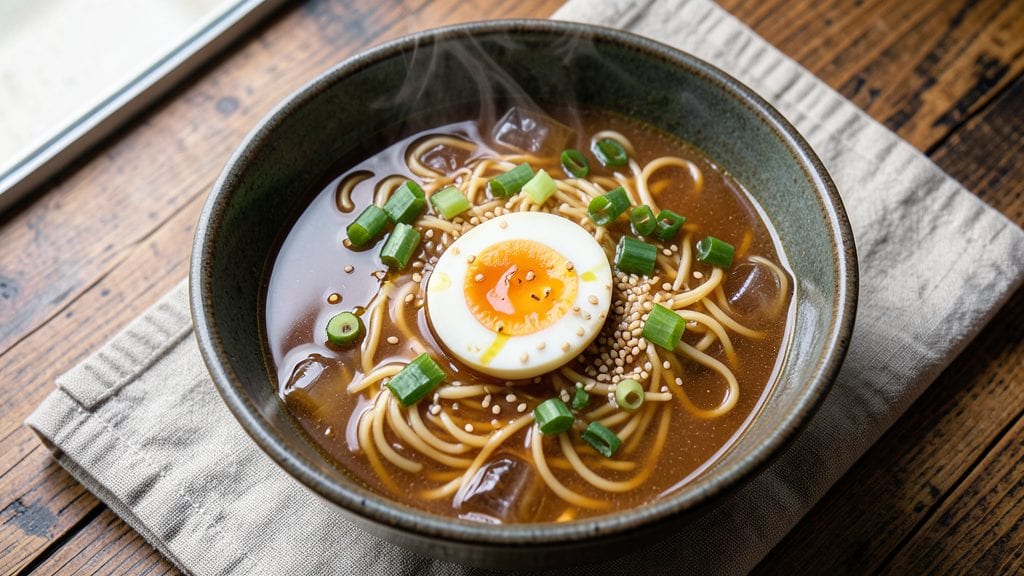
Mastering the art of ramen soft-boiled eggs transforms a simple bowl into an experience—creamy, runny yolks cutting through rich broth with every bite. The secret lies in precise timing and technique, ensuring that egg stays silky while the broth remains perfectly balanced.
I’ve perfected this method after years of trial and error, and it never fails to impress.
This recipe covers everything from preparing the broth (whether traditional or modern) to achieving the ideal soft-boiled egg—firm white with a liquid yolk that pools like gold when cracked.
The key is cooking the egg just right: 6 minutes for a runny center, then chilling immediately to stop the cooking process. Pair it with chewy noodles, crispy toppings, and fresh garnishes for a bowl that’s both comforting and restaurant-worthy.
What you’ll end up with is a restaurant-quality ramen where every spoonful delivers that perfect contrast—silky egg yolk, tender noodles, and flavorful broth. The egg can be dipped into the broth for extra richness or placed on top for a dramatic presentation.
This method works for any ramen style, from miso to shoyu, and elevates it to new heights.
Ready to create a bowl that feels like a little slice of Japan? Let’s break down the steps—from broth to egg—to make this dish your new go-to recipe. The results are worth every minute of effort.
Ingredients for ramen soft boiled egg
Four fresh eggs and a few key ingredients transform ramen into a luxurious experience.
| Ingredient | Amount | Notes |
|---|---|---|
| Large Eggs 🥚 | 4 whole | Fresh, room temperature preferred |
| White Vinegar 💧 | 1 tbsp | For egg preparation |
| Ice Cubes ❄️ | 4 cups | For immediate chilling |
| Ramen Broth 🍜 | 4 cups | Homemade or quality store-bought |
| Sesame Oil 🫒 | 1 tbsp | For finishing |
| Green Onions 🧅 | 3 whole | Thinly sliced, for garnish |
| Toasted Sesame Seeds 🌾 | 1 tbsp | For garnish |
| Kosher Salt 🧂 | 1 tsp | For egg water |
| White Pepper 🌶️ | ¼ tsp | Freshly ground, optional |
| Ramen Noodles 🍜 | 2 packages | 4 oz each, chewy variety |
| Chicken Bouillon Cube 🍗 | 1 whole | For homemade broth base |
| Dried Shiitake Mushrooms 🍄 | 4 whole | For broth depth |
The eggs are the star—freshness matters most. Grab them from the back of the fridge, not the front. Kroger or Whole Foods typically carry the best quality, but any store with a refrigerated case will do. Look for eggs with vibrant whites and bright yolks—avoid those with any cloudiness. The vinegar and ice are non-negotiable for stopping the cooking process immediately. For the broth, homemade is ideal, but Nissin or Maruchan store-bought options work in a pinch. If making broth from scratch, dried shiitake mushrooms add an umami depth that’s hard to beat—soak them first for 20 minutes.
No vinegar? Lemon juice at the same amount works just as well. Short on sesame oil? Toasted peanut oil gives a similar nutty finish. The green onions can be swapped for bok choy or scallions—whatever you have on hand. For the broth, skip the bouillon cube if you’re using store-bought—just add water and season to taste. If you’re making your own, toast the dried mushrooms lightly in a dry pan before soaking for extra flavor. The noodles? Any chewy ramen brand will do—just avoid the pre-boiled kind if you want that authentic texture.
Eggs should be used within 3 days of purchase for best results. Store them in their carton in the fridge. The broth can be made ahead and kept in the fridge for up to 5 days or frozen for 3 months. For the garnishes, toast the sesame seeds in a dry pan over medium heat for 2 minutes—they’ll darken slightly and smell amazing. The eggs themselves keep best in the fridge for 2 days after boiling, but they’re best enjoyed fresh. Divide the garnishes into small containers for easy access when assembling bowls.
Why You'll Love This Recipe
- No-Fuss Technique: I swear by the vinegar trick—just crack those eggs into ice water with a splash of white vinegar, and you get that perfect runny yolk every time. No fancy gadgets, no guesswork, just foolproof science.
- Umami Bomb: That ramen broth isn’t just for the noodles—it turns the egg into a flavor powerhouse. Rich, salty, and slightly savory, with a hit of sesame oil that makes each bite taste like a little ramen hug.
- Weeknight Magic: Between us, this is my secret weapon for lazy nights. Boil the eggs while the broth simmers, and dinner’s ready in 15 minutes. Even my pickiest roommate stops complaining when this hits the table.
- Budget Win: Eggs, ramen, vinegar—this recipe costs next to nothing but delivers big-time satisfaction. Plus, the leftovers? Just as good cold the next day, packed in a lunchbox or thrown into a quick stir-fry.
Step-by-step instructions for perfect ramen soft-boiled eggs
Master this technique and you'll achieve restaurant-quality eggs with silky yolks every time.
Prepare the Egg Water Bath
Combine the 4 cups of ramen broth with the 1 whole chicken bouillon cube in a medium saucepan. Bring to a gentle simmer over medium heat until the bouillon fully dissolves. This creates a flavorful base that enhances the eggs without overpowering them.
Add the 4 whole dried shiitake mushrooms to the simmering broth. Let them steep for 10 minutes to infuse their umami depth into the liquid. Remove and discard the mushrooms after steeping - they've done their job. The broth should now have a rich, savory aroma that will carry through to the eggs.
Add the 1 tablespoon of white vinegar to the broth. This subtle acidity helps the egg whites coagulate more evenly, preventing that rubbery texture around the yolk. Stir gently to distribute the vinegar completely before proceeding to the next step.
Soft-Boil the Eggs
Bring a separate pot of water to a rolling boil. While waiting, prepare an ice bath by filling a large bowl with the 4 cups of ice cubes. This chilling step is crucial for stopping the cooking process instantly when the eggs are done.
Using a slotted spoon, carefully lower the 4 whole large eggs into the boiling water. Cook for exactly 6 minutes and 30 seconds from the moment the water returns to a full boil. This precise timing gives you that perfect runny yolk with just a hint of setness around the edges.
Here's the thing - don't peek during cooking. The moment you lift the lid, you disrupt the even heat distribution. Set a timer and resist the temptation to check early. When the time is up, immediately transfer the eggs to the ice bath using the slotted spoon. Let them chill for 2 minutes to fully set the whites while keeping the yolks perfectly runny.
Prepare the Ramen Base
While the eggs are cooling, cook the 2 packages of ramen noodles according to package instructions until al dente. Drain and rinse briefly with cold water to stop the cooking process. This prevents the noodles from becoming mushy when combined with the warm broth.
In a separate bowl, combine the cooked noodles with 1 tablespoon of sesame oil and toss gently. Add the 1 teaspoon of kosher salt and 0.25 teaspoon of white pepper, mixing well to distribute the seasoning evenly. The sesame oil adds a nutty depth that complements the eggs perfectly.
Thinly slice the 3 whole green onions and sprinkle them over the noodles. Add the 1 tablespoon of toasted sesame seeds and toss again. The combination of fresh green onions and toasted sesame seeds provides both visual appeal and contrasting textures to the dish.
Assemble and Serve
Halve each of the chilled eggs lengthwise and carefully remove the yolks using a small spoon or egg separator. Place the egg whites back into the broth mixture and gently warm through for 1 minute. This keeps them warm while allowing you to serve the yolks separately.
To serve, place a generous portion of the warm noodle mixture on each plate. Arrange the egg whites in the center of the noodles. Serve the yolks on the side in small bowls or directly on top of the noodles for dramatic presentation. The contrast between the cool, creamy yolks and warm noodles creates an unforgettable eating experience.
This presentation allows diners to customize their bite - mixing the runny yolk with noodles or enjoying it separately. The key to success lies in the precise cooking time and immediate chilling - these steps ensure you achieve that perfect silky yolk texture every single time.
Pro Tips For Making Ramen Soft Boiled Egg
- Boil Eggs in Vinegar First: Crack the eggs into a bowl with 2 tablespoons of white vinegar, then gently stir—this keeps the whites tight and the yolks perfectly runny when they hit the ramen. I learned this the hard way after watching my first attempt turn into a sad, watery mess.
- Use Room-Temp Eggs: Cold eggs from the fridge shock the broth and make the whites rubbery. Let them sit in warm water for 5 minutes first—yes, even if you’re impatient like me. The yolk stays luscious and the broth heats evenly.
- Shock Eggs in Ice Water: The second you pull the eggs from the broth, plunge them into a bowl of ice water for 30 seconds. This stops cooking instantly and keeps the yolk creamy instead of turning into a sad, overcooked blob. Trust me, your future self will thank you.
- Strain the Ramen Broth: Discard the ramen noodles and strain the broth to remove excess starch—it clouds the water and makes the eggs taste dull. A fine-mesh sieve does the job, and your broth will be crystal clear for a restaurant-quality finish.
Make-ahead tips for ramen soft boiled egg
Broth Prep Ahead
Make your ramen broth 2 days in advance—it develops deeper flavor as it rests. Simmer 4 cups of broth with 1 chicken bouillon cube and 4 dried shiitake mushrooms for 30 minutes, then strain and store in an airtight container in the fridge.
The mushrooms add umami richness that enhances the eggs. For extra depth, toast 1 tsp sesame seeds in a dry pan and stir them into the cooled broth before storing. 💫
Egg Prep Shortcut
Pre-peel your eggs 1 hour before cooking to save time during assembly. Crack the eggs into a bowl, add 1 tbsp cold water, and gently swirl to loosen the whites. Use your fingers to peel away the shells—this trick works best with fresh, cold eggs straight from the fridge.
Store peeled eggs in a bowl of ice water until ready to cook. This step cuts 10 minutes off your active prep time. ⏱️
Noodle Prep Strategy
Cook noodles just before serving for maximum texture, but prep them ahead by parboiling. Boil 2 packages of ramen noodles for 2 minutes, drain, and rinse with cold water. Store in a ziplock bag with 1 tsp sesame oil to prevent sticking.
When ready to serve, finish cooking in the broth for 30 seconds—this keeps them chewy and fresh-tasting. Toss with salt and pepper right before plating. 🍜
Garnish Assembly
Prep all garnishes in small ramekins for easy access. Thinly slice 3 green onions and toast 1 tbsp sesame seeds in a dry pan for 2 minutes—their aroma will fill your kitchen.
Store garnishes in separate containers to keep them crisp. When assembling bowls, sprinkle garnishes just before serving to maintain freshness. This organization keeps your plating clean and professional. ✨
Egg Storage Hack
Store soft-boiled eggs in their halves (whites and yolks separated) in airtight containers. Keep whites in the fridge for up to 2 days and yolks in a small bowl covered with plastic wrap (press it directly on the yolk surface to prevent oxidation).
Reheat whites in the broth for 1 minute before serving. Yolks can be eaten straight from the fridge—their texture stays perfect when chilled properly. 🥚
Broth Reheating Tip
Reheat broth on the stovetop over medium-low heat—never microwave, as it dulls the flavors. Bring to a gentle simmer and add 1 tsp sesame oil to restore richness. If the broth seems thin after reheating, whisk in 1 tsp cornstarch mixed with 1 tbsp water until slightly thickened.
This keeps the broth velvety and cohesive when paired with the eggs. 🔥
Nutrition facts
Frequently asked questions
Why do I need to chill the eggs in ice water after cooking?
Chilling the eggs in ice water stops the cooking process instantly, locking in that perfect runny yolk while fully setting the whites. Without this step, the yolks will continue cooking and become overdone. The ice bath also helps the eggs hold their shape when halved for serving.
Can I use store-bought broth instead of homemade?
Quality store-bought broth works perfectly—just look for options with umami-rich ingredients like mushrooms or seaweed. For extra depth, simmer the broth with a dried shiitake mushroom or 1 tsp soy sauce before using. Avoid watery or overly salty broths.
How do I fix overcooked eggs (yolks too firm)?
If your yolks are overdone, try reheating them gently in a microwave-safe bowl for 10-15 seconds on low power. Add a splash of broth to restore moisture. For future attempts, reduce cooking time by 15 seconds and chill immediately. Overcooked eggs can’t be fully reversed, but this trick adds back some creaminess.
What’s the best way to serve these eggs in ramen?
For maximum drama, place the egg whites in the broth and serve the yolks on the side in small bowls. Diners can mix the yolk into their noodles for a creamy bite. Alternatively, crack the egg directly into the bowl—let the yolk blend naturally with the hot broth. Garnish with sesame seeds and green onions for freshness.
Can I make this with duck eggs instead of chicken eggs?
Yes! Duck eggs work beautifully—their richer yolks add even more depth to the dish. Cook them for 7 minutes (1 minute longer than chicken eggs) to achieve the same texture. The whites will be slightly firmer, but the yolks will be ultra-creamy. Perfect for a luxurious twist!