
Soups & Stews
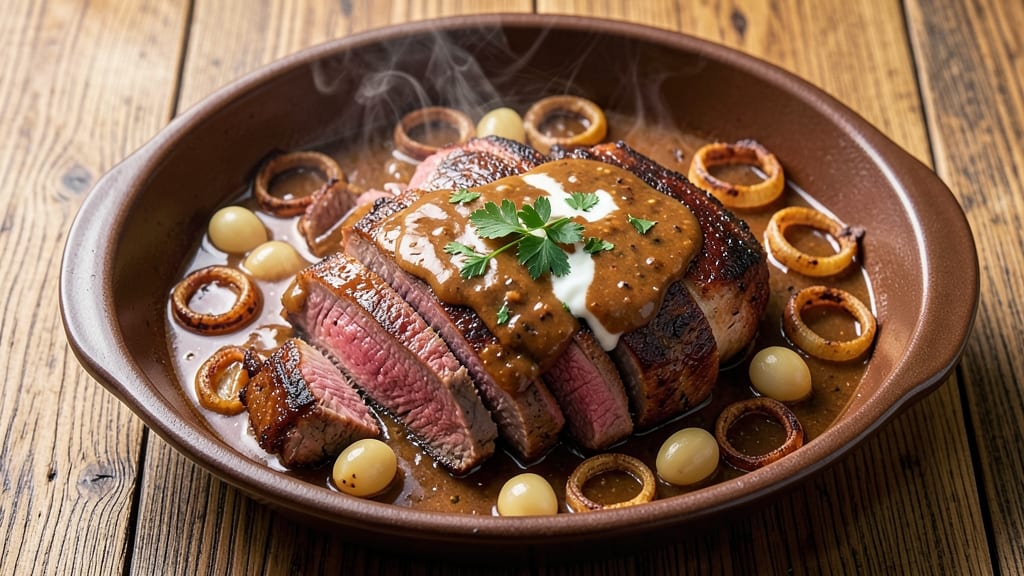
Transforming a simple roast beef into slow-cooked, fork-tender perfection starts with a clever trick: Lipton onion soup mix as a flavor enhancer. This isn't your grandmother's pot roast—it's a restaurant-quality centerpiece with deep, savory notes and a velvety sauce that clings to every bite.
The secret lies in using the soup mix during marinating and cooking, not as a standalone sauce.
What makes this recipe truly special is how it balances simplicity with professional results. You'll work with a 3-4 pound beef chuck roast (never boneless—flavor matters), slow-cooked until it practically falls apart, all while developing rich, caramelized fond on the bottom of your Dutch oven.
The Lipton onion soup mix adds layers of umami and sweetness without overpowering the natural beef flavor, creating a sauce that's both creamy and complex.
The result is a golden-brown, deeply flavorful roast with tender meat that pulls apart easily, all smothered in a sauce that's perfect for dipping crusty bread. This method delivers restaurant-quality results in your own kitchen, with minimal effort after the initial prep.
The best part? Leftovers reheat beautifully, making this an ideal meal for busy weeknights or special occasions.
Pair it with classic roasted potatoes and steamed green beans for a complete Sunday dinner experience. The creamy sauce works equally well as a dipping sauce or drizzled over the meat. Let's get started on creating this showstopping roast beef that will have everyone asking for seconds.
Ingredients for roast beef made with lipton onion soup
Sixteen ingredients, one unforgettable centerpiece. The secret's in the onion soup mix.
| Ingredient | Amount | Notes |
|---|---|---|
| Beef Chuck Roast 🥩 | 3 ½ lb | Bone-in preferred for flavor |
| Lipton Onion Soup Mix 🧅 | 2 tbsp | Original flavor, not low-sodium |
| Beef Broth 💧 | 2 cups | Low-sodium preferred, homemade or store-bought |
| Red Wine 🍷 | 1 cup | Dry red like Cabernet Sauvignon |
| Heavy Cream 🥛 | 1 cup | Full-fat for creaminess |
| All-Purpose Flour 🌾 | 2 tbsp | For thickening sauce |
| Yellow Onion 🧅 | 1 whole | Chopped, for aromatics |
| Garlic Cloves 🧄 | 4 cloves | Peeled, for depth of flavor |
| Carrots 🥕 | 2 whole | Chopped, for sweetness |
| Fresh Thyme 🌿 | ½ oz | Or 1 tbsp dried thyme |
| Black Peppercorns 🌶️ | 1 tbsp | Freshly cracked for heat |
| Salt 🧂 | 1 ½ tbsp | Diamond Crystal preferred |
| Olive Oil 🫒 | 2 tbsp | For searing meat |
| Balsamic Vinegar 🍷 | 1 tbsp | For deglazing |
The beef chuck roast is non-negotiable here—bone-in delivers better flavor than boneless. Costco or local butchers usually have the best prices, but any grocery store with a meat counter will carry it. Look for good marbling and bright red color. The Lipton onion soup mix? Original flavor only—skip the low-sodium version. I buy mine in bulk from Walmart since I use it for other recipes too. Fresh thyme is ideal, but dried works in a pinch (just use one-third the amount). The carrots can be baby carrots if that's what you've got—no need to peel them.
No red wine? Beef broth with an extra splash of balsamic vinegar works just as well. Out of fresh thyme? Dried thyme at one-third the amount keeps the flavor profile intact. The heavy cream is where the sauce gets its velvety texture—full-fat is a must (light cream won't cut it). For the flour, King Arthur or Gold Medal brands work best for thickening. The balsamic vinegar adds a nice tang—Trader Joe's has a great organic option that's perfect for this. If you're short on time, skip the carrots entirely—they're more for visual appeal than flavor.
This roast tastes even better the next day once everything melds together. Store leftovers in the fridge for up to 5 days, or freeze portions for 3 months. I like to portion it into individual containers so I can grab a meal anytime. The sauce thickens as it cools, so you might need to add a splash of beef broth when reheating. For a quick weeknight meal, double the recipe and freeze half—Sunday dinner sorted.
Why You'll Love This Recipe
- Pantry-to-Table Magic: I swear by this trick—just dump the onion soup mix, add broth and wine, and let the oven do the work. No chopping, no measuring cups, no stress. The chuck roast practically melts itself.
- Umami Bomb: That Lipton mix isn’t just for dipping—it’s a flavor shortcut you’ll never regret. The caramelized onions, beefy broth, and splash of red wine create a sauce so rich, you’ll want to slather it on everything.
- Weeknight Wonder: Between us, this is my go-to for game day, lazy Sundays, or when I’m too tired to think. The leftovers? Even better cold in sandwiches, and it freezes like a dream.
- Budget Hero: A chuck roast stretches for days, and the rest of the ingredients cost pennies. Honestly, I’ve fed six people for under $20 with this—plus, the wine makes it feel fancy without breaking the bank.
Step-by-step instructions for slow-cooked beef chuck roast
Here's how to transform a simple chuck roast into melt-in-your-mouth perfection with a velvety onion soup-infused sauce.
Prepare the Roast and Sear for Depth of Flavor
Begin by patting the 3.5 lb beef chuck roast completely dry with paper towels—this ensures maximum browning. In a large Dutch oven, heat 2 tablespoons olive oil over medium-high heat until shimmering. Place the roast fat-side down and sear undisturbed for 8-10 minutes until a deep golden-brown crust forms. Flip and sear the other side for another 6-8 minutes. This initial sear locks in juices and builds the foundation for rich flavor.
While the roast sears, use a sharp knife to chop 1 whole yellow onion into ½-inch dice and 2 whole carrots into ¼-inch rounds. Peel and finely mince 4 cloves garlic. Crush 1 tablespoon black peppercorns in a mortar or with the flat side of a knife. This prep work ensures everything is ready when you need it—no mid-recipe scrambling. The aromatics will infuse the sauce as it simmers, creating layers of flavor.
Build the Onion Soup Base
Remove the seared roast and set it aside on a plate. In the same Dutch oven, reduce heat to medium and add the chopped yellow onion and carrots. Cook for 5-6 minutes, stirring occasionally, until the vegetables soften and begin to caramelize. Add the minced garlic cloves and cook for 30 seconds until fragrant—this prevents bitter garlic flavors.
Sprinkle 2 tablespoons Lipton onion soup mix and 1.5 tablespoons salt over the vegetables, stirring to coat evenly. Let it toast for 1 minute until the mix releases its aromatic oils. Pour in 1 cup red wine and scrape up any browned bits from the bottom of the pot with a wooden spoon—this deglazing step captures all the flavor that would otherwise go down the drain. Let the wine reduce by half, about 3-4 minutes, until it thickens slightly.
Slow-Cook the Roast in Flavorful Broth
Return the roast to the Dutch oven and pour in 2 cups beef broth. The liquid should come about halfway up the sides of the roast. Add 0.5 oz fresh thyme (or 1 tablespoon dried thyme) and bring to a gentle simmer. Cover the pot and transfer it to a 325°F oven (preheated). Here's the key: cook for 3 hours without peeking—resisting the urge to check ensures even cooking and tender meat.
After 3 hours, check the internal temperature with a meat thermometer. The roast should register 190-195°F—this is the "danger zone" where connective tissue breaks down into gelatin, transforming tough muscle into fork-tender perfection. If it hasn't reached this temperature, return it to the oven for another 30-45 minutes. The longer it cooks, the more tender it becomes, but don't let it exceed 205°F or it'll dry out.
Finish with Creamy Sauce and Balsamic Touch
Once the roast reaches the perfect temperature, remove it from the oven and transfer it to a cutting board. Tent loosely with foil and let it rest for 15-20 minutes—this resting period allows the juices to redistribute, ensuring every slice is moist and flavorful. Meanwhile, increase the oven temperature to 400°F to create a warm environment for finishing the sauce.
Return the Dutch oven to the stovetop over medium heat. Skim off any excess fat that has risen to the surface, then sprinkle 2 tablespoons all-purpose flour over the cooking liquid. Stir vigorously for 1-2 minutes until the flour is fully incorporated and the mixture thickens slightly. Pour in 1 cup heavy cream and 1 tablespoon balsamic vinegar, stirring constantly to prevent curdling. Simmer for 3-4 minutes until the sauce coats the back of a spoon and has thickened to a luxurious consistency. Taste and adjust seasoning with additional salt or pepper if needed.
Carve and Serve with Sauce
After resting, slice the roast against the grain into ¼-inch thick slices. The grain runs lengthwise, so you'll need to adjust your angle as you cut. Spoon the creamy onion soup sauce over the top and serve immediately. Each bite should deliver tender, melt-in-your-mouth beef with a rich, velvety sauce that balances sweetness from the carrots, depth from the red wine, and a touch of tang from the balsamic vinegar.
For a complete meal, pair this roast with roasted potatoes or crusty bread to soak up every last drop of that luxurious sauce. The combination of slow-cooked tenderness and the creamy, aromatic sauce makes this dish a showstopper for any occasion—whether it's a family dinner or a special gathering. The secret lies in patience and layering flavors, and this method delivers every time.
Pro Tips For Making Roast Beef Made With Lipton Onion Soup
- Sear the Roast First: Hit that chuck roast with a screaming-hot pan—no rush, let it sit for 3-4 minutes per side until deep brown. I used to skip this and wondered why my finished dish tasted like it was braised in broth alone. That crust? It’s what carries the onion soup flavor through every bite.
- Bloom the Onion Mix: Toss the Lipton packet into the pan after searing the beef, then add a splash of wine right away. Let it bubble for 30 seconds—this wakes up the flavors before you even pour in the broth. I learned this the hard way when my sauce tasted flat because I dumped everything in at once.
- Deglaze Aggressively: Scrape up every last bit of browned bits from the pan with a wooden spoon while deglazing with wine and broth. Those bits are pure flavor, and skipping this step means your sauce will taste watered down. Yes, it’s tedious, but it’s the thing that matters most.
- Reduce the Wine First: Pour in the red wine and simmer it down by half before adding the beef broth. This concentrates the alcohol’s sharpness and deepens the sauce’s richness. I was skeptical until I tried it—now I can’t go back to adding it all at once.
Dietary considerations for this roast beef made with lipton onion soup
Gluten-Free Adaptation
The original recipe uses all-purpose flour to thicken the sauce, but you can easily make it gluten-free by substituting with 2 tablespoons gluten-free all-purpose flour blend like Bob's Red Mill 1-to-1. This blend mimics the texture of regular flour without compromising the sauce's velvety consistency.
For best results, whisk the gluten-free flour with the cooking liquid before adding it to the pot to prevent clumping. 💡
Low-Carb/Keto Version
To adapt this roast for a keto diet, skip the flour entirely and thicken the sauce using 1 tablespoon xanthan gum dissolved in 2 tablespoons cold water. Stir this mixture into the simmering broth after removing the roast, then add the heavy cream.
The xanthan gum provides the same thickening effect without carbs. You'll also want to reduce the carrots to just 1 carrot or omit them entirely, as they contribute natural sugars. The Lipton onion soup mix remains safe for keto as it's gluten-free and contains minimal carbs.
Dairy-Free Option
For those avoiding dairy, replace the heavy cream with 1 cup full-fat coconut milk (not light) for a rich, creamy texture. The coconut milk adds natural sweetness that balances the savory flavors beautifully. You may need to simmer it slightly longer to achieve the same thickness as heavy cream.
I've found Thai Kitchen coconut milk works best as it's less watery than other brands. The sauce will have a subtle tropical note that pairs surprisingly well with the beef. 🥥
Allergen-Friendly Swaps
If you're accommodating nut allergies, all the ingredients in this recipe are naturally nut-free. For soy allergies, simply ensure your beef broth is soy-free (most store-bought brands are, but always check labels). The Lipton onion soup mix is also soy-free, making this recipe safe for most common food allergies.
For a nut-free garnish, I recommend fresh parsley instead of toasted nuts. The creamy sauce and tender beef remain the stars of the dish regardless of these adjustments.
Lower-Sodium Version
To reduce sodium content without sacrificing flavor, use low-sodium beef broth (like Swanson Low Sodium) and cut the Lipton onion soup mix to 1 tablespoon. You'll still get the onion flavor but with significantly less salt.
Boost umami with an extra ½ teaspoon of garlic powder and ¼ teaspoon of onion powder when building the sauce base. Taste as you go and add a pinch of MSG (Accent seasoning) if you need more depth—it enhances flavor without adding sodium. 🧂
Nutrition facts
Frequently asked questions
Why does this recipe use Lipton onion soup mix instead of fresh onions?
The soup mix adds concentrated umami flavor and sweetness that's harder to replicate with fresh onions alone. It also contains spices like thyme and garlic powder that infuse the meat during cooking. Using 2 tablespoons gives you that deep, caramelized onion taste without chopping or cooking multiple onions. Plus, it's a pantry staple that saves prep time!
Can I use a different cut of beef like sirloin or ribeye?
This recipe is specifically designed for chuck roast because of its marbling and connective tissue, which creates tender, fork-tender meat when slow-cooked. Sirloin or ribeye would dry out at these temperatures. If you must substitute, try a bottom round roast (but expect slightly less tenderness) or stick to the chuck cut for best results.
How do I know when the roast is fully cooked?
Use a meat thermometer to check the internal temperature—it should reach 190-195°F in the thickest part. The meat will pull apart easily with a fork at this stage. If it's not quite there after 3 hours, add another 30-45 minutes to the oven time. Never exceed 205°F or the meat will become dry.
Can I make this recipe in a slow cooker?
Yes! Brown the roast first in a skillet, then transfer it to your slow cooker with all the vegetables, broth, and soup mix. Cook on low for 8 hours or high for 5-6 hours. Finish the sauce on the stovetop as directed in the recipe. The slow cooker method is even more hands-off and delivers equally tender results.
What if my sauce turns out too thin?
Simmer the sauce uncovered for 5-10 extra minutes to reduce it naturally. If that's not enough, mix 1 teaspoon cornstarch with 1 tablespoon cold water, stir it into the sauce, and cook for another 2 minutes until thickened. Avoid adding flour directly to hot sauce—it can create lumps.