
Soups & Stews
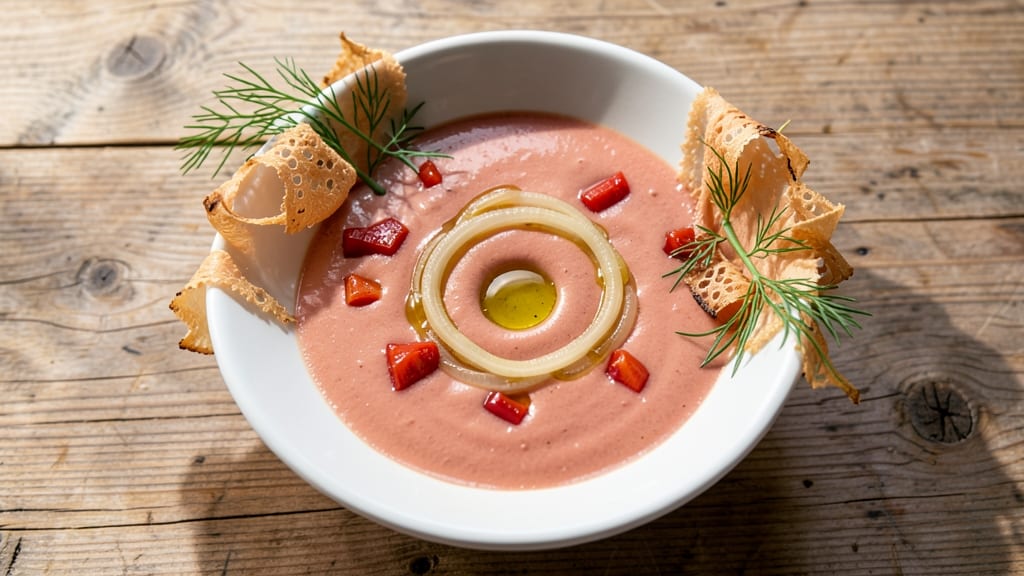
This salmon bisque soup recipe transforms simple ingredients into a velvety, restaurant-worthy dish that feels like a warm hug in a bowl. The secret lies in slow-simmered salmon stock infused with aromatic vegetables, then blended to silky perfection with a touch of cream—no heavy creaminess here, just delicate richness.
I’ve perfected this version to balance depth of flavor with a bright, herb-finished clarity that makes it feel fresh yet indulgent.
The process begins with building a rich, flavorful base by sautéing onions, garlic, and celery until they’re soft and fragrant—this forms the soul of the soup. Fresh salmon is then poached gently in white wine and broth, creating a stock so pure it needs no heavy-handed seasoning.
The real magic happens when we blend everything to a smooth, velvety texture, then finish with a swirl of cream and a sprinkle of fresh herbs for brightness.
What you’ll end up with is a soup that’s luxurious yet light, with a delicate salmon flavor that shines through every spoonful. The silky consistency comes from proper blending techniques and a touch of cream, but it never feels heavy—just perfectly balanced.
This is the kind of soup that pairs beautifully with crusty bread or a simple green salad, making it ideal for both cozy weeknight dinners and elegant gatherings.
For those who prefer a vegetarian twist, swap the salmon for silken tofu or mushrooms—though I’d argue nothing beats the delicate sweetness of fresh salmon in a bisque. Ready in about 45 minutes, this recipe delivers restaurant-quality results without the fuss. Let’s get cooking!
Ingredients for salmon bisque soup
Sixteen simple ingredients that create a restaurant-worthy salmon bisque with velvety texture and bright herb notes.
| Ingredient | Amount | Notes |
|---|---|---|
| Fresh Salmon Fillets 🐟 | 1 ½ lb | Skin-on, boneless, high quality |
| Yellow Onion 🧅 | 1 whole | Medium, diced small |
| Celery Stalks 🥬 | 3 whole | Trimmed, diced small |
| Garlic Cloves 🧄 | 4 cloves | Peeled, minced fine |
| Dry White Wine 🍷 | 1 cup | Sauvignon Blanc preferred |
| Chicken or Vegetable Broth 💧 | 4 cups | Low-sodium preferred |
| Heavy Cream 🥛 | ½ cup | Full-fat for richness |
| Fresh Dill 🌿 | ¼ cup | Chopped, stems removed |
| Fresh Parsley 🌿 | ¼ cup | Chopped, flat-leaf preferred |
| Lemon Juice 🍋 | 1 tbsp | Freshly squeezed |
| Salt 🧂 | 1 ½ tsp | Kosher or sea salt |
| Black Pepper 🌶️ | ½ tsp | Freshly ground preferred |
| Unsalted Butter 🧈 | 2 tbsp | Cold, for finishing |
| Extra-Virgin Olive Oil 🫒 | 2 tbsp | For sautéing |
The salmon is the star here—wild-caught if you can find it, but any fresh fillet works. Look for bright pink color and firm texture at Whole Foods or your local seafood counter. I usually grab mine from Trader Joe's when they have the freshest batches. The broth is non-negotiable for flavor—low-sodium so you control the seasoning. For extra depth, I sometimes add a splash of fish stock, but chicken or veggie works fine. The white wine should be dry and crisp—Sauvignon Blanc is my go-to, but whatever's open in your fridge does the trick.
No fresh dill? Dried dill at one-third the amount works, though it lacks that fresh brightness. Short on parsley? Fresh cilantro gives a similar pop of color. The butter should be cold when you add it at the end—this creates those beautiful little butter flecks that make the soup look restaurant-worthy. Want to make it vegetarian? Swap the salmon for silken tofu or king oyster mushrooms—they absorb the flavors beautifully. The wine can be swapped for extra broth plus a splash of apple cider vinegar for brightness without alcohol.
This soup tastes even better the next day—4-5 days in the fridge, 3 months frozen. I always make a double batch because it disappears fast. Store it in airtight containers and let it come to room temp before reheating. The cream can separate when refrigerated, so give it a gentle stir before serving. For serving, I like to add a swirl of cream and a sprinkle of fresh herbs right before eating—keeps everything looking fresh.
Why You'll Love This Recipe
- Weeknight-Friendly Magic: The salmon fillets poach themselves while you sauté onions and celery—no babysitting required. Honestly, I’ve made this on nights when I forgot to defrost anything, and it still turns out rich and velvety.
- Wine-Infused Richness: That splash of dry white wine? It cuts through the creaminess while letting the salmon’s natural sweetness shine. Between us, it’s the kind of depth that makes store-bought broth taste sad by comparison.
- Leftovers That Beg for More: The soup only gets better the next day—flavors meld, texture smooths out, and it reheats like a dream. I’ll be real: my husband’s favorite lunch is cold bisque with crusty bread, and he won’t admit it’s mine.
- Budget-Smart Luxury: You’re paying for the salmon, but the rest—onions, celery, garlic—stretch this into three meals without breaking the bank. Plus, using leftover poached salmon (or even canned in a pinch) keeps costs low while tasting gourmet.
Step-by-step instructions for salmon bisque soup
Here's how to make a luxurious bisque that balances rich salmon flavor with bright herbs and velvety texture.
Sauté the Aromatic Base
Heat the 2 tablespoons extra-virgin olive oil in a large pot over medium heat. Add the 1 whole yellow onion and 3 whole celery stalks, both diced small, and cook for 5-6 minutes until softened and translucent. You'll see the onion turn pale and the celery lose its crispness.
Add the 4 cloves garlic cloves, minced fine, and cook for another 30 seconds until fragrant. This aromatic base forms the flavor foundation for your soup. If the garlic starts to brown too quickly, reduce the heat slightly to prevent burning.
Deglaze with Wine and Simmer the Salmon
Pour in the 1 cup dry white wine and scrape up any browned bits from the bottom of the pot with a wooden spoon. This deglazing step captures all the flavor you've built so far. Let the wine simmer for 2-3 minutes until reduced by about half.
Add the 4 cups chicken or vegetable broth and bring to a gentle boil. Reduce heat to medium-low and add the 1.5 lb fresh salmon fillets, skin-on and boneless. Simmer for 8-10 minutes until the salmon flakes easily with a fork. The broth should turn a delicate pink color from the salmon's essence.
Strain and Season the Broth
Using a slotted spoon, remove the salmon fillets from the broth and let them cool slightly. Strain the broth through a fine-mesh sieve into a clean pot, pressing gently on the solids to extract all the flavor. Discard the solids in the sieve.
Return the strained broth to medium heat and stir in the 1.5 teaspoons salt and 0.5 teaspoon black pepper. Add the 1 tablespoon freshly squeezed lemon juice and simmer for 5 minutes to let the flavors meld. This step ensures your soup is properly seasoned before adding the delicate cream.
Create the Creamy Texture
Reduce heat to low and slowly whisk in the 0.5 cup heavy cream. Stir gently to combine without creating lumps. The soup should begin to thicken slightly as the cream heats through. If it becomes too thick, add 2-3 tablespoons of hot broth to reach your desired consistency.
Return the flaked salmon to the pot and stir gently to distribute evenly. The salmon should be warm but not cooking further. Taste and adjust seasoning if needed, adding a pinch more salt or pepper as necessary. This is where the magic happens—rich salmon flavor meets velvety creaminess.
Finish with Fresh Herbs and Butter
Remove the pot from heat and stir in the 0.25 cup chopped fresh dill and 0.25 cup chopped fresh parsley. Let the herbs steep for 2 minutes to infuse their bright flavors. Add the 2 tablespoons cold unsalted butter and stir until melted and incorporated.
Ladle the bisque into bowls and serve immediately, garnished with additional herbs if desired. The contrast between the warm soup and cool butter creates an incredible mouthfeel. Each spoonful should deliver that perfect balance of creamy richness and fresh herb brightness.
Pro Tips For Making Salmon Bisque Soup
- Sear the Salmon First: Toss the salmon fillets in a hot, dry skillet for 2-3 minutes per side before adding liquid—this locks in flavor and prevents the soup from tasting like boiled fish. I used to skip this, and the soup always felt flat until I tried it.
- Mince the Celery Fine: Chop the celery into tiny dice, almost like salt—it dissolves into the soup instead of sitting as chunks. Sounds tedious, but it blends seamlessly and adds texture without effort.
- Deglaze with Wine: After cooking the onions and garlic, pour in the white wine and let it bubble for a full 2 minutes to cook off the alcohol. Skipping this step leaves a harsh, raw taste that ruins the balance.
- Strain the Soup: Run the finished soup through a fine-mesh sieve to remove skin and any tough fish bits—it’s not necessary, but the result is silky smooth. Yes, it’s an extra step, but your future self will notice the difference.
Dietary considerations for salmon bisque soup
Gluten-Free Adaptations
This salmon bisque is naturally gluten-free since it relies on simple ingredients like salmon, broth, and cream. The key is using a gluten-free broth—I recommend Pacific Foods or Imagine brands, which are certified gluten-free and add depth without gluten.
Always check labels, as some broths contain hidden wheat. The wine and cream are also safe, but if you're highly sensitive, opt for a gluten-free white wine like Sutter Home or Apothic (both certified). 🌾
Dairy-Free Options
For a dairy-free version, replace the heavy cream with full-fat coconut milk (about ½ cup) and use dairy-free butter (like Miyoko's) for finishing. The coconut milk adds a subtle sweetness that pairs beautifully with salmon.
I also swap regular butter for olive oil when sautéing to keep it dairy-free from start to finish. The texture remains velvety, though slightly lighter. 🥥
Vegetarian Substitutes
To make this vegetarian, replace the salmon with silken tofu (½ lb, cubed) or king oyster mushrooms (½ lb, sliced). Both absorb the broth's flavors beautifully. For a richer umami profile, add 1 tablespoon soy sauce or 1 teaspoon fish-free Worcestershire sauce (like Annie's) to the broth.
The tofu version requires a 5-minute simmer to soften, while mushrooms cook in 8 minutes. The result? A creamy, herb-forward bisque that still feels indulgent. 🌱
Low-Carb Adjustments
This soup is already low-carb, but you can enhance it further by skipping the cream and using heavy whipping cream (½ cup) or unsweetened almond milk (½ cup) for a lighter option. The natural sweetness of salmon and herbs shines through without added carbs.
For extra richness, stir in 1 tablespoon nutritional yeast—it adds a cheesy, umami depth without carbs. Pair with low-carb bread (like Caulipower or Mission Carb Balance) for a satisfying meal. 🥑
Allergen-Friendly Tips
For nut allergies, avoid coconut milk and stick to dairy-free alternatives like oat cream (made from blended oats and water). For seafood allergies, this recipe isn’t suitable, but if you’re avoiding specific allergens, double-check all ingredients—especially broths and wines.
I always keep a food allergy chart handy when cooking for guests. The fresh herbs and lemon juice add natural brightness, masking any potential allergen-related flavor gaps. 🚫🍽️
Protein Boosts
To increase protein without altering the recipe’s essence, stir in ¼ cup cooked quinoa or 2 tablespoons nutritional yeast per serving. For a heartier option, add ½ cup cooked lentils (simmered in the broth before blending).
These additions bulk up the soup while keeping it light and flavorful. I often serve it with a side of garlic shrimp or seared scallops for extra protein contrast. 💪
Nutrition facts
Frequently asked questions
Can I make this salmon bisque without wine?
Replace the 1 cup white wine with 1 cup extra broth plus 1 tablespoon lemon juice to maintain acidity and brightness. The soup will still develop rich flavors—just skip the deglazing step and add the extra broth directly after sautéing the aromatics.
Why does my bisque turn out too thick or too thin?
Texture control comes down to blending and liquid ratios. For a thicker bisque, blend less and add 1-2 tablespoons of cream. For thinner consistency, whisk in 2-3 tablespoons of hot broth. The key is blending the soup after removing the salmon—this ensures smooth texture without over-thickening.
How can I make this soup ahead of time?
This bisque tastes even better the next day! Store it in an airtight container for up to 4-5 days in the fridge or 3 months in the freezer. When reheating, warm gently on the stove (don't boil) and stir in a splash of cream at the end to restore silkiness. The flavors meld beautifully overnight.
What's the best way to serve leftover salmon bisque?
Leftover bisque is perfect for meal prep! Serve it with crusty sourdough or garlic toast points for dipping. For extra flair, top with a swirl of cream, extra herbs, or a sprinkle of toasted breadcrumbs. It also reheats beautifully in a slow cooker on the "warm" setting for potlucks.
Can I use canned salmon instead of fresh?
While fresh salmon gives the best flavor, you can use high-quality canned salmon (drained and flaked) as a budget-friendly substitute. For deeper flavor, add 1 teaspoon salmon roe or ½ teaspoon smoked paprika to compensate. Just reduce the cooking time to 5 minutes after adding the salmon to avoid overcooking.