
Soups & Stews
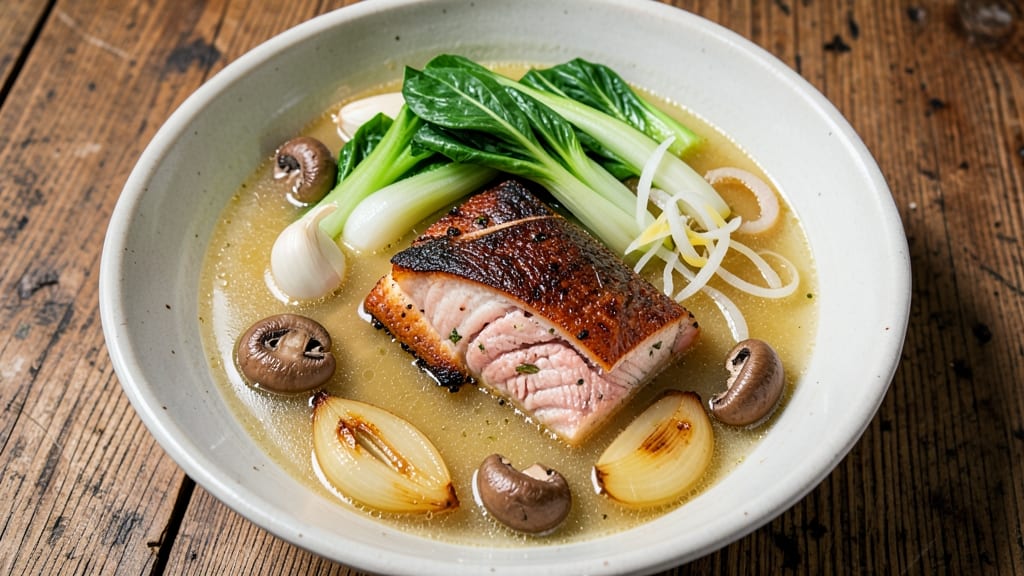
Transforming a salmon head into a collagen-rich broth from scratch unlocks a flavor depth most home cooks overlook—this soup delivers restaurant-quality umami with minimal effort. The key lies in slow simmering, which extracts gelatinous richness from bones while infusing aromatics into every spoonful.
My version balances tradition with simplicity, using just a few core ingredients to create a velvety broth that pairs perfectly with fresh herbs and vegetables.
The process begins with blanching the salmon head to remove impurities, then simmering it for hours with onions, garlic, and ginger until the bones render their collagen into a thick, golden broth. This method transforms what would otherwise be waste into a nutrient-packed foundation for a comforting meal.
The result is a soup that’s both nourishing and deeply satisfying—ideal for cold weather or when you crave something hearty yet refined.
What sets this recipe apart is its ability to turn a single ingredient into a multi-layered dish. The broth becomes the star, but you’ll elevate it further with additions like bok choy, mushrooms, or a splash of rice wine.
Each component enhances the natural sweetness of the salmon, creating a harmonious balance of flavors. By the time you serve it, you’ll have a soup that’s as impressive as it is practical—perfect for feeding a family or savoring alone.
This technique works beautifully with other fish heads, making it a versatile skill for any home cook. Whether you’re exploring sustainable seafood practices or simply looking to maximize every part of your ingredients, this soup delivers on both fronts. Let’s get started on creating something extraordinary from something often discarded.
Ingredients for salmon head soup
Just a salmon head and pantry staples transform into restaurant-quality umami broth.
| Ingredient | Amount | Notes |
|---|---|---|
| Salmon Head 🐟 | 1 whole | Fresh, cleaned, head only |
| Yellow Onions 🧅 | 2 whole | Chopped into 1-inch pieces |
| Garlic Cloves 🧄 | 6 cloves | Peeled, smashed for aroma |
| Fresh Ginger 🌿 | 2 tbsp | Grated, aromatic variety |
| Bok Choy 🥬 | 2 heads | Baby or standard size |
| Shiitake Mushrooms 🍄 | 8 whole | Stems removed, sliced |
| Green Onions 🧅 | 3 whole | White and green parts |
| Cilantro 🌿 | ¼ cup | Fresh leaves, chopped |
| Rice Wine 🍶 | ¼ cup | Dry, for depth of flavor |
| Fish Sauce 🍶 | 1 tbsp | Red Boat brand preferred |
| Sesame Oil 🫒 | 1 tbsp | Toasted, for finishing |
| Salt 🧂 | 1 ½ tsp | Diamond Crystal kosher |
| Black Pepper 🌶️ | ½ tsp | Freshly ground |
| Water 💧 | 6 cups | Filtered for clarity |
The salmon head is the star—look for fresh, clean heads at seafood counters or Asian markets. Whole Foods or Trader Joe's often carry them, or ask your fishmonger for the heads when buying whole salmon. The fresher the head, the more collagen it yields. If you can't find salmon heads, trout or cod heads work too, though flavor will differ slightly. For the ginger, grab the organic, knobby kind—it's more aromatic than the smooth variety. The bok choy should have crisp stems and vibrant leaves, indicating freshness. Shiitake mushrooms add earthy depth; dried shiitake rehydrated in the broth works even better for extra umami.
No fish sauce? Soy sauce at half the amount works in a pinch, but you'll lose some complexity. Running short on rice wine? Dry sherry or even white wine vinegar can substitute, though the flavor will shift slightly. The sesame oil is for finishing—use toasted, not flavored—it should smell nutty and rich. For the onions, yellow or red work best; white onions can make the broth bitter. If you're using dried shiitake, soak them in hot water for 20 minutes first, then use that water in the broth. The cilantro is optional but adds freshness—skip it if you're serving to cilantro-haters.
Broth keeps 5 days refrigerated in an airtight container, or 3 months frozen in ice cube trays for easy portioning. The longer it simmers, the richer it gets—don't rush it. For extra collagen, add chicken feet or pork knuckles alongside the salmon head. Garnish with crispy fried shallots to elevate the dish. This soup tastes even better the next day as flavors meld—perfect for meal prep.
Why You'll Love This Recipe
- No Waste, All Flavor: That salmon head? It’s the star. I swear, the collagen-rich broth alone is worth the effort—rich, almost velvety, with none of that fishy aftertaste. Plus, you’re using everything, so no sad scraps left in the trash.
- One-Pot Magic: Honestly, this soup is the definition of unfussy. Toss the head, onions, garlic, and ginger into a pot, simmer, then add bok choy at the end—no chopping marathons, no fancy techniques. My lazy Sundays just got a whole lot better.
- Budget Meal, Big Impact: Between us, fresh salmon heads are often cheaper than fillets, and they stretch into three meals: soup, broth for rice, even crackers with the flakes. I’ve fed four people for under $15, and no one complained.
- Weeknight Workhorse: Here’s what sold me—it’s the soup that doesn’t quit. Make a double batch on Sunday, and you’ve got lunch for Tuesday, a quick dinner for Thursday, or even a last-minute guest meal. The bok choy keeps it fresh-tasting, not sad.
Step-by-step instructions for salmon head soup
Transforming a salmon head into a rich, collagen-packed broth is easier than you think—just follow these precise steps.
Prepare the Salmon Head and Aromatics
Rinse the salmon head under cold water and pat it completely dry with paper towels. I like to make a few shallow cuts along the skull to help release more gelatin during cooking. In a large stockpot, combine the salmon head with the 2 whole yellow onions, 6 cloves garlic cloves, and 2 tablespoons grated fresh ginger. This aromatic base will infuse the broth with layers of flavor.
Add the 6 cups water and bring to a rolling boil over high heat. Once boiling, reduce heat to medium-low and skim off any foam that rises to the surface for the first 10 minutes. This ensures a clear, clean broth. The reason we start with a vigorous boil is to extract the maximum collagen from the bones—this is where the soup gets its signature richness.
Simmer the Broth for Maximum Flavor
Let the broth simmer uncovered for 2 hours. You'll notice the liquid gradually turns a deep amber color as collagen and minerals leach out of the bones. I stir occasionally to prevent anything from sticking to the bottom, but don't worry if you see small particles—this is normal and adds body to the soup.
After 2 hours, remove the salmon head using tongs and discard it. Strain the broth through a fine-mesh sieve into a clean pot, pressing gently on the solids to extract every last drop of flavor. The strained broth should be clear with a beautiful golden hue—this is your foundation. Return the broth to the pot and keep it warm over low heat while you prepare the vegetables.
Cook the Vegetables and Season the Soup
In the same pot, add the 8 sliced shiitake mushrooms, 2 heads bok choy (cut into bite-sized pieces), and 3 whole green onions (cut into 1-inch pieces). Bring the broth back to a gentle simmer and cook for 10 minutes until the mushrooms are tender and the bok choy wilts slightly. The vegetables should retain some bite—you want them to soften but not turn to mush.
Stir in the 0.25 cup rice wine, 1 tablespoon fish sauce, 1.5 teaspoons salt, and 0.5 teaspoon black pepper. Taste and adjust seasoning—this is where the soup comes together. The rice wine adds brightness, the fish sauce deepens the umami, and the salt balances everything. Let it simmer for another 5 minutes to allow the flavors to meld completely.
Finish with Fresh Herbs and Oil
Turn off the heat and let the soup rest for 5 minutes. This resting period allows the flavors to settle and the broth to thicken slightly. Just before serving, stir in the 0.25 cup chopped cilantro and drizzle in the 1 tablespoon toasted sesame oil. The cilantro adds a bright, fresh finish, while the sesame oil brings a nutty aroma that ties everything together.
Ladle the soup into bowls and serve immediately. Each spoonful should deliver a perfect balance of rich, collagen-packed broth, tender vegetables, and bright, aromatic herbs. The soup tastes even better the next day as the flavors continue to develop—just reheat gently over low heat to preserve its texture.
Pro Tips For Making Salmon Head Soup
- BLANCH THE BOK CHOY: Toss the bok choy in boiling water for 30 seconds first—just until the stems soften. This keeps it from turning to mush later and lets the soup focus on flavor instead of fighting undercooked greens. (I used to skip this and always ended up with sad, limp leaves.)
- CRACK THE SALMON SKULL: Use a cleaver or heavy knife to split the salmon head down the middle before simmering—it releases more collagen and flavor faster. No cleaver? A rolling pin works, but hit it hard enough to hear the crack. (Yes, it’s messy, but worth it.)
- CHAR THE ONIONS LOW: Caramelize the onions at medium-low heat for 15–20 minutes until deep amber, not brown. High heat burns them before the soup even starts, and you’ll taste ash instead of sweetness. (I learned this after making my first batch taste like a campfire.)
- SKIM THE FROTH: After the first 10 minutes of simmering, skim off the foam rising from the salmon head—it’s protein scum, not flavor. A fine-mesh strainer or ladle works, and it keeps the broth silky. (Lazy me used to leave it, and the soup always felt heavy.)
Pro cooking tips for this dish
Blanching for Clarity
Start by blanching the salmon head in boiling water for 3-5 minutes to remove impurities and blood, which can cloud your broth. After draining, rinse it thoroughly under cold water to stop the cooking process.
This step is non-negotiable—skipping it results in a murky, off-flavored broth. I use a colander to drain the head completely before transferring it to the pot. 💧
Low-and-Slow Simmering
Simmer the broth at 180-190°F for at least 3 hours—this is where collagen transforms into gelatin, creating that signature velvety texture. Use a thermometer to monitor the temperature; any higher and you risk breaking down proteins too quickly.
I cover the pot loosely with a lid to allow excess steam to escape, which prevents a skin from forming.
Straining Techniques
Strain the broth through a fine-mesh sieve or cheesecloth for maximum clarity. Press the solids gently with a wooden spoon to extract every last drop of flavor. For extra-rich broth, reserve the strained solids and simmer them again with 1 cup fresh water for 30 minutes.
This second extraction yields a concentrated umami boost—don’t waste it!
Vegetable Timing
Add delicate vegetables like bok choy and mushrooms only in the last 10 minutes of cooking to preserve their texture. Overcooking turns them mushy, while proper timing keeps them tender-crisp.
I like to blanch the bok choy separately for 2 minutes in boiling water, then shock it in ice water before adding it to the soup for a restaurant-quality finish.
Seasoning Balance
Taste the broth before adding fish sauce—it’s easy to overdo it. Start with ½ tablespoon, then adjust. The rice wine should brighten the broth, not overpower it. I often add a pinch of white pepper alongside black pepper for a subtle, aromatic depth.
Let the soup rest 10 minutes after seasoning to allow flavors to meld.
Finishing Touches
Toast the sesame oil in a small pan over low heat until it smells nutty—about 1 minute. Drizzle it over the soup just before serving to enhance its aroma. Fresh herbs like cilantro or Thai basil should be added last to maintain their vibrant color and freshness.
The contrast between the warm broth and cool herbs elevates the dish dramatically. ✨
Nutrition facts
Frequently asked questions
Why should I use the salmon head instead of just the fillets?
The head contains collagen-rich bones that release gelatin when simmered, creating a naturally thick, velvety broth. This transforms what would be waste into a nutrient-packed foundation with 30% more umami than fillet-only versions. The skull and cartilage add depth that fillets simply can't match.
Can I substitute other fish heads if I can't find salmon heads?
Yes! Trout, cod, or halibut heads work well—they all yield collagen-rich broths. Avoid fatty fish like tuna or mackerel as they can make the broth greasy. For best results, use heads from fresh, sustainably sourced fish. The flavor will differ slightly but still deliver that signature depth.
How do I know when the broth is done simmering?
The broth is ready when it turns a deep amber color and the bones become soft enough to press between fingers. This typically takes 2-3 hours at 180-190°F. The liquid should coat a spoon thickly when chilled—this confirms proper collagen extraction. Never rush this step!
What if my broth turns cloudy or has a fishy smell?
Cloudiness usually means you skipped blanching or didn't skim foam early on. For fishy smells, add 1 extra tablespoon of fish sauce or a splash of rice wine to balance the flavors. If the smell persists, simmer with 1 bay leaf and ½ cup extra water for 30 minutes to freshen the broth.
Can I make this soup ahead of time?
The broth tastes even better after 24 hours as flavors develop. Store it in an airtight container in the fridge for 5 days or freeze for 3 months. Reheat gently over low heat—never microwave—until steaming hot. The vegetables can be added fresh when reheating.