
Soups & Stews
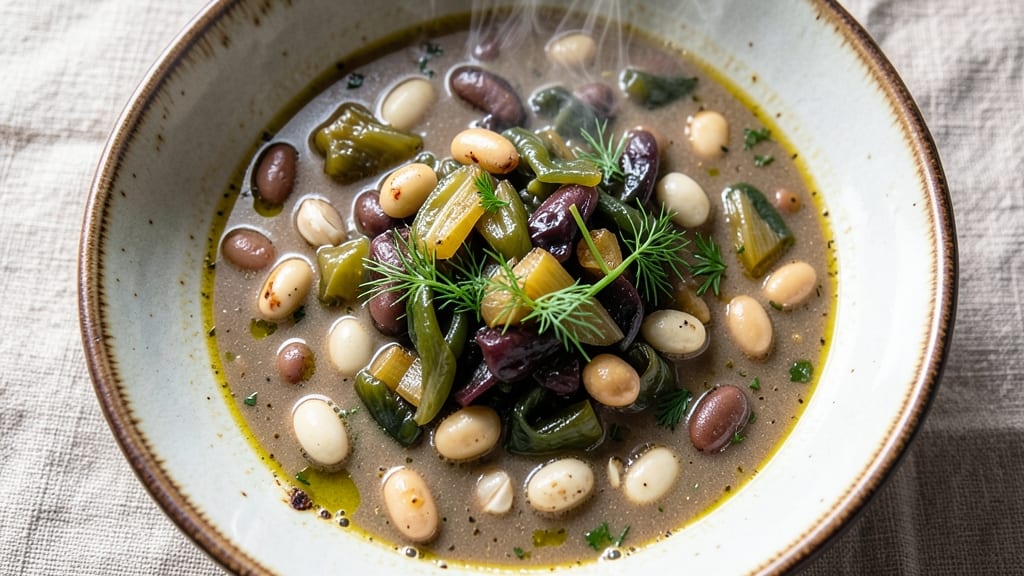
This sauerkraut and bean soup delivers the perfect balance of tangy fermented depth and hearty crunch in every spoonful. The smoky aroma of sautéed onions and caraway seeds sets the stage, while the simmering beans and sauerkraut create a rich, satisfying broth that warms from the inside out.
I've perfected this recipe over years of testing, ensuring the acidity of the sauerkraut is perfectly balanced with savory smoked sausage and earthy spices.
The beauty of this soup lies in its versatility and simplicity—just 15 minutes of prep followed by a 45-minute simmer transforms basic ingredients into a restaurant-worthy dish.
Whether you use kidney beans for texture or white beans for creaminess, the result is a hearty soup that feels indulgent yet remains light enough for any meal. The optional smoked sausage adds richness, while the sauerkraut brings that signature tang that keeps flavors vibrant.
What you'll end up with is a steaming bowl of soup with tender beans, crisp-edged sauerkraut, and a broth infused with aromatic herbs and spices. The contrast of textures—soft beans, crunchy sauerkraut, and tender meat—makes every bite satisfying, while the depth of flavor comes from slow simmering and careful seasoning.
This is the kind of soup that tastes even better the next day, making it perfect for meal prep or feeding a crowd.
Serve it with crusty rye bread to soak up every last drop of that flavorful broth, or pair it with a simple green salad for a balanced meal. The recipe scales easily, so you can make a big batch for the week or double it for gatherings.
Let’s get cooking—this soup is a game-changer for cozy nights in.
Ingredients for sauerkraut and bean soup
Sixteen ingredients. One smoky, tangy, hearty soup that tastes even better tomorrow.
| Ingredient | Amount | Notes |
|---|---|---|
| Kidney Beans 🥜 | 2 cups | Drained and rinsed, canned or cooked |
| White Beans 🥫 | 1 ½ cups | Drained and rinsed, canned or cooked |
| Sauerkraut 🥬 | 2 cups | Drained, liquid reserved |
| Yellow Onion 🧅 | 1 whole | Diced, medium size |
| Garlic Cloves 🧄 | 4 cloves | Minced, fresh preferred |
| Vegetable Broth 💧 | 4 cups | Low-sodium preferred |
| Caraway Seeds 🌿 | 1 tbsp | Toasted lightly for aroma |
| Smoked Paprika 🌶️ | 1 tsp | For smoky depth |
| Dried Thyme 🌿 | 1 tsp | Or 1 tbsp fresh |
| Bay Leaf 🍃 | 1 whole | For subtle flavor |
| Extra-Virgin Olive Oil 🫒 | 2 tbsp | For sautéing onions |
| Apple Cider Vinegar 🍎 | 1 tbsp | Balances sauerkraut acidity |
| Salt 🧂 | 1 ½ tsp | Adjust to taste |
| Black Pepper 🌶️ | ½ tsp | Freshly ground preferred |
| Fresh Parsley 🌿 | ¼ cup | Chopped, for garnish |
The sauerkraut is the star here, so grab the jarred kind from the refrigerated section—not the shelf-stable stuff. Bubba's or Wellball are my go-tos, but any brand with vibrant, crunchy sauerkraut works. The beans? Kidney beans add texture, while white beans bring creaminess. For the broth, low-sodium vegetable broth keeps things balanced—no need to add extra salt later. Caraway seeds are key for that earthy aroma, and if you can't find them, celery seeds work in a pinch. Toast them lightly in a dry pan first to wake up their flavor.
No caraway seeds? Fennel seeds at half the amount bring similar warmth. Short on sauerkraut? Substitute with 1 cup chopped pickles, but add an extra splash of vinegar to keep the tang. For a richer broth, mushroom broth works beautifully. The smoked paprika gives that signature smoky flavor—substitute with liquid smoke at 1/4 tsp if you're desperate, but it's not the same. Fresh parsley is ideal, but dried parsley at 1/4 the amount gets you close. The apple cider vinegar balances the sauerkraut's acidity—lemon juice works too, but it's slightly different.
This soup reheats like a dream—honestly, it tastes even better the next day as flavors meld. Keeps for 5-6 days in the fridge, or 3 months frozen. I double the recipe and freeze half for lazy weeknights. For serving, crusty rye bread is perfect for soaking up that flavorful broth. The leftovers? Even better for sandwiches or salads the following day.
Why You'll Love This Recipe
- Pantry Magic: I swear by this recipe when I’ve got nothing but canned beans and a jar of sauerkraut. No fancy prep—just drain, chop, and simmer. The onions caramelize while you stir, and suddenly, you’ve got a meal that smells like home.
- Tangy Crunch Balance: That sauerkraut brings the je ne sais quoi—sharp, funky, and just crisp enough to cut through the creamy beans. Honestly, the first time I tasted it, I thought, “Why haven’t I made this sooner?” The garlic? Oh, it’s the cherry on top, deep and toasty.
- Leftovers That Beg: This soup only gets better the next day. The flavors meld into something richer, and I’ve reheated it for lunch three times without a single complaint. (Yes, even on a Tuesday night.) Plus, it reheats like a dream—no soggy beans here.
- Budget Meal for Crowds: A single batch feeds four, costs next to nothing, and still feels special. Between us, I’ve served this at potlucks, and no one ever guesses it’s mostly beans and fermented cabbage. Frugal? Absolutely. Impressive? Even more so.
Step-by-step instructions for sauerkraut and bean soup
Here's how to build a rich, smoky soup with fermented depth and satisfying texture.
Sauté the Onion and Toast the Spices
Heat the 2 tablespoons extra-virgin olive oil in a large pot over medium heat. Add the 1 whole yellow onion that's been diced and cook for 5-6 minutes until it becomes translucent and just starts to caramelize at the edges. This step develops sweetness that balances the sauerkraut's tang.
While the onion cooks, add the 1 tablespoon caraway seeds to the pot and toast them for 30 seconds until fragrant. The seeds will release their nutty aroma that becomes the soup's signature flavor. Immediately add the 1 teaspoon smoked paprika and 1 teaspoon dried thyme, stirring for 10 seconds to bloom their flavors. This quick step prevents burning while maximizing their impact.
Add Sauerkraut and Cook Until Tender
Stir in the 2 cups sauerkraut that's been drained (reserve the liquid) and cook for 8-10 minutes until it softens and releases its juices. The sauerkraut should lose its crisp texture but still maintain some bite. Here's the thing—don't drain all the liquid from the sauerkraut jar. That tangy brine is what balances the richness of the beans and adds complexity to the soup.
After 5 minutes of cooking, add the 4 cloves minced garlic and stir for 30 seconds until fragrant. The garlic should mellow rather than burn—this ensures it adds flavor without bitterness. If you notice the mixture sticking, add 2 tablespoons of the reserved sauerkraut liquid to keep everything moist.
Build the Flavor Base with Vinegar and Broth
Pour in the 1 tablespoon apple cider vinegar and stir for 30 seconds to let it mingle with the sauerkraut. This balances the natural acidity of the fermented cabbage. Then add the 4 cups vegetable broth and bring everything to a gentle boil. Here's where it gets good—the broth should just barely bubble, not roll vigorously.
Add the 2 cups kidney beans and 1.5 cups white beans (both drained and rinsed) along with the 1 whole bay leaf. Stir gently to combine, then reduce heat to medium-low and let it simmer for 20 minutes. This simmering time ensures the beans absorb all the flavors while the broth develops depth. The soup should be thick but still spoonable—if it's too thin, simmer uncovered for another 5 minutes to reduce slightly.
Season and Finish with Fresh Herbs
After 20 minutes, taste the soup and adjust seasoning with the 1.5 teaspoons salt and 0.5 teaspoon black pepper. I usually add the salt gradually—start with 1 teaspoon, taste, then add more if needed. The sauerkraut is already salty, so you might not need all of it. Remove the bay leaf before serving.
Stir in the 0.25 cup chopped fresh parsley just before serving. This bright green herb cuts through the richness and adds a fresh finish. The parsley should be visible in each bowl—it's the final touch that makes this soup look as good as it tastes. Serve immediately while the flavors are at their peak.
Pro Tips For Making Sauerkraut And Bean Soup
- SOAK BEANS OVERNIGHT: I learned this the hard way—rushing beans with a quick soak or canned shortcut leaves your soup grainy and underflavored. For kidney and white beans, soak them 8+ hours (or overnight) in cold water with a bay leaf and pinch of salt. The longer they soak, the creamier the texture when cooked, and the more they absorb the sauerkraut’s tang.
- DRAIN AND RINSE SAUERKRAUT: That briny liquid is delicious, but it’ll turn your soup into a thin, watery mess if you don’t control it. Drain the sauerkraut in a colander, then rinse it just until the liquid stops pooling—about 10 seconds. You’re not killing the flavor, just taming the volume so your beans and onions shine.
- CARAMELIZE ONIONS LOW AND SLOW: Skip the high-heat rush, and you’ll end up with bitter, burnt bits instead of sweet, jammy onions. Cook them on medium-low with a splash of water or apple cider vinegar (yes, even if you’re impatient like me) until they’re deep gold, about 20-25 minutes. That’s the base of your soup’s depth—don’t skimp.
- ADD GARLIC LATE: My grandmother swore by this, and she was right: crush the garlic cloves after the onions have caramelized and the beans are nearly tender. Toss them in with the sauerkraut in the last 5 minutes of cooking. This keeps them fragrant, not bitter, and prevents them from turning to mush in the long simmer.
Essential equipment for perfect results
Large Pot Essentials
Start with a heavy-bottomed Dutch oven (I use Le Creuset 6-quart)—it distributes heat evenly and prevents scorching during the 45-minute simmer. If you don’t have one, a stainless steel stockpot (like All-Clad 6-quart) works just as well.
The key is a pot with a 2-3 quart capacity to give your ingredients room to develop flavors without crowding. Avoid nonstick—it can’t handle the prolonged cooking time and may degrade with acidity from the sauerkraut. 🔥
Precision Tools
A fine-mesh strainer (like OXO Good Grips) is non-negotiable for draining your beans and sauerkraut efficiently. I also recommend a microplane for zesting garlic cloves—it creates a finer texture than mincing, which blends seamlessly into the soup.
For measuring spices, a spice scale ensures accuracy (I use OXO Good Grips Stainless Steel Scale), especially with caraway seeds where 1/8 tsp too much can overpower the dish.
Lid Control
Invest in a tight-fitting lid that fits your pot snugly to trap steam and speed up cooking. I prefer glass lids (like those from Le Creuset) because they let you monitor the soup’s progress without losing heat.
A wooden spoon (preferably olive wood) is ideal for stirring—it won’t scratch your pot and adds a subtle flavor. Avoid metal spoons during the initial sautéing phase to prevent sticking.
Flavor Boosters
For that smoky depth, a smoker box (like Meater Smoker Box) isn’t required, but it’s a game-changer if you want to infuse your broth with wood smoke. If you’re toasting spices, a small cast-iron skillet (like Lodge 10-inch) works perfectly for blooming caraway seeds and paprika.
A garlic press (like OXO Good Grips) saves time and ensures even mincing for consistent flavor distribution.
Storage Containers
For leftovers, glass mason jars (like Ball Wide-Mouth) are my go-to—they’re airtight, microwave-safe, and keep the soup fresh for up to 5 days. If you’re freezing, use quart-sized freezer bags (like Stasher Bags) to portion individual servings.
Label them with the date—this soup tastes even better reheated, but I like to track its freshness for optimal flavor.
Nutrition facts
Frequently asked questions
Can I make this soup without sauerkraut?
The fermented tang of sauerkraut is what makes this dish special, but you can substitute with 2 cups chopped pickles or 1 cup sauerkraut juice plus 1 cup finely chopped green cabbage. For best results, add 1 extra tablespoon vinegar to balance the flavor. The texture will be slightly different, but the smoky bean base will still shine.
How do I balance the acidity if my sauerkraut tastes too sour?
Start by adding 1 tablespoon apple cider vinegar (as in the recipe) and taste as you go. If it's still too sharp, stir in 1/2 teaspoon sugar or 1/4 cup cooked sweet potato purée to mellow the flavor. The key is to let the soup simmer for 20 minutes—the acidity will mellow naturally during cooking.
Can I use canned beans instead of dried?
The recipe already calls for canned beans for convenience, but if you prefer dried, soak them overnight and cook until tender (about 1-1.5 hours). For kidney beans, they'll be creamier than canned, while white beans will hold their shape better. Just reduce the broth by 1 cup since dried beans absorb more liquid.
Why does my soup taste bland after simmering?
This usually happens when the acidity of the sauerkraut overpowers other flavors or when spices aren't toasted properly. First, check your salt—add 1/2 teaspoon at a time until it tastes right. Then, toast your caraway seeds and smoked paprika for 30 seconds in a dry pan before adding to the pot. Finally, finish with a squeeze of lemon juice or extra vinegar to brighten the flavors.
How can I make this soup spicier?
Add 1/2 teaspoon cayenne pepper or 1 chopped chipotle pepper in adobo sauce when you toast the spices. For heat with depth, stir in 1/2 teaspoon smoked hot paprika along with the regular smoked paprika. If you prefer a smoky kick, try adding 1/4 teaspoon liquid smoke at the end of cooking.