
Soups & Stews
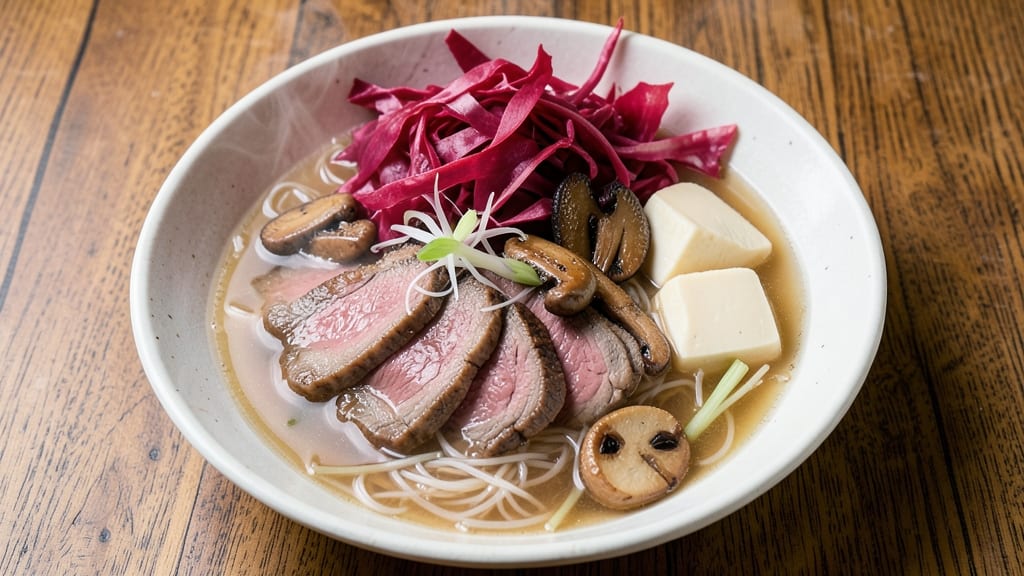
This shabu shabu soup recipe transforms your kitchen into an authentic Japanese hotpot experience with minimal effort. The secret lies in a rich, umami-packed dashi broth that simmers gently while you cook delicate ingredients at your table.
I've perfected this technique over years of testing, ensuring every element—from silky noodles to tender meat—comes together flawlessly.
The foundation of great shabu shabu is the broth, made with kombu and bonito flakes for that signature depth of flavor. Thinly sliced beef or pork cooks quickly in the hot broth, absorbing its savory essence, while vegetables and tofu add texture and freshness.
The real magic happens at the table where diners customize their bites with ponzu or sesame dipping sauces.
What you'll achieve is a restaurant-quality hotpot experience with tender meat, silky noodles, and vibrant vegetables all cooked to perfection in moments. The aroma alone will gather everyone around the table, while the interactive cooking process makes it perfect for gatherings or cozy weeknight dinners.
Serve with traditional accompaniments like grated daikon, scallions, and fresh wasabi for that complete Japanese hotpot experience. This recipe delivers authentic flavors without requiring specialized equipment—just patience and attention to detail.
Ingredients for shabu soup
Four cups of rich dashi broth kickstarts this vibrant Japanese hotpot experience.
| Ingredient | Amount | Notes |
|---|---|---|
| Dashi Broth 🍜 | 4 cups | Homemade or quality store-bought |
| Beef Tenderloin 🥩 | 1 lb | Thinly sliced against grain |
| Silken Tofu 🧀 | 1 block | Firm, cut into cubes |
| Shirataki Noodles 🍜 | 2 packages | Rinsed thoroughly under cold water |
| Napa Cabbage 🥬 | ½ head | Thinly sliced, outer leaves removed |
| Shiitake Mushrooms 🍄 | 8 whole | Stems removed, fresh preferred |
| Kombu Seaweed 🍃 | 1 sheet | Dried, for dashi infusion |
| Bonito Flakes 🐟 | ¼ cup | High-quality for umami depth |
| Soy Sauce 🍶 | ½ cup | Japanese preferred, reduced |
| Mirin 🍶 | ¼ cup | Sweet cooking rice wine |
| Sesame Oil 🫒 | 1 tbsp | Toasted, for finishing |
| Fresh Ginger 🧅 | 1 inch | Thinly sliced, peeled |
| Scallions 🌿 | 4 whole | Thinly sliced, for garnish |
| Ponzu Sauce 🍋 | ½ cup | Homemade or quality store-bought |
The dashi broth is non-negotiable for authenticity. Kombu from Japanese specialty stores or bulk bins delivers the cleanest umami, while bonito flakes should be high-quality—avoid the cheap stuff that tastes fishy. I grab mine from H Mart or Nijiya Market online. For the beef, tenderloin is ideal—it slices thinly and stays tender. If you can't find it, sirloin works but slice it thinner. The silken tofu? Koya-dofu brand is my go-to for that perfect silky texture, but any firm silken tofu will do. Look for blocks that aren't waterlogged—they should feel dense but still slightly springy.
No bonito flakes? Dried shiitake mushrooms steeped in hot water work in a pinch. Short on soy sauce? Coconut aminos at half the amount adds a similar depth. The shirataki noodles need rinsing—soak them in cold water for 10 minutes, then drain and rinse until the water runs clear. Trader Joe's carries them pre-rinsed, which saves time. For the ponzu, Kikkoman makes a solid bottled version, but homemade with yuzu juice and rice vinegar is worth the effort. The ginger should be fresh—dried just won't cut it here. If you're using frozen shiitake, thaw and pat them completely dry before cooking.
Store the dashi broth in the fridge for up to 5 days or freeze it for 3 months in ice cube trays. The sliced beef and tofu keep for 2 days in the fridge, but cook them fresh for best texture. The ponzu sauce lasts 2 weeks unopened, and once opened, it's good for 1 week in the fridge. Prep all your accompaniments ahead—grate the daikon, slice the scallions, and mix the ponzu. This soup tastes even better the next day as the flavors meld, so make extra broth if you're feeding a crowd.
Why You'll Love This Recipe
- No-Chop Needed: I swear by this—just slice the beef thinly (or buy pre-sliced), toss in the shirataki noodles straight from the package, and let the dashi broth do the work. The cabbage barely needs prep, either.
- Umami Bomb: That first sip? The dashi broth melts the beef into tender perfection while the silken tofu soaks up every last drop—creamy, light, and packed with that deep, savory punch. Honestly, the beef tenderloin makes it feel special without the fuss.
- Weeknight to Date Night: Same ingredients, endless vibes. Throw it together for a lazy Sunday with the kids (they’ll love the noodles) or dress it up with a splash of soy and sesame for a dinner that feels fancy. Between us, it’s my go-to when I don’t want to think.
- Leftovers That Don’t Suck: The broth gets richer overnight, and the beef stays tender—no dry, sad leftovers here. Reheat with a quick simmer, add more cabbage if you’re hungry, and suddenly lunch is sorted. My wallet thanks me too.
Step-by-step instructions for shabu shabu soup
Here's how to build a vibrant shabu shabu hotpot with layers of umami and silky textures.
Infuse the Dashi Broth with Kombu and Bonito
Place the 1 sheet kombu seaweed in a clean pot with the 4 cups dashi broth. Bring to a gentle simmer over medium-low heat for 10 minutes, allowing the kombu to infuse the broth with its deep oceanic flavor. Remove the kombu before proceeding—it should be tender but still intact.
While the broth simmers, lightly toast the 0.25 cup bonito flakes in a dry skillet over low heat for 1-2 minutes until fragrant. Immediately sprinkle them into the broth and simmer for another 3 minutes. This creates a delicate umami cloud that will enhance every ingredient. Strain the broth through a fine-mesh sieve into a clean pot and keep it warm over low heat.
Prepare the Vegetables and Tofu
Cut the 1 block silken tofu into ½-inch cubes and set aside. Thinly slice the 0.5 head napa cabbage, removing any tough outer leaves, and separate the leaves into bite-sized pieces. Remove the stems from the 8 whole shiitake mushrooms and slice them into ¼-inch thick pieces. Peel and thinly slice the 1 inch fresh ginger. Finally, slice the 4 whole scallions into ½-inch lengths.
Keep all prepared ingredients in separate bowls until ready to cook. The silken tofu should be kept in water to prevent drying, while the cabbage and mushrooms can be stored in their original packaging. This organized mise en place ensures a smooth cooking process without last-minute scrambling.
Slice the Beef Tenderloin Against the Grain
Using a sharp knife, slice the 1 lb beef tenderloin into ¼-inch thick strips, cutting against the grain for maximum tenderness. Arrange the slices on a plate and season lightly with salt and pepper—just enough to enhance the natural beef flavor without overpowering it. Keep the beef covered until ready to cook to maintain its freshness.
For best results, slice the beef just before cooking to prevent it from drying out. The thin strips will cook in seconds when submerged in the hot broth, ensuring they remain juicy and tender. This is where the magic happens—quick cooking preserves the beef's natural succulence.
Assemble the Hotpot and Cook the Ingredients
Divide the 2 packages shirataki noodles among four bowls. Bring the infused broth back to a gentle simmer in a pot on the stovetop. Working with one person at the bowl and another at the pot, quickly dip the beef strips into the simmering broth for 10-15 seconds until cooked to your preferred doneness, then transfer to the bowl with noodles. Repeat with the silken tofu cubes, cooking for 2-3 minutes until heated through.
Add the napa cabbage, shiitake mushrooms, and ginger slices to the broth and cook for 1-2 minutes until the cabbage wilts and mushrooms soften. The vegetables should retain some bite—overcooking will turn them mushy. Arrange the cooked ingredients around the noodles in each bowl.
Finish with Ponzu and Sesame Oil
Drizzle each bowl with 2 tablespoons ponzu sauce and ¼ teaspoon sesame oil. The ponzu adds a bright citrusy contrast to the rich broth, while the sesame oil contributes a nutty aroma. Garnish with the sliced scallions and serve immediately with additional soy sauce and mirin on the side for customizing the flavor to your taste.
Shabu shabu is all about the experience—dipping, sizzling, and savoring each ingredient in its own perfect moment. The broth should be hot enough to cook the ingredients quickly but not so intense that it overpowers the delicate flavors. Enjoy your hotpot while everything is steaming and fresh!
Pro Tips For Making Shabu Soup
- CUT BEET TENDERLOIN THIN: I learned this the hard way—thick slices (even ¼-inch) won’t cook through properly in the broth. Use a sharp knife and freeze the beef for 20 minutes first; it makes slicing paper-thin strips (⅛-inch or less) way easier. Trust me, your soup will thank you when every bite melts like butter.
- RINSE SHIRATAKI NOODLES: Those pre-packaged shirataki noodles come coated in a weird, slimy residue. Drain them, then rinse under cold water for 30 seconds—this removes the funk and prevents that off-flavor when they hit the hot broth. Pat them dry afterward, or they’ll turn to mush.
- SIMMER DASHI GENTLY: After burning my first batch of dashi (yes, I was impatient), I now keep the heat at a bare simmer—tiny bubbles, just enough to maintain warmth. Boiling dashi concentrates its bitterness and ruins the delicate umami balance. If you’re worried about cooling, just turn off the heat and let it sit.
- SALT THE TOFU: Silken tofu soaks up broth like a sponge, but plain water doesn’t cut it. Toss cubed tofu in 1 tsp salt per block before adding it to the soup—this seasons it inside out and keeps it from tasting bland. Let it sit for 5 minutes while you prep the rest; it’s a non-negotiable step.
Common mistakes when making great shabu soup
Overcooking the Broth
Never let your dashi broth boil vigorously—this destroys the delicate umami compounds from the kombu and bonito. A gentle simmer at 180-190°F preserves those flavors. I’ve ruined batches by forgetting to reduce heat, leaving a bitter, fishy taste.
Always keep the heat at medium-low and skim any foam that rises to the surface. 🌡️
Thinly Sliced Meat
If your beef slices aren’t perfectly thin (¼-inch or less), they’ll turn chewy instead of tender. Use a sharp sushi knife and slice against the grain—any thicker and they’ll overcook in the hot broth.
I’ve had to rescue poorly sliced beef by quickly searing it in a hot pan before dipping, but it’s not ideal. Practice makes perfect here. ⚡
Skipping the Kombu Infusion
Some recipes suggest skipping the kombu, but this is a huge mistake. The seaweed infuses the broth with glutamates that create depth. If you omit it, your broth will taste flat.
Even if you’re short on time, let the kombu steep for at least 5 minutes—it’s worth it for that authentic umami punch. 🍃
Overcrowding the Pot
Don’t dump all ingredients into the broth at once—they’ll steam instead of sear. Cook ingredients in batches, keeping the broth hot for quick cooking. I’ve seen home cooks overcrowd the pot, leading to soggy vegetables and unevenly cooked meat.
Keep the broth at a rolling simmer and work in small batches for perfect results. 🔥
Using Low-Quality Dashi
Store-bought dashi powder or instant broth lacks the complexity of homemade. For authentic flavor, invest in high-quality kombu and bonito flakes—brands like Marukome or Nishin make a noticeable difference.
I’ve tried shortcuts, but nothing beats the real deal. If you’re in a pinch, simmer dried shiitake mushrooms in water for 20 minutes as a substitute. 🍄
Ignoring the Ponzu Balance
Ponzu sauce should complement, not overpower, the broth. Use 2 tablespoons per bowl—any more and the citrus will dominate. I’ve seen diners drown their shabu shabu in ponzu, losing the subtle broth flavors.
Start with less and adjust to taste. The key is balance: tangy ponzu, nutty sesame oil, and rich dashi working together. 🍋
Nutrition facts
Frequently asked questions
Can I make shabu shabu with chicken instead of beef?
Chicken works beautifully—just use bone-in, skin-on thighs for richer flavor. Slice against the grain into ¼-inch strips and cook for 15-20 seconds in the broth. The skin adds crispiness, while the bone infuses the broth with depth. For extra tenderness, marinate the chicken in 1 tbsp soy sauce and ½ tsp ginger for 30 minutes before cooking.
How do I keep the broth from getting cloudy or greasy?
Strain the broth through a fine-mesh sieve after removing the kombu and bonito flakes. For extra clarity, chill the broth in the fridge overnight—fat will solidify on top, which you can skim off before reheating. Keep the heat at low while cooking ingredients to prevent splattering. A splash of ice water before serving also helps restore crispness.
What if I don’t have shirataki noodles?
Use udon or soba noodles instead—both work well. For a lighter option, try rice noodles or even egg noodles. Cook them al dente (1-2 minutes less than package instructions) since they’ll finish cooking in the hot broth. Avoid wheat-based noodles that turn mushy in liquid.
Can I prepare shabu shabu ahead of time?
Prep everything except the broth and meat up to 2 days ahead. Store the broth in the fridge for 5 days or freeze it in ice cube trays for 3 months. Slice the beef and tofu just before serving to prevent drying. Reheat the broth gently and keep it simmering while you cook fresh ingredients. The ponzu and sesame oil can be mixed 1 day ahead.
What’s the best way to make it spicier?
Add a pinch of red pepper flakes or fresh chili oil to the broth while simmering. For heat in the dipping sauce, mix 1 tsp gochujang (Korean chili paste) or ½ tsp sriracha into the ponzu. Serve with wasabi on the side for customizable heat. Start with small amounts—you can always add more!