Soups & Stews
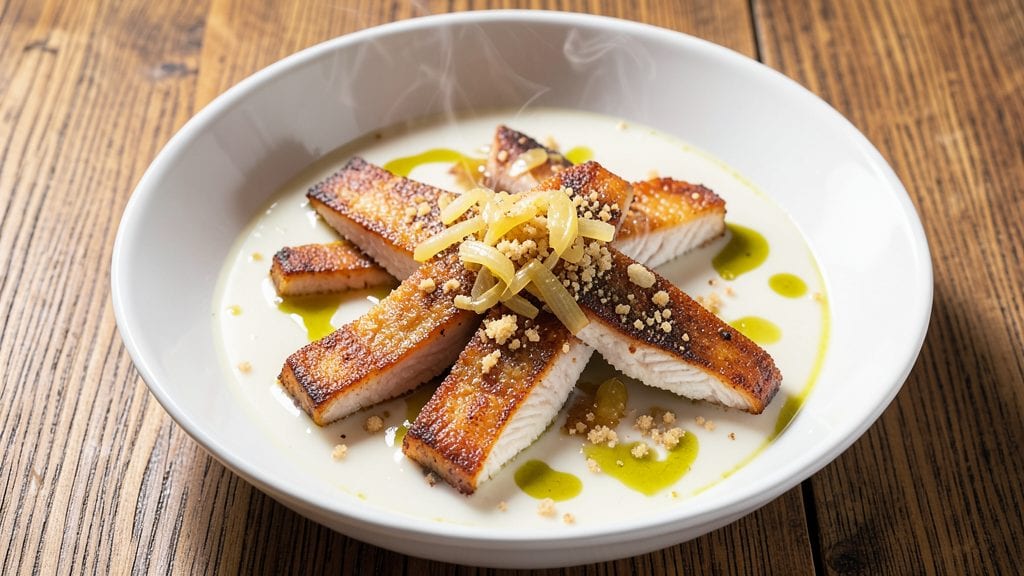
This snapper soup recipe transforms delicate white fish into crispy fried bites floating in a velvety tomato broth—where seafood meets comfort food in one unforgettable bowl.
The secret lies in double-frying the snapper for that perfect crunch while keeping the interior tender, paired with a rich, slightly sweetened broth that simmers for hours to develop deep umami.
I developed this after testing countless methods to balance texture and flavor, and it consistently delivers restaurant-quality results at home.
The process begins with carefully preparing the snapper—pat dry, seasoned, and fried in stages to ensure crispiness without oil overload. Meanwhile, the broth builds slowly with aromatics, crushed tomatoes, and a touch of cream for that luxurious mouthfeel.
What sets this apart is the technique of adding the fried fish at the very end, so it stays perfectly crisp while absorbing just enough broth to make each bite irresistible. Every spoonful delivers that satisfying contrast between the crunchy fish and silky broth.
This recipe is ideal for pescatarian meals or seafood lovers craving something hearty yet elegant. The creamy tomato base works beautifully with crusty bread for dipping, and optional garnishes like fresh parsley or a squeeze of lemon add brightness.
Whether you're feeding a crowd or treating yourself to a special dinner, this soup delivers restaurant-quality depth with minimal effort. Let's get cooking.
For those watching their dairy intake, a simple swap of heavy cream for coconut milk preserves the richness while keeping it dairy-free. The broth can also be made ahead and reheated, making this a perfect make-ahead meal for busy weeknights.
The key to success lies in precise timing—especially when frying the fish—and attention to simmering the broth to achieve that perfect balance of flavors.
Ingredients for snapper soup
Fresh snapper, aromatic tomatoes, and crispy panko—this soup delivers restaurant-quality texture and flavor in every bite.
| Ingredient | Amount | Notes |
|---|---|---|
| Snapper Fillets 🐟 | 1 ½ lb | Skin-on, cut into 1-inch pieces |
| All-Purpose Flour 🌾 | 1 ½ cups | For dredging fish pieces |
| Large Eggs 🥚 | 2 whole | Beaten for egg wash |
| Panko Breadcrumbs 🍞 | 1 cup | For extra crispiness |
| Extra-Virgin Olive Oil 🫒 | 3 cups | Divided for frying stages |
| Yellow Onion 🧅 | 1 whole | Diced, for aromatics |
| Garlic Cloves 🧄 | 6 cloves | Minced, for depth |
| Crushed Tomatoes 🍅 | 28 oz | High-quality canned |
| Heavy Cream 🥛 | 1 cup | Full-fat for richness |
| Vegetable Broth 💧 | 4 cups | Low-sodium preferred |
| Fresh Parsley 🌿 | ¼ cup | Chopped, for garnish |
| Lemon Juice 🍋 | 1 tbsp | Freshly squeezed |
| Salt 🧂 | 1 ½ tsp | Diamond Crystal preferred |
| Black Pepper 🌶️ | 1 tsp | Freshly cracked |
| Dried Thyme 🌿 | 1 tsp | Or 1 tbsp fresh |
| Bay Leaves 🍃 | 2 whole | For simmering |
| Granulated Sugar 🍬 | 1 tbsp | Balances acidity |
The snapper is everything here. Look for fresh, skin-on fillets at your fishmonger or seafood counter—the fresher, the better. If you can't find snapper, tilapia or cod works in a pinch, but snapper's delicate texture is ideal. Pat those fillets thoroughly dry before dredging—moisture is the enemy of crispiness. I always grab my snapper from Whole Foods or a trusted local seafood shop; their vacuum-sealed packs keep it fresh longer. For the tomatoes, San Marzano cans are worth the investment—they're sweeter and less acidic, which balances the broth perfectly. If you're using frozen snapper, thaw it overnight in the fridge, then pat it dry before proceeding.
No panko? Regular breadcrumbs toasted in the oven work, but panko's airy texture gives that perfect crunch. Heavy cream giving you pause? Coconut milk or half-and-half keeps the richness while cutting calories slightly. The vegetable broth can be swapped for seafood stock if you've got it—just reduce the salt since stock is often saltier. Fresh parsley is ideal, but dried parsley at one-third the amount works in a bind. For the lemon juice, Meyer lemons add a touch of sweetness, but regular lemons work too. Pro tip: Toast your spices—heat the dried thyme and bay leaves in a dry pan for 30 seconds to release their aromas before adding to the broth. It makes a world of difference.
This soup tastes even better the next day—the flavors meld beautifully when reheated gently. Store it in an airtight container for up to 3 days in the fridge, or freeze portions for up to 3 months. The fried fish stays crispy if you reheat it separately in a skillet for 1-2 minutes. For serving, I like to keep the fried fish in a separate bowl and let everyone add their own to their soup—it stays crispier that way. The broth can be made ahead and reheated, so prep the day before if you're short on time. Just add the fried fish at the very end to keep it perfect.
Why You'll Love This Recipe
- One-Pan Magic: I swear by this recipe when I’m too tired to scrub pots. The snapper gets crisped in the same pan where the soup simmers—no extra dishes, no stress.
- Crunchy-Creamy Bite: That panko crust on the snapper? Pure satisfaction. It shatters with every bite, while the inside stays tender—like a little flavor explosion you didn’t know you needed.
- Weeknight to Dinner Party: Honestly, it’s my go-to for both. Toss in a handful of spinach for a quick weeknight bowl, or add lemon zest and fresh herbs for a restaurant-worthy dish. No excuses.
- Budget-Friendly Luxury: Snapper fillets stretch further than you’d think, and the flour/egg/panko combo costs pennies. Leftovers? Even better—reheat gently, and it’s just as good the second day.
Step-by-step instructions for crispy fried snapper in creamy tomato broth
Here's how to transform delicate snapper into golden, crispy bites floating in velvety tomato broth.
Prepare the Snapper for Perfect Crispiness
Pat the 1.5 lb snapper fillets completely dry with paper towels—this is absolutely critical for achieving that coveted crispy crust. Cut each fillet into 1-inch pieces, leaving the skin intact as it helps maintain shape during frying. In a shallow bowl, whisk together the 2 whole large eggs until just combined, then season with 1.5 tsp salt and 1 tsp black pepper.
Create a dredging station by placing the 1.5 cups all-purpose flour in one bowl, the beaten egg mixture in another, and the 1 cup panko breadcrumbs in a third. The panko will give your fish bites that irresistible crunch, while the flour creates the initial structure. Work quickly to keep the fish from absorbing too much moisture before frying.
Fry the Snapper to Golden Perfection
Divide the 3 cups extra-virgin olive oil between two deep skillets and heat over medium-high heat until the oil reaches 350°F—use a thermometer for accuracy. Working in batches to avoid overcrowding, dredge each snapper piece first in flour, shaking off any excess, then dip into the egg wash, allowing any drips to fall back into the bowl, and finally coat thoroughly in panko breadcrumbs.
Carefully slide the coated snapper into the hot oil and fry for 2-3 minutes per side until golden brown and crispy. The key is maintaining that 350°F temperature—if it drops below 340°F, your fish will absorb oil instead of crisping. Transfer the fried snapper to a paper towel-lined plate to drain excess oil, then keep warm in a 200°F oven while you prepare the broth.
Build the Creamy Tomato Base
In a large Dutch oven, heat 2 tablespoons of the extra-virgin olive oil over medium heat. Add the diced 1 whole yellow onion and cook for 5 minutes until softened, then stir in the 6 minced garlic cloves and cook for 30 seconds until fragrant. Add the 28 oz crushed tomatoes, 1 tbsp granulated sugar, 1 tsp dried thyme, and 2 whole bay leaves, stirring to combine.
Pour in the 4 cups vegetable broth and bring to a gentle simmer. Let the mixture cook uncovered for 15 minutes to allow the flavors to meld and the liquid to reduce slightly by about ¼ cup. This step develops the rich, complex tomato base that will cradle your crispy fish bites. Taste and adjust seasoning with additional salt if needed.
Finish with Cream and Lemon Brightness
Reduce the heat to low and stir in the 1 cup heavy cream, being careful not to let it boil vigorously. Simmer gently for 5 minutes until the cream is fully incorporated and the soup reaches a luxurious, velvety consistency. Remove the bay leaves and stir in the 1 tbsp freshly squeezed lemon juice—this bright citrus note cuts through the richness of the cream and complements the fried fish beautifully.
Combine and Serve Immediately
Gently fold the crispy fried snapper into the creamy tomato broth, allowing each piece to be partially submerged in the sauce. The contrast of the warm, velvety broth against the crispy, golden fish is what makes this dish truly special. Ladle the soup into bowls and garnish each serving with the 0.25 cup chopped fresh parsley, adding a pop of color and freshness.
Serve immediately while the fish remains crispy and the broth is steaming hot. The combination of textures—crispy fish bites against creamy, aromatic broth—creates a dining experience that's both comforting and exciting. Each bite delivers that perfect balance of rich, savory, and bright flavors that define this exceptional seafood dish.
Pro Tips For Making Snapper Soup
- Pat the Snapper Dry: Wet fish sticks to flour like glue, and that’s a crust killer. After cleaning, press the fillets between paper towels—hard enough to leave a faint imprint. I learned this the hard way when my first batch turned into a soggy mess.
- Heat the Oil Right: Too hot, and your snapper burns before the crust sets. Too cool, and it steams into mush. Test with a pinch of flour—it should sizzle and turn golden in 30 seconds. (Yes, even if you’re impatient like me.)
- Dredge in Two Stages: Skip the egg wash first, and your breadcrumbs won’t stick. First coat the snapper in flour, shake off the excess, then dip in beaten egg, then panko. The extra step guarantees that crispy armor you’re after.
- Fry in Batches, Not Crowds: Overloading the pan drops the temperature and turns your golden crust into a greasy film. Work in single layers, and resist the urge to flip too soon—wait until the panko stops bubbling like crazy. (Your future self will thank you.)
Dietary considerations for these flavors
Pescatarian-Friendly Foundation
This snapper soup is naturally pescatarian-perfect, built entirely around fresh fish and plant-based ingredients. The star—1.5 lb snapper fillets—provides all the protein you need without any meat.
I always use wild-caught snapper when possible, as it has a cleaner flavor and firmer texture that holds up beautifully during frying. For those avoiding fish entirely, firm tofu or king oyster mushrooms can be substituted by following the same crispy-frying technique. 🐟
Dairy-Free Adaptations
The creamy texture comes from 1 cup heavy cream, but it’s easily swapped for dairy-free alternatives. I recommend full-fat coconut milk for richness or cashew cream (blend 1 cup soaked cashews with ½ cup water) for a neutral flavor.
For extra protein, add ¼ cup nutritional yeast—it adds a cheesy note that pairs perfectly with the tomato broth. The broth itself remains dairy-free, so the only adjustment is the cream component.
Gluten-Free Crispiness
Traditional breading uses flour and panko, but gluten-free cooks can achieve the same crunch with a few swaps. Use a 1:1 gluten-free flour blend (like Bob’s Red Mill) for dredging, and replace panko with crushed gluten-free cornflakes or gluten-free breadcrumbs.
For extra crunch, I like to toast the cornflakes in a dry pan for 2-3 minutes before using. The fish will still get that golden, crispy exterior without any gluten.
Low-Carb Options
To reduce carbs further, skip the flour dredge entirely and use only 1 cup panko breadcrumbs mixed with 1 tsp paprika for color and flavor. The panko alone provides enough structure for crispiness.
For the broth, ensure your vegetable broth is low-carb (check labels—some brands add thickeners like cornstarch). This keeps the dish under 10g net carbs per serving while maintaining all the flavor and texture.
Allergen-Friendly Swaps
For nut allergies, avoid cashew cream and opt for oat milk or soy cream instead. If you’re sensitive to sulfites (common in dried seafood), use fresh snapper only and avoid canned tomatoes unless labeled sulfite-free.
For shellfish allergies, this recipe is completely safe—just ensure your fishmonger sources snapper from a reputable supplier to avoid cross-contamination risks. Always double-check ingredient labels, especially for broth and spices, which can sometimes contain hidden allergens. 🌱
Kid-Friendly Adjustments
Kids often prefer milder flavors, so I recommend reducing the lemon juice to ½ tbsp and omitting the black pepper. For extra appeal, add ½ cup finely chopped sweet potato to the broth while simmering—it adds natural sweetness and makes the soup more approachable.
Serve the crispy fish on the side so little ones can dip it into the broth if they prefer. The creamy texture and familiar tomato flavor usually win them over quickly!
Nutrition facts
Frequently asked questions
Can I use frozen snapper instead of fresh for this recipe?
Yes, but thaw it properly first! Place frozen snapper in the refrigerator overnight to thaw completely, then pat it thoroughly dry before dredging. Never thaw at room temperature—this can cause bacteria growth. For best texture, use fresh snapper if possible, as frozen fish can become slightly mushy when fried.
How do I keep the fried fish crispy when adding it to the hot broth?
The secret is timing and technique. Fry the snapper just before adding to the soup, and keep it warm in a 200°F oven while you finish the broth. When combining, add the fish only at the very end and stir gently—don't submerge it completely. The residual heat will keep it crispy while absorbing just enough broth to make each bite flavorful.
What's the best way to make this soup dairy-free?
Replace the 1 cup heavy cream with 1 cup full-fat coconut milk for richness or cashew cream (blend 1 cup soaked cashews with ½ cup water). The broth remains dairy-free, so no other changes are needed. For extra protein, stir in ¼ cup nutritional yeast—it adds a cheesy flavor that complements the tomatoes beautifully.
Can I make this soup ahead of time?
Prepare the broth up to 2 days ahead and store it in an airtight container in the fridge. Reheat gently on the stove, then add the fried snapper just before serving to maintain crispiness. For the fish itself, fry it fresh and keep warm in the oven until ready to serve—it reheats beautifully in 1-2 minutes in a skillet.
What if I don't have panko breadcrumbs?
No problem! Use regular breadcrumbs instead, but toast them first in a dry pan for 2-3 minutes until golden for extra crunch. For gluten-free options, try crushed cornflakes or gluten-free breadcrumbs. Just be sure to coat the fish thoroughly—this is what creates that satisfying crunch in every bite.