
Soups & Stews
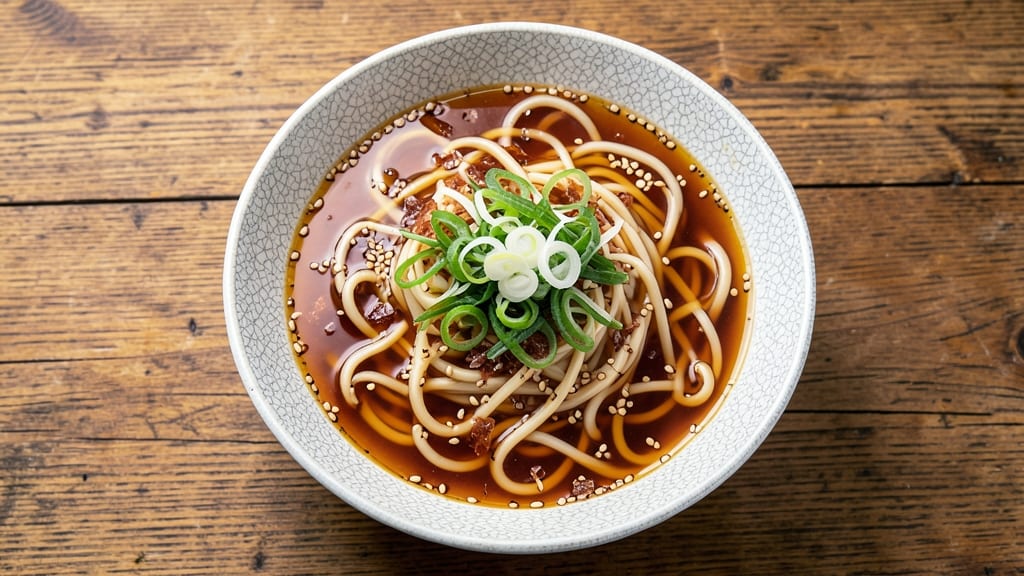
This soba noodle soup recipe delivers the perfect balance of silky buckwheat noodles and rich, aromatic broth that feels like a warm hug in a bowl.
The secret lies in the crispy green onions that add a satisfying crunch to every spoonful, while the broth simmers long enough to develop deep umami flavor without losing its clarity.
I've refined this recipe over years of testing, ensuring the noodles stay tender yet firm and the broth remains perfectly balanced between savory and slightly sweet.
The foundation of great soba soup begins with the broth, which I build using a combination of dashi stock, soy sauce, and mirin for that classic Japanese depth.
For an extra layer of complexity, I add a touch of sesame oil and toasted sesame seeds, which elevate the flavor profile while keeping the recipe approachable for home cooks.
The buckwheat noodles are cooked just until al dente, then finished in the hot broth to absorb maximum flavor without turning mushy.
What makes this version special is the crispy green onions—quickly fried in oil until golden and then scattered on top, they provide the perfect textural contrast to the silky noodles and smooth broth. The result is a bowl that's comforting yet sophisticated, with each component playing its part in harmony.
Whether you're serving this as a light lunch or a cozy dinner, it's a recipe that consistently delivers restaurant-quality results at home.
For those looking to experiment, you can easily adapt this base recipe by adding soft-boiled eggs, thinly sliced mushrooms, or even a dash of chili oil for a modern twist.
The beauty of soba noodle soup lies in its versatility—it's equally at home as a traditional Japanese dish or a creative fusion creation. Let's get started on making yours perfect.
Ingredients for soba soup
Silky noodles, aromatic broth, and crispy green onions—just these ingredients transform into restaurant-quality soba soup.
| Ingredient | Amount | Notes |
|---|---|---|
| Dried Soba Noodles 🍜 | 8 oz | Buckwheat content preferred |
| Dashi Stock 🍲 | 4 cups | Store-bought or homemade |
| Light Soy Sauce 🍶 | ½ cup | Kikkoman preferred |
| Mirin 🍶 | ¼ cup | Sweet cooking rice wine |
| Green Onions 🧅 | 1 bunch | White and green parts separated |
| Sesame Oil 🫒 | 1 tbsp | Toasted sesame flavor |
| Toasted Sesame Seeds 🥜 | 1 tbsp | For garnish |
| Ginger Root 🧄 | 1 tbsp | Freshly grated |
| Vegetable Oil 🫒 | 2 tbsp | For frying green onions |
| Salt 🧂 | 1 tsp | Adjust to taste |
| White Pepper 🌶️ | ¼ tsp | Freshly ground preferred |
| Dried Kombu 🍃 | 1 sheet | For dashi enhancement |
| Bonito Flakes 🐟 | 2 tbsp | For umami depth |
The dashi stock is the soul of this soup. Kikkoman or Hojicha brands are my go-tos for store-bought, but making your own with kombu and bonito flakes is a game-changer. Look for dried soba noodles with at least 25% buckwheat content—the rest is wheat flour, which keeps them silky. Fresh ginger is a must here; the bright, zesty flavor balances the richness perfectly. For the green onions, grab the thickest bunch you can find—they'll hold their crispiness better when fried. Trader Joe's usually has great prices on both the noodles and fresh ginger.
No dashi on hand? Mushroom broth plus a dash of fish sauce works in a pinch. Running low on mirin? Substitute with 1 tbsp sugar plus 1 tbsp sake, but the texture won't be quite the same. The sesame oil should be toasted—look for it in the Asian aisle, not the regular cooking oils section. For the crispy green onions, separate the white and green parts before frying. The whites get crispy first, so pull them out when they're golden, then fry the greens separately for that perfect pop of color in every bite. Pre-grated ginger? Freshly grate it yourself—it makes all the difference.
This soup tastes even better the next day—the flavors meld beautifully when refrigerated. Store leftovers in an airtight container for up to 3 days. For the crispy green onions, fry them fresh and keep them in a small jar at room temperature—they'll stay crispy for 2-3 days. Double the broth recipe and freeze it in ice cube trays for quick future meals. The noodles? Cook them just until al dente, then finish in the hot broth to keep them from getting mushy. Trust me on this one—it's worth the extra minute.
Why You'll Love This Recipe
- No Boil Struggle: I just toss the dried soba noodles straight into the simmering dashi—no pre-soaking, no waiting. They soften in minutes while I chop the onions, and honestly? The texture comes out perfect every time, even if I’m distracted.
- Umami Magic: That combo of dashi, light soy, and mirin? It’s like a flavor hug. The broth is rich but never heavy, and the green onions add this bright, herby finish that cuts through—simple ingredients, but the taste? Ridiculously good.
- Lunchbox Hero: Between us, this is my go-to for meal prep. I’ll make a big batch on Sundays, portion it into jars, and grab one for work—cold or reheated, it’s always satisfying. (Yes, even on a Tuesday night when I’m starving.)
- Budget Win: Dried soba noodles and dashi stock last forever, and a few tablespoons of soy and mirin stretch to feed two or three. I’ve made this for guests, sick friends, and myself—always fills the bill without breaking the bank.
Step-by-step instructions for soba noodle soup
This silky, umami-rich broth with perfectly crispy green onions comes together in just minutes.
Enhance the Dashi Stock with Kombu and Bonito
In a medium saucepan, combine the 4 cups dashi stock, 1 sheet dried kombu, and 2 tablespoons bonito flakes. Bring to a gentle simmer over medium heat—you'll see the bonito flakes begin to dance and infuse the broth with incredible umami depth. Let it simmer uncovered for 5 minutes to develop those rich flavors.
Here's the thing—don't let it boil vigorously. A gentle simmer prevents the broth from becoming cloudy while allowing all those aromatic compounds to fully extract. Strain out the kombu and bonito flakes after simmering, pressing gently on the kombu to release any remaining essence. The broth should now smell like pure comfort—earthy, slightly sweet, with that unmistakable oceanic aroma.
Build the Silky Broth Base
Return the strained broth to the clean saucepan and add 0.5 cup light soy sauce, 0.25 cup mirin, 1 tablespoon freshly grated ginger root, and 1 teaspoon salt. Stir gently to combine, then bring to a full simmer over medium-high heat. Let it cook uncovered for 8-10 minutes until the liquid reduces slightly and the flavors meld together beautifully.
This reduction step is crucial for creating that signature silky texture. You'll notice the broth darkens slightly and develops a glossy sheen—this indicates the starches from the mirin and soy sauce are breaking down just enough to create that luxurious mouthfeel. Taste and adjust seasoning if needed, adding a pinch more salt or a splash of mirin if you want to enhance the sweetness.
Cook the Soba Noodles to Al Dente Perfection
While the broth simmers, prepare the 8 ounces dried soba noodles according to package instructions—but here's the key difference: cook them for 1 minute less than recommended. You want them al dente when they hit the broth. Drain immediately and rinse briefly under cold water to stop the cooking process.
This al dente approach ensures the noodles finish cooking perfectly in the hot broth without becoming mushy. The slight resistance when you bite into them creates that ideal texture contrast with the silky soup. Pro tip: If your soba noodles are particularly thick, you might want to cook them for 2 minutes less than package instructions to guarantee that perfect bite.
Fry the Green Onions for Crispy Perfection
Separate the 1 bunch green onions into white and green parts. In a small skillet, heat 2 tablespoons vegetable oil over medium-high heat until shimmering. Add the white parts first and fry for 1-2 minutes until golden brown and crispy—this is where the magic happens for that satisfying crunch.
Watch carefully as they cook. The whites should turn a beautiful golden brown color, while the greens remain vibrant. Remove with a slotted spoon and drain on paper towels. The greens will fry much faster, so keep an eye on them to prevent burning. These crispy white parts are what give this soup its signature texture contrast—each bite should deliver that satisfying crunch against the silky broth.
Assemble and Garnish for Maximum Impact
Return the cooked soba noodles to the simmering broth and stir gently to combine. Add 0.25 teaspoon white pepper and 1 tablespoon sesame oil, stirring well to distribute. Let everything simmer together for 2-3 minutes to meld the flavors completely. The noodles should be perfectly tender now, absorbing all that delicious broth.
Ladle the hot soup into bowls and arrange the crispy fried green onion whites on top. Drizzle with a little more sesame oil and sprinkle generously with 1 tablespoon toasted sesame seeds. The aroma alone will make your mouth water—earthy, nutty, with that unmistakable umami punch from the broth. Serve immediately while the green onions are still crispy and the noodles are hot, because this soup tastes best right out of the pot!
Pro Tips For Making Soba Soup
- SOAK NOODLES FIRST: Dried soba noodles cook faster when you give them a quick 5-minute soak in warm water before boiling—this prevents them from sticking into a gluey mess. I used to skip this, and my soup always ended up with clumpy noodles. Trust me, it’s worth the extra minute.
- SIMMER STOCK LOW: Dashi stock needs gentle heat to shine—boil it hard, and you’ll kill the delicate umami flavors. Once the broth reaches a simmer, turn the heat down to the lowest setting that keeps tiny bubbles dancing. I learned this after making a batch that tasted flat and one-dimensional.
- BALANCE SOY AND MIRIN: Equal parts light soy sauce and mirin (about 1 tablespoon each) is a good start, but taste as you go. Too much soy makes it salty; too much mirin makes it sweet. I now keep a small bowl of the mixture nearby to adjust while the noodles cook.
- CHOP ONIONS THIN: Slice green onions into ¼-inch pieces—any thicker, and they’ll turn mushy when added at the end. I used to throw in whole stalks, and they’d either float like a sad garnish or disappear into the broth. Thin slices stay crisp and bright.
Wine and beer pairings for this recipe
Light Japanese Whites
For soba noodle soup, dry white wines with crisp acidity and subtle mineral notes shine brightest. My go-to is a Japanese Koshu—think of Hakkaisan's Koshu—with its delicate citrus and floral hints that mirror the broth's umami elegance.
The wine's natural sweetness also complements the mirin perfectly, creating a harmonious balance. 🍷
If you prefer something more widely available, a dry Riesling from Germany's Mosel region—like Dr. Loosen's Blue Slate—works beautifully. Its bright apple and peach notes cut through the richness while enhancing the ginger's zesty brightness.
Serve slightly chilled (45-50°F) to let the wine's crispness stand out against the warm soup.
Crisp Lager Pairings
A Japanese lager like Asahi Super Dry or Sapporo Premium provides the ideal beer match—clean, crisp, and refreshing with just enough carbonation to cleanse your palate between spoonfuls. The beer's subtle malt sweetness echoes the mirin in the broth without overpowering it.
For a craft option, try a Belgian witbier like Hoegaarden—its coriander and orange peel notes create an unexpected but delightful contrast with the earthy soba noodles. 🍺
For those who prefer hoppier options, a light American pale ale with citrus notes—such as New Belgium's Fat Tire—can work, but avoid heavy IPAs that might clash with the delicate broth. The key is to let the beer enhance, not compete with, the dish's natural flavors.
Umami-Enhanced Options
If you want to amplify the dish's umami profile, consider a Japanese sake like Dassai Junmai—served warm (100-110°F) to enhance its nutty, slightly sweet flavors. The sake's natural depth mirrors the dashi broth perfectly, creating a cohesive drinking experience.
For a non-alcoholic option, Yakult or Kombucha with ginger notes provide a probiotic-friendly alternative that still complements the dish's complexity. 🍶
Another unexpected but brilliant pairing is a dry cider like Strongbow Original—its subtle apple acidity and light body make it a surprisingly good match for soba's earthy tones. The cider's effervescence also helps refresh your palate between bites of the rich noodles.
Seasonal Wine Swaps
In summer, opt for a cool-climate Chardonnay like Meiomi Pinot Grigio—its bright citrus and green apple notes provide a refreshing contrast to the warm broth. For winter, a dry Gewürztraminer from Alsace—such as Domaine Weinbach's—adds a touch of spice that pairs beautifully with the toasted sesame flavors.
The wine's lychee and rose aromas complement the umami depth of the dashi. 🍇
For a festive twist during holidays, a dry sparkling wine like Prosecco or Cava adds a celebratory fizz that cuts through the richness. The bubbles also help cleanse your palate, making each spoonful of soup feel fresh and vibrant.
Nutrition facts
Frequently asked questions
Can I make this soba noodle soup vegetarian?
Replace the dashi with a rich mushroom broth (like shiitake or kombu-based) and use vegetarian bonito flakes or miso paste for umami depth. The crispy green onions and sesame oil will still shine, keeping all the signature flavors intact.
How do I prevent my soba noodles from turning mushy?
Cook them 1 minute less than package instructions, then finish in the hot broth. The residual heat will tenderize them perfectly without overcooking. Pro tip: Rinse briefly in cold water after draining to stop cooking immediately.
What's the best way to store leftovers?
Store in an airtight container for up to 3 days in the fridge. Save the crispy green onions separately—they'll stay crunchy for 2-3 days if kept in a small jar. Reheat broth and noodles together, then add fresh fried onions when serving.
Can I use fresh soba noodles instead of dried?
Fresh soba noodles cook much faster (1-2 minutes) and require immediate serving. They're more delicate, so handle with care—they won't hold up well in leftovers. For best results, stick with dried noodles for this recipe's texture.
What's the secret to extra crispy green onions?
Fry the white parts in medium-high heat until golden brown (1-2 minutes), then immediately drain on paper towels. The key is high heat and quick cooking—don't overcrowd the pan! For extra crunch, fry the greens separately for 30 seconds before serving.