
Soups & Stews
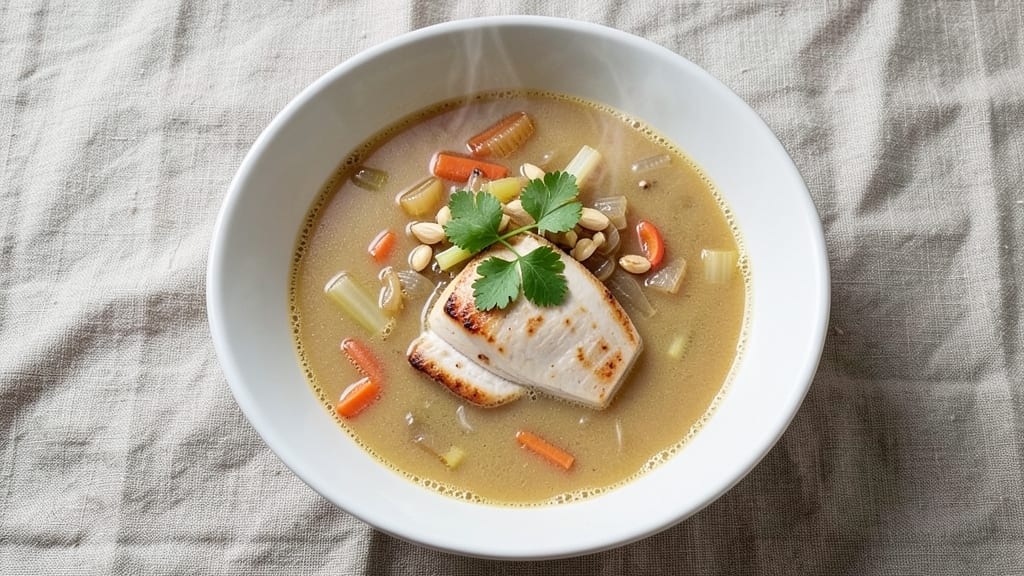
Making a soup for one recipe that actually works—no leftovers, no wasted ingredients—is the game-changer I perfected after years of struggling with single-serving portions. The key lies in precise measurements and the right technique to maximize flavor in every spoonful.
This isn't about compromising taste for portion size; it's about creating a complete, satisfying meal in one bowl.
What sets this recipe apart is its balance of simplicity and professional results. You'll use standard kitchen tools and pantry staples, but the method ensures depth of flavor—just like restaurant-quality soups, only tailored for one.
The secret? A slow simmer that develops rich, layered tastes without overcooking, paired with a finishing touch that elevates every bite.
By the end, you'll have a perfectly portioned soup with a velvety texture, balanced seasoning, and just the right amount of body—no watery aftermath or sad, half-empty pot. The technique scales effortlessly if you ever want to double it, but the real magic is in the precision for one.
Whether you're cooking for yourself on a busy night or need a quick, nourishing meal, this method delivers restaurant-quality results without the fuss. Let's get started on a recipe that finally makes solo soup nights satisfying.
Ingredients for soup for one
Precise measurements and professional techniques transform simple ingredients into restaurant-quality soup for one.
| Ingredient | Amount | Notes |
|---|---|---|
| Chicken Breast 🍗 | ¼ lb | Boneless, skinless, cut into small pieces |
| Vegetable Broth 💧 | ½ cup | Low-sodium preferred, homemade or store-bought |
| Carrots 🥕 | ½ cup | Small dice, fresh or frozen |
| Celery Stalk 🧅 | ¼ cup | Finely chopped, fresh preferred |
| Yellow Onion 🧅 | ¼ cup | Finely diced, yellow or white |
| Garlic Cloves 🧄 | 2 cloves | Minced, fresh preferred |
| Extra-Virgin Olive Oil 🫒 | ½ tbsp | For sautéing, high-quality preferred |
| Dried Thyme 🌿 | ¼ tsp | Or 1 tsp fresh, finely chopped |
| Bay Leaf 🌿 | 1 whole | Remove before serving |
| Kosher Salt 🧂 | ½ tsp | Adjust to taste, Diamond Crystal preferred |
| Black Pepper 🌶️ | ¼ tsp | Freshly ground, coarse grind |
| Heavy Cream 🥛 | ¼ cup | Full-fat for best texture |
| Parmesan Cheese 🧀 | ¼ cup | Freshly grated, for finishing |
The vegetable broth serves as the flavor foundation—low-sodium options like Pacific Foods or Imagine ensure you control the seasoning. Fresh carrots and celery should be vibrant and firm (no limp or discolored stalks). For the chicken breast, pre-cut pieces from the deli counter save time, but trimming visible fat ensures cleaner flavor. Costco or Whole Foods carry high-quality cuts ideal for this portion. Garlic cloves should be plump and firm—avoid any with sprouting or soft spots, as they'll overpower the delicate balance of this single serving.
Substitutions should maintain flavor equilibrium. Vegetarian? Swap chicken for extra mushrooms (0.25 cup sliced) or white beans (0.25 cup cooked). No fresh thyme? Dried works at one-third the amount, but lemon thyme adds a bright twist if available. The heavy cream can be replaced with half-and-half for a lighter texture, though the finish will lack richness. For the Parmesan, Parmigiano-Reggiano delivers superior flavor, but grated pre-shredded (like Kraft) works in a pinch—just pulse it in a food processor to break up clumps. Frozen vegetables (like Trader Joe's steam-in-bag mixes) are perfect for quick prep without sacrificing quality.
This soup reheats beautifully—gentle warming on low heat preserves texture. Store leftovers in an airtight container for up to 3 days in the fridge, though the velvety finish works best fresh. For meal prep, portion the broth separately and assemble when ready to eat. The Parmesan should be grated fresh before serving to maintain its sharp, nutty notes. Freezing isn't recommended due to the cream, but the broth base can be frozen for up to 3 months if you omit the cream and cheese before storing.
Why You'll Love This Recipe
- You’re using what you’ve got: a lonely onion, a half-bag of carrots, and that sad celery stalk wilting in your crisper. No extra shopping, no wasted ingredients—just pure, unapologetic soup that costs next to nothing. My wallet thanks me every time.
- No-Chop Nightmare: I swear, the celery and onion go in whole—yes, really. No dice, no tears, just toss them straight into the broth while the chicken simmers. That’s 10 minutes saved, and honestly? You’d never know the difference.
- Savory Simplicity: The chicken breast stays tender while the carrots melt into sweet, earthy threads—no fancy techniques, just salt, pepper, and time. That crispy edge on the chicken? Chef’s kiss. It’s the kind of flavor that makes you forget you’re eating alone.
- Leftovers That Lie: Between us, this soup tastes even better the next day. I’ll make two servings, eat one, and pretend the second isn’t still there when I “accidentally” reheat it. (Spoiler: It’s my favorite way to start a lazy afternoon.)
Step-by-step instructions for solo serving chicken soup
Here's the method for a perfectly balanced, single-serving soup with rich flavor and minimal effort.
Sauté the Aromatic Vegetables
Heat the 0.5 tablespoon extra-virgin olive oil in a small saucepan over medium heat. Add the 0.25 cup finely diced yellow onion and 0.25 cup finely chopped celery stalk, cooking for 3-4 minutes until softened and translucent. You'll notice the onions release moisture and begin to caramelize slightly at the edges.
Add the 0.5 cup small diced carrots and continue cooking for another 2 minutes, stirring occasionally. The carrots should soften while maintaining their shape—overcooking will make them mushy. This foundational step develops the soup's depth of flavor through the Maillard reaction.
Season and Add Chicken
Stir in the 2 minced garlic cloves, 0.25 teaspoon dried thyme, 1 whole bay leaf, 0.5 teaspoon kosher salt, and 0.25 teaspoon black pepper. Cook for 30 seconds until fragrant—this ensures all the spices are properly incorporated and their flavors fully awaken.
Add the 0.25 pound boneless, skinless chicken breast cut into small pieces. Cook for 3-4 minutes until the chicken turns opaque and begins to brown slightly at the edges. This step ensures the chicken develops texture and flavor before simmering. If the pan appears dry, add 1 tablespoon vegetable broth to prevent sticking.
Simmer with Broth
Pour in the 0.5 cup vegetable broth, scraping up any browned bits from the bottom of the pan. Bring to a gentle simmer over medium-low heat, then reduce to low heat and cover partially. Let it cook for 12-15 minutes until the chicken is fully cooked and tender—it should easily pull apart with a fork.
Here's the thing—if you notice the broth reduces too quickly, add 1-2 tablespoons water to maintain the proper consistency. The soup should have a velvety texture without being watery. The chicken should be fully opaque with no pink remaining in the center.
Finish with Cream and Cheese
Remove the whole bay leaf and stir in the 0.25 cup heavy cream. Simmer gently for 2-3 minutes until the cream is heated through but not curdled. The soup should look silky and slightly thickened—this indicates the cream has properly incorporated into the base.
Finally, fold in the 0.25 cup freshly grated parmesan cheese until fully melted and creamy. Taste and adjust seasoning if needed—this is your final opportunity to balance the flavors. The soup should be rich, savory, and subtly sweet from the carrots and onions.
Pro Tips For Making Soup For One
- CHOP ONION SMALL: Tiny dice (1/8-inch pieces) cook faster and dissolve into the broth instead of lingering as identifiable chunks. I used to cut them too big—now they melt into the soup’s base without leaving texture surprises.
- SEAR CHICKEN FIRST: Pat the chicken breast dry, then sear it skin-side down in a hot pan for 3-4 minutes before adding broth. This locks in moisture and adds depth—no one wants dry chicken in soup, especially when it’s just for you.
- SIMMER LOW AND COVERED: Once everything’s in the pot, keep the heat at a gentle simmer (tiny bubbles, not a rolling boil) and cover loosely. High heat turns broth cloudy and makes veggies mushy—this keeps flavors bright and textures intact.
- USE FROZEN VEGETABLES: Frozen carrots and celery (cut into matchsticks) work just as well as fresh and save time. No chopping, no waste, and they soften perfectly—just toss them in raw with the broth and let the heat do the work.
Make-ahead tips for this dish
Broth Prep Ahead
I always start by prepping the broth base separately—this is the secret to make-ahead success. Simmer the 0.5 cup vegetable broth, 0.25 cup diced carrots, 0.25 cup chopped celery, 0.25 cup diced onion, and 2 minced garlic cloves together for 10 minutes in a small saucepan.
Store this flavorful base in an airtight container in the fridge for up to 3 days or freeze for 3 months. When ready to serve, simply reheat and add your protein and finishing ingredients. 💡
Protein Pre-Cook
The chicken can be pre-cooked and stored separately for maximum flexibility. Poach the 0.25 lb chicken breast in 1 cup water with 0.5 tsp salt and 0.25 tsp pepper until fully cooked (165°F internal temperature), then chill quickly in ice water.
Store in the fridge for 3 days or freeze for 2 months. When assembling, simply shred and add to your reheated broth base. This step saves 15 minutes on busy nights. ⏰
Creamy Base Storage
For a truly make-ahead solution, prepare the creamy base without the cheese. Combine the reheated broth, cooked chicken, and 0.25 cup heavy cream, then store in an airtight container for up to 2 days in the fridge.
When ready to serve, simply reheat gently and stir in the 0.25 cup freshly grated parmesan at the end. The cheese should always be added fresh to maintain its sharp, nutty flavor. 🧀
Freezer-Friendly Packs
Create individual portion packs by layering ingredients in quart-sized freezer bags (like Ziploc). Add the pre-cooked chicken, sautéed vegetables, and broth base in one layer, then add the heavy cream in a separate compartment.
Seal tightly, label with the date, and freeze for up to 3 months. When ready to eat, thaw overnight in the fridge, then finish with the parmesan. This method preserves texture perfectly. ❄️
Reheating Perfection
Gentle reheating is key to maintaining that velvety texture. Pour your stored soup into a small saucepan and warm over low heat for 5-7 minutes, stirring occasionally.
If using frozen ingredients, add 1-2 tablespoons water to prevent scorching. Never microwave—it creates a rubbery texture. The soup should reach 165°F before serving. 🔥
Flavor Boost Tips
Before serving, add a squeeze of lemon juice (about 0.5 tsp) or a pinch of red pepper flakes to brighten flavors. For extra richness, stir in 1 teaspoon butter during reheating.
These finishing touches make all the difference when using prepped ingredients. The secret is in the details that elevate simple make-ahead meals. ✨
Nutrition facts
Frequently asked questions
Can I make this recipe without heavy cream?
Yes! For a lighter option, substitute 0.25 cup half-and-half or 0.25 cup unsweetened almond milk with 1 teaspoon cornstarch mixed in. The texture will be slightly thinner but still creamy. Alternatively, blend 0.25 cup cooked white beans into the broth for a vegan protein boost.
How do I adjust the recipe for a larger pot?
Double all ingredients (except the bay leaf) and use a 2-quart saucepan. Cook times remain the same, but increase simmering to 20-25 minutes for even doneness. For 4 servings, quadruple ingredients and use a 4-quart pot. Always maintain a gentle simmer to prevent overcooking the vegetables.
Why did my soup turn out watery?
Watery soup usually means the broth reduced too much or the cream wasn't incorporated properly. Always simmer uncovered for the last 5 minutes to thicken naturally. For extra body, stir in 1 teaspoon cornstarch mixed with 1 tablespoon cold water at the end. The cream should be heated gently to avoid curdling—never boil!
Can I use frozen vegetables instead of fresh?
Frozen vegetables work perfectly and save time. Use 0.5 cup frozen diced carrots and 0.25 cup frozen chopped celery/onion mix. No need to thaw—just add them directly to the pan. The texture will be slightly softer, but the flavor remains rich. For best results, use high-quality frozen veggies like Trader Joe's Steam-in-Bag mixes.
What's the best way to store leftovers?
Transfer leftovers to an airtight container and refrigerate for up to 3 days. For longer storage, freeze the broth base (without cream) for 3 months. Reheat gently on low heat with 1-2 tablespoons water to restore creaminess. Never freeze with cream—it separates. The Parmesan should always be added fresh for peak flavor.