
Soups & Stews
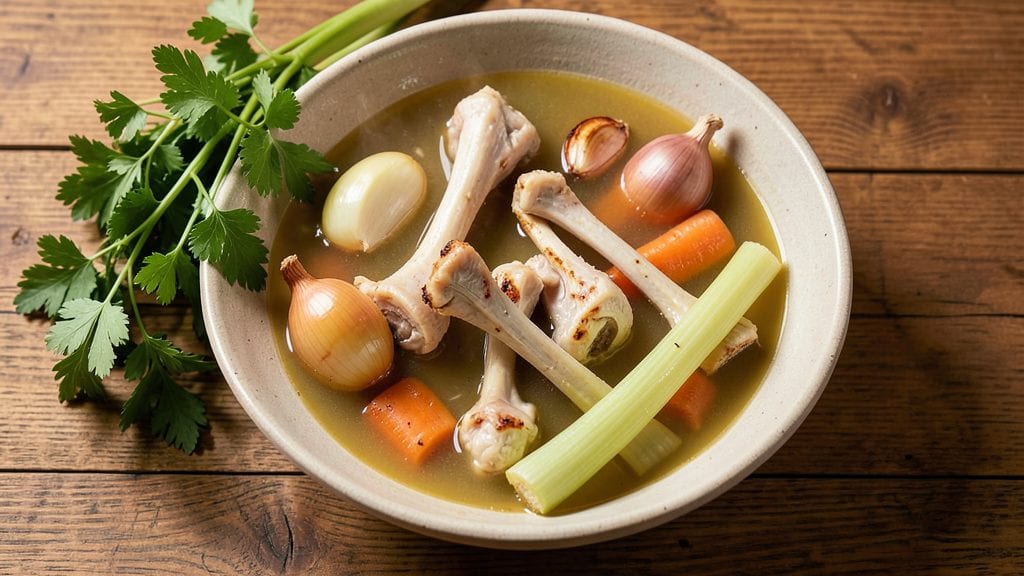
Creating a rich, flavorful soup stock from pantry staples delivers the kind of depth that transforms ordinary soups into something extraordinary. This bone-in stock recipe builds layers of savory richness through slow simmering, extracting maximum flavor from every ingredient without requiring specialty items.
The key lies in proper preparation—starting with bones and aromatics that develop complex, umami-packed results.
What makes this stock recipe truly professional is its simplicity combined with precision. You'll use basic ingredients like chicken bones, onions, carrots, and celery—common pantry staples that combine to create a foundational liquid with restaurant-quality depth.
The long simmering process (typically 4-6 hours) transforms tough bones into tender, flavorful meat while extracting gelatin for that signature silky texture.
By following this method, you'll end up with a deeply aromatic stock that's perfect for any soup, stew, or braise. The flavor develops gradually through controlled simmering, ensuring no bitterness while maximizing extraction of collagen and minerals.
This is the kind of stock that elevates every dish it touches, turning simple recipes into something truly special.
The beauty of this recipe is its versatility—use it immediately or store it for up to 3 months in the freezer. Whether you're making classic chicken noodle soup or a hearty beef stew, this stock forms the flavorful backbone of any dish.
Let's create the foundation for your next culinary masterpiece.
Ingredients for soup stock
Pantry staples and bones transform into restaurant-quality stock through patience and precision.
| Ingredient | Amount | Notes |
|---|---|---|
| Chicken Bones 🍗 | 4 lb | With meat attached, raw |
| Yellow Onions 🧅 | 2 whole | Medium size, peeled |
| Carrots 🥕 | 4 whole | Medium size, scrubbed |
| Celery Stalks 🌿 | 4 whole | Medium size, trimmed |
| Garlic Cloves 🧄 | 8 cloves | Peeled, smashed |
| Fresh Parsley Stems 🌿 | 4 whole | Tough stems only |
| Fresh Thyme Sprigs 🌿 | 2 whole | Stems intact |
| Bay Leaves 🍃 | 2 whole | Dried, standard size |
| Black Peppercorns 🌶️ | 1 tbsp | Crushed, whole |
| Coarse Sea Salt 🧂 | 1 tbsp | Diamond Crystal preferred |
| White Wine 🍷 | 1 cup | Dry, bone-dry preferred |
| Cold Water 💧 | 16 cups | Filtered preferred |
The chicken bones are the foundation—look for bone-in, skin-on pieces from the butcher section, ideally with some meat clinging to them. Whole chickens or backs work best, as they contain more marrow-rich bones. If using store-bought, check for freshness within 2-3 days of purchase. The aromatics—onions, carrots, and celery—should be fresh but not overly sweet; older vegetables develop bitterness during long simmering. For herbs, dried thyme and parsley stems work, but fresh thyme sprigs add an unmatched depth. The key is balancing these components: bones for gelatin, vegetables for sweetness, and herbs for complexity.
No fresh thyme? Dried thyme at one-third the amount suffices, but fresh is non-negotiable for true depth. Running short on wine? Apple cider vinegar or lemon juice adds acidity without alcohol's sharpness. Substitute carrots with turnips or parsnips for earthier notes, though the color will differ. For a vegetarian version, mushroom stems or kombu seaweed (1 sheet) replace bones, though gelatin extraction will be minimal. The water must be cold—room-temperature water introduces bacteria—and filtered if possible to avoid off-flavors. Prep all vegetables uniformly: chop onions into quarters, carrots into 2-inch chunks, and celery into 3-inch pieces to ensure even cooking.
This stock develops over time—4-6 hours of simmering is ideal, though it can simmer overnight for deeper flavor. Skim foam in the first 30 minutes to remove impurities. Store in glass jars or airtight containers in the refrigerator for up to 5 days or freeze in 1-cup portions for 3 months. The gelatin-rich stock thickens as it cools; reheat gently to restore consistency. For restaurant-quality results, strain through a fine-mesh sieve before storing to remove any remaining particles. The first batch is always the best—use it immediately to elevate soups, stews, or braises.
Why You'll Love This Recipe
- Pantry Magic: I swear by this stock—no special shopping list. The bones, onions, carrots, and celery are all things I already have lurking in my freezer or fridge. Honestly, it’s the kind of recipe that turns scraps into something golden.
- Deep Umami Hit: That first sip? Rich, savory, and layered with flavor from slow-simmered bones and garlic. I’m not kidding—this stock tastes like a hug for my taste buds, especially when I use it in pasta or risotto.
- Stockpile Savior: Freeze it in ice cube trays for single-serving use or stash it in jars. I always have backup when I need to throw together a quick soup or braise. Between us, I’ve saved at least $50 this year by making my own.
- Zero-Waste Winner: Every bit of the onion, celery, and carrot gets used—no sad, wilted scraps going to waste. I’ll be real: my kids even ask for seconds because they love the way it makes everything taste better. (Yes, even their veggies.)
Step-by-step instructions for soup stock recipe
Transform raw chicken bones into velvety, aromatic stock using only pantry staples and precise technique.
Prepare the Bones and Vegetables
Begin by inspecting the 4 lb chicken bones for any remaining meat or cartilage, scraping off any excess with a knife. Rinse them under cold water and pat thoroughly dry with paper towels—this prevents cloudiness in your finished stock. Chop the 2 whole yellow onions, 4 whole carrots, and 4 whole celery stalks into 1-inch pieces for even extraction.
In a large stockpot, combine the prepared bones with the chopped vegetables. Add the 8 cloves garlic cloves (smashed), 4 whole fresh parsley stems (tough stems only), 2 whole fresh thyme sprigs, and 2 whole bay leaves. The vegetables form a flavorful base called mirepoix, while the herbs infuse subtle depth. Do not skip this step—it ensures balanced flavor without overpowering bitterness.
Toast and Deglaze the Bones
Place the stockpot over medium-high heat and toast the bones and vegetables for 10 minutes, stirring occasionally. You’ll hear sizzling as the bones release their initial juices, and the vegetables begin to soften slightly. This step caramelizes natural sugars, deepening the stock’s complexity.
Once the mixture darkens slightly, pour in the 1 cup white wine and scrape the bottom of the pot with a wooden spoon to release any browned bits. These fond particles carry concentrated flavor. Let the wine simmer for 3 minutes until fully evaporated—this deglazing step prevents a flat, watery stock.
Simmer the Stock for Deep Flavor
Add the 16 cups cold water and bring the mixture to a rolling boil over high heat. Once boiling, reduce the heat to low and maintain a gentle simmer—never a full boil, as this can cause the stock to become cloudy. Skim off any foam or impurities that rise to the surface during the first 15 minutes of simmering.
Cover the pot and continue simmering for 3 to 4 hours, partially covered. The stock should reduce slightly, intensifying its flavor. Check occasionally to ensure the liquid remains at a gentle simmer—never let it boil vigorously. The bones should become soft and yield to a fork, signaling collagen breakdown and maximum richness.
Strain and Finish the Stock
After simmering, remove the pot from heat and let the stock sit for 10 minutes to allow any settled particles to sink. Line a fine-mesh strainer with cheesecloth or a coffee filter for ultra-clear stock. Pour the stock through the strainer into a large bowl or pitcher, pressing gently on the solids to extract every last drop of flavor.
Discard the solids and return the strained stock to the pot. Add the 1 tbsp coarse sea salt and 1 tbsp black peppercorns, stirring to dissolve. Taste and adjust seasoning if needed—this stock should be deeply savory, with a subtle herbal note from the thyme and parsley. Let it cool to room temperature before refrigerating or using in recipes.
Store and Use for Maximum Freshness
Transfer the stock to airtight containers, leaving 1-inch headspace to prevent mold. It will keep in the refrigerator for up to 5 days or freeze for up to 3 months. For best results, use within 48 hours of making it—fresh stock has unmatched depth and clarity.
This stock serves as the foundation for soups, sauces, and braises. Its rich, bone-in flavor elevates even simple dishes. If you notice any off smells during simmering, discard it immediately—proper technique ensures a clean, aromatic result every time.
Pro Tips For Making Soup Stock
- CHAR THE BONES FIRST: Don’t toss raw chicken bones straight into water—roast them uncovered at 425°F for 20-25 minutes until deep golden brown. The Maillard reaction pulls out richer flavor than simmering raw, and it cuts through that "clean water" taste. (Yes, it’ll smell like a campfire, but that’s the good kind.)
- CHOP VEGETABLES UNEVENLY: Skip the uniform dice—roughly chop carrots and celery into 1-inch chunks, leaving some skins on. The varied sizes mean nothing gets mushy before the stock is ready, and the skins add subtle earthiness. I used to peel everything, then realized I was wasting flavor.
- SIMMER, DON’T BOIL: Once the stock starts, keep it at a gentle simmer—tiny bubbles breaking the surface, not a rolling boil. Aggressive boiling clouds the stock and wastes time. After 30 minutes, skim the foam again—this time, you’ll see sediment, not just scum. (Your future self will notice the difference.)
- USE GARLIC PEELS TOO: After mincing garlic, save the peels and toss them in with the bones. They infuse aroma without overpowering, and you’ll get more flavor out of the same clove. I was skeptical until I tried it—now I double the peels. (Yes, even if you’re impatient like me.)
Make-ahead tips for this soup stock
Prep Ahead Strategy
Start by prepping all vegetables and herbs the night before—chop onions, carrots, and celery into 1-inch pieces and store in a sealed container. Smash garlic cloves and store them separately. This saves 20 minutes of prep time on cooking day and ensures everything is ready for the 10-minute toast.
I always measure out the 16 cups cold water in a large pitcher ahead of time to streamline the process. 💡
Slow Cooker Option
For hands-off cooking, transfer the toasted bones, vegetables, and aromatics to a 6-quart slow cooker. Add the wine, then pour in the cold water. Cook on low heat for 8-10 hours—this mimics the long simmering process while requiring no attention.
The slow cooker maintains a gentle simmer, preventing cloudiness. Strain and finish as directed in the recipe. ✨
Freezer Prep
Make multiple batches and freeze them in 1-cup portions using silicone ice cube trays or quart-sized freezer bags. Label each bag with the date—this stock freezes beautifully for up to 3 months without losing flavor.
When ready to use, thaw overnight in the fridge or directly in the pot over low heat. I keep a dedicated freezer bin for stock to stay organized. ❄️
Vegetable Prep Shortcuts
Use pre-cut vegetable mixes (like Mirepoix blend from the produce section) to save time. These blends already contain the classic onion-carrot-celery ratio in pre-chopped form. For herbs, I keep dried thyme and bay leaves in small jars on my spice rack—just measure and add directly to the pot.
Fresh parsley stems can be substituted with 1 tsp dried parsley flakes in a pinch. 🌿
Stock Boosting Tips
Add 1 tbsp apple cider vinegar or lemon juice when deglazing to brighten the stock’s flavor. For extra richness, include 1 tsp fish sauce (just ½ tsp for chicken stock) during the final seasoning step.
These additions enhance umami without overpowering the natural taste. I also add ½ tsp sugar when toasting the vegetables to balance any bitterness. 💛
Long-Term Storage
For maximum shelf life, portion the stock into glass jars or BPA-free plastic containers and store in the freezer. Leave 1-inch headspace to prevent ice crystals from breaking the containers. Label each jar with the date—stock retains its quality for up to 6 months when stored properly.
When ready to use, thaw in the refrigerator overnight or reheat directly in the pot over medium-low heat. 📅
Nutrition facts
Frequently asked questions
What's the best type of chicken bones for this stock recipe?
Use bone-in, skin-on chicken pieces like backs, wings, or whole chickens for maximum flavor and gelatin. The skin adds richness, while marrow-rich bones create that signature silky texture. Avoid chicken breasts—they contain less connective tissue and won't yield the same depth of flavor.
Can I make this stock without wine? What's a good substitute?
Yes! Use 1 tbsp apple cider vinegar or lemon juice instead of wine to add acidity. The wine deglazes the pot and adds depth, but these substitutes work in a pinch. Just reduce the amount to 1 tbsp to avoid over-acidifying the stock.
Why does my stock turn cloudy during simmering?
Cloudiness usually means the stock boiled too vigorously, breaking down proteins. Keep heat at a gentle simmer—small bubbles should barely break the surface. Skim foam in the first 15 minutes to prevent impurities from settling. If it's already cloudy, strain it again through cheesecloth for a clearer result.
How do I know when the stock is done?
The stock is ready when the bones yield to a fork and the liquid has reduced slightly, usually after 3-4 hours of simmering. The aroma should be deeply savory with herbal notes. For extra richness, simmer up to 6 hours, but avoid boiling—this can make the stock bitter.
Can I make this stock in a pressure cooker?
Yes! Use the high-pressure setting for 45 minutes after toasting and deglazing. The pressure cooker speeds up collagen extraction, but the flavor will be slightly different—more concentrated but less developed than traditional simmering. Strain and finish as usual.