
Soups & Stews
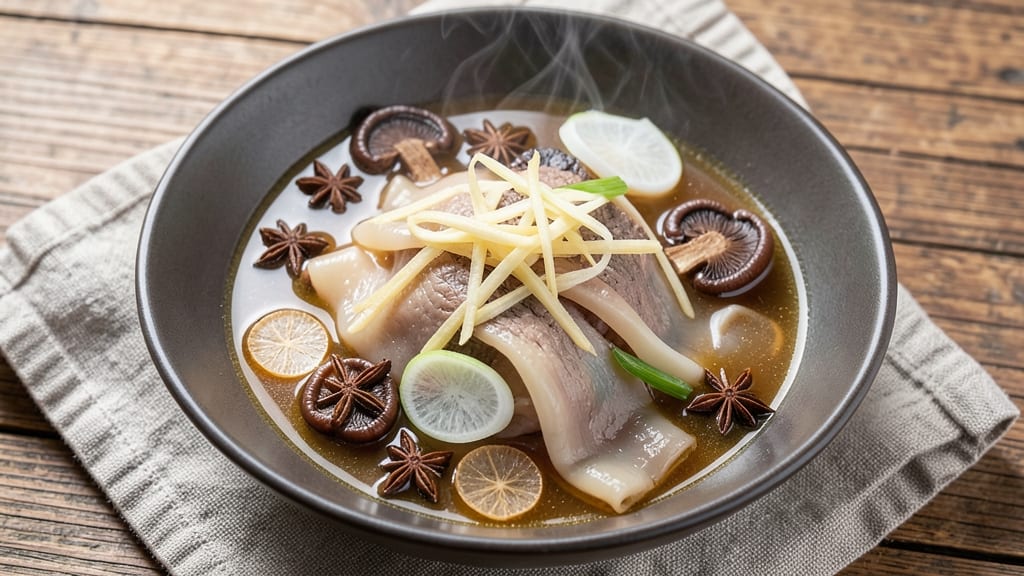
This tendon soup recipe delivers a velvety, collagen-rich broth that transforms simple ingredients into a deeply nourishing dish—perfect for restoring energy and supporting joint health. The secret lies in slow-simmering beef or chicken tendons, which release gelatinous proteins that thicken the broth into a silky, restaurant-quality texture.
I first discovered this technique in traditional East Asian medicine, where tendon soups have been used for centuries to rebuild connective tissue and soothe inflammation.
The process begins with carefully preparing the tendons—whether beef shank or chicken feet—by blanching them to remove impurities before simmering for hours with aromatic vegetables, ginger, and star anky. This method extracts maximum collagen while infusing the broth with layers of umami and warmth.
What sets this recipe apart is its adaptability: it works as a standalone healing meal or as a flavorful base for noodles and rice dishes.
By the time you finish, you’ll have a deeply aromatic, silky broth that coats the back of your throat with every spoonful. The tendons dissolve into a gelatinous consistency, adding body and richness without overpowering the natural savoriness.
This isn’t just soup—it’s a restorative experience, packed with protein and minerals that make it ideal for recovery days or cozy winter evenings.
Serve it steaming hot with a sprinkle of scallions and sesame oil, or use it as a base for ramen or pho. The leftovers keep well in the fridge for up to three days, making it a practical yet luxurious addition to your meal rotation.
Let’s get started on creating this nourishing classic.
Ingredients for tendon soup
Simple yet transformative ingredients create a collagen-rich broth that nourishes and restores.
| Ingredient | Amount | Notes |
|---|---|---|
| Beef Tendon (or Chicken Feet) 🍖 | 1 ½ lb | Blanched to remove impurities |
| Dried Shiitake Mushrooms 🍄 | 4 whole | Rehydrated for umami depth |
| Fresh Ginger Root 🧄 | 2 tbsp | Thinly sliced, organic preferred |
| Star Anise Pods 🌟 | 2 whole | Lightly crushed for aroma |
| Dried Daikon Radish Slices 🥕 | ½ cup | For subtle sweetness |
| Green Onions 🧅 | 4 whole | White and green parts separated |
| Sesame Oil 🫒 | 1 tbsp | Toasted sesame for finishing |
| Rock Sugar (or Brown Sugar) 🍚 | 2 tbsp | Balances bitterness |
| Dried Asian Chili Peppers 🌶️ | 2 whole | Optional for heat |
| Dried Tangerine Peel 🍊 | 1 tbsp | For citrus aroma |
| Garlic Cloves 🧄 | 6 cloves | Minced for depth |
| Diamond Crystal Kosher Salt 🧂 | 1 tsp | Adjusts seasoning |
| Fresh Scallions 🧅 | ¼ cup | Chopped for garnish |
| Dried Shiitake Mushroom Broth 💧 | 4 cups | Homemade or quality store-bought |
The beef tendon or chicken feet are the heart of this recipe—look for high-quality, organic cuts at specialty butchers or Asian markets. Blanching them first removes impurities and ensures a cleaner broth. For chicken feet, remove any remaining feathers and rinse thoroughly. If using beef, shank tendons work best for their collagen content. Rehydrate dried shiitake mushrooms in hot water for 20 minutes before using; discard the soaking liquid. Penzeys Spices** carries excellent dried ingredients if your local market lacks variety.
No beef tendon? Chicken feet or pork knuckles deliver similar collagen benefits, though the flavor profile shifts slightly. Substitute dried kombu seaweed for shiitake mushrooms if unavailable—it adds a briny depth. Fresh ginger should be vibrant and firm; avoid any with soft spots. Star anise can be found in the spice aisle or at Whole Foods—lightly crushing the pods releases more aroma without bitterness. For the broth base, homemade shiitake broth elevates the dish, but store-bought versions like Kikkoman work in a pinch. The daikon radish slices can be swapped for frozen or fresh daikon**, though dried is more convenient.
This broth develops deeper flavor over time—simmer for at least 4 hours for optimal collagen extraction. Store in airtight glass containers in the fridge for up to 5 days or freeze for 3 months. The gelatinous texture thickens as it cools, so reheat gently on low heat. Garnish with toasted sesame oil and scallions just before serving to preserve freshness. For a healing meal, pair with steamed rice or udon noodles to soak up the nourishing broth.
Why You'll Love This Recipe
- No-Fuss Simmer: I swear by this—just toss in dried shiitakes and daikon, let the star anise and ginger work their magic, and walk away. The tendons (or chicken feet) melt into tender perfection with almost no effort—honestly, the hardest part is waiting for the broth to deepen.
- Umami Bomb: That first bite? The crispy-tender tendon with the earthy shiitakes and faintly sweet daikon—it’s like a flavor explosion in your mouth. The star anise adds this subtle licorice note that makes it taste restaurant-quality, not homemade.
- Leftovers That Shine: This soup only gets better the next day. I make a big batch on Sundays, and by Wednesday, the broth is richer, the tendons even more tender, and I’m still reaching for seconds. (Yes, even on a Tuesday night.)
- Budget Meal Magic: Beef tendon and chicken feet are dirt cheap compared to cuts of meat, and dried mushrooms and daikon last forever. I feed my whole family for under $10, and we all ask for it again—no takeout needed.
Step-by-step instructions for tendon soup recipe
Here's the precise method for crafting a velvety collagen-rich broth with authentic depth.
Blanch the Beef Tendon to Remove Impurities
Place the 1.5 lb beef tendon in a large pot and cover with cold water by about 2 inches. Bring to a boil over high heat, then immediately reduce to a gentle simmer. Skim off any foam or impurities that rise to the surface using a fine-mesh skimmer or slotted spoon - this ensures your final broth will be crystal clear. Simmer for 30 minutes, then drain and rinse the tendon thoroughly under cold water to remove any remaining scum.
The blanching process is critical as it removes connective tissue breakdown byproducts that would otherwise make your broth cloudy. I always use cold water initially to prevent the tendon from cooking prematurely. After blanching, you'll notice the tendon looks cleaner and lighter in color, ready for the main simmering phase.
Build the Aromatic Base with Dried Ingredients
In a large stockpot, combine the blanched beef tendon with the 4 cups dried shiitake mushroom broth. Add the 4 whole dried shiitake mushrooms, 2 lightly crushed star anise pods, 1 tbsp dried tangerine peel, 2 whole dried Asian chili peppers (if using), and 0.5 cup dried daikon radish slices. Bring to a boil over medium-high heat, then immediately reduce heat to maintain a gentle simmer.
This aromatic bundle creates the foundation of your soup's complex flavor profile. The shiitake mushrooms contribute umami depth while the star anise and tangerine peel add subtle citrus and spice notes. I've found that gently crushing the star anise pods releases their essential oils more effectively without turning the broth bitter. Let this mixture simmer uncovered for 45 minutes to allow the dried ingredients to fully rehydrate and infuse their flavors.
Incorporate Fresh Ingredients and Simmer for Collagen Extraction
Add the 2 tbsp thinly sliced fresh ginger root, 6 minced garlic cloves, and 1 tsp diamond crystal kosher salt to the simmering broth. The ginger should be added whole in thin slices to prevent it from turning the broth bitter - we'll strain it out later. Let the entire mixture simmer gently for 3-4 hours, maintaining a temperature between 180-200°F.
This long simmering time is essential for extracting the collagen from the beef tendon, which will transform into gelatin as it cools, creating that signature silky texture. I monitor the temperature closely - if it gets too hot, the broth may scum excessively. The tendon should become fork-tender and easily pull apart after this time. The broth should reduce slightly, intensifying its flavor concentration.
Strain and Finish with Sweetness
Using a fine-mesh strainer or cheesecloth-lined colander, carefully strain the broth to remove all solids. Discard the solids or reserve for other uses. Return the strained broth to the pot and stir in the 2 tbsp rock sugar (or brown sugar) and 1 tbsp toasted sesame oil. Simmer gently for an additional 10 minutes to allow the sugar to fully dissolve and the sesame oil to integrate.
The sugar balances the umami richness of the broth while the sesame oil adds a delicate nutty finish. This is where the soup comes together as a cohesive dish rather than just a collection of flavors. The sugar should completely dissolve - if you see any undissolved grains, strain the broth again through a fine-mesh sieve. The broth should now have a glossy sheen and be completely clear.
Serve with Fresh Garnishes
Ladle the hot broth into serving bowls. Garnish each serving with 1 whole green onion (white and green parts separated), chopped into 1-inch pieces, and 1 tbsp chopped fresh scallions. The green onions should be added whole to each bowl so diners can adjust to their preferred level of freshness.
This tendon soup should be served immediately while hot to appreciate its velvety texture and complex flavor profile. The collagen will continue to set as it cools, creating that signature silky mouthfeel. Each bowl should be garnished just before serving to maintain the freshness of the green onions and scallions. The soup's depth comes from the combination of the collagen-rich broth, umami from the shiitake mushrooms, and the balanced sweetness from the rock sugar.
Pro Tips For Making Tendon Soup
- Parboil Tendons First: Toss the beef tendon (or chicken feet) in boiling water for 10 minutes before simmering—this softens the collagen and cuts cooking time by half. I learned this the hard way after sitting through a 4-hour simmer that still left my tendons chewy. Trust me, the extra 10 minutes now saves hours later.
- Soak Shiitakes Cold: Rehydrate dried shiitakes in cold water for at least 20 minutes—they’ll absorb flavor better than hot water and won’t turn to mush. I used to dump them in boiling broth, and they’d just dissolve into the soup like sad little ghosts.
- Don’t Crowd the Pot: Simmer tendons in batches if needed—overloading the pot steams instead of braises, leaving them tough. My first attempt with a packed pot resulted in a watery, flavorless mess. Space them out for even cooking and richer broth.
- Toast Star Anise: Dry-toast the star anise pods in a pan for 30 seconds before adding them to the soup—they’ll release their aroma and deepen the flavor. I skipped this once, and the broth tasted like it was missing something. Now I always toast them, even if it’s just for a minute.
Regional styles of these flavors
East Asian Tradition
This soup traces its roots to traditional Chinese and Japanese medicine, where it was used for centuries to rebuild connective tissue and soothe joint inflammation. In Hong Kong-style tendon soup, beef shank tendons are simmered with goji berries and red dates for added sweetness and immune support.
The broth is often served with rice noodles to create a comforting, restorative meal. I first encountered this version in a dim sum restaurant in Chinatown, where the chef insisted it was "medicine in a bowl." 🌏
Vietnamese Pho-Inspired
Vietnamese cooks adapt tendon soup by incorporating star anise, cinnamon, and cardamom into the broth base, creating a spiced version that pairs beautifully with rice noodles and fresh herbs. The pho-style tendon soup often includes lemongrass and galangal for aromatic depth.
I’ve made this variation using pork knuckles instead of beef, which adds a slightly sweeter, richer flavor profile. Serve with sriracha, lime wedges, and bean sprouts for a modern twist. 🌶️
Korean Jjigae Style
In Korea, tendon soup is transformed into a hearty jjigae (stew) by adding tofu, kimchi, and fermented seafood like jeotgal. The broth becomes thicker and more robust, with a tangy kick from the kimchi.
I’ve adapted this by using chicken feet instead of beef, which gives the soup a lighter texture while keeping the collagen benefits. Garnish with sesame seeds and green onions for a crisp, fresh finish. This version is perfect for cold winter nights. ❄️
Latin American Adaptation
While less common, Latin American cooks sometimes use chicken feet in a caldo de patas (chicken foot soup), flavored with cumin, oregano, and tomatoes. The broth is lighter and more herbaceous, often served with white rice and avocado.
I’ve experimented with adding lime juice and cilantro for brightness, creating a refreshing take on the traditional dish. This version works well as a lighter, summer-friendly meal. 🍋
Modern Fusion Twist
For a contemporary approach, blend tendon soup broth with miso paste and coconut milk to create a fusion dish inspired by Japanese and Thai flavors. Add lemongrass, kaffir lime leaves, and chili for a fragrant, spicy kick.
I’ve served this with rice paper rolls or as a base for udon noodles, turning a traditional remedy into a vibrant, restaurant-worthy dish. 🍜
Nutrition facts
Frequently asked questions
Can I substitute chicken feet for beef tendon in this recipe?
Chicken feet work beautifully and deliver similar collagen benefits. The flavor profile will be slightly lighter and more delicate compared to beef, but the silky texture remains. For best results, remove any remaining feathers and rinse thoroughly before blanching. This substitution is especially popular in Vietnamese-style tendon soups.
How long should I simmer the broth for maximum collagen?
For optimal collagen extraction, simmer the broth for 3-4 hours at a gentle 180-200°F. This slow cooking transforms the connective tissue into gelatin, creating that signature velvety mouthfeel. The longer you simmer (up to 6 hours), the richer and more concentrated the collagen content becomes, though flavor may intensify beyond a certain point.
What if my broth turns cloudy during cooking?
Cloudiness usually means impurities weren't fully removed during blanching. Strain the broth through a fine-mesh sieve or cheesecloth-lined colander, then simmer it again for 15-20 minutes to clarify. For extra clarity, add a 1-inch piece of kombu seaweed during the final simmer—it naturally cleanses the broth without adding flavor.
Can I make this soup in an Instant Pot or pressure cooker?
Yes, but with adjustments for collagen extraction. Use the high-pressure setting for 90 minutes instead of simmering. The broth will be ready faster, though the collagen yield may be slightly lower. For best results, finish with a 30-minute stovetop simmer to develop deeper flavor and texture.
What are the best ways to use leftover tendon soup?
Leftover broth freezes beautifully for up to 3 months—perfect for quick meals. Use it as a base for ramen, pho, or rice bowls. The dissolved collagen makes it ideal for bone broth substitutes in stews or sauces. For a modern twist, blend it into creamy soups or use it to poach proteins like eggs or fish.