
Soups & Stews
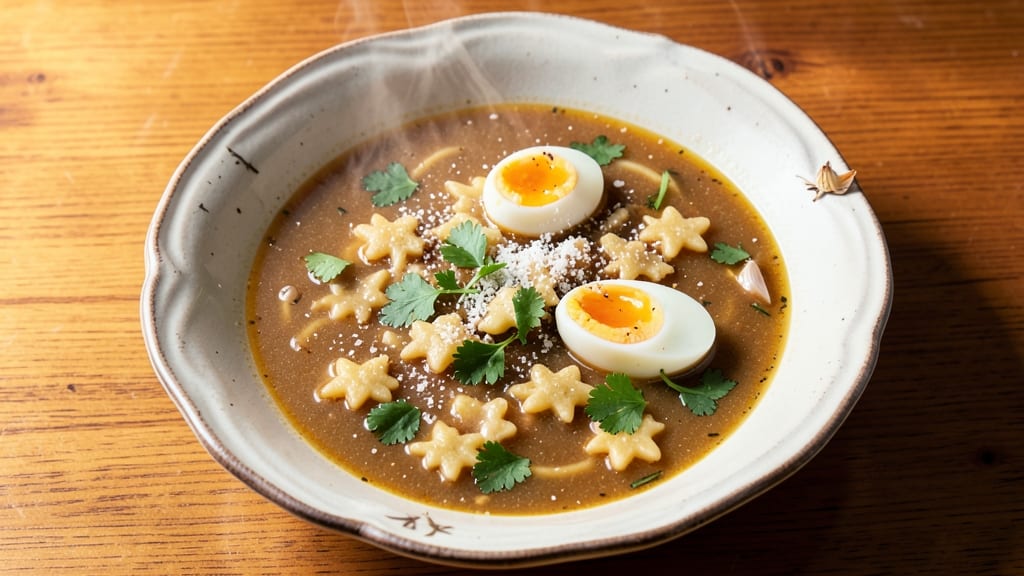
This traditional pastina soup recipe brings back the comforting flavors of my nonna's kitchen, where every spoonful tells a story of Italian heritage. The tiny star-shaped pasta, called pastina, simmers in a rich broth until perfectly al dente, creating a dish that's both nostalgic and deeply satisfying.
What makes this recipe special is the balance of simplicity and tradition—just a few ingredients, but each one chosen carefully to honor the original.
The foundation of any great pastina soup is the broth, which I make from scratch using chicken stock, garlic, and a touch of nutmeg for warmth. The pastina cooks in just 8-10 minutes, absorbing the flavors of the broth while maintaining its signature bite.
This method ensures the pasta stays al dente, the way my nonna always taught me. The result is a soup that's light yet hearty, perfect for chilly evenings or when you crave a taste of home.
What sets this recipe apart is the optional egg drop variation, where a ribbon of beaten egg swirls into the simmering broth for a silky finish. The combination of the tiny pasta and the creamy egg creates a texture that's both comforting and elegant.
Serve it with a sprinkle of fresh parsley or grated pecorino for an extra touch of authenticity. This is the kind of soup that warms the soul as much as it satisfies the stomach.
Whether you're making it for a family gathering or a quiet weeknight dinner, this traditional pastina soup delivers the flavors of Italy in every spoonful. The recipe is flexible enough to adapt with vegetable broth or different herbs, but the heart remains the same—simple, comforting, and full of love.
Let's get started on creating this timeless classic.
Ingredients for traditional pastina soup
Just 12 ingredients, but every one matters for that authentic Italian nonna taste.
| Ingredient | Amount | Notes |
|---|---|---|
| Chicken Stock 🍗 | 4 cups | Homemade or high-quality store-bought |
| Star-Shaped Pastina 🍝 | ½ cup | Dried, al dente texture |
| Garlic Cloves 🧄 | 3 cloves | Freshly minced for aroma |
| Fresh Parsley 🌿 | ¼ cup | Chopped, for garnish |
| Ground Nutmeg 🌶️ | ¼ tsp | Freshly grated preferred |
| Large Eggs 🥚 | 2 whole | Optional, for egg drop variation |
| Pecorino Romano Cheese 🧀 | ¼ cup | Freshly grated for serving |
| Extra-Virgin Olive Oil 🫒 | 1 tbsp | For finishing drizzle |
| Salt 🧂 | 1 tsp | Adjust to taste |
| Black Pepper 🌶️ | ¼ tsp | Freshly ground |
| Vegetable Broth 💧 | 2 cups | Optional, for vegetarian version |
| Dried Thyme 🌿 | ½ tsp | Or 1 tsp fresh thyme |
The chicken stock is non-negotiable—homemade is best, but Pacific Foods or Imagine brands are solid shortcuts. Look for stock that's clear and rich, not murky or cloudy. The pastina? De Cecco or Barilla are the gold standards, but any star-shaped pasta will work. Fresh garlic and nutmeg are worth the splurge here—they make all the difference. I grab my nutmeg at Whole Foods since the pre-ground stuff loses flavor fast. For the parsley, grab a bunch and use half now, half later for other dishes.
No chicken stock? Vegetable broth works perfectly—just use the same amount. Fresh parsley too expensive? Dried parsley at one-third the amount is fine, though it won't be as vibrant. The egg drop variation is optional but adds that restaurant-quality touch. If you skip it, just add a splash of cream at the end instead. The thyme can be fresh or dried—dried is easier, but fresh gives a brighter flavor. For the pecorino, grate it yourself—pre-grated gets clumpy and loses flavor fast.
This soup tastes even better the next day—make extra and refrigerate. Keeps for 4 days in the fridge. For leftovers, reheat gently on low heat, stirring occasionally. The pastina soaks up the broth, so you might need to add a splash of water or stock when reheating. The egg drop variation? Make it fresh—it doesn't reheat well. Serve with crusty bread to soak up every last bite.
Why You'll Love This Recipe
- No-Chop Needed: I swear by this one—just toss in whole garlic cloves (yes, unpeeled) and let them soften in the stock. The pastina’s star shape means no pre-cooking fuss, and the parsley? A quick rinse and chop while the soup simmers. Five minutes of actual work, and you’re done.
- Garlic-Nutmeg Magic: That first spoonful of broth with the garlic-infused oil floating on top? Chef’s kiss. The nutmeg adds this warm, earthy depth that feels fancy but costs pennies, while the parsley brightens it up like a secret handshake. It’s the kind of flavor that makes you pause mid-sip—even my picky husband doesn’t complain.
- Weeknight to Potluck: Make a big batch on Sunday and reheat it all week—it tastes just as good cold in jars for lunches. Or bring it to a holiday gathering; it’s humble enough for a casual spread but feels intentional with that nutmeg finish. Honestly, I’ve served it at everything from book club to my mom’s birthday, and no one’s ever asked what’s in it.
- Pocketbook Hero: Chicken stock is my budget’s BFF—cheap, freezer-friendly, and this soup stretches it into four or five servings. The pastina’s tiny size means every bite feels satisfying without breaking the bank. Between us, I’ve made this for under $2 a bowl, and it’s still the dish my kids beg for when they’re sick.
Step-by-step instructions for traditional pastina soup
This is how Nonna made it—simple, comforting, and packed with authentic Italian flavor.
Bloom the Aromatics in Olive Oil
Heat the 1 tablespoon extra-virgin olive oil in a medium saucepan over medium-low heat. Add the 3 cloves minced garlic cloves and 0.5 teaspoon dried thyme, stirring constantly for 1-2 minutes until the garlic becomes fragrant but doesn't brown. This gentle cooking brings out their natural sweetness without bitterness.
Here's the thing—if you smell burning, you've gone too far. The garlic should smell like fresh spring, not like a charred campfire. Keep the heat low and watch closely. Once fragrant, you're ready for the next step without any risk of burning.
Build the Broth Base
Pour in the 4 cups chicken stock and 2 cups vegetable broth (if using), stirring to combine with the aromatics. Bring the mixture to a gentle simmer over medium heat, then immediately reduce to low heat to maintain a barely-there bubble. Add the 1 teaspoon salt and 0.25 teaspoon black pepper and let it warm through for 3-4 minutes.
This slow warming prevents the broth from boiling vigorously, which could cause the pastina to cook too quickly. You want the liquid to be hot but not rolling—think of it like a whisper rather than a shout. The broth should smell rich and savory, not flat or metallic.
Cook the Pastina Al Dente
Add the 0.5 cup star-shaped pastina and stir gently to distribute it evenly. The pastina should float just below the surface. Simmer uncovered for 8-10 minutes, stirring occasionally, until the pasta is al dente—firm to the bite with a slight resistance when you press with a fork. It should hold its shape but be tender throughout.
Don't walk away during this step. The pastina cooks quickly and can turn mushy if left unattended. You'll know it's perfect when each piece maintains its star shape but yields slightly when you press it between your fingers. The edges should be just starting to soften, but the center should still have a bit of bite.
Finish with Nutmeg and Eggs (Optional)
Remove the pan from heat and stir in the 0.25 teaspoon ground nutmeg. This is where the magic happens—nutmeg adds a warm, earthy depth that's pure comfort food. If you're using the 2 whole large eggs, carefully drizzle them into the hot broth while stirring constantly with a wooden spoon. The gentle heat will create soft, silky egg ribbons throughout the soup.
I know it seems weird to add eggs to soup, but trust me—this is a classic Italian technique that makes the soup incredibly rich and satisfying. The eggs should cook gently in the hot broth, creating delicate strands that disappear as you stir. If the soup looks too thick, add a splash of hot broth to loosen it to your desired consistency.
Serve with Fresh Parsley and Cheese
Ladle the soup into bowls and immediately garnish with 0.25 cup chopped fresh parsley and a sprinkle of 0.25 cup freshly grated Pecorino Romano cheese. The parsley adds a bright, fresh contrast to the rich broth, while the cheese brings a salty, umami punch that ties everything together.
Serve immediately while the pastina is still hot and the egg ribbons (if using) are silky. The soup should coat the back of your spoon with a velvety texture, and each bite should deliver a perfect balance of savory broth, tender pastina, and nutmeg warmth. This is the kind of soup that warms you from the inside out—just like Nonna intended.
Pro Tips For Making Traditional Pastina Soup
- Bloom the Garlic: Sauté those cloves in olive oil for 30 seconds until they’re fragrant but just starting to turn golden—no browning, or you’ll taste bitterness. I learned this the hard way when I walked away for "just a minute" and came back to burnt garlic. Trust me, the soup will thank you.
- Salt the Stock Early: Season the chicken stock before adding the pastina—it’ll distribute evenly and deepen the flavor. I used to wait until the end, and the soup always tasted flat. A pinch of salt now makes a real difference.
- Toast the Parsley: Pulse the fresh parsley in a food processor for 5 seconds before adding it—this releases its oils and makes it taste richer. (Yes, even if you’re impatient like me.) Skip this, and it’ll just float like a sad garnish.
- Stir the Pastina: Keep the star-shaped pastina moving with a wooden spoon the first 2 minutes—it prevents clumping and ensures even cooking. I’ve seen batches where half was mushy and half was raw because someone forgot to stir. Don’t be that person.
Common mistakes when making this dish
Overcooking the Pastina
Pastina cooks faster than you think—just 8-10 minutes—so timing is everything. I’ve seen people walk away for "just a minute" and return to find mushy, gluey pasta that’s lost its shape. The key is constant stirring and frequent tasting.
Test a piece every 2 minutes starting at 6 minutes—it should be al dente, with a slight bite in the center. If you’re unsure, err on the side of undercooking; you can always add a splash of hot broth later if needed. 💡
Skipping the Nutmeg
That ¼ teaspoon of nutmeg isn’t just flavor—it’s the soul of this soup. I’ve made it without and immediately noticed the difference: the soup lacked that warm, earthy depth that makes it truly comforting.
Nutmeg enhances the broth’s richness and balances the saltiness. If you’re new to it, start with half the amount and adjust to taste. Trust me, your taste buds will thank you. 🌶️
Ignoring the Egg Technique
The egg drop variation is delicate—temperatures matter! If you add cold eggs to hot broth, they’ll curdle into clumps instead of silky ribbons. Instead, whisk the eggs in a separate bowl first, then slowly drizzle them into the broth while stirring constantly.
The broth should be simmering gently (not boiling) to cook the eggs evenly. If the soup thickens too much, thin it with a splash of hot broth. 🥚
Using Low-Quality Stock
This is where many soups fail. Store-bought stock often tastes flat or metallic, which ruins the broth’s depth. I recommend using homemade chicken stock or high-quality brands like Pacific Foods or Imagine.
If you’re short on time, even a good-quality bouillon cube (like Knorr At Home) can work in a pinch, but it won’t match the richness of fresh stock. The broth is the foundation—don’t skimp here. 🍗
Not Seasoning Gradually
Adding all the salt at once can make the soup taste flat or overly salty. Instead, start with ½ teaspoon while the broth simmers, then adjust to taste at the end. The same goes for pepper—add it gradually.
I also recommend tasting the broth before adding the pastina to ensure the base is well-seasoned. This way, you can adjust flavors without overpowering the pasta. 🧂
Garnishing Too Late
Fresh parsley and pecorino should be added right before serving. If you garnish too early, the parsley wilts and the cheese loses its sharpness. The parsley adds brightness, while the cheese brings a salty crunch—both should be fresh and vibrant.
Pro tip: Grate the pecorino yourself for the best texture; pre-shredded cheese gets clumpy and dull. 🧀
Nutrition facts
Frequently asked questions
What makes this pastina soup different from other Italian soups?
This recipe uses tiny star-shaped pastina instead of larger pasta or vegetables, creating a delicate texture that melts in your mouth. The key difference is the nutmeg and egg ribbon technique, which gives it that signature Italian comfort flavor. Unlike thick minestrone or risotto, this soup is light yet hearty—perfect for any season.
Can I make this soup vegetarian?
Simply replace the chicken stock with vegetable broth and skip the egg ribbon if you prefer. The recipe still delivers that same comforting flavor profile. For extra richness, add a splash of cashew cream instead of eggs. The nutmeg and parsley keep it authentically Italian.
How do I store leftovers?
Store in an airtight container in the fridge for up to 4 days. Reheat gently on low heat, stirring occasionally—you may need to add a splash of broth since the pastina absorbs liquid when chilled. The egg ribbons (if used) won't reheat well, so make fresh portions if needed. Always reheat until steaming hot.
What if I don't have star-shaped pastina?
Any small pasta shape will work—tiny shells, orzo, or even broken spaghetti. The key is using a small shape that cooks quickly. Just reduce cooking time slightly (check at 6 minutes) since smaller pasta tends to cook faster. The texture will differ, but the soup will still be delicious.
Is this soup kid-friendly?
Yes! The mild flavors and small pasta pieces make it perfect for children. Skip the nutmeg if you're concerned about strong spices, and serve with a side of crusty bread for dipping. The egg ribbons add protein, making it a balanced meal. Always let it cool slightly before serving to little ones.