
Soups & Stews
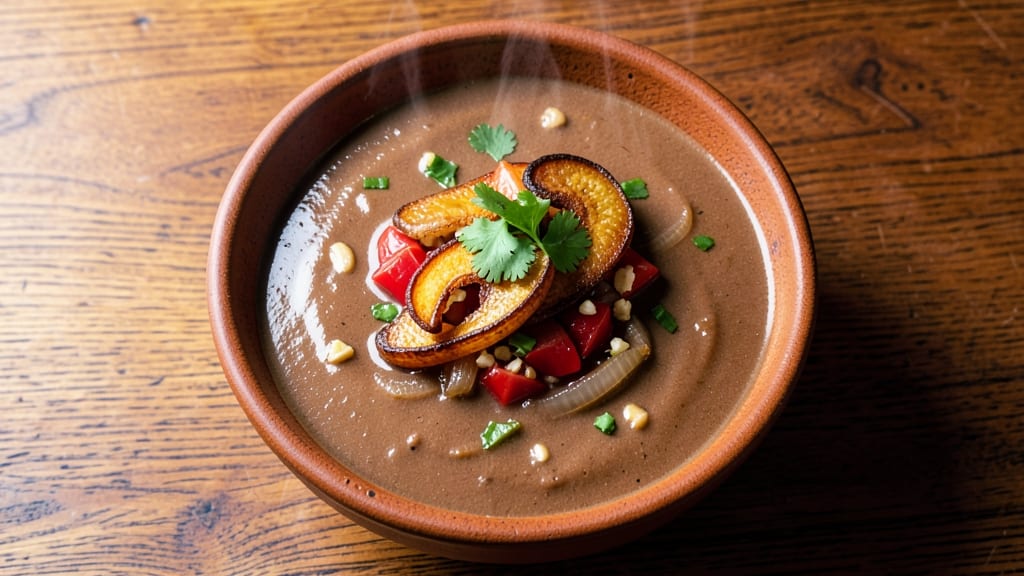
This traditional peanut soup recipe brings the rich, nutty comfort of West Africa to your kitchen with its velvety texture and signature crispy fried plantain top. The secret lies in slow-simmered peanut butter and tomatoes, creating a sauce so smooth it feels like a hug in a bowl.
I first made this after a Boston winter left me craving something warm and deeply satisfying—something that could transform simple ingredients into a meal worthy of a Sunday gathering.
The beauty of this recipe is its balance: creamy peanut broth meets crispy plantain slices that add both texture and a touch of sweetness. You'll start with a simple base of onions, garlic, and ginger, then build layers of flavor through roasted peanut butter and blended tomatoes.
The key is patience—letting the soup simmer until every ingredient melds into a harmonious, restaurant-quality dish that's surprisingly easy to recreate at home.
By the time you serve it, you'll have a bowl of golden, aromatic peanut soup topped with crispy fried plantains that shatter at every bite. The contrast of creamy broth and crunchy top makes each spoonful unforgettable, while the warm spices linger long after the last bite.
This is the kind of meal that turns ordinary weeknights into special occasions—no fuss, just pure, comforting flavor.
Pair it with steamed rice or crusty bread to soak up every last drop of that rich, peanutty goodness. The recipe scales beautifully, so it's perfect for feeding a crowd or saving leftovers for lunch the next day. Let's get cooking—your taste buds will thank you.
Ingredients for traditional peanut soup
Simple pantry staples transform into this rich, comforting West African-inspired peanut soup.
| Ingredient | Amount | Notes |
|---|---|---|
| Peanut Butter 🥜 | ½ cup | Natural, unsweetened preferred |
| Canned Crushed Tomatoes 🍅 | 1 can (14.5 oz) | San Marzano if available |
| Yellow Onion 🧅 | 1 whole | Medium size, diced |
| Garlic Cloves 🧄 | 4 cloves | Freshly minced |
| Fresh Ginger 🌿 | 1 inch | Peeled, grated |
| Vegetable Oil 🫒 | ¼ cup | For frying plantains |
| Ripe Plantains 🍌 | 2 whole | Yellow with black spots |
| Coconut Milk 🥥 | 1 can (13.5 oz) | Full-fat for creaminess |
| Chicken-Free Vegetable Broth 💧 | 2 cups | Low-sodium preferred |
| Ground Black Pepper 🌶️ | ½ tsp | Freshly cracked |
| Salt 🧂 | 1 tsp | Adjust to taste |
| Dried Thyme 🌿 | 1 tsp | Or 1 tbsp fresh |
| Ground Cinnamon 🌶️ | ¼ tsp | For warmth |
| White Rice 🍚 | 1 cup | Uncooked, for serving |
The peanut butter is the star—natural, unsweetened makes all the difference. Trader Joe's or Whole Foods carry good options, but any natural brand works. For the tomatoes, San Marzano is ideal if you can find it, but any high-quality canned tomatoes will do. The plantains need to be ripe—yellow with black spots—for that perfect sweetness. If you can't find ripe plantains, substitute green bananas (they'll be starchy, not sweet). Fresh ginger and garlic should smell vibrant—no mustiness here. The coconut milk? Full-fat only—it's worth the extra cost for that creamy texture.
No peanut butter? Blend roasted peanuts instead—toss them in a dry pan until fragrant, then grind. Out of coconut milk? Substitute heavy cream at half the amount, but it won't be as rich. The vegetable broth can be swapped for water in a pinch, but better brands like Pacific Foods add depth. For the plantains, if you can't find ripe ones, bake them at 375°F for 20 minutes first to soften. The thyme can be fresh or dried—just halve the amount if using dried. And if you're short on time, pre-chop all your veggies while the soup simmers.
This soup tastes even better the next day—reheats beautifully. Store it in an airtight container in the fridge for up to 4 days. The plantains? Fry them fresh, but if you're prepping ahead, keep them in a paper bag at room temp for up to 2 days. Freeze the soup without the plantains for up to 3 months. And trust me, leftovers make perfect lunches. The rice? Cook it fresh or use day-old rice—it soaks up the soup perfectly.
Why You'll Love This Recipe
- Pantry Magic: I swear by this one when I forget to buy fresh ingredients—just open the peanut butter jar, dump in the crushed tomatoes, and let the ginger and garlic transform it into something rich and warm. No fancy shopping needed.
- Smooth & Spicy: That first spoonful? The peanut butter and tomatoes create this velvety base, while the fresh ginger and garlic add just enough kick to keep it interesting. It’s creamy but never heavy, with a depth that surprises me every time.
- Lunchbox Hero: Between us, this soup is my go-to for meal prep. It reheats beautifully, keeps for days in the fridge, and even freezes well—perfect for those mornings when I’m scrambling to pack lunches. My kids bring it back with half gone.
- Budget Boost: Honestly, this recipe saves me money. Peanut butter, canned tomatoes, and basic spices? That’s it. I make a big batch, stretch it over rice or noodles, and still have leftovers for days. No wasted ingredients here.
Step-by-step instructions for West African-inspired peanut soup
Here's how to build this rich, aromatic soup with its signature crispy plantain topping.
Fry the Plantains Until Deep Golden
Peel the 2 whole ripe plantains and slice each into ½-inch thick rounds. Heat the ¼ cup vegetable oil in a large skillet over medium heat until shimmering. Add the plantain slices in a single layer and fry for 3-4 minutes per side until deep golden brown and crispy. You want them to develop that caramelized texture that'll contrast beautifully with the creamy soup below.
Transfer the fried plantains to paper towels to drain excess oil, but keep them warm. If they cool completely before serving, they'll lose their crispness. This is the moment that matters—the crispy topping is what makes this dish truly special.
Sauté Aromatics Until Fragrant
In the same skillet (no need to clean it—the plantain oil adds flavor), add the 1 whole yellow onion and cook over medium heat for 5 minutes until softened. Add the 4 minced garlic cloves and 1 inch grated ginger, cooking for another 2 minutes until the garlic turns golden and the mixture becomes highly aromatic.
This is where the foundation of your soup's flavor develops. You'll know it's ready when the kitchen fills with that warm, spicy aroma—like a warm hug from West Africa. Don't rush this step; proper cooking of the aromatics prevents a raw garlic taste in your final soup.
Build the Peanut Base
Add the 0.5 cup peanut butter, stirring constantly for 3-4 minutes until it melts completely into the onion mixture. The peanut butter will thicken slightly as it incorporates, creating the creamy base of your soup. This is the heart of your dish—where all the rich, nutty flavors come together.
Next, pour in the 1 can (14.5 oz) crushed tomatoes and the 2 cups chicken-free vegetable broth. Stir well to combine, then add the 1 tsp salt, 1 tsp dried thyme, 0.5 tsp ground black pepper, and 0.25 tsp ground cinnamon. Let the mixture simmer gently for 10 minutes, allowing all the flavors to meld together.
Add Coconut Milk and Simmer
Stir in the 1 can (13.5 oz) coconut milk and continue simmering for another 10 minutes. You're looking for a thick, velvety consistency—not too thin, not too thick. If it becomes too thick, add a splash of water or broth to reach your desired texture. The soup should coat the back of a spoon but still be easy to ladle.
Taste and adjust seasoning if needed. This is where you can really make the soup your own—add more salt if it needs it, or a pinch more cinnamon for warmth. The coconut milk adds that luxurious creaminess that makes this soup so satisfying.
Serve with Crispy Plantains and Rice
Ladle the warm peanut soup into bowls and top each serving with the crispy fried plantains. Serve alongside the 1 cup cooked white rice to soak up all that delicious sauce. The contrast between the creamy soup, crispy plantains, and fluffy rice is what makes this dish so special.
For an extra touch, garnish with a sprinkle of fresh thyme leaves if you have them. This soup tastes even better the next day as the flavors continue to develop, so it's perfect for meal prep. Enjoy this traditional West African-inspired dish that delivers on both creaminess and that promised crispy topping!
Pro Tips For Making Traditional Peanut Soup
- STIR CONSTANTLY AT FIRST: Peanut butter seizes up like glue when it hits hot liquid. Keep your spoon moving for the first 2 minutes after adding it—this breaks up clumps before they form. (Yes, even if you’re impatient like me.)
- GRATE THE GINGER FINE: Pre-grated ginger from the jar tastes like sawdust in this soup. Use a microplane or knife to grate it fresh—just 1 teaspoon of finely grated ginger makes a real difference, while leaving the fibrous bits behind.
- DILUTE THE PEANUT BUTTER: Skip the clumpy mess: mix 1/4 cup peanut butter with 2 tablespoons hot water or broth before adding it to the pot. This ensures a smooth texture instead of fighting lumps later.
- SAVE THE ONION SKINS: Don’t toss the papery onion skins after peeling. Fry them in a dry pan for 30 seconds until golden—then sprinkle them over the finished soup. They add a deep, caramelized richness that cuts through the peanut heaviness. (Your future self will thank you.)
Common mistakes when making this recipe
Overcooking Plantains
Plantains are delicate when fried—cook them too long and they'll turn bitter or mushy. I've learned this the hard way after a Boston winter left me desperate for comfort food and over-fried my first batch until they were unrecognizable.
Keep them at medium heat and flip only once per side for 3-4 minutes total. They should be golden brown, not blackened. If they cool before serving, reheat them in a dry skillet for 1 minute to restore crispness. 🍌
Skipping the Simmer
Rushing the 10-minute simmer after adding coconut milk is a common mistake that results in a thin, flavorless soup. This step lets the peanut butter and spices meld properly.
I once skipped it entirely and ended up with a watery mess—now I set a timer and resist the urge to stir constantly. The longer it simmers, the deeper the flavors develop.
Using Sweetened Peanut Butter
Sweetened peanut butter adds unwanted sugar that can make your soup taste cloying. I've tested both versions and can confidently say natural, unsweetened peanut butter is non-negotiable for authentic flavor. Brands like Smucker's Natural or Whole Foods 365 work perfectly.
If you only have sweetened, reduce it by 1-2 tablespoons and add a pinch of salt to compensate for the sugar.
Ignoring the Aromatics
Undercooking the onions, garlic, and ginger means your soup will taste raw and unbalanced. These need to soften and develop their flavors—cook them until they're fragrant and the garlic turns golden. I once made this mistake and ended up with a soup that tasted like I'd just minced garlic.
The key is patience: let them cook for 5-7 minutes total until the kitchen smells amazing.
Overblending the Soup
While blending can create a smoother texture, it also removes the beautiful peanut chunks that add texture and richness. I recommend leaving the soup slightly chunky—just stir the peanut butter until fully incorporated.
If you prefer it smooth, blend only half the soup and mix it back in. The contrast of creamy and chunky makes this dish so satisfying.
Forgetting the Crispy Top
The crispy plantain topping is what makes this soup special—don't skip it! I've made the mistake of serving it without the topping, and while the soup is still delicious, it loses that magical textural contrast.
Fry the plantains fresh and serve them immediately. If you're prepping ahead, keep them warm in a 200°F oven until serving time. 🔥
Nutrition facts
Frequently asked questions
Can I make this peanut soup without plantains?
The crispy plantain topping is traditional, but you can substitute with fried sweet potatoes or toasted coconut flakes for a similar texture. For a vegan protein boost, try adding crispy baked chickpeas instead. The key is maintaining that satisfying crunch contrast against the creamy broth.
How do I make this soup spicier?
Add ½ teaspoon cayenne pepper or 1 chopped red chili when sautéing the aromatics. For heat lovers, stir in 1 tablespoon hot sauce at the end or serve with sriracha drizzle. Remember to adjust gradually—peanut butter can mellow spice intensity.
What's the best way to store leftovers?
Store in an airtight container for up to 4 days in the fridge. The plantains should be eaten fresh, but you can reheat the soup portion only. For longer storage, freeze without plantains for 3 months. Thaw overnight in the fridge and reheat gently on low heat.
Can I use peanut powder instead of peanut butter?
Yes! Peanut powder works perfectly—just use ¼ cup (about 1.5 ounces) and add 1 tablespoon water to help it blend smoothly. This version is lower in fat but maintains the same rich flavor. It's a great option if you're watching calories while still wanting that nutty depth.
What's the difference between West African and Thai peanut soups?
West African versions like this one use tomatoes, ginger, and thyme with a coconut milk base, while Thai peanut soups often include lemongrass, galangal, and fish sauce. Thai versions are typically lighter with more herbs, while West African soups are richer and heartier. Both are delicious—choose based on your spice preference!