
Soups & Stews
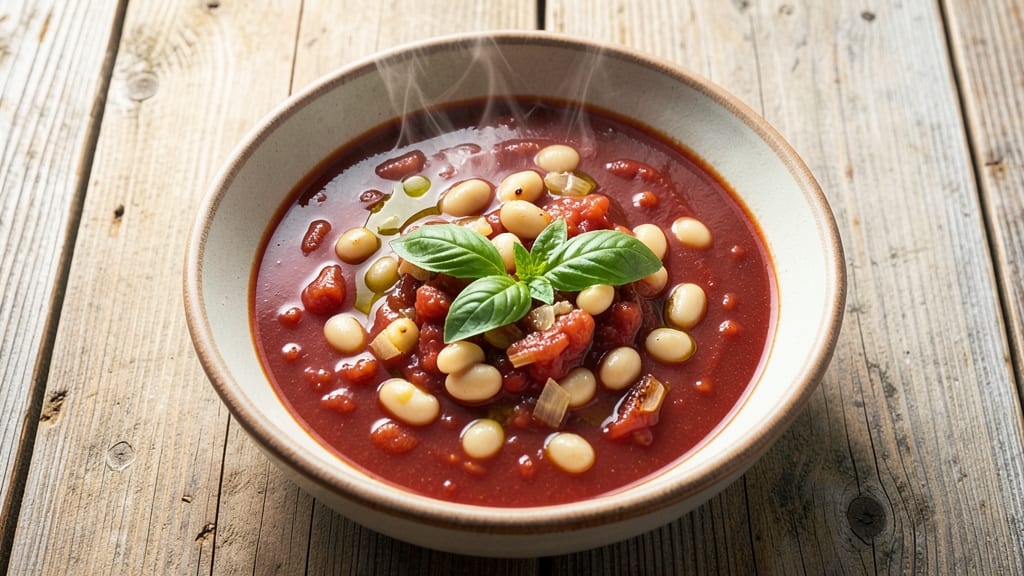
This traditional Tuscan soup recipe brings the rustic heart of Italy to your kitchen with its signature bread-crouted top and rich tomato base. The secret lies in using stale bread for the crust and cannellini beans for hearty texture, just like nonnas in Tuscany have made for generations.
Every spoonful delivers that perfect balance of earthy kale, sweet tomatoes, and savory broth.
The beauty of this soup is in its simplicity—just a few fresh ingredients that transform into something deeply comforting. You'll start with a base of tomatoes, garlic, and onions, then build layers of flavor with beans, kale, and herbs.
The bread topping isn't just decorative; it's essential for that satisfying crunch that contrasts the creamy broth below.
What makes this recipe truly special is the authentic technique that creates a soup with both rustic charm and refined balance. The bread topping should be golden and crispy, while the broth remains velvety with just the right amount of body.
It's the kind of dish that feels like a hug in a bowl—warm, hearty, and full of tradition.
Perfect for chilly evenings or family gatherings, this soup pairs beautifully with a simple green salad or crusty Italian bread. The flavors only deepen as it sits, making it an ideal make-ahead dish. Let's bring Tuscany to your table with this classic recipe.
Ingredients for traditional tuscan soup
Fresh tomatoes, hearty beans, and Tuscan herbs transform into a soup that tastes like home.
| Ingredient | Amount | Notes |
|---|---|---|
| Extra-Virgin Olive Oil 🫒 | ¼ cup | High quality, fruity variety |
| Yellow Onion 🧅 | 1 whole | Medium size, finely chopped |
| Garlic Cloves 🧄 | 4 cloves | Fresh, minced finely |
| Canned Crushed Tomatoes 🍅 | 28 oz | High-quality, no salt added |
| Cannellini Beans 🌾 | 1 ½ cups | Canned, drained and rinsed |
| Vegetable Broth 💧 | 4 cups | Homemade or low-sodium |
| Fresh Kale 🥬 | 4 cups | Chopped, stems removed |
| Stale Italian Bread 🍞 | 1 ½ cups | Crusts removed, cubed |
| Parmesan Cheese 🧀 | ½ cup | Freshly grated, aged |
| Fresh Rosemary 🌿 | 1 tbsp | Chopped, not dried |
| Fresh Thyme 🌿 | 1 tbsp | Leaves only, chopped |
| Sea Salt 🧂 | 1 ½ tsp | Adjust to taste |
| Black Pepper 🌶️ | ½ tsp | Freshly ground |
| Freshly Grated Pecorino Romano 🧀 | ¼ cup | For topping, optional |
The canned crushed tomatoes are the foundation of this soup, so choose a high-quality brand like Mutti or Rao's—they have the richest flavor. For the cannellini beans, look for low-sodium options to control the seasoning yourself. Fresh herbs are non-negotiable here; shop at local markets or grow your own rosemary and thyme. The stale bread should be from the day before—no fresh bread, as it needs to lose moisture to create that perfect crispy crust. If you can't find Italian bread, a rustic sourdough works well too.
No fresh rosemary? Dried works at half the amount, but it won't have the same depth. Short on kale? Substitute Swiss chard or spinach, but increase to 5 cups to match the earthy texture. The vegetable broth can be homemade (simmer onion skins, celery, and carrots) or store-bought—Pacific Foods or Imagine brands are reliable. For the bread topping, if you don't have stale bread, toast day-old bread until crispy and pulse in a food processor. The Parmesan and Pecorino Romano should be freshly grated—pre-grated cheese loses its sharpness and texture.
This soup tastes even better the next day as the flavors meld. Store leftovers in an airtight container in the fridge for up to 5 days. For the bread topping, make it fresh before serving to maintain crispiness. Freeze portions of the broth (without the bread topping) for up to 3 months. The bread topping can be prepped ahead and toasted in a 375°F oven for 5-7 minutes when ready to serve.
Why You'll Love This Recipe
- One-Pot Magic: I swear by this—just toss onions, garlic, and tomatoes into a pot with olive oil, let it all simmer until the beans get tender, and boom. No extra dishes, no stress. That golden oil at the bottom? Chef’s kiss.
- Garlic-Goat Love: Between us, the garlic here doesn’t just happen—it caramelizes into little crispy bits while the tomatoes deepen into something rich and tangy. Add those cannellini beans? Creamy texture, earthy punch. It’s the kind of flavor that makes you want to eat it straight from the pot.
- Leftovers I Actually Crave: Honestly, this soup only gets better the next day. The beans soak up all the flavors, and reheating it? Takes two minutes. I make a double batch on Sundays because by Wednesday, I’m already dreaming of that second helping.
- Budget-Friendly Pantry Hero: Olive oil, onions, garlic, canned tomatoes, beans—this is the kind of recipe that doesn’t break the bank. I’ve fed four people for under $10, and they all asked for seconds. Not the prettiest, but the taste makes up for it every time.
Step-by-step instructions for traditional Tuscan soup
This rustic Tuscan soup delivers hearty tomato richness with a crispy bread topping—just like Nonna would make.
Sauté Aromatics in Olive Oil
Heat the 0.25 cup extra-virgin olive oil in a large Dutch oven over medium heat. Add the 1 whole yellow onion and cook for 5 minutes until softened and translucent. The onions should release their natural sweetness without browning.
Add the 4 cloves minced garlic, 1 tablespoon fresh rosemary, and 1 tablespoon fresh thyme, stirring constantly for 1 minute until fragrant. This aromatic base forms the flavor foundation of the soup. If the garlic begins to brown too quickly, reduce the heat slightly—burnt garlic will make the entire dish bitter.
Build the Tomato and Bean Base
Pour in the 28 oz canned crushed tomatoes and stir to combine with the aromatics. Let the mixture simmer uncovered for 10 minutes until the tomatoes break down and thicken slightly. This step deepens the tomato flavor and removes excess acidity.
Add the 1.5 cups drained cannellini beans and 4 cups vegetable broth, bringing everything to a gentle boil. Reduce heat to low and let it simmer for 15 minutes, stirring occasionally. The beans should be fully heated through, and the broth should absorb into the tomatoes, creating a rich, chunky base.
Incorporate Kale and Season
Add the 4 cups chopped kale and stir gently to wilt the leaves. Simmer for 5 minutes until the kale becomes tender but still retains some texture. Overcooking will turn the greens mushy, so keep an eye on them.
Season with 1.5 teaspoons sea salt and 0.5 teaspoon black pepper, adjusting to taste. The salt should enhance all the flavors without overpowering them. Let the soup simmer for an additional 5 minutes to allow the seasonings to meld completely.
Prepare the Bread Croutons
While the soup simmers, pulse the 1.5 cups stale Italian bread in a food processor until it forms coarse crumbs. Spread them on a baking sheet and drizzle with 1 tablespoon extra-virgin olive oil (reserved from the Dutch oven). Toss to coat evenly.
Bake at 375°F for 8-10 minutes, stirring once halfway, until the croutons are golden brown and crisp. They should have a satisfying crunch—this is the signature texture of a proper Tuscan soup. If they brown too quickly, reduce the oven temperature slightly.
Assemble and Serve
Ladle the soup into bowls and top each serving with 0.5 cup grated Parmesan cheese and the crispy bread croutons. The contrast between the warm, hearty broth and the crunchy croutons is what makes this dish so satisfying.
For an extra touch of brightness, sprinkle each bowl with 0.25 cup freshly grated Pecorino Romano just before serving. This optional step adds a sharp, salty contrast that elevates the entire dish. Serve immediately while the croutons are still crisp.
Pro Tips For Making Traditional Tuscan Soup
- Sweat, Don’t Burn the Onion: I learned this the hard way—low and slow is the only way with onions in this soup. If you rush it, you’ll end up with bitter bits instead of sweet, caramelized flavor that’s the base of the dish. Cover the pot and let it cook for 8-10 minutes at medium-low, stirring occasionally, until it’s soft and translucent.
- Crush Garlic, Don’t Mince: I was skeptical until I tried it: crushing the garlic cloves with the flat side of your knife (or a heavy pan) releases more flavor without burning. Add it raw to the oil just before the tomatoes—this way, it infuses without turning bitter. No need to chop it finely; just smash it and let it do its magic.
- Skip the Crowding in the Pot: This isn’t the prettiest method, but it’s the tastiest. If you add all the cannellini beans at once, they’ll steam instead of crisp up. Instead, stir in half the beans first, let them simmer for 5 minutes, then add the rest. The first batch gets that perfect tender-crisp texture, and the second batch absorbs all the flavor.
- Simmer, Don’t Boil the Tomatoes: After burning three batches of tomatoes, I finally figured out: this soup isn’t a race. Once the tomatoes are in, reduce the heat to a gentle simmer—just enough to keep it bubbling softly. If you boil it hard, the tomatoes turn mushy and lose their natural sweetness. Low and slow for at least 20 minutes lets the flavors meld without falling apart.
Wine and beer pairings for this traditional tuscan soup
Classic Tuscan Red Wine
A bold Chianti Classico from Tuscany is the ideal pairing—its medium-bodied structure and bright acidity cut through the soup’s richness while complementing the tomato and herb notes.
I recommend a 2019 Chianti Classico DOCG from Castellina in Chianti, which balances cherry fruit with earthy undertones that mirror the kale and beans. Serve slightly chilled (55-60°F) to enhance its refreshing contrast against the warm soup. 🍷
Crisp White Alternatives
For a lighter option, a Vermentino from Sardinia or a Grechetto from Umbria offers crisp acidity and citrus notes that brighten the dish. I love Vermentino di Sardegna DOC—its mineral finish cleanses your palate between spoonfuls.
Avoid heavy whites like Chardonnay, which would overpower the delicate herbs. Pair with a slice of grissini (Italian breadsticks) for an authentic touch.
Local Tuscan Beer Pairings
Tuscan craft beers like Morellino di Scansano (a local red blend) or Birra del Borgo from Florence provide a malty, slightly bitter contrast to the soup’s creaminess. For a lighter option, try Peroni—its crisp, effervescent quality refreshes the palate.
Avoid hop-heavy IPAs, as they’ll clash with the soup’s earthy depth. Serve beer at 45-50°F for optimal balance. 🍺
Dessert Wine Harmony
Finish the meal with a Vin Santo, Tuscany’s famous dessert wine, made from dried Trebbiano and Malvasia grapes. Its honeyed, nutty profile complements the Parmesan and Pecorino in the soup, creating a seamless transition to dessert.
A 2017 Vin Santo del Chianti Classico from Avignonesi is a perfect choice—sip it chilled (45°F) with a slice of cantucci (almond biscotti).
Non-Alcoholic Options
For a refreshing non-alcoholic pairing, serve San Pellegrino Aranciata, a blood orange soda with citrusy notes that echo the rosemary and thyme in the soup.
Alternatively, a sparkling mineral water with lemon slices keeps the meal light and hydrating. Avoid flat sodas—they lack the acidity to balance the dish’s richness. 💧
Nutrition facts
Frequently asked questions
What makes this Tuscan soup different from other Italian bean soups?
The key difference lies in the bread-crouted topping and the use of Tuscan kale (or Swiss chard) alongside cannellini beans. Unlike thicker ribollita, this soup keeps a lighter broth while delivering that signature crunchy contrast from the toasted bread. The tomato base also gets a longer simmer to develop deeper flavor without turning into a stew.
Can I use fresh tomatoes instead of canned crushed tomatoes?
Yes, but with adjustments! For 4 large fresh tomatoes, roast them whole at 400°F for 30 minutes until blistered, then peel, seed, and crush by hand. This gives a more complex flavor but requires extra prep time. Canned tomatoes work better for consistency, especially in cooler months when fresh tomatoes lack sweetness.
How do I fix a soup that tastes too acidic?
If the tomatoes overpower with acidity, balance it by adding 1 teaspoon sugar or 1/4 cup heavy cream to each bowl. For a more authentic fix, stir in 1/2 cup cooked white beans (like great northerns) to dilute the acid while adding creaminess. The bread topping can also help absorb excess acid when eaten.
Is this soup gluten-free?
Not traditionally, but you can adapt it! Replace the bread topping with toasted gluten-free breadcrumbs mixed with olive oil and herbs, baked until crisp. For the broth, ensure your vegetable broth is certified gluten-free. The cannellini beans and other ingredients are naturally gluten-free, so the core flavor remains intact.
Why does the bread topping sometimes get soggy?
Soggy croutons happen when steam from the hot soup condenses on the bread before serving. To prevent this, make the croutons fresh right before assembling and place them on top just as you serve. For extra insurance, bake the croutons at 400°F for 3-4 minutes before adding them to the soup.