
Soups & Stews
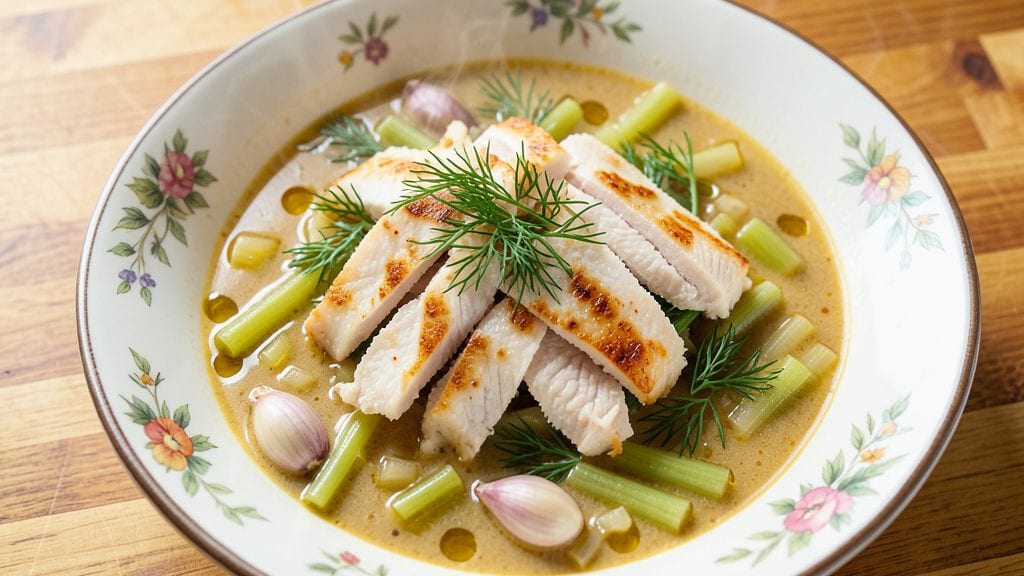
This tuna soup recipe transforms simple ingredients into a bright, herb-infused bowl that’s lighter than traditional versions but packed with flavor. The secret lies in balancing fresh lemon, aromatic herbs, and tender tuna—whether canned or fresh—against a silky broth that’s both comforting and refreshing.
I developed this after craving something hearty yet light, and the result is a soup that feels like a hug on a chilly day.
The broth is where the magic begins, simmered with onions, garlic, and celery until deeply flavorful but never overpowering. Adding a splash of white wine brightens the base before we blend in the tuna, creating a texture that’s velvety without being heavy.
Fresh herbs like parsley and dill finish it with a vibrant, fresh note that cuts through the richness of the fish.
What you’ll end up with is a soup that’s restaurant-quality but simple enough for a weeknight dinner. The lemon infusion keeps it bright, the herbs add depth, and the tuna provides that satisfying protein punch.
It’s the kind of dish that’s versatile enough for a light lunch or a cozy dinner, and it reheats beautifully for leftovers.
For a pescatarian-friendly twist, this recipe skips cream entirely, relying instead on the natural richness of the fish and a touch of olive oil for body. Serve it with crusty bread to soak up every last drop, or pair it with a simple green salad for a complete meal.
Let’s get cooking—this soup is a game-changer for tuna lovers.
Ingredients for tuna soup
Bright lemon and aromatic herbs transform simple pantry staples into restaurant-quality tuna soup.
| Ingredient | Amount | Notes |
|---|---|---|
| Yellow Onion 🧅 | 1 whole | Diced, medium size preferred |
| Celery Stalks 🥬 | 3 whole | Diced, including leaves |
| Garlic Cloves 🧄 | 4 cloves | Minced, fresh preferred |
| Extra-Virgin Olive Oil 🫒 | ¼ cup | For sautéing vegetables |
| Dry White Wine 🍷 | ½ cup | Sauvignon Blanc or Pinot Grigio |
| Low-Sodium Chicken Broth 💧 | 4 cups | Homemade or quality store-bought |
| Canned Tuna 🐟 | 2 cans | 5 oz each, in water |
| Fresh Lemon Juice 🍋 | ¼ cup | Freshly squeezed |
| Fresh Parsley 🌿 | ¼ cup | Chopped, stems removed |
| Fresh Dill 🌿 | 0.15 cup | Chopped, stems removed |
| Salt 🧂 | 1 ½ tsp | Adjust to taste |
| Black Pepper 🌶️ | ½ tsp | Freshly ground |
| Heavy Cream 🥛 | ¼ cup | Optional, for richness |
| Crusty Bread 🍞 | 1 loaf | For serving, optional |
| Fresh Thyme Leaves 🌿 | 1 tsp | Optional, for aroma |
The broth base is everything here. Low-sodium chicken broth ensures you won't need to adjust salt later, but if you're using homemade, reduce the salt in the recipe by half. Fresh thyme leaves add a subtle earthiness that elevates the soup—Trader Joe's or local markets usually carry bundles at a reasonable price. For the white wine, Sauvignon Blanc or Pinot Grigio work best; avoid anything too oaky or heavy. The canned tuna should be in water, not oil, to keep the soup light. If you prefer fresh tuna, sear it quickly in olive oil before adding to the broth.
No white wine? Substitute with extra chicken broth and a splash of apple cider vinegar for brightness. Fresh herbs can be swapped—flat-leaf parsley plus cilantro works if you're out of dill. For a richer texture without cream, add a spoonful of Greek yogurt at the end. The optional heavy cream should be full-fat for the best mouthfeel, but if you're avoiding dairy, coconut milk works surprisingly well. For the crusty bread, baguettes from the bakery section toast beautifully—just slice and warm in the oven for 5 minutes before serving.
This soup tastes even better the next day as the flavors meld. Store in an airtight container in the fridge for up to 4 days. For freezing, portion into 2-cup containers—it reheats beautifully, though the bread will need to be fresh. The herbs can be prepped ahead and stored in the fridge for 3 days wrapped in damp paper towels. If you're making a double batch, freeze half immediately—perfect for lazy weeknight dinners.
Why You'll Love This Recipe
- Foolproof Starter: I swear by this—just dice the onion, celery, and garlic while the oil heats, then toss in that white wine. The alcohol burns off in minutes, leaving behind a bright, aromatic base that makes the whole thing feel effortless.
- Wine-Infused Depth: That splash of dry white wine? It’s not just for show—it cuts through the richness of the tuna and builds layers of flavor you won’t find in canned soup. Honestly, the first sip makes me wonder why I ever skipped it.
- Weeknight & Meal Prep: Make a double batch on Sunday, and you’ve got lunch covered for days. The flavors only get better as it sits, and it reheats like a dream—no soggy celery or bland broth here.
- Budget-Friendly Luxury: Fresh tuna might sound fancy, but a single can (plus pantry staples) stretches into multiple servings. Between us, this is the kind of soup that makes you feel like you’re eating out without breaking the bank.
Step-by-step instructions for tuna soup with lemon and herb brightness
This method delivers a perfectly balanced soup with vibrant lemon notes and fresh herbs.
Sauté the Vegetable Base
Heat the 0.25 cup extra-virgin olive oil in a large pot over medium heat. Add the 1 whole diced yellow onion and 3 whole diced celery stalks, cooking for 5-6 minutes until the vegetables soften and begin to release moisture. This foundational step develops flavor through caramelization.
Add the 4 minced garlic cloves and 1 tsp fresh thyme leaves, stirring constantly for 30 seconds until fragrant. You'll notice the kitchen fill with an aromatic blend of garlic and thyme—this is your flavor anchor. Keep the heat at medium to prevent burning the garlic, which would make the soup bitter.
Deglaze and Simmer the Broth
Pour in the 0.5 cup dry white wine, scraping up any browned bits from the bottom of the pot with a wooden spoon. This deglazing captures all the concentrated flavors you've built. Let the wine simmer for 3-4 minutes until reduced by half and the alcohol has cooked off.
Add the 4 cups low-sodium chicken broth and bring to a gentle boil. Reduce heat to low and let it simmer uncovered for 15 minutes. This step allows the broth to meld with the sautéed vegetables, creating a flavorful base. Taste the broth now—it should be seasoned but not yet complete.
Add the Tuna and Acid Components
Using a slotted spoon, gently add the 2 cans canned tuna (drained) to the simmering broth. Keep the heat at low and stir lightly to distribute the tuna evenly. Add the 0.25 cup fresh lemon juice and 0.25 cup chopped fresh parsley, stirring well to incorporate. The lemon juice will brighten the entire soup, cutting through any richness.
Simmer for another 5 minutes to allow the flavors to meld. The soup should now have a vibrant color and a balanced taste—bright from the lemon, savory from the broth, and herbal from the thyme and parsley. If you prefer a creamier texture, stir in the 0.25 cup heavy cream now and simmer for 2 additional minutes.
Season and Finish
Season the soup with 1.5 tsp salt and 0.5 tsp black pepper, adjusting to taste. The salt should enhance all the flavors without overpowering them. Stir in the 0.15 cup chopped fresh dill just before serving to maintain its bright, fresh flavor—adding it earlier would make it lose its vibrant qualities.
Let the soup sit off the heat for 5 minutes before serving. This resting period allows the flavors to fully develop and the tuna to rehydrate slightly, ensuring each spoonful is perfectly balanced. Serve with 1 loaf crusty bread on the side to soak up the rich, flavorful broth.
Pro Tips For Making Tuna Soup
- SWEAT THE VEGETABLES: I used to rush the onion and celery, tossing them in with the wine before they softened. Now I cook them in olive oil over medium-low heat for 8–10 minutes—until they’re translucent and the onion’s edges start to caramelize slightly. That deepens the flavor way more than a quick sear.
- MINCE THAT GARLIC: Whole garlic cloves in tuna soup? Nope. I learned this the hard way—chop them into a fine mince (almost paste-like) so they dissolve into the broth instead of lurking as chewy bits. A quick smash with the flat side of your knife first makes this easier.
- DEGLAZE WITH WINE: Don’t just pour the wine in and stir once. After the vegetables soften, add the white wine and let it simmer for 2–3 minutes to cook off the alcohol. This step actually builds flavor—skip it, and your soup will taste flat.
- STRAIN THE BROTH: If you’re using canned tuna, strain the broth through a fine-mesh sieve before mixing in the fish. It removes any grit or loose bits that’ll make your soup taste off. (Yes, even if you’re in a hurry—it takes 30 seconds.)
Best sauces and condiments for this recipe
Classic Lemon Aioli
This bright, garlicky sauce adds a luxurious touch to your tuna soup. Whisk together ½ cup mayonnaise, 2 tbsp fresh lemon juice, 1 tbsp minced garlic, 1 tsp Dijon mustard, and salt to taste.
Drizzle 1 tbsp olive oil over the top for extra richness. Serve a dollop alongside each bowl of soup—it cuts through the broth beautifully and complements the tuna's natural flavor. 💛
Creamy Dill Sauce
For a fresh, herby contrast, blend ½ cup sour cream, 2 tbsp chopped fresh dill, 1 tbsp lemon zest, 1 tsp lemon juice, and ½ tsp salt until smooth. Thin with a splash of milk if needed.
This sauce pairs perfectly with the soup's lemony brightness, adding a cooling, creamy element that balances the dish. Store in an airtight container in the fridge for up to 3 days.
Spicy Sriracha Mayo
Add a kick with this zesty sauce: mix ¼ cup mayonnaise, 1 tbsp sriracha, 1 tsp honey, and ½ tsp lime juice. The heat from the sriracha contrasts the soup's freshness, while the honey adds a touch of sweetness.
Drizzle lightly over the soup or serve on the side for those who love a little spice. Adjust the sriracha to taste—start with 1 tsp if you're sensitive to heat.
White Wine Reduction
Elevate your soup with a sophisticated white wine reduction. Simmer ½ cup dry white wine with 1 tbsp butter and 1 tbsp shallots until reduced by half. Finish with a splash of lemon juice and a pinch of salt.
This sauce adds depth and acidity, enhancing the soup's flavors without overpowering them. Serve a small spoonful alongside each bowl for an elegant touch.
Herbed Olive Oil
For a lighter option, infuse ½ cup extra-virgin olive oil with 2 tbsp chopped parsley, 1 tbsp chopped dill, 1 tsp lemon zest, and a pinch of salt. Let it sit for 10 minutes before straining out the herbs.
Drizzle lightly over the soup just before serving—this adds a fresh, aromatic finish without adding heaviness. It also works beautifully as a dipping sauce for crusty bread. ✨
Nutrition facts
Frequently asked questions
Can I use fresh tuna instead of canned?
Fresh tuna works beautifully in this recipe. Sear 8-10 oz of fresh tuna steaks in olive oil for 2-3 minutes per side until just cooked through, then flake it into the simmering broth. Fresh tuna adds a more delicate flavor, so you may want to reduce the lemon juice slightly (0.2 cup) to balance the brightness.
How can I make this soup creamier without heavy cream?
For a dairy-free creamy texture, blend ½ cup plain Greek yogurt or ¼ cup coconut milk directly into the soup during the last 2 minutes of simmering. Alternatively, stir in 2 tbsp cornstarch mixed with 2 tbsp cold water and simmer for 1 minute to thicken naturally. Both methods add body without heaviness.
Why does my soup taste too fishy?
Overcooking the tuna or using high-sodium broth can make the soup taste fishy. For canned tuna, always drain and rinse it thoroughly. Use low-sodium broth and balance the flavors with more lemon juice (0.3 cup) and fresh herbs. Simmering the broth longer with aromatics (onion, celery, garlic) also helps mask fishiness.
Can I prepare this soup ahead of time?
Yes! This soup tastes even better the next day. Store it in an airtight container in the fridge for up to 4 days. Reheat gently on low heat or in the microwave, stirring occasionally. For freezing, portion into 2-cup containers—it reheats beautifully, though the bread should be fresh. Add extra herbs when reheating to restore freshness.
What's the best way to serve this with wine?
A crisp Sauvignon Blanc or Pinot Grigio complements the lemon and herb notes perfectly. The acidity in these wines mirrors the lemon in the soup, while their light body won't overpower the dish. For red wine lovers, a light Pinot Noir works surprisingly well with the earthy thyme. Serve chilled for white wines or slightly below room temperature for reds.