
Soups & Stews
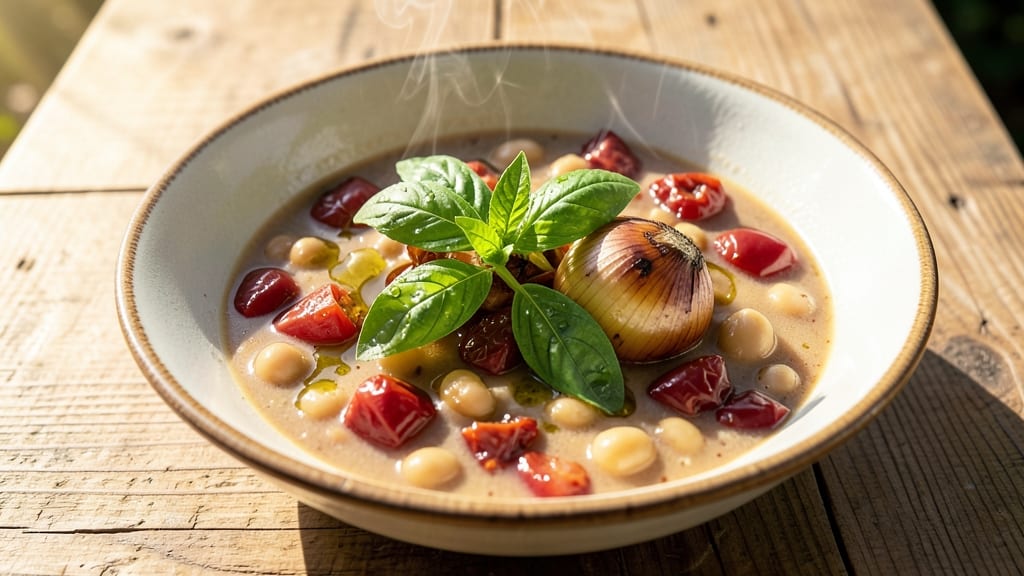
This Tuscan-style soup recipe brings the heart of Italy to your kitchen with its creamy tomato-basil broth and rustic bread topping. The secret lies in slow-simmered cannellini beans, wilted kale, and a touch of Parmesan that transforms simple ingredients into something deeply comforting.
I first made this during a chilly autumn evening when I wanted the warmth of a Tuscan trattoria without leaving home.
The beauty of this recipe is its simplicity—just a handful of ingredients that come together in one pot. You'll start with sautéed onions and garlic, then build layers of flavor with tomatoes, beans, and fresh herbs.
The bread topping, lightly toasted and sprinkled with garlic and olive oil, adds a satisfying crunch that contrasts perfectly with the velvety broth.
What you'll end up with is a soup that's rich yet light, creamy without being heavy, and packed with the earthy flavors of Tuscany. The bread topping soaks up the broth beautifully, creating a meal that's as hearty as it is elegant.
This is the kind of dish that tastes even better the next day, making it perfect for meal prep or a cozy weekend lunch.
Serve with a crisp green salad and a glass of Chianti for the full Tuscan experience. The recipe scales easily, so you can make a single serving or feed a crowd—just adjust the quantities accordingly. Let's get cooking!
Ingredients for tuscana soup
Just twelve ingredients for a soup that tastes like a Tuscan trattoria's secret.
| Ingredient | Amount | Notes |
|---|---|---|
| Yellow Onion 🧅 | 1 whole | Medium size, diced finely |
| Garlic Cloves 🧄 | 4 cloves | Fresh, peeled and minced |
| Extra-Virgin Olive Oil 🫒 | ½ cup | High quality, fruity flavor |
| Canned San Marzano Tomatoes 🍅 | 28 oz | Crushed or diced, no salt added |
| Canned Cannellini Beans 🥄 | 2 cups | Drained and rinsed, no salt added |
| Fresh Basil Leaves 🌿 | ½ cup | Packed, stems removed |
| Fresh Kale 🥬 | 4 cups | Chopped, stems removed |
| Parmesan Cheese 🧀 | ½ cup | Freshly grated, block preferred |
| Vegetable Broth 💧 | 4 cups | Low-sodium preferred |
| Baguette 🍞 | 1 whole | Day-old or lightly toasted |
| Salt 🧂 | 1 tsp | Kosher or sea salt |
| Black Pepper 🌶️ | ½ tsp | Freshly ground preferred |
| Red Pepper Flakes 🌶️ | ¼ tsp | Optional, for heat |
The tomatoes make all the difference here. San Marzano is ideal—sweet, meaty, and no funny business with added salt or preservatives. Trader Joe's and Whole Foods carry them year-round, but if you're in a pinch, any high-quality crushed tomatoes work. I always grab the 28-oz can because it's perfect for this recipe. Fresh basil? Farmers markets have the best, but the grocery store stuff is fine if it's bright green and not wilted. The kale should be vibrant—dark, crisp leaves mean it's fresh. Skip the pre-shredded stuff; chopping it yourself keeps it crunchy.
No San Marzano? Any crushed tomatoes in a 28-oz can will do, but taste the broth before adding salt—some brands sneak it in. Fresh basil missing? Dried basil at one-third the amount works, but you'll lose that bright, fresh flavor. The baguette can be any crusty bread—day-old works best since it's already dried out. No baguette? Sourdough or a crusty Italian loaf both work. The Parmesan? Pre-grated is fine, but grating your own from a wedge makes a huge difference in flavor. And if you're feeling adventurous, swap half the cannellini beans for white beans for a different texture.
This soup tastes even better the next day—honestly, it's when all the flavors really meld together. Keeps for 4-5 days in the fridge, and freezes beautifully for up to 3 months. I like to portion it into containers with a scoop of the bread topping so it's ready to grab and go. The bread topping stays crispy for about 2 days if you store it separately, so make a fresh batch when you're ready to eat. Leftovers? Just reheat with a splash of broth or water to loosen it up.
Why You'll Love This Recipe
- No-Chop Nightmare: I swear by this—just dice one onion and crush a few garlic cloves. The San Marzano tomatoes do all the heavy lifting while I sip my wine and pretend I’m not cooking.
- Umami Bomb: That first spoonful of olive oil, garlic, and crushed beans? It’s like a flavor grenade in the best way. The tomatoes mellow it out, but the depth lingers—rich, savory, and dangerously satisfying.
- Lunchbox Hero: Between us, this soup is my go-to for meal prep. Tastes even better the next day (yes, really), and I pack it in jars for work—no sad desk lunches here, just warm, hearty bites that hit the spot.
- Pantry Magic: Honestly, if you’ve got beans, tomatoes, and olive oil, you’ve got this. It’s my budget-friendly answer to “what’s for dinner?”—cheaper than takeout, but way more rewarding. Leftovers? Free meals for the week.
Step-by-step instructions for creamy tomato basil soup
Here's how to make a rich, velvety tomato soup with a crispy bread topping that'll elevate your dinner game.
Sauté the Aromatics for Flavor Foundation
Heat the 0.5 cup extra-virgin olive oil in a large pot over medium heat. Add the 1 whole yellow onion and cook for 5 minutes until softened and translucent. You'll see it go from pale to slightly golden around the edges.
Add the 4 cloves minced garlic and stir for 30 seconds until fragrant. The garlic should smell pungent but not burn—if it starts to brown too quickly, reduce the heat slightly. This aromatic base is where all the flavors will develop, so take your time here.
Build the Tomato Base
Pour in the 28 oz canned San Marzano tomatoes and stir well to combine with the onions and garlic. Add the 4 cups vegetable broth and bring everything to a gentle boil. Once boiling, reduce heat to medium-low and let it simmer uncovered for 15 minutes.
This simmering time allows the flavors to meld and the tomatoes to break down slightly, creating a smoother base. Stir occasionally to prevent sticking, but don't worry about making it perfectly smooth yet—that comes later.
Add Beans and Seasonings
Add the 2 cups drained and rinsed cannellini beans to the pot and stir gently. Season with the 1 tsp salt, 0.5 tsp black pepper, and 0.25 tsp red pepper flakes (if using). Let everything simmer together for another 10 minutes.
The beans will start to warm through and infuse the soup with their earthy flavor. Taste the soup now—it should be developing depth but still need that creamy texture. If you're not using red pepper flakes, now's the time to adjust seasoning with more salt if needed.
Blend for Creamy Perfection
Use an immersion blender to purée the soup directly in the pot until completely smooth. If you don't have an immersion blender, carefully transfer about half the soup to a regular blender, blend until smooth, then return to the pot. The soup should be velvety with no visible chunks.
Return the pot to medium heat and stir in the 4 cups chopped kale. Let it cook for 5 minutes until the kale wilts completely. This is where the soup gets its vibrant green color and extra nutrients. The kale should disappear into the soup, not remain as distinct pieces.
Prepare the Bread Topping
While the soup simmers, cut the 1 whole baguette into 1-inch cubes. Toss them with 2 tablespoons of the 0.5 cup extra-virgin olive oil (reserve the rest for the soup) and spread them in a single layer on a baking sheet. Broil for 3-4 minutes until golden and crispy.
Remove from the oven and immediately sprinkle with the 0.5 cup freshly grated Parmesan cheese and the 0.5 cup fresh basil leaves. The cheese will melt slightly from the residual heat, creating a perfect topping that contrasts beautifully with the creamy soup below.
Finish and Serve
Ladle the soup into bowls and top each serving with the crispy bread cubes. The contrast of warm, creamy soup with the crunchy, cheesy bread topping is what makes this dish special. Serve immediately while the bread is still crisp and the soup is steaming hot.
For extra flavor, you can drizzle a little more olive oil on top or add a sprinkle of fresh basil. This soup keeps well in the refrigerator for up to 3 days, though it's best enjoyed fresh when the bread topping is at its crispiest.
Pro Tips For Making Tuscana Soup
- Sweat the Onion Low: I learned this the hard way—ditch the high heat when cooking the onion. A gentle simmer for 8-10 minutes breaks down the onion’s natural sugars into a sweet, caramelized base that actually makes the whole soup richer. Yes, it takes longer, but your taste buds will notice.
- Crush Garlic, Don’t Mince: Skip the tiny minced bits—smash those garlic cloves with the flat side of your knife first, then chop. The crushed cloves release more flavor into the oil, and you won’t end up with a bitter, overcooked garlic punch. (Your future self will thank you.)
- Drain and Rinse Those Beans: Canned beans taste better when you rinse them first, but that’s not all—drain them twice and give them a quick cold-water rinse. This cuts down on the canned-bean aftertaste that can make your soup taste flat. Trust me, it’s a game-changer for this simple recipe.
- Simmer, Don’t Boil: This isn’t a race. Let the soup bubble gently at a low simmer—no rolling boil—so the tomatoes don’t turn mushy or split open. If you’re worried about burning, add a splash of water and keep the heat steady. Patience here means a smoother, more balanced soup.
Common mistakes when making perfect results
Over-Salting the Broth
I’ve ruined more soups than I’d like to admit by over-salting the broth early on. The key is to season gradually—start with just ½ tsp salt when adding the beans, then taste before finishing.
Remember, canned tomatoes and broth often already contain salt. Always use low-sodium broth and taste as you go. A pinch at a time is your friend here. 🧂
Skipping the Simmer
Rushing the 15-minute simmer after adding tomatoes is a big mistake. This step lets flavors meld and the tomatoes break down naturally for that velvety texture. If you’re short on time, at least simmer for 10 minutes—but don’t skip it entirely.
Patience here makes all the difference in the final consistency. ⏳
Burning the Garlic
Garlic can go from fragrant to bitter in seconds. Once you add the 4 minced cloves, stir constantly for just 30 seconds over medium heat. If it starts to brown too quickly, reduce the heat to low-medium.
Burnt garlic will make your soup taste harsh, not sweet and aromatic. Trust me, your taste buds will thank you. 🧄
Using Stale or Soft Bread
The bread topping needs to be crispy, and that means using day-old baguette or bread that’s slightly dried out. Fresh bread will turn soggy and lose its crunch. If you only have fresh bread, let it sit uncovered for 1 hour at room temperature before cubing.
Pro tip: Toast the cubes in the oven first to dry them out before adding oil. 🍞
Over-Blending the Soup
While you want a smooth texture, over-blending can turn your soup into a gluey mess. Use an immersion blender and pulse in short bursts until just smooth—about 20-30 seconds total.
If using a regular blender, blend half at a time and return to the pot immediately. A few tiny tomato bits actually add texture and balance the creaminess. 🥄
Ignoring the Kale Timing
Kale needs just 5 minutes to wilt completely—any longer and it’ll turn bitter. Add it right after blending and stir gently to distribute evenly. If your kale is very fresh, reduce time to 3-4 minutes.
The goal is vibrant green, not mushy. This small detail keeps the soup bright and flavorful. 🥬
Nutrition facts
Frequently asked questions
Can I make this soup vegetarian?
This recipe is already vegetarian-friendly, but you can enhance it further by adding mushrooms or roasted vegetables for extra depth. The beans and kale provide plenty of plant-based protein, and the Parmesan adds a rich, umami flavor that vegetarians love. Just ensure your broth is vegetable-based.
How do I store leftovers?
Store the soup (without the bread topping) in an airtight container in the fridge for up to 4-5 days. The bread topping stays crispy for about 2 days if stored separately in a sealed container. For freezing, portion the soup into containers and freeze for up to 3 months. Thaw overnight in the fridge and reheat gently with a splash of broth.
Can I substitute other greens for kale?
Yes! Spinach or Swiss chard work beautifully—just use 3 cups instead of 4 cups since they wilt faster. For a heartier texture, try chopped cabbage or even frozen peas. The key is to add greens after blending and cook them just until tender to preserve color and nutrients.
Why did my bread topping turn soggy?
This happens when the bread isn't dried out enough or is added too early. Use day-old baguette or let fresh bread sit uncovered for 1 hour before cubing. For extra crispiness, toast the cubes in the oven for 2-3 minutes before adding oil. Serve the bread topping immediately after assembling to maintain crunch.
Is this soup gluten-free?
Not traditionally, but you can easily adapt it! Skip the bread topping or use a gluten-free baguette. For extra thickness, blend in 1 cup cooked gluten-free pasta or add a cornstarch slurry. The soup itself is naturally gluten-free as written, so the only adjustment is the bread component.