
Soups & Stews
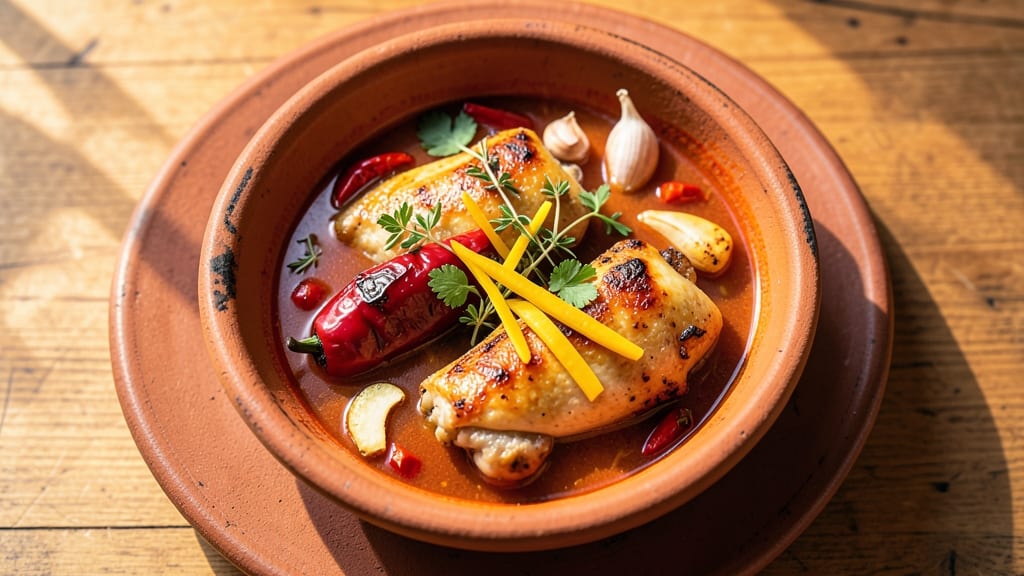
This West African pepper soup recipe delivers the bold, aromatic experience that makes it a staple across Nigeria, Ghana, and beyond—where every spoonful carries layers of heat, herbal depth, and cultural tradition.
The secret lies in balancing fiery Scotch bonnet peppers with earthy spices like thyme and ginger, creating a broth that transforms tough proteins into melt-in-your-mouth tenderness. I developed this version after years of studying regional variations, ensuring it stays true to the soul-warming essence while being adaptable to your kitchen.
The beauty of this recipe is its versatility—whether you choose chicken, goat meat, or fish as your protein, the pepper broth works magic by breaking down fibers and infusing every bite with complex, smoky-sweet flavors.
The process is straightforward but requires patience: simmering the spices until aromatic, blending for a velvety texture (or leaving it rustic), and adjusting heat to your preference. This isn’t just a soup; it’s a celebration of West African culinary heritage, designed to feed both body and soul.
What you’ll end up with is a rich, deeply flavorful pepper soup that pairs perfectly with staples like fufu, rice, or plantains—each bite delivering a symphony of spice, umami, and herbal notes. The aroma alone will have everyone gathered around the table, and the leftovers?
Even better the next day as the flavors meld further. This recipe bridges tradition and home cooking, proving you don’t need a specialized market to bring West Africa to your pot.
For those new to the dish, I’ve included tips on managing heat levels and protein choices, along with variations for dietary preferences—because great food should be inclusive. Let’s get cooking and bring a taste of Africa to your kitchen.
Ingredients for west african pepper soup
Six aromatic ingredients transform simple broth into West Africa's soulful pepper soup.
| Ingredient | Amount | Notes |
|---|---|---|
| Scotch Bonnet Peppers 🌶️ | 4 whole | Seeds removed for mild heat |
| Chicken Thighs 🍗 | 2 lb | Bone-in, skin-on preferred |
| Fresh Ginger Root 🧄 | 2 tbsp | Grated, fresh preferred |
| Garlic Cloves 🧄 | 6 cloves | Peeled, minced |
| Fresh Thyme Leaves 🌿 | ¼ cup | Stems removed |
| Fresh Parsley Leaves 🌿 | ¼ cup | Chopped, for garnish |
| Red Bell Pepper 🌶️ | 1 whole | Diced, for color |
| Onion 🧅 | 1 whole | Yellow, chopped |
| Tomato Paste 🍅 | ¼ cup | Squeeze tube preferred |
| Chicken Broth 💧 | 4 cups | Low-sodium preferred |
| Ground Black Pepper 🌶️ | 1 tsp | Freshly ground |
| Salt 🧂 | 1 ½ tsp | Adjust to taste |
| Olive Oil 🫒 | ¼ cup | Extra-virgin for richness |
| Lemon Juice 🍋 | 2 tbsp | Freshly squeezed |
| Scotch Bonnet Pepper Seeds 🌶️ | 1 tsp | Optional for extra heat |
Scotch bonnet peppers are the heart of this soup—look for bright red, firm ones at Latin markets or specialty stores like Whole Foods. If you can't find them, habanero peppers work in a pinch, but reduce the amount by half since they're hotter. Fresh ginger and thyme are non-negotiable for that authentic herbal punch; Costco or Trader Joe's usually carry good quality. The chicken thighs? Bone-in, skin-on gives the most flavor, but boneless works if you're in a hurry. I always grab extra ginger and thyme since they keep well in the freezer.
No Scotch bonnet? Dried cayenne pepper at one-third the amount gets you close, but the flavor won't be the same. Fresh herbs are ideal, but dried thyme at one-fourth the amount works if you're short on time. For the tomato paste, Trader Joe's squeeze tubes are perfect—they're concentrated and last forever. The bell pepper adds color and sweetness; red or yellow both work, but red has more depth. Want to make this vegetarian? Swap the chicken for chickpeas or tofu—just add them at the end to avoid overcooking.
This soup tastes even better the next day as the flavors meld. Keeps for 4-5 days in the fridge, or 3 months frozen. I always make a double batch—freeze half for lazy days. Store the Scotch bonnet peppers in the freezer (whole) to preserve their heat. The broth reduces as it sits, so add a splash of water or broth when reheating. Serve with rice or fufu for the full experience.
Why You'll Love This Recipe
- Here’s what sold me: this soup improves the next day. The flavors meld even deeper, and the broth gets richer. I make a double batch on Sundays—one meal fresh, one reheated for lunch, and it’s still the star.
- No Chopping Chaos: I swear by this recipe because the prep is ridiculously simple. You’re basically just dicing ginger, mincing garlic, and tossing in whole thyme sprigs—no fancy knife work, no stress. The Scotch bonnet peppers? Just halve and deseed them—done.
- Heat That Stays: Between the Scotch bonnet’s slow-building fire and the ginger’s zing, this soup doesn’t just pack flavor—it lingers. The chicken thighs get tender while soaking up the broth, so every bite delivers that perfect balance of spicy, savory, and just a hint of herbal brightness.
- Leftover Goldmine: Here’s what sold me: this soup improves the next day. The flavors meld even deeper, and the broth gets richer. I make a double batch on Sundays—one meal fresh, one reheated for lunch, and it’s still the star.
Step-by-step instructions for West African pepper soup
This vibrant soup builds layer by layer—herbs infuse, spices bloom, and the broth transforms into something deeply flavorful.
Build the Spice Base
Heat the 0.25 cup olive oil in a large pot over medium heat. Add the 2 tbsp fresh ginger root and 6 cloves garlic cloves, cooking for 2 minutes until fragrant. This is where the foundation sets—don't rush it. The ginger should soften slightly but not brown.
Next, add the 4 whole Scotch Bonnet peppers (seeds removed) and 1 tsp Scotch Bonnet pepper seeds (optional for extra heat). Stir for 1 minute until the peppers begin to soften. You'll notice the aroma intensify—this is your first taste of the bold flavors to come. If using the seeds, be cautious; they pack serious heat.
Sauté Aromatics and Chicken
Add the 1 whole onion and 1 whole red bell pepper, both diced, to the pot. Cook for 5 minutes until the onion becomes translucent and the bell pepper softens. This step develops the soup's depth—don't skip it. The vegetables should release their moisture and meld with the spices.
Push the vegetables to one side of the pot and add the 2 lb chicken thighs, skin-side down. Let them sear for 3-4 minutes until golden brown. The skin should crisp slightly, adding texture and richness. Flip the thighs and cook for another 3 minutes before removing them to a plate.
Simmer the Broth and Herbs
Return the pot to medium heat and add the 0.25 cup tomato paste, stirring to coat the vegetables. Cook for 2 minutes until the paste darkens slightly. Pour in the 4 cups chicken broth and bring to a gentle boil. Reduce heat to low and add the 1.5 tsp salt and 1 tsp ground black pepper.
Stir in the 0.25 cup fresh thyme leaves and return the chicken thighs to the pot. Let the soup simmer uncovered for 30 minutes, stirring occasionally. The broth should reduce slightly, intensifying the flavors. You'll know it's ready when the chicken is tender and the broth has a rich, aromatic depth.
Finish with Herbs and Brightness
Remove the chicken thighs from the pot and let them rest for 5 minutes. Skim any excess fat from the broth if desired. Return the pot to low heat and stir in the 2 tbsp lemon juice. This adds a bright, tangy finish that balances the bold spices. Simmer for 2 minutes to let the lemon integrate.
Garnish the soup with the 0.25 cup fresh parsley leaves just before serving. The parsley adds a fresh contrast to the deep, spicy broth. Serve the chicken thighs with the soup, ensuring each bowl gets a generous portion of the aromatic liquid. The soup should be rich, slightly spicy, and bursting with herbal notes—perfectly balanced.
Pro Tips For Making West African Pepper Soup
- Char the Chicken First: Skip the slow start—sear the chicken thighs skin-side down in a hot pot until deeply browned (about 5-6 minutes). This locks in flavor and prevents them from turning rubbery later, especially since Scotch bonnet peppers will add enough moisture to the broth without needing pre-soaking.
- Mince Ginger Like Mad: Use a microplane or knife to turn ginger into a fine paste, not just chunks. I learned this the hard way—visible ginger pieces burn quickly and leave your soup tasting raw. A tablespoon of this paste is enough; it’ll melt into the oil and infuse faster than you’d expect.
- Tame the Scotch Bonnet: Remove the pepper’s seeds and membranes before chopping, then pulse it in a food processor with a splash of broth to control the heat. Whole peppers or even chopped ones can make your soup inedible—this method keeps the flavor without the fireworks (and lets you adjust spice levels mid-cook).
- Simmer Low and Long: After the initial sear, reduce heat to a bare simmer (tiny bubbles, not rolling) and cover the pot for 30 minutes. High heat now will cook the chicken unevenly and make the broth bitter. Patience here means tender meat and a soup that tastes deeper, not rushed.
Regional styles of this recipe
Nigerian Style
In Nigeria, this soup is often called "pepper soup" and is a centerpiece at gatherings. The Nigerian version typically includes goat meat or beef instead of chicken, giving it a deeper, gamey flavor. I’ve made it with beef shank for extra richness—simmer the meat for 2-3 hours until fall-off-the-bone tender.
The broth is usually thicker and more intense, with a blend of black pepper, ginger, and a touch of nutmeg for warmth. Serve it with pounded yam or eba for the full experience. 🌶️
Ghanaian Adaptation
Ghanaian pepper soup, or "shito," leans lighter and brighter than its Nigerian cousin. Here, fish (like tilapia or mackerel) or chicken is the star, and the broth is less thick, almost like a light stew.
The key difference? More lemon juice (up to 3 tbsp) and fresh parsley are added at the end for a zesty kick. I like to blend half the soup for a velvety texture while leaving the other half chunky.
Serve with banku (fermented corn and cassava dough) or rice.
Liberian Twist
Liberian pepper soup, or "palava sauce," is richer and often includes palm oil for a deep red hue. The Liberian version uses more tomatoes (sometimes blended into a paste) and a hint of cayenne for extra heat.
I’ve seen it made with chicken, beef, or even shrimp, and the broth is thicker, almost like a sauce. The Liberian style also incorporates groundnut (peanut) powder for nutty depth. Pair it with white rice or fufu for a hearty meal. 💛
Senegalese Version
In Senegal, this soup is called "thieboudienne" when paired with rice, but the pepper broth stands alone as "soupe au poivre." The Senegalese style uses less Scotch bonnet heat and more dried chili flakes for a milder, smoky flavor. Fish (like red snapper or sea bass) is the protein of choice, and the broth is lighter, almost like a fish stock.
I add a pinch of cinnamon for warmth and serve it with thieboudienne rice (a Senegalese one-pot dish).
Modern Fusion Takes
For a contemporary twist, try adding coconut milk (just ¼ cup) for creaminess or smoked paprika for depth. I’ve also experimented with grilled shrimp instead of chicken and a blend of bell peppers for color. Another fun adaptation?
Swap half the chicken for chickpeas and tofu for a vegetarian version—just add them at the end to keep them tender. These fusions keep the soul of the dish while making it accessible to modern palates. ✨
Nutrition facts
Frequently asked questions
What makes West African pepper soup different from other spicy soups?
This soup stands out for its complex heat profile—Scotch bonnet peppers provide fruity, smoky heat, while ginger and thyme add herbal depth. Unlike typical spicy soups, it relies on layered aromatics (not just chili) and transforms tough proteins through long simmering. The broth also gets a bright finish with lemon, balancing the richness.
Can I use regular bell peppers instead of Scotch bonnet?
No—Scotch bonnet peppers are essential for that signature fruity heat. For mild heat, try 1 habanero pepper (halved amount) or ½ tsp cayenne powder, but the flavor won't be identical. If you're sensitive to heat, remove all seeds and membranes first. The soup will still taste good, just less fiery.
How do I adjust the heat level for kids or sensitive eaters?
Remove all Scotch bonnet seeds and membranes before cooking. For extra mildness, blend the soup and serve the strained broth separately. Add 1 extra tbsp lemon juice to balance residual heat. Kids often love the herbal notes—just let them add their own black pepper to taste.
What's the best way to store leftovers?
Cool the soup completely, then store in an airtight container for up to 4 days in the fridge. For freezing, portion into single servings and freeze for 3 months. Reheat gently on low heat, adding a splash of broth or water if too thick. The flavors actually improve overnight as the spices meld.
Why does my pepper soup taste bland?
Most likely, the spices didn't bloom long enough. Always sauté ginger, garlic, and peppers for 2-3 minutes before adding liquids. Another common issue is rushing the simmer time—this soup needs 30+ minutes to develop depth. For extra flavor, add 1 extra tbsp tomato paste or a pinch of nutmeg at the end.