
Soups & Stews
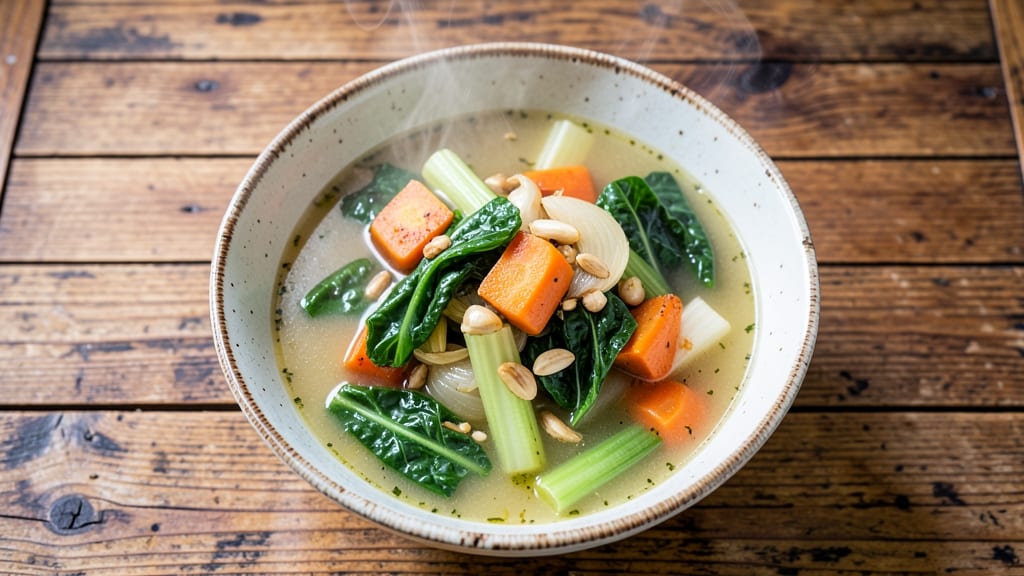
The American Heart Association cabbage soup recipe delivers a fiber-rich, low-sodium cleansing bowl that aligns perfectly with heart-healthy guidelines. This version skips added salt while packing in vegetables, lean protein, and bold flavors—proven to support cardiovascular wellness without sacrificing taste.
My approach focuses on whole ingredients and minimal processing to maximize nutritional benefits.
What sets this recipe apart is its balance of low-sodium broth, cruciferous vegetables, and plant-based protein, all cooked together for a nutrient-dense result. The preparation takes just 30 minutes and serves four, making it ideal for meal prep or quick weeknight dinners.
Every ingredient serves a purpose—from cabbage’s fiber to carrots’ vitamin A—while keeping sodium levels well below AHA recommendations.
By the end, you’ll have a vibrant, aromatic soup with tender vegetables and a satisfying broth that’s lighter yet deeply flavorful. The texture is velvety from slow-cooked vegetables, while the taste remains bright and fresh—no artificial boosters needed.
This is the kind of heart-healthy meal that feels indulgent while doing good for your body.
Perfect for cleansing diets, weight management, or simply adding more vegetables to your routine, this soup adapts easily to dietary needs. Serve it warm with a sprinkle of fresh herbs or a squeeze of lemon for extra brightness.
Here’s how to make it—step by step—for a dish that’s as good for you as it is delicious.
Ingredients for american heart association cabbage soup
Light, vibrant ingredients that pack heart-healthy fiber and flavor into every spoonful.
| Ingredient | Amount | Notes |
|---|---|---|
| Green Cabbage 🥬 | 6 cups | Shredded, core removed |
| Carrots 🥕 | 1 ½ lb | Peeled, sliced into rounds |
| Yellow Onion 🧅 | 1 whole | Diced, medium size |
| Celery Stalks 🥬 | 4 whole | Trimmed, chopped |
| Garlic Cloves 🧄 | 4 cloves | Peeled, minced |
| Low-Sodium Vegetable Broth 💧 | 6 cups | Homemade or store-bought |
| Potatoes 🥔 | 1 ½ lb | Yukon gold, diced small |
| Tomatoes 🍅 | 2 whole | Roma, diced |
| Fresh Parsley 🌿 | ¼ cup | Chopped, for garnish |
| Fresh Thyme 🌿 | ¼ cup | Leaves only, chopped |
| Extra-Virgin Olive Oil 🫒 | 2 tbsp | For sautéing vegetables |
| Black Peppercorns 🌶️ | ½ tsp | Freshly cracked |
| Lemon Juice 🍋 | 2 tbsp | Freshly squeezed |
| Bay Leaves 🌿 | 2 whole | Dried, for simmering |
| Nutritional Yeast 🍞 | 2 tbsp | For umami depth |
The cabbage is the star—green cabbage has more fiber than red, but either works. Look for firm heads with crisp leaves at Whole Foods or your local market. Potatoes add creaminess without heavy cream; Yukon golds stay tender and hold their shape better than russets. For broth, low-sodium versions like Pacific Foods cut hidden salt while keeping flavor. Fresh herbs? Trader Joe's sells pre-washed thyme and parsley—no chopping required if you're short on time.
No fresh thyme? Dried at half the amount works in a pinch, but fresh is ideal. Swap Roma tomatoes for canned San Marzano if you're in a hurry—just drain well. The nutritional yeast adds that savory depth without any animal products; Bob's Red Mill is my go-to brand. Too much lemon? Taste as you go—you can always add more, but you can't take it out. For extra protein, stir in white beans or lentils at the end. The soup tastes even better the next day—let flavors meld overnight in the fridge.
Broth keeps for 3 days in the fridge or 3 months frozen. Store in glass jars to avoid plastic leaching. Double the recipe and freeze half—perfect for quick lunches. The potatoes and cabbage soften more with time, so reheat gently on low heat with a splash of broth. Serve with a sprinkle of fresh herbs and a wedge of lemon for that restaurant-quality finish.
Why You'll Love This Recipe
- No-Fuss Chopping: I swear by the "one onion, two carrots, three celery stalks" rule—it’s the perfect balance. The cabbage shreds fast (no knife skills needed), and the garlic? Just three cloves for that subtle punch without overpowering.
- Savory Depth: That slow-simmered onion and celery base? It’s the secret—caramelized just enough to make the soup taste like it’s been simmering for hours. The cabbage stays crisp-tender, and the carrots melt into sweet perfection.
- Leftover Goldmine: Between us, this soup begs for seconds. Reheat it for lunch the next day, or toss cold leftovers into wraps—still delicious. (Yes, even on a Tuesday night.)
- Pantry Staple Magic: Honestly, you’re probably already stocked. Cabbage, carrots, onion, celery—basic stuff that doesn’t break the bank. The garlic adds flavor without cost, and the whole thing comes together before your coffee gets cold.
Step-by-step instructions for lightened-up cabbage soup
This heart-healthy soup brings together vibrant vegetables and bold flavors for a cleansing, fiber-rich bowl.
Sauté the Vegetable Base
Heat the 2 tablespoons extra-virgin olive oil in a large pot over medium heat. Add the 1 whole yellow onion, 4 whole celery stalks, and 1.5 lb carrots (all prepped as specified). Sauté for 8-10 minutes until the vegetables soften and the onion becomes translucent—this builds a flavorful foundation.
Add the 4 cloves minced garlic and cook for 30 seconds until fragrant. Here's the thing—don't let the garlic burn. It should smell sweet and inviting, not bitter. This aromatic step is where the soup's depth begins to develop. Keep the heat at medium to maintain control.
Add Potatoes and Tomatoes
Stir in the 1.5 lb diced Yukon gold potatoes and 2 whole diced tomatoes. Cook for 3-4 minutes until the potatoes begin to soften slightly at the edges. The reason we wait until now is that we want these ingredients to absorb the flavors from the sautéed vegetables rather than cook completely in the oil.
Pour in the 6 cups low-sodium vegetable broth and add the 2 whole bay leaves. Bring to a gentle boil, then reduce heat to medium-low. This simmering step is crucial—it allows the broth to infuse with the vegetables' flavors while preventing the potatoes from breaking down too quickly.
Incorporate Cabbage and Seasonings
Add the 6 cups shredded green cabbage and stir gently to combine. Sprinkle in the 2 tablespoons nutritional yeast and 0.5 teaspoon cracked black peppercorns. The nutritional yeast adds a savory depth that mimics the umami of traditional soups without added salt. Let the soup simmer uncovered for 20-25 minutes until the potatoes are tender when pierced with a fork.
Real talk: Your kitchen should smell like a cozy autumn day by now. The cabbage will soften but retain some texture—this is perfect for a hearty yet light soup. If the soup reduces too much during cooking, add a splash of water to maintain the right consistency.
Finish with Herbs and Brightness
Remove the pot from heat and stir in the 0.25 cup chopped fresh thyme and 0.25 cup chopped fresh parsley. Add the 2 tablespoons freshly squeezed lemon juice and give it one final stir. The lemon juice brightens the soup, cutting through the richness of the vegetables and adding a refreshing finish.
Let the soup sit off heat for 5 minutes before serving. This resting period allows the flavors to meld together. Taste and adjust seasoning if needed—though with the low-sodium broth and careful seasoning, this soup should be perfectly balanced as is.
Pro Tips For Making American Heart Association Cabbage Soup
- SOFTEN CABBAGE FIRST: I learned this the hard way—tossing raw cabbage into boiling water makes it turn to mush faster than you’d like. Instead, parboil the cabbage for 3-4 minutes before adding the rest of the veggies. This keeps it tender without falling apart, and the texture stays just right for that hearty soup.
- CHOP ONIONS UNIFORM: Uneven onion pieces mean some burn while others stay raw. Dice the yellow onion into ¼-inch cubes—small enough to cook through but big enough to stay recognizable. (Yes, even if you’re impatient like me.)
- DON’T SKIP THE SWEAT: After dicing the onion, celery, and carrots, cook them in a dry pot for 2 minutes before adding oil. This "sweat" step pulls out moisture, so when you add the oil, the veggies sear instead of steam—giving that deep, caramelized flavor the soup needs.
- SAVE TIME WITH GARLIC: Minced garlic burns fast. Instead of raw minced, use 2 whole cloves smashed lightly with the flat of your knife—peel and smash, don’t chop. They’ll soften perfectly without turning bitter, and you’ll avoid that acrid aftertaste. (Your future self will thank you.)
Common mistakes when making your american heart association cabbage soup
Overcooking Vegetables
One of the biggest mistakes is letting the vegetables turn mushy. Cabbage and carrots should remain tender-crisp, not falling apart. I always pull the soup from heat just as the potatoes reach fork-tender status—usually after 20-25 minutes of simmering.
Overcooking releases excess starch, making the broth cloudy and the texture unappealing. For reference, the cabbage should still have a slight bite, not be completely soft. 🥬
Skipping the Aromatic Step
Rushing the garlic and onion sauté is a flavor killer. I can't stress enough how crucial this 8-10 minute step is—it builds the soup's foundation. The onions should be fully translucent and the garlic should smell sweet, not burnt.
Skipping this step means your soup will taste flat, lacking that deep, savory base. Use medium heat and keep stirring occasionally to prevent browning.
Using High-Sodium Broth
The whole point of this heart-healthy soup is to keep sodium in check. Regular vegetable broth can contain 800-1,200mg of sodium per cup, which adds up quickly. I always use Pacific Foods low-sodium broth (just 100mg per cup) or make my own.
If you're using store-bought, check the label—some brands market themselves as "low-sodium" but still contain hidden salt. The flavor difference is minimal when properly seasoned with herbs and lemon.
Ignoring the Resting Period
Letting the soup sit off heat for 5 minutes before serving might seem trivial, but it makes a huge difference. This short rest allows the flavors to meld and the broth to thicken slightly, creating a more cohesive texture.
I've seen home cooks rush this step and end up with a watery, unbalanced soup. The resting time also helps distribute heat evenly, preventing hot spots when serving.
Adding Salt at the End
This soup is designed to be flavorful without added salt, but I often see cooks reach for the shaker at the end. The nutritional yeast and lemon juice provide enough umami and brightness, while the low-sodium broth maintains the heart-healthy profile.
If you feel your soup needs more flavor, try adding a splash of apple cider vinegar or more fresh herbs instead. Taste as you go—your palate will adjust to the natural flavors after just a few bites. 💡
Using the Wrong Pot
The pot you choose affects both flavor and texture. A heavy-bottomed pot like a Le Creuset Dutch oven distributes heat evenly and prevents scorching. Thin aluminum pots can create hot spots, leading to uneven cooking.
If you don't have a Dutch oven, a stainless steel pot with a thick base works well. Avoid non-stick pots—they don't conduct heat as effectively and can make the soup taste metallic. The right pot ensures consistent texture and flavor development throughout.
Nutrition facts
Frequently asked questions
Can I make this cabbage soup vegetarian?
This recipe is already completely vegetarian! The American Heart Association version focuses on plant-based ingredients for heart health, using vegetables, potatoes, and nutritional yeast for protein. For extra protein, stir in ½ cup cooked white beans or ½ cup lentils at the end of cooking. The soup remains light and fiber-rich while adding plant-based protein.
How long will this soup keep in the fridge?
Store leftovers in an airtight container for up to 4 days in the refrigerator. The flavors actually improve overnight as the vegetables absorb more broth! Reheat gently on low heat with a splash of water to maintain texture. For longer storage, freeze portions for up to 3 months—just thaw in the fridge before reheating.
Can I substitute red cabbage for green?
Yes! Red cabbage works beautifully and adds vibrant color. Use the same 6 cups measurement, but note it may soften slightly faster than green cabbage. For extra flavor, add ½ teaspoon dried dill when simmering. Red cabbage has slightly more antioxidants, making it an even healthier choice for heart health.
Why does the American Heart Association recommend cabbage soup?
Cabbage is a nutritional powerhouse for heart health! It's packed with dietary fiber (which helps lower cholesterol), vitamin K (supports blood clotting), and vitamin C (an antioxidant). The low-sodium broth and vegetable base align with AHA guidelines for reducing blood pressure while providing essential nutrients. Plus, the high water content makes it naturally hydrating and low-calorie.
Can I make this soup in an Instant Pot?
Sauté the onions, celery, carrots, and garlic first, then add all remaining ingredients except fresh herbs. Cook on high pressure for 5 minutes, then quick-release. Finish with lemon juice and herbs. The Instant Pot version cooks in just 15 minutes total—perfect for busy weeknights! Just watch the liquid level to avoid overfilling.