
Soups & Stews
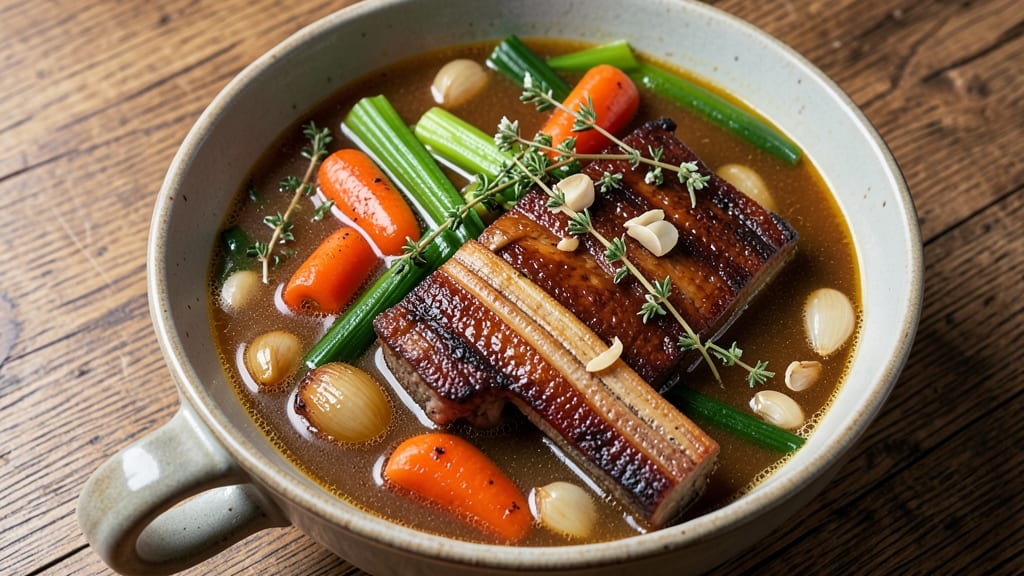
This beef rib soup recipe delivers deep, slow-simmered richness where the meat practically melts in your mouth—something I perfected after years of experimenting with tougher cuts. The secret lies in low-and-slow cooking, where collagen transforms into velvety broth while the beef becomes fork-tender.
Every spoonful carries layers of savory depth that turn ordinary weeknights into comforting meals.
What sets this recipe apart is the balance of technique and simplicity: no fancy equipment, just a heavy pot, patience, and a few key ingredients like aromatic vegetables and herbs.
The ribs braise until they fall apart, infusing the broth with their natural flavors, while carrots and onions caramelize for sweetness. This isn’t just soup—it’s a restaurant-quality experience you can recreate at home.
The result is a steaming bowl of golden broth, studded with tender beef ribs, silky vegetables, and herbs that brighten every bite.
The aroma alone will have your kitchen smelling like a home-cooked masterpiece, while the texture—melt-in-your-mouth meat against a silky broth—makes it impossible to resist a second helping. Serve with crusty bread to soak up every last drop.
Perfect for chilly evenings or when you crave a meal that feels like a hug in a bowl, this soup builds character as it simmers. The longer it cooks, the deeper the flavors develop, making it ideal for meal prep or a weekend project.
Let’s get started—your taste buds will thank you.
Ingredients for beef rib soup
Pantry staples meet restaurant-quality beef for a soup that feels like a hug in a bowl.
| Ingredient | Amount | Notes |
|---|---|---|
| Beef Ribs 🥩 | 3 lb | Bone-in, cut into 2-inch pieces |
| Yellow Onions 🧅 | 2 whole | Chopped into 1-inch pieces |
| Carrots 🥕 | 4 whole | Peeled, cut into 2-inch chunks |
| Celery Stalks 🌿 | 4 whole | Chopped into 1-inch pieces |
| Garlic Cloves 🧄 | 6 cloves | Minced for aromatic depth |
| Fresh Thyme Sprigs 🌿 | 4 whole | Leaves only, stems removed |
| Fresh Bay Leaves 🌿 | 2 whole | For subtle herbal notes |
| Tomato Paste 🍅 | ½ cup | For rich, concentrated flavor |
| Beef Broth 💧 | 6 cups | Low-sodium preferred |
| Red Wine 🍷 | 1 cup | Dry, bold variety like Cabernet |
| Olive Oil 🫒 | ¼ cup | Extra-virgin for richness |
| Salt 🧂 | 1 ½ tsp | Diamond Crystal preferred |
| Black Peppercorns 🌶️ | 1 tsp | Freshly cracked for texture |
| All-Purpose Flour 🌾 | 2 tbsp | For thickening broth |
| Crusty Bread 🍞 | 6 slices | For serving, optional |
The beef ribs are the star—look for well-marbled cuts at your butcher or the meat department. Costco or Whole Foods often carry them pre-cut, which saves time. If buying whole ribs, ask for the bones to be cracked for faster cooking. The carrots and celery should be firm with vibrant color—no wilted stalks. Fresh herbs like thyme and bay leaves make all the difference; dried works in a pinch but fresh gives that restaurant-quality aroma. For tomato paste, Trader Joe's has the best quality at a great price—just grab the small tube.
No red wine? Beef broth with a splash of balsamic vinegar works perfectly. The flour is just for thickening at the end—don't skip it if you want that perfect silky texture. Substituting vegetables? Potatoes or turnips hold up well in long cooking. For extra richness, add a splash of Worcestershire sauce or a pinch of smoked paprika. The broth should be low-sodium—you'll be adding plenty of salt later. If using store-bought broth, Kirkland Signature or Imagine brands are my go-tos for clean flavor.
This soup only gets better with time—plan for at least 3 hours of simmering, but overnight is ideal. Store leftovers in the fridge for up to 5 days or freeze for 3 months. The broth thickens as it cools, so add a splash of water when reheating. For serving, crusty bread is perfect—any sourdough or baguette works. The ribs will be fork-tender, so serve with a sturdy spoon. Double the recipe? It freezes beautifully for busy nights.
Why You'll Love This Recipe
- Minimal Chopping Required: I swear by the "mirepoix hack" here—just rough-chop onions, carrots, and celery into bite-sized pieces (no fancy julienne needed). The ribs do all the work while you sip your coffee, and honestly, that crisp-tender garlic at the end? Worth every two minutes.
- Rich Without the Effort: The beef ribs melt into the broth, giving you that deep, meaty satisfaction without hours of braising. Toss in a handful of fresh parsley at the end, and suddenly it’s restaurant-quality—just with more love and fewer pretensions.
- Leftovers That Don’t Suck: Between us, most soups turn into sad, watery memories by day three. Not this one. The ribs stay tender, the broth thickens beautifully, and I’ve reheated this for five days straight with zero complaints. (Yes, even from my picky teenager.)
- Budget-Friendly Crowd-Pleaser: You’re getting a whole pound of ribs for a fraction of the cost of steak, and the veggies stretch the flavor like magic. Double the batch, freeze half, and suddenly you’ve got a $5 meal that feeds six—no takeout guilt, just pure comfort.
Step-by-step instructions for beef rib soup
Here's how to create a deeply flavorful beef rib soup with melt-in-your-mouth meat and rich, aromatic broth.
Sear the Beef Ribs for Deep Flavor
Heat the 0.25 cup olive oil in a large Dutch oven over medium-high heat until shimmering. Working in batches if needed, add the 3 lb beef ribs in a single layer, ensuring they don't overcrowd the pan. Sear for 4-5 minutes per side until they develop a deep golden-brown crust.
This critical step builds the foundation of your soup's flavor. The caramelized exterior releases into the broth during simmering, creating that unmistakable depth. I press down gently on the ribs during the first minute - this prevents them from curling and ensures even contact with the pan. Once all ribs are browned, transfer them to a plate and set aside temporarily.
Build the Aromatic Base
In the same Dutch oven, reduce heat to medium and add the chopped 2 whole yellow onions, 4 whole carrots, and 4 whole celery stalks. Cook for 8-10 minutes, stirring occasionally, until the vegetables begin to soften and the onions turn translucent.
Add the 6 cloves minced garlic cloves and cook for another 30 seconds until fragrant. Stir in the 4 whole fresh thyme sprigs and 2 whole fresh bay leaves, allowing the flavors to meld together. This aromatic base forms the flavor foundation of your soup - don't rush this step as the vegetables need time to develop their sweetness.
Deglaze and Develop the Broth
Pour in the 1 cup red wine and scrape up all the browned bits from the bottom of the pot using a wooden spoon. This deglazing step captures all the flavor you worked so hard to create. Let the wine simmer for 3-4 minutes until reduced by about half, then stir in the 0.5 cup tomato paste and cook for another 1 minute to deepen the color.
Add the 6 cups beef broth and bring the mixture to a gentle boil. Return the seared beef ribs to the pot, making sure they're fully submerged. The broth should just cover the ribs - if not, add a bit more water. This is where the magic happens as the ribs will slowly break down into tender, flavorful pieces.
Simmer Until Fork-Tender
Reduce heat to low and cover the Dutch oven with a lid. Let the soup simmer gently for 2.5-3 hours, maintaining a temperature between 180-190°F. Check occasionally and add water if the liquid level gets too low - you want to keep the ribs submerged.
You'll know the ribs are done when they pull apart easily with a fork and the broth has thickened slightly. The meat should be fork-tender, falling apart at the touch, and the broth should have a rich, deep color. This long simmering time is crucial for developing the soup's complex flavors and tenderizing the meat.
Finish and Serve
Remove the beef ribs from the soup and transfer them to a cutting board. Using two forks, shred the meat into bite-sized pieces, discarding any large bones. Return the shredded meat to the pot and stir to combine.
Season the soup with 1.5 tsp salt and 1 tsp freshly cracked black peppercorns, adjusting to taste. In a small bowl, whisk together the 2 tbsp all-purpose flour with 2 tablespoons of broth to create a slurry. Stir this into the soup and simmer for 5-7 minutes until the broth thickens slightly to your desired consistency.
Ladle the soup into bowls and serve immediately with 6 slices crusty bread on the side. The combination of tender beef, aromatic vegetables, and rich broth creates a deeply satisfying meal that's perfect for chilly days.
Pro Tips For Making Beef Rib Soup
- Brown the Ribs First: Don’t just toss raw ribs into the pot—they’ll turn the broth murky. Sear them in batches over medium-high heat for 3-4 minutes per side until deeply browned. That crust packs flavor, and I’ve learned the hard way that skipping this step means bland soup.
- Chop Veggies Unevenly: Cut carrots and celery into 1-inch chunks, but leave onions slightly larger (½-inch). The uneven sizes ensure some veggies stay intact for texture while others soften into the broth. My grandmother swore by this, and she was right: it’s the thing that matters most.
- Simmer, Don’t Boil: Once everything’s in the pot, keep the heat low enough that you barely see bubbles. A rolling boil breaks down collagen too fast, turning ribs tough. I used to rush this part and wondered why my ribs never fell apart—now I resist the urge to turn it up.
- Add Garlic Late: Crush the garlic cloves and toss them in during the last 10 minutes of cooking. Raw garlic burns easily, and adding it early turns the broth bitter. Sounds weird, but it works: the flavor brightens without overpowering the ribs.
Storing and reheating your leftovers
Refrigerator Storage
Let your soup cool completely before transferring to airtight containers—I prefer glass Pyrex with snap-on lids for even heat distribution. Store at 40°F or below for up to 5 days, though the flavors actually deepen overnight as the broth melds.
The broth will thicken slightly, so add ¼ cup water when reheating if you prefer a looser consistency. 💫
Freezer Prep Tips
For long-term storage, portion soup into quart-sized freezer bags (leave 1-inch headspace for expansion) or glass containers. Label with the date—this soup freezes beautifully for 3 months without losing texture. I like to freeze individual portions for easy grab-and-go meals. Thaw overnight in the fridge before reheating. ❄️
Stovetop Reheating
My preferred method is stovetop reheating, which preserves the rich texture. Heat soup over medium-low heat (never boiling) for 10-15 minutes, stirring occasionally. Add 2-3 tablespoons of water or broth if it thickens too much. Taste and adjust seasoning—soup often needs a pinch of salt after reheating. 🔥
Microwave Safety
For quick reheating, transfer soup to a microwave-safe bowl and heat on 50% power in 2-minute intervals, stirring between each. Avoid full power to prevent uneven heating. Cover loosely with a microwave-safe lid to retain moisture. Stir well before serving—some separation may occur during reheating. ✨
Reviving Texture
If your reheated soup seems too thick, stir in 1-2 tablespoons of water or broth until smooth. For extra richness, top with a drizzle of olive oil or a sprinkle of fresh parsley.
The ribs may firm up slightly—just give them a few minutes in the warm broth to soften again. 💡
Serving Leftovers
Leftovers taste even better the next day! Serve with crusty bread or garlic toast to soak up the broth. For a restaurant-style presentation, garnish with a swirl of crème fraîche or a sprinkle of fresh thyme. The flavors evolve beautifully, making this soup perfect for meal prep. 🍞
Nutrition facts
Frequently asked questions
Why do I need to sear the beef ribs before simmering?
Searing creates a flavorful crust on the ribs that releases into the broth during cooking, adding deep richness. This step also helps tenderize the meat by breaking down proteins on the surface. Skipping it results in a broth that lacks that restaurant-quality depth.
Can I use beef chuck instead of ribs for this recipe?
Yes, but you'll need to adjust cooking time. Beef chuck is more tender than ribs and will cook faster—aim for 2 hours instead of 3 hours. Cut it into 1.5-inch cubes for even cooking. The flavor will be slightly different but still delicious.
What if my soup tastes too salty after simmering?
Add 1-2 cups of water or low-sodium broth to dilute the saltiness, then simmer for 10-15 minutes to let flavors rebalance. Avoid adding dairy or potatoes—they can make the soup taste even saltier. Taste as you go!
How do I make this soup vegetarian?
Replace the beef ribs with 2 cups of mushrooms (like portobello or cremini) and 1 cup of lentils. Use vegetable broth and add 1 tsp soy sauce for umami depth. Simmer for 45-60 minutes instead of 3 hours. The texture will differ but still be hearty.
Can I make this soup in an Instant Pot?
Yes! Sear the ribs as directed, then add all ingredients except flour. Cook on high pressure for 45 minutes, then quick-release. Shred the meat, return to the pot, and stir in the flour slurry. The broth will be slightly thinner—reduce it on the stovetop if needed.