
Soups & Stews
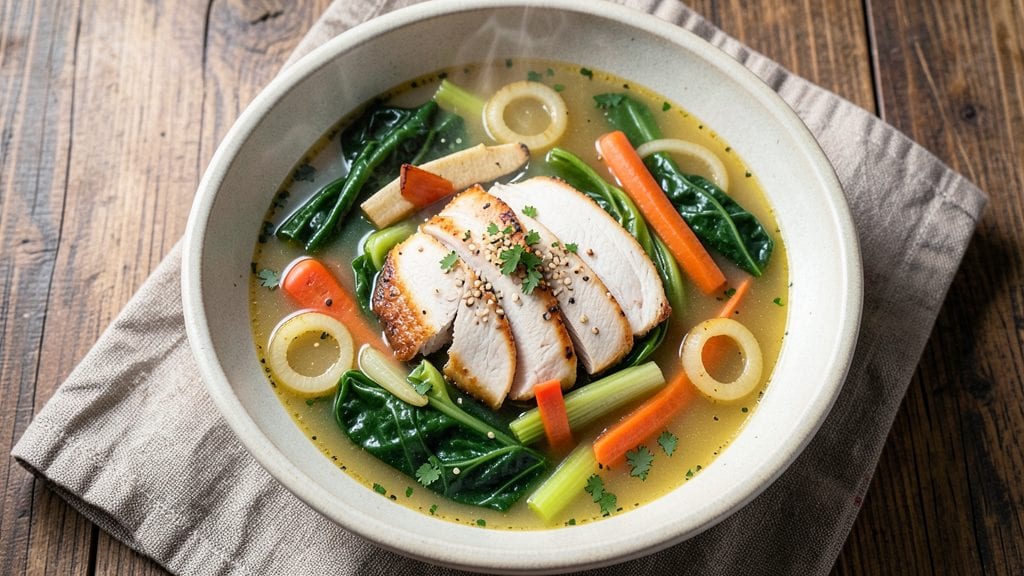
A belly fat-burning soup designed to boost metabolism and support digestion combines nutrient-dense vegetables, lean protein, and metabolism-boosting spices in one satisfying bowl. This isn’t just another vegetable soup—it’s a carefully balanced recipe engineered to keep you full while promoting healthy digestion and fat metabolism.
The secret lies in ingredients like cabbage, ginger, and lean chicken, which work together to create a flavorful yet light meal.
What makes this recipe stand out is its focus on ingredients proven to support metabolism and digestion. Cabbage aids detoxification, ginger enhances circulation, and lean protein keeps you satisfied longer. The recipe takes just 30 minutes to prepare, making it perfect for busy weeknights while still delivering restaurant-quality results.
Every spoonful is packed with flavor without the heaviness, ensuring you’ll look forward to this soup as part of your daily routine.
The result is a metabolism-boosting soup that’s rich in fiber, lean protein, and antioxidants, all of which contribute to a balanced diet. The combination of vegetables, herbs, and spices creates a harmonious blend of flavors that’s both comforting and invigorating.
This isn’t just a soup—it’s a step toward a healthier you, one bowl at a time.
Whether you’re looking to support weight management, improve digestion, or simply enjoy a nourishing meal, this recipe delivers. Pair it with a side salad or whole-grain bread for a complete, satisfying dish. Let’s get cooking—your metabolism will thank you.
Ingredients for belly fat burning soup
Lean protein, metabolism-boosting veggies, and warming spices—this soup packs a flavor punch while keeping calories in check.
| Ingredient | Amount | Notes |
|---|---|---|
| Boneless, Skinless Chicken Breast 🍗 | 1 lb | Cut into bite-sized pieces |
| Green Cabbage 🥬 | 4 cups | Shredded, outer leaves removed |
| Fresh Ginger Root 🌿 | 2 tbsp | Grated, peeled, fresh preferred |
| Carrots 🥕 | 1 ½ cups | Diced, organic preferred |
| Yellow Onion 🧅 | 1 whole | Diced, yellow or red |
| Celery Stalks 🌿 | 3 whole | Diced, leafy tops trimmed |
| Garlic Cloves 🧄 | 4 cloves | Minced, fresh preferred |
| Low-Sodium Chicken Broth 💧 | 4 cups | Homemade or quality store-bought |
| Canned Diced Tomatoes 🍅 | 1 can | 14.5 oz, no salt added |
| Fresh Turmeric Root 🌿 | 1 tsp | Grated, or 0.25 tsp ground |
| Fresh Cilantro 🌿 | ¼ cup | Chopped, stems removed |
| Extra-Virgin Olive Oil 🫒 | 1 tbsp | For sautéing, fruity variety |
| Red Bell Pepper 🌶️ | 1 whole | Diced, any color |
| Fresh Lemon Juice 🍋 | 1 tbsp | Freshly squeezed |
| Diamond Crystal Kosher Salt 🧂 | ½ tsp | Adjust to taste |
| Ground Black Pepper 🌶️ | ¼ tsp | Freshly ground |
The cabbage and ginger are non-negotiable here. Look for firm heads of green cabbage with crisp leaves—avoid any with yellowing or wilted spots. Fresh ginger has more kick than powdered, so grab a small root and grate what you need. The Whole Foods or local farmers' market sections usually carry the freshest ginger, but the grocery store works too. For the chicken, boneless, skinless breast stays lean while providing protein to keep you full. If you're feeling fancy, try organic chicken—it's worth the extra dollar for the cleaner taste.
No fresh ginger? Substitute 0.5 tsp ground ginger, but you'll lose some of that zesty punch. Swapping the chicken for tofu or shrimp keeps it vegetarian or seafood-focused. The bell pepper can be any color—red, yellow, or orange—but stay away from the pre-diced kind (it gets soggy fast). Trader Joe's has great prepped veggies if you're short on time, but chopping your own gives you better control. For the broth, homemade is ideal, but Pacific Foods or Swanson low-sodium options work in a pinch. Just remember—skip the salted versions, they'll overpower the dish.
This soup tastes even better the next day—make a double batch and store in airtight containers. Keeps fresh for 4-5 days in the fridge or 3 months frozen. The ginger and lemon juice might make the broth slightly cloudy when reheated—just stir and enjoy. For extra flavor, toss in a handful of baby spinach when reheating. The cabbage and carrots hold up beautifully to freezing, so don't hesitate to prep ahead.
Why You'll Love This Recipe
- No-Fuss Ingredients: The pantry staples here won’t make you panic. Chicken breast, cabbage, carrots, and onion? I keep these on hand anyway. Fresh ginger’s the only splurge—and honestly, a tiny knob goes a long way.
- Ginger-Zing Heat: That knobby ginger root isn’t just for show. It simmers into the broth with a slow, warming punch that makes every spoonful feel intentional. (Yes, even on a Tuesday night.)
- Lunchbox Hero: Pack this warm or cold—it’s that adaptable. The cabbage stays crisp, the chicken shreds easily, and the carrots hold their bite. My kids take it to school; my husband brings it to work.
- Budget Meal, Big Payoff: A single chicken breast stretches for four servings, and cabbage lasts weeks in the crisper. Leftovers? They taste just as good reheated as they do fresh—no sad, watery soup here.
Step-by-step instructions for metabolism-boosting veggie-packed soup
This nutrient-packed soup combines metabolism-boosting ingredients with bold flavors—let's bring it all together.
Sauté the Aromatic Foundation
Heat the 1 tablespoon extra-virgin olive oil in a large pot over medium heat. Add the 1 whole yellow onion and 3 whole celery stalks, cooking for 5-6 minutes until the onion becomes translucent and the celery softens slightly. This foundational step builds flavor depth.
Add the 1 whole red bell pepper and 1.5 cups carrots, stirring occasionally for 3-4 minutes until the vegetables begin to soften. The vegetables should release their natural juices, creating a fragrant base for the rest of the ingredients. This is where the soup's vibrant color begins to develop.
Incorporate Spices and Ginger
Add the 4 cloves minced garlic and 2 tablespoons grated fresh ginger root to the pot, stirring for 30 seconds until fragrant. The garlic should turn golden around the edges, indicating it's ready to release its full flavor potential.
Sprinkle in the 1 teaspoon grated fresh turmeric root and stir for 1 minute to toast the spices gently. This step enhances the anti-inflammatory properties of the soup while adding a warm, earthy depth to the flavor profile. The turmeric will infuse the broth with its signature golden hue.
Build the Soup Base with Chicken and Tomatoes
Add the 1 lb boneless, skinless chicken breast cut into bite-sized pieces to the pot. Cook for 4-5 minutes, stirring occasionally, until the chicken begins to turn opaque around the edges. This ensures the chicken cooks through while absorbing the aromatic flavors.
Pour in the 1 can canned diced tomatoes (with juices) and 4 cups low-sodium chicken broth. Bring the mixture to a gentle boil, then reduce heat to medium-low and let it simmer for 10 minutes. This allows the chicken to fully cook and the flavors to meld together. The broth should now be infused with rich, savory notes.
Add Vegetables and Season
Stir in the 4 cups shredded green cabbage, ensuring it's evenly distributed throughout the soup. Add the 0.5 teaspoon diamond crystal kosher salt and 0.25 teaspoon ground black pepper, adjusting to taste. The cabbage will soften as it cooks, releasing its crisp texture and subtle sweetness into the broth.
Simmer the soup for 10-12 minutes until the chicken is fully cooked (internal temperature of 165°F) and the cabbage is tender but still holds its shape. The vegetables should be fork-tender, and the broth should be rich and flavorful. This is where the soup transforms into a comforting, nutrient-dense dish.
Finish with Fresh Herbs and Brighten with Lemon
Remove the pot from heat and stir in the 0.25 cup chopped fresh cilantro and 1 tablespoon fresh lemon juice. The cilantro adds a bright, herbal note that balances the rich flavors, while the lemon juice introduces a refreshing acidity that brightens the entire dish. Let the soup sit for 5 minutes off the heat to allow the flavors to fully integrate.
Taste and adjust the seasoning if needed, adding a pinch more salt or pepper as desired. Serve the soup warm, garnished with an additional sprinkle of cilantro. Each bowl is packed with metabolism-boosting ingredients and vibrant flavors designed to satisfy while supporting your wellness goals.
Pro Tips For Making Belly Fat Burning Soup
- Sear Chicken First: I learned this the hard way—skipping the sear means flavorless broth. Hit the chicken breast with a hot pan (no oil needed) for 2-3 minutes per side until golden before adding liquids. The crust locks in juices and adds depth the slow simmer can’t match.
- Shred the Ginger: Sounds weird, but it works: grate the ginger fresh and let it sit in the pot for 5 minutes before adding other veggies. The heat draws out its fiery compounds, making the soup’s metabolism-boosting kick way more noticeable. (Yes, even if you’re impatient like me.)
- Cut Cabbage Small: Big cabbage chunks turn mushy and watery. Instead, slice into ½-inch ribbons or shred finely—it cooks faster, stays crisp, and releases more of those fiber-rich benefits you’re after. (Your future self will thank you.)
- Simmer Low and Long: This isn’t the prettiest method, but it’s the tastiest: after the initial boil, drop heat to a gentle simmer (barely bubbling) and let it cook for 45-60 minutes. The chicken will practically fall apart, and the carrots caramelize into natural sweetness—no extra sugar needed.
Storing and reheating this belly fat burning soup
Refrigerator Storage
Transfer your soup to an airtight glass container (I love Pyrex with snap-on lids) once it’s cooled to room temperature—never store it hot. The cabbage and carrots retain their texture beautifully when refrigerated at 40°F or below for up to 4-5 days.
The flavors actually deepen overnight as the spices meld together, making it taste even better the next day. 💡
For portion control, divide the soup into 2-cup servings before storing. This prevents reheating too much at once and keeps the cabbage from turning mushy. Label the container with the date to track freshness—trust me, you’ll want to eat it before it disappears!
Freezer Prep Tips
This soup freezes exceptionally well for up to 3 months without losing its vibrant flavors. Use quart-sized freezer bags (like Stasher bags) or glass freezer-safe containers—they’re eco-friendly and prevent freezer burn. Leave 1-inch headspace to account for expansion, and squeeze out excess air before sealing. 🧊
For easy reheating, freeze the soup in single-serving portions. This way, you can grab just what you need without thawing the entire batch. I also recommend adding a splash of water or broth (about 1 tablespoon per serving) before reheating to restore moisture.
Stovetop Reheating
My preferred method is stovetop reheating because it preserves the cabbage’s texture and intensifies the flavors. Pour the soup into a heavy-bottomed pot (like All-Clad) and heat over medium-low heat for 8-10 minutes, stirring occasionally.
If it looks too thick, add 2-3 tablespoons of water or broth to loosen it up. 🔥
For extra freshness, stir in a handful of baby spinach or a pinch of fresh ginger while reheating. This revives the soup’s vibrant color and adds a bright, herbal note.
Taste and adjust the seasoning—sometimes the flavors concentrate during storage, so a pinch of salt or a squeeze of lemon might be needed.
Microwave Shortcuts
If you’re in a hurry, microwave reheating works in a pinch. Transfer the soup to a microwave-safe bowl, cover with a damp paper towel, and heat on 70% power for 2-3 minutes.
Stir halfway through to ensure even heating, then continue in 30-second intervals until it reaches 165°F internally. 💫
Avoid overcooking in the microwave—it can turn the cabbage mushy. If the soup seems too thick after reheating, thin it with a splash of broth or water. For a quick flavor boost, top with a drizzle of olive oil and fresh cilantro before serving.
Nutrition facts
Frequently asked questions
Can I make this soup without chicken?
Swap the chicken for 1 lb firm tofu (pressed and cubed) or 1 lb shrimp for a seafood twist. Both options maintain the protein content while keeping the dish light and satisfying. The cooking time remains the same, but shrimp only needs 3-4 minutes to cook through.
Why does ginger matter in this recipe?
Ginger isn't just for flavor—it's a metabolism booster! Fresh ginger contains gingerol, a compound that helps increase thermogenesis (your body's heat production during digestion), which can aid in fat metabolism. Plus, it adds a zesty kick that balances the soup's earthy notes. For best results, always use fresh ginger rather than powdered.
How can I make this soup spicier?
Add ½ tsp cayenne pepper or 1 tbsp sriracha when stirring in the broth, or top with chopped jalapeños before serving. For a smoky depth, sprinkle ½ tsp smoked paprika into the sautéed vegetables. Start with small amounts—you can always add more, but you can't take it out!
Will this soup help me lose belly fat?
While no soup alone "burns" belly fat, this recipe supports healthy digestion and metabolism through its fiber-rich vegetables, lean protein, and metabolism-boosting spices like ginger and turmeric. Pair it with regular exercise and a balanced diet for best results. Think of it as a nutrient-packed tool in your wellness toolkit rather than a magic solution.
Can I use frozen vegetables instead of fresh?
Yes, but with one key difference: use frozen chopped vegetables (like mixed stir-fry veggies) rather than pre-cut fresh ones. The texture will be slightly different, but they work well in soups. Just be sure to thaw and drain them first to avoid excess moisture. For cabbage, fresh is ideal, but frozen will work in a pinch—just add it 5 minutes earlier to the cooking time.