
Soups & Stews
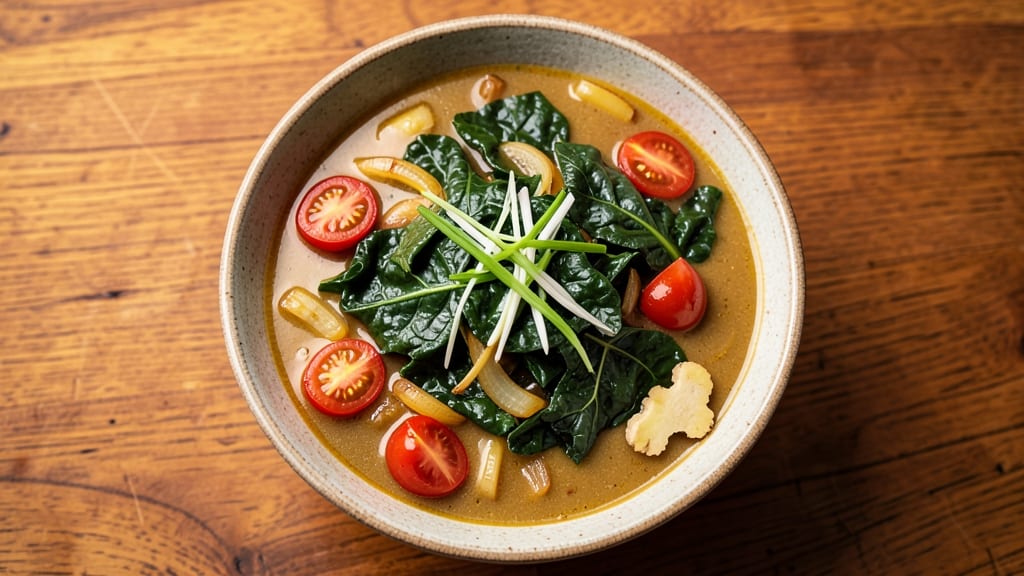
This bitter leaf soup recipe brings the rich, earthy flavors of West Africa to your kitchen, where tender meat and bitter leaf blend into a deeply satisfying broth. 💛 Growing up, I remember the first time I tasted this soup at my grandmother’s table—its complex flavors and hearty texture made it a staple in our home.
The key lies in balancing the bitterness of the leaf with aromatic spices and slow simmering to develop layers of flavor.
Traditionally made with meat like beef or goat, this soup can also be adapted for vegetarians by using mushrooms or tofu. The process involves parboiling the bitter leaf to soften it, then simmering it with onions, tomatoes, and spices until the flavors meld into a harmonious broth.
Each ingredient plays a role—pepper, crayfish, and palm oil deepen the taste, while the leaf adds a unique, slightly bitter depth that’s both challenging and rewarding.
By the end, you’ll have a rich, herb-packed soup that pairs perfectly with fufu, eba, or rice. The aroma alone will draw everyone to the table, and the first spoonful delivers a burst of savory, spicy, and slightly bitter notes that define West African cuisine.
This is comfort food at its finest—warm, hearty, and full of tradition.
Whether you’re cooking for a family gathering or a quiet weeknight dinner, this recipe delivers restaurant-quality results with a touch of home. Let’s get started on creating a dish that’s as nourishing as it is delicious.
Ingredients for bitter leaf soup
Rich, earthy bitter leaf meets aromatic spices in this hearty West African-inspired vegetarian soup.
| Ingredient | Amount | Notes |
|---|---|---|
| Bitter Leaf 🌿 | 2 cups | Fresh, stems removed |
| Vegetable Oil 🫒 | ½ cup | For sautéing onions |
| Yellow Onions 🧅 | 1 whole | Chopped, medium size |
| Fresh Tomatoes 🍅 | 3 whole | Chopped, ripe |
| Fresh Ginger 🌿 | 1 inch | Peeled, grated |
| Fresh Ginger 🌿 | 2 tbsp | Grated, fresh root |
| Garlic Cloves 🧄 | 6 cloves | Minced, fresh |
| Red Bell Pepper 🌶️ | 1 whole | Chopped, medium |
| Dried Shrimp 🦐 | ½ cup | Vegetarian substitute |
| Vegetable Stock 💧 | 4 cups | Low-sodium preferred |
| Palm Oil 🫒 | ¼ cup | Red palm oil preferred |
| Dried Crayfish 🦐 | ¼ cup | Vegetarian-friendly |
| Black Pepper 🌶️ | 1 tsp | Freshly ground |
| Salt 🧂 | 1 ½ tsp | Adjust to taste |
| Fresh Thyme 🌿 | 1 tbsp | Chopped, or 1 tsp dried |
The bitter leaf is the soul of this dish—look for fresh, vibrant green leaves at African markets or specialty stores like African & Caribbean Foods Market. If you can't find it, kale or Swiss chard works in a pinch, but expect a milder bite. The ginger and garlic? Fresh is non-negotiable—dried just won't cut it here. For palm oil, African & Caribbean Foods Market carries the real deal, but red palm oil from Amazon is a solid backup. The dried shrimp and crayfish add umami depth—vegetarian-friendly versions are available at most Asian markets or online.
No bitter leaf? Swiss chard or kale will work, but you'll need about twice the amount since they're milder. Fresh ginger too expensive? Powdered ginger at half the amount gets you close. The tomatoes can be canned (San Marzano if you're fancy) or fresh—just make sure they're ripe. For the dried shrimp and crayfish, soak them in hot water for 10 minutes to rehydrate before adding. The palm oil is crucial—don't skip it, but if you're avoiding it, olive oil plus a pinch of paprika mimics some of the color and depth.
This soup tastes even better the next day—make a double batch if you can. Keeps 4-5 days in the fridge, freezes beautifully for up to 3 months. I like to portion it into containers with a side of rice or fufu. The bitter leaf wilts fast, so prep it last and keep it in cold water until ready to use. The palm oil solidifies when cold—just let it sit out for 10 minutes before measuring.
Why You'll Love This Recipe
- No Chopping Chaos: I swear by this recipe because the bitter leaf barely needs prep—just rinse, tear, and toss. The onions and tomatoes handle all the real work while you stir, so it’s basically a one-handed meal when you’re juggling life.
- Umami Bomb: That ginger and fried onions? They turn the leaf’s natural bitterness into something ridiculously good—like a cozy hug in soup form. Honestly, the first time I tasted it, I immediately doubled the ginger.
- Leftovers That Shine: This soup tastes even better the next day, and it keeps for days in the fridge. I’ll be real: I often make a big batch on Sundays so I can grab a bowl for lunch all week without stress.
- Pocketbook Hero: Bitter leaf is dirt cheap, and the other ingredients? Basic pantry staples. You’re feeding a crowd for less than takeout, and the flavor still feels special—not like you’re cutting corners. (Yes, even on a Tuesday night.)
Step-by-step instructions for bitter leaf soup
Here's how to build this West African classic with bold flavors and perfect texture.
🍳 Step 1: Sauté the Aromatics in Vegetable Oil
Heat the 0.5 cup vegetable oil in a large pot over medium heat. Add the chopped yellow onions and cook for 5 minutes until they become translucent and just start to soften. Here's the thing—don't rush this step. You want the onions to develop a gentle sweetness before moving forward.
Add the 1 inch peeled, grated ginger and 6 minced garlic cloves to the pot. Stir for 1 minute until the garlic becomes fragrant and the mixture smells intensely aromatic. This is the flavor foundation of your soup, so take your time here. The garlic should sizzle gently without burning.
🍳 Step 2: Cook the Tomatoes and Bell Pepper
Increase the heat to medium-high and add the 3 chopped fresh tomatoes and 1 chopped red bell pepper to the pot. Stir well to combine with the onions and aromatics. Let the mixture cook for 8-10 minutes until the tomatoes break down and the bell pepper softens.
You'll notice the mixture darken slightly and reduce in volume—that's perfect. This cooking process develops deep, rich flavors that will carry through your entire soup. If the mixture starts to stick, add a splash of water to deglaze the pot. The goal is a thick, jammy consistency that coats the back of a spoon.
🥘 Step 3: Add the Protein and Seasonings
Reduce the heat to medium-low and stir in the 0.5 cup dried shrimp, 0.25 cup dried crayfish, 1.5 teaspoons salt, and 1 teaspoon black pepper. Let these ingredients toast in the pot for 2-3 minutes, stirring frequently. You'll see the shrimp and crayfish begin to rehydrate slightly and release their intense umami flavors.
Add the 1 tablespoon fresh thyme and stir for another 30 seconds to distribute the flavors evenly. This is where the soup starts to come together. The dried seafood will rehydrate and infuse the base with their signature briny depth, while the thyme adds an earthy complexity that balances the bold flavors.
🥘 Step 4: Build the Soup with Stock and Bitter Leaf
Pour in the 4 cups vegetable stock and bring the mixture to a gentle simmer. Add the 2 cups bitter leaf (stems removed) and stir gently to combine. The soup should bubble softly—this is crucial for developing the bitter leaf's signature flavor without making it overly bitter.
Simmer uncovered for 20-25 minutes until the bitter leaf is tender and the flavors have melded together. You'll know it's ready when the leaf becomes soft enough to tear easily with a fork. The soup should have a rich, herbal aroma that fills your kitchen—this is the moment that matters.
🔥 Step 5: Finish with Palm Oil and Serve
Remove the pot from heat and stir in the 0.25 cup palm oil. This final step adds a beautiful red hue and rich texture to the soup. Let the soup sit for 5 minutes to allow the flavors to fully integrate. The palm oil should be fully incorporated, giving the soup a luxurious sheen.
Taste and adjust the seasoning if needed—this is your final opportunity to balance the flavors. Serve the soup immediately while hot, accompanied by pounded yam or jollof rice. Each spoonful should deliver a perfect harmony of bitter, sweet, and umami flavors that define this West African classic.
Pro Tips For Making Bitter Leaf Soup
- Blister the Ginger: Use a hot, dry skillet to fry the ginger slices until they’re fragrant and just starting to brown—about 30 seconds per side. I learned this the hard way after making soup where the ginger just sat there, flavorless. The caramelized edges add a depth that raw ginger can’t match, especially when paired with bitter leaf.
- Chop Onions Fine: Dice the onions into small, even pieces—no bigger than ¼-inch cubes. Larger chunks turn mushy and watery, while tiny bits crisp up and sweeten the soup as they cook. I was skeptical until I tried it; now I double-check my knife work before adding onions to the oil.
- Simmer, Don’t Boil: Once the bitter leaf is added, keep the heat low enough that the soup bubbles gently but doesn’t roar. Boiling toughens the leaves and makes them slimy—you want them tender but still holding their shape. After burning through three batches, I finally figured out that patience here makes all the difference.
- Toast the Tomatoes: Before blending or chopping, quickly sear the tomato halves in the same oil used for the onions—cut-side down—for 2 minutes. The concentrated, caramelized flavor cuts through the bitterness of the leaf and adds a richness that raw tomatoes can’t provide. Sounds weird, but it works—trust me.
Regional styles of these flavors
Nigerian Style
In Nigeria, bitter leaf soup is often called "ewedu" and is a centerpiece at gatherings. The key difference here is the addition of pounded yam or eba as the staple. I’ve seen families use beef or goat meat instead of the vegetarian version, slow-cooked until tender.
The soup is typically thicker, almost like a stew, with a deeper palm oil color. For authenticity, add locust beans (iru) for a tangy twist—about 2 tablespoons of the powdered version. 🌶️
Nigerian cooks often include utazi leaves (a local herb) for extra depth, but if you can’t find them, spinach works in a pinch. The soup is usually served with fried plantains on the side, adding a sweet contrast to the bitter leaf’s sharpness.
I’ve learned that patience is key—simmer the meat for at least 2 hours to let the flavors meld perfectly.
Ghanaian Twist
Ghanaian bitter leaf soup, or "kontomire", leans more on fish or shrimp as the protein base rather than meat. The broth is lighter, almost like a clear consommé, with a focus on fresh herbs like century eggplant (if available) and basil.
I’ve made this version with smoked fish for a smoky depth—just 4-5 fillets added in the last 10 minutes of cooking. The palm oil is reduced to 1-2 tablespoons, giving the soup a delicate red hue. 🍽️
Ghanaians often serve this soup with fufu or banku, a fermented cassava and corn dough. For a shortcut, use instant cornmeal mixed with water to mimic the texture.
The secret here is balancing the bitterness with lemon juice—just 1 tablespoon at the end—brightens the entire dish without overpowering the leaf’s natural flavor.
Liberian Adaptation
Liberian bitter leaf soup, or "bitter soup", is often spicier and includes cassava leaves mixed with the bitter leaf for a milder bite. The Liberian version uses palm nut soup base (a thick, nutty broth) instead of stock.
To make it at home, blend 1 cup palm nuts with 4 cups water, strain, and use the liquid as your base. Add 1-2 tablespoons of palm nut soup base powder (available at African markets) for convenience. 🌿
Liberians also incorporate wild mushrooms or okra for texture, and the soup is almost always served with white rice or garri (fermented cassava flour). For heat, add scotch bonnet peppers—just ½ pepper, seeded and minced—to the onions at the start.
The result is a soup with layers of earthy, spicy, and nutty flavors that’s impossible to resist.
Vegetarian Fusion
For a fully vegetarian take, swap the meat for mushrooms or tofu. I love using shiitake mushrooms for their umami kick—8-10 slices added with the stock. For tofu, use extra-firm and press it for 20 minutes to remove excess water before cubing.
The key is to sauté the tofu in the pot with the onions and garlic until golden before adding the stock. 🥗
Boost the protein with chickpeas or lentils—1 cup cooked adds heartiness without overpowering the leaf. To mimic the depth of dried seafood, add 1 tablespoon soy sauce or miso paste when you’d normally add the shrimp and crayfish.
The result is a rich, satisfying soup that still delivers the bold flavors of the original.
Nutrition facts
Frequently asked questions
What makes bitter leaf soup different from other African soups?
The bitter leaf itself is the defining ingredient—its unique, slightly bitter flavor sets it apart from soups like egusi or groundnut. Unlike milder greens, bitter leaf requires careful balancing with rich spices (like palm oil and crayfish) to create harmony. The slow simmering process also develops its complex flavor profile, making it more intense than quicker-cooked soups.
Can I substitute bitter leaf with other greens?
Yes, but expect a milder taste. Swiss chard or kale work best—use about double the amount (4 cups) since they're less potent. For authenticity, look for bitter leaf at African markets or specialty stores. If you can't find it, dandelion greens add a similar earthy bite, though the flavor won't be identical.
How do I balance the bitterness in the soup?
Start by simmering the leaf just until tender (20-25 minutes)—overcooking makes it more bitter. Balance it with sweet elements: add 1 tablespoon honey or palm sugar at the end, or serve with fried plantains or sweet potatoes. The palm oil and crayfish also add richness that counters the bitterness naturally.
What’s the best way to store leftovers?
Let the soup cool completely, then transfer to airtight containers. It keeps in the fridge for 4-5 days or freezes for up to 3 months. For reheating, warm gently on the stove—never microwave directly, as it can make the leaf mushy. Stir in a splash of water if the soup thickens too much.
Can I make this soup spicier?
Add scotch bonnet or habanero peppers—start with ½ pepper, seeded and minced, to the onions. For a smoky kick, include 1-2 smoked fish fillets in the last 10 minutes of cooking. Liberian-style soups often use hot peppers and palm nut base for extra depth—adjust to your heat preference!